Know Asia's
Business changes,before it hits your market.
Top Stories
We cut through the noise, screening 1,000+ articles every day for the most relevant ones.

An Indian university was kicked out of the prestigious AI Impact Summit in New Delhi on Wednesday. A professor had passed off a commercially available robot dog from China as her own groundbreaking innovation.
India actually wanted to use the summit to present itself as a new AI superpower alongside the US and China. But then this happened:
The fraud: A professor from Galgotias University proudly explained on state television that the robot dog "Orion" had been developed at their own center of excellence.
The exposure: Internet users identified the machine as a Unitree Go2 within minutes.
The consequence: The university had to clear its booth, power was cut, and India's IT minister hastily deleted his celebratory posts on X.
High-stakes summit becomes chaos stage
The "robo-lie" is particularly explosive because the summit was attended by the absolute world elite: Prime Minister Modi, Emmanuel Macron, OpenAI CEO Sam Altman, and Google CEO Sundar Pichai were on the guest list.
India is investing massively in "IndiaAI" to develop sovereign AI models and not be dependent on US tech giants.
The country wants to establish a "third way" between the US and China – with open-source models, 7,000 public datasets, and planned investments of $200 billion in data centers.
But the path is still rocky so far.

Fei-Fei Li, known in the industry as the “Godmother of AI,” has raised $1 billion with her startup World Labs.
🤝 Rocket start: Li only founded World Labs in 2024. In September 2024, World Labs had already raised $230 million. Since then, the valuation has more than doubled. The new round values the company at around $5 billion.
The details
World Labs is developing “Spatial Intelligence”: AI that can understand and model the physical world in 3D. The first product is called Marble and generates interactive 3D worlds from images or text.
The round is led by Autodesk with $200 million alone, joined by Andreessen Horowitz, Nvidia, AMD, Fidelity, and Singapore’s Sea Limited.
Who is Fei-Fei Li?
Born in Beijing and later moving to the United States, she is now a central voice in the U.S. AI scene.
She is one of the most influential researchers in modern AI, especially due to ImageNet, the dataset that massively accelerated computer vision in the 2010s.
Li previously served as Chief Scientist for AI/ML at Google Cloud before returning to Stanford and later launching World Labs.
Why everyone is betting on Spatial Intelligence
The thesis: AI must understand the physical world in 3D, not just process text and images. This opens up applications in robotics, AR/VR, and scientific simulation.
Meta’s chief scientist Yann LeCun is pursuing a similar approach with AMI Labs, and Google DeepMind is developing its own system called Genie. The participation of Singapore’s Sea Limited highlights the interest of Asian tech giants.
The investor logic: After the LLM boom, spatial intelligence will be the next growth market.
👉 Full Story: Bloomberg, AI Insider, Tech Funding News

Japan and the US have agreed on the first three megaprojects of their $550 billion investment package. Trump celebrates it as proof of his tariff policy. Tokyo is under pressure – and pays.
"The scale of these projects are so large, and could not be done without one very special word, TARIFFS."
The three projects
Project | Location | Volume | Details |
|---|---|---|---|
Gas power plant | Portsmouth, Ohio | $33 billion | 9.2 GW – world's largest, SoftBank |
Crude oil terminal | Gulf of Mexico | $2.1 billion | $30 billion annual revenue, Sentinel Midstream |
Diamond factory | Georgia | $600 million | Synthetic diamonds, Element Six |
The gas power plant alone equals nine nuclear reactors and could supply 7.4 million households. Japanese companies like Toshiba, Hitachi, and Mitsubishi Electric are to deliver turbines.
The fine print
The profit participation is extremely one-sided. After repayment of the initial investment, the profit split shifts to 90:10 in favor of the US, according to reports.
Additionally, after Trump's approval, Tokyo has only 45 days to physically transfer the promised funds.
⚠️ Reality check
"Strategic, but hardly bankable," is how Japanese financial circles describe the projects. Politicians and corporate leaders have openly criticized Trump's tactics as "blackmail."
But dependence on the US market and especially Washington's security policy role against China, North Korea, and Russia left no choice.

A Blackstone-led consortium is putting up to $600 million in equity into Neysa, an Indian startup founded in 2023 that builds and operates GPU-based AI infrastructure for enterprises.
On top of that, Neysa plans to secure another $600 million in debt financing, bringing the total to $1.2 billion for a company that isn't even three years
old.
🤝 Blackstone's Amit Dixit, head of Asia private equity, will partner with Neysa co-founder and CEO Sharad Sanghi to scale the business.
The details
Neysa deploys GPU clusters inside India - for banks, tech firms, hospitals and government agencies. The fresh capital will fund the rollout of more than 20,000 GPUs across the country, specifically for AI training and high-performance computing.
Joining Blackstone in the round are Teachers' Venture Growth, TVS Capital, 360 ONE and Nexus.
The key thing here: Neysa designs and operates its systems entirely within India. Data stays onshore. Modi's government is pushing hard on "sovereign compute" under the IndiaAI Mission banner.
The bigger picture
For Blackstone, Neysa fills the India gap in a global AI infrastructure portfolio that already includes QTS and CoreWeave in the US, AirTrunk across APAC and Firmus in Australia.
The timing could hardly have been better. On the same day, Adani announced $100 billion for AI data centers by 2035. Modi had flown in Nvidia CEO Jensen Huang, Google's Sundar Pichai and half a dozen other tech chiefs for the India AI Summit in New Delhi. AMD simultaneously signed an expanded AI partnership with Tata.
India is clearly serious about this. Whether the country can actually build compute capacity as fast as the cheques are flying is the real question.
👉 Full story: Bloomberg, DealStreet Asia, CRN Asia

Radical shift in the world's most technologically advanced car market: China is ending the era of buttonless cockpits.
China's Ministry of Industry has published a draft of new safety regulations mandating physical buttons for life-critical functions.
From July 1, 2027, all newly manufactured vehicles in the People's Republic must have "real" controls again.
The new mandatory buttons
The following functions may no longer be operated exclusively via touchscreens:
Gear shift and turn signals
Hazard lights and window controls
Emergency call (eCall)
Minimum size: 10 x 10 mm per button
The reason: distraction at the wheel. In many electric cars, even mechanical functions run through the central display. In the Tesla Model Y, the driver has to tap the display to change gears.
Not the first reversal
China is systematically cleaning up design trends that are problematic from a safety perspective:
Measure | From when | Affected |
|---|---|---|
Physical buttons mandatory | July 2027 | Tesla, BYD, Xiaomi |
Ban on retractable door handles | Jan. 2027 | Tesla Model S/X, BYD |
Ban on yoke steering wheels | Jan. 2027 | Tesla Model S, Lexus |
Retractable door handles can jam after accidents and trap occupants. Yoke steering wheels don't meet airbag standards – according to the ministry, the steering column is involved in 46% of all driver injuries.
China is not alone. The European testing organization Euro NCAP has also already announced that from 2026, it will no longer award five stars if safety-critical functions can only be operated via screens.
The message is clear: futuristic aesthetics are all well and good – but not at the expense of safety.

MiniMax surged as much as 30% in Hong Kong before closing up 25%. Since its IPO in January 2026, the stock is now up more than 400%.
Rival Zhipu also posted double-digit intraday gains. Both names are currently among the hottest AI bets in Asia..
The driver
Optimism around China’s generative AI startups is rising, fueled by model upgrades ahead of Lunar New Year, a period when platforms traditionally compete for maximum user traffic.
MiniMax last week released version M2.5 of its flagship model.
On the SWE benchmark, M2.5 performs “very close” to Claude Opus 4.6, with analysts pointing to “significant performance improvements.”
Why so hot?
First: China is investable again.
After years of regulatory uncertainty and weak tech performance, investors are searching for a new growth anchor. Chinese AI offers exactly that: structural growth, strategic relevance and state backing.
Second: valuation arbitrage.
U.S. AI stocks trade at extreme multiples. In Hong Kong, newly listed AI players are entering the market at far lower starting valuations.
Third: technological catch-up.
MiniMax’s M2.5 and Zhipu’s GLM models are being publicly benchmarked against U.S. frontier models. “Close enough” is sufficient to support the thesis that China is not permanently behind in the LLM race.
Fourth: geopolitical logic.
Semiconductors, AI and compute capacity are strategic sectors. Investors understand that these areas are politically prioritized in China, reducing the risk of sudden domestic policy headwinds.
👉 Full story: Bloomberg, Yahoo Finance

China's most-watched television show, the CCTV Spring Festival Gala, became a global stage for Beijing's technological ambitions on Monday.
In a blend of tradition and science fiction, four leading robotics startups – Unitree Robotics, Galbot, Noetix, and MagicLab – demonstrated the rapid progress of Chinese "Embodied AI."
📈 Market Dominance and Industrial Policy
Behind the spectacle lies a hard-nosed industrial strategy: Beijing is betting on robotics to boost productivity despite an aging workforce.
Global leadership: China was responsible for 90% of the approximately 13,000 humanoid robots delivered worldwide last year.
Growth forecast: Morgan Stanley expects sales of Chinese humanoid robots to more than double to 28,000 units this year.
Political tailwind: President Xi Jinping met with five robotics startup founders last year – visibility typically reserved only for sectors like semiconductors or e-mobility.
🔬 The Players and Their Roles
The gala served as a "direct pipeline" from industrial policy to the spotlight, often securing government contracts and investor interest for the companies.
Company | Performance | Status / Details |
|---|---|---|
Unitree Robotics | "WuBOT" Martial Arts & Acrobatics | Plans IPO 2026; G1 model costs approx. $17,990 |
Noetix | Comedy skit with actors | Focus on interaction in social scenarios |
MagicLab | Synchronized dance | Song: "We Are Made in China" |
Galbot | Integration into sketches | Specialized in everyday and service applications |
⚠️ Reality Check: Hype vs. Hardware
Despite the impressive show, technical hurdles remain:
"Brains" vs. bodies: While hardware (motors, joints, balance) is making enormous progress, AI intelligence ("cortex") still lags behind.
Data shortage: The industry faces a "data scarcity" for real work scenarios, as simulations alone are not sufficient.
Stage vs. reality: The controlled environment of the gala (flat floor, constant light) is a "comfort zone" scenario that is not yet replicable one-to-one in factories or households.
Elon Musk, who sees his biggest competition in Chinese companies, recently described China's progress as "ass-kicker next level."
🍿 Full performance & behind the scenes: Unitree YouTube

The United States and Taiwan have finalized their bilateral trade agreement. Washington confirms a 15% tariff rate on Taiwanese imports, putting Taiwan on par with Japan and South Korea.
🔄 In return, Taiwan commits to lowering or eliminating 99% of its tariffs on U.S. goods and granting preferential market access to American products.
The deal
The U.S. trade deficit with Taiwan rose to $126.9 billion in 2025. Taiwan secured exemptions for more than 2,000 product categories.
Deal optimism: President Lai Ching-te called it a “pivotal moment for Taiwan’s economy” and a “major transformation.”
Taiwan pledged purchases of more than $84 billion in U.S. goods through 2029, including:
$44.4 billion in LNG and crude oil
$15.2 billion in civil aircraft and engines
$25.2 billion in power grid equipment and generators
Non-tariff barriers are also set to be reduced, including in autos, medical devices and pharmaceutical standards.
Market reality
Back in January, Taiwan pledged $250 billion in investments into U.S. production capacity, primarily in semiconductors, energy and AI — including $100 billion from TSMC. Another $250 billion in government-backed investment guarantees are expected to follow.
Washington’s goal: more high-tech production on U.S. soil.
Taipei’s goal: tariff stability and a strategic partnership.
From a small concession to a sweeping demand: The deal positions Taiwan as a key pillar in Washington’s chip strategy against China. Commerce Secretary Lutnick is calling for 40% of Taiwan’s semiconductor supply chain to relocate to the U.S., a demand Taipei has labeled “impossible.”
Beijing has sharply criticized the agreement, accusing the U.S. of economically “hollowing out” Taiwan and pressuring the island to shift its core industries abroad.
👉 Full story: Straits Times, CNBC, CNBC
ByteDance's AI video generator Seedance 2.0 caused a stir last week: Users generated videos of Tom Cruise against Brad Pitt, Wolverine against Thanos, Darth Vader clips.
Just days after launch, the biggest Hollywood studios are going to war against the TikTok parent company. Disney accuses the TikTok conglomerate of a "virtual raid."
From Viral to Illegal in 48 Hours
On Thursday, ByteDance launched Seedance 2.0. On Friday, Disney sent the first letter. The accusation:
"ByteDance offers a piracy library of Disney's copyrighted characters, as if the coveted intellectual property were in the public domain."
Other players are also taking legal action:
Paramount: Reports "blatant violations" of brands like South Park, Star Trek, and The Godfather. The AI-generated clips are visually and acoustically barely distinguishable from the originals.
Japan investigates: The Japanese government has launched an official investigation into copyright violations of manga and anime characters (including Detective Conan).
The OpenAI Paradox
Interesting: Disney dealt with OpenAI completely differently. When Sora 2 produced similar Disney videos in September, there was no lawyer's letter – but a deal:
ByteDance/Seedance | OpenAI/Sora | |
|---|---|---|
Disney's Reaction | Cease-and-Desist in 48h | $1 billion investment |
Result | Copyright lawsuit threatens | 3-year licensing agreement |
Access to IP | Blocked | 200 Disney characters |
The difference: OpenAI asked first. ByteDance didn't.
ByteDance's Emergency Brake
The platform has already reacted: Since Sunday, users "temporarily cannot upload faces of real people as references."
The voice cloning function was also restricted after Chinese users complained that the tool could reconstruct their voices from photos.

Playboy is selling 50% of its China business to United Trademark Group (UTG) for a total of $122M, handing over operational control across Mainland China, Hong Kong and Macau.
UTG to rehabilitate the lifestyle empire: At least $50M will go directly toward debt reduction. The stock jumped ~30% on the news.
The reset
Deal structure: $45M cash, $67M in guaranteed minimum distributions over eight years, and $10M in brand support payments over three years.
Goal: Playboy transitions from managing a complex licensing web to becoming a high-margin pure brand owner.
Why UTG is the right partner
Playboy has operated in China since the 1990s primarily as a licensed fashion and accessories brand. Too many agents, too many sub-licenses and a massive counterfeit problem diluted the brand.
UTG manages brands such as Jeep and Pierre Cardin and generates more than $1.5B in annual retail sales.
The alliance aims to reposition the iconic bunny logo as a premium lifestyle brand in China and put an end to uncontrolled sub-licensing.
Market reality
Shifting operational control to local partners like UTG, Boyu or TFI reflects a market environment where local speed, regulatory sensitivity and distribution power outweigh global brand authority.
Starbucks, Burger King and McDonald’s followed similar paths when they ceded control of their China businesses:
Starbucks: 60% sale to Boyu Capital (valued at $4B)
Burger King: CPE takes 83% of the China JV ($350M)
McDonald’s: Majority stake sold in 2017, China structured as a semi-autonomous unit, currently holding 48% directly.
The logic is consistent: Local investors bring speed, market understanding and political networks that global corporations often lack.
For Playboy, the driver is primarily loss of control through fragmentation, brand dilution and balance sheet pressure. The company is now betting on structural rehabilitation through its Chinese partner.
👉 Full story: Caixin Global, Yicai, Playboy, DealStreet Asia
Hardware Frontier
Weekly conversations with the founders building the future in Shenzhen, Shanghai, and beyond.
View EpisodesDeep Dives Into
Asia's Key Sectors
In-depth analysis you won't find anywhere else. Built on proprietary data from our network on the ground.

The 6 Billion Dollar Bet
How China is betting big on humanoid robotics and what it means for global industry.
Read More →China has committed over $6 billion in government-backed funding to humanoid robotics, making it the largest coordinated national push for a single robotics category in history. This report breaks down where the money is going, who is building, and what it means for global industry.
What's Inside
- Complete funding map: government subsidies, VC rounds, and corporate investments
- 30+ company profiles with technical capabilities and production timelines
- Policy analysis: national and provincial support programs
- Supply chain deep dive: motors, sensors, chips, and key bottlenecks
- Global comparison: China vs. US vs. EU approaches
Who This Is For
Executives, investors, and strategists who need to understand China's humanoid robotics push and its implications for manufacturing, automation, and global supply chains.

AI Automation for Beginners
From zero to productive in 30 minutes. No coding required, no tech background needed.
Read More →Most people know AI can help them work faster. Almost nobody actually uses it. This guide cuts through the noise and shows you exactly how to get started, step by step, in 30 minutes or less.
What's Inside
- The 5 AI tools that actually matter (and which ones to ignore)
- Copy-paste prompts for emails, research, summaries, and analysis
- Real workflow examples: how we use AI to produce a daily newsletter
- Common mistakes that make AI outputs worse (and how to fix them)
- A 30-day plan to build AI into your daily routine
Who This Is For
Business professionals, founders, and teams who want to save hours per week but don't know where to start. No technical background required.

Where DJI Alumni Build Next
Tracking where ex-DJI engineers go and what they're building. The next generation of hardware.
Read More →DJI has become the most prolific talent pipeline in Chinese hardware. This report tracks where ex-DJI engineers and executives go after leaving and what they're building. From robotics to autonomous vehicles to agricultural tech.
What's Inside
- 50+ DJI alumni founders mapped by company, sector, and funding stage
- Career flow analysis: which departments produce the most founders
- Sector breakdown: robotics, EVs, drones, semiconductors, consumer hardware
- Funding overview: who's backing ex-DJI founders and at what valuations
- The "DJI Mafia" network map: connections and co-founding patterns
Who This Is For
Investors looking for the next wave of Shenzhen hardware startups, recruiters targeting top engineering talent, and anyone tracking China's hardware ecosystem evolution.

How to Get Investment in China
VC landscape, pitch strategies, and deal flow. Based on 100+ founder conversations.
Read More →Raising capital in China works differently than in the West. This guide breaks down the VC landscape, the types of capital available, and the unwritten rules that determine whether you get funded or ghosted.
What's Inside
- China's $47B VC market: who is writing the biggest checks in 2026
- The 5 sectors getting all the funding (and which ones are cooling off)
- 3 types of capital: government funds, private VCs, and corporate VCs
- 7 rules for raising in China, based on real founder conversations
- City guide: where to raise and why location matters
- East vs West: key differences in deal flow and timelines
Who This Is For
Founders, investors, and executives who want to understand how fundraising works in China. Whether you're raising a round or investing in Chinese startups.
↑ Click to explore
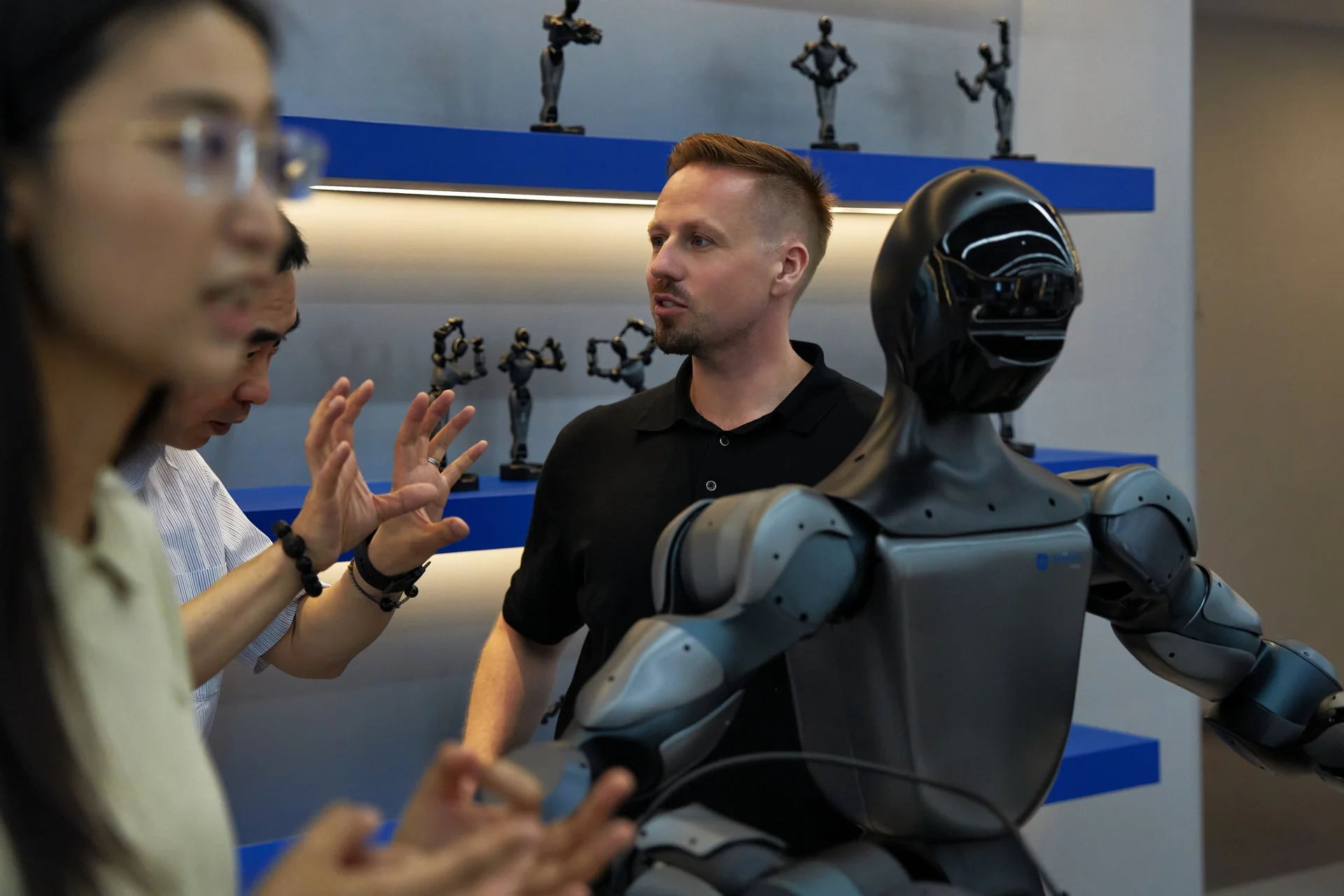
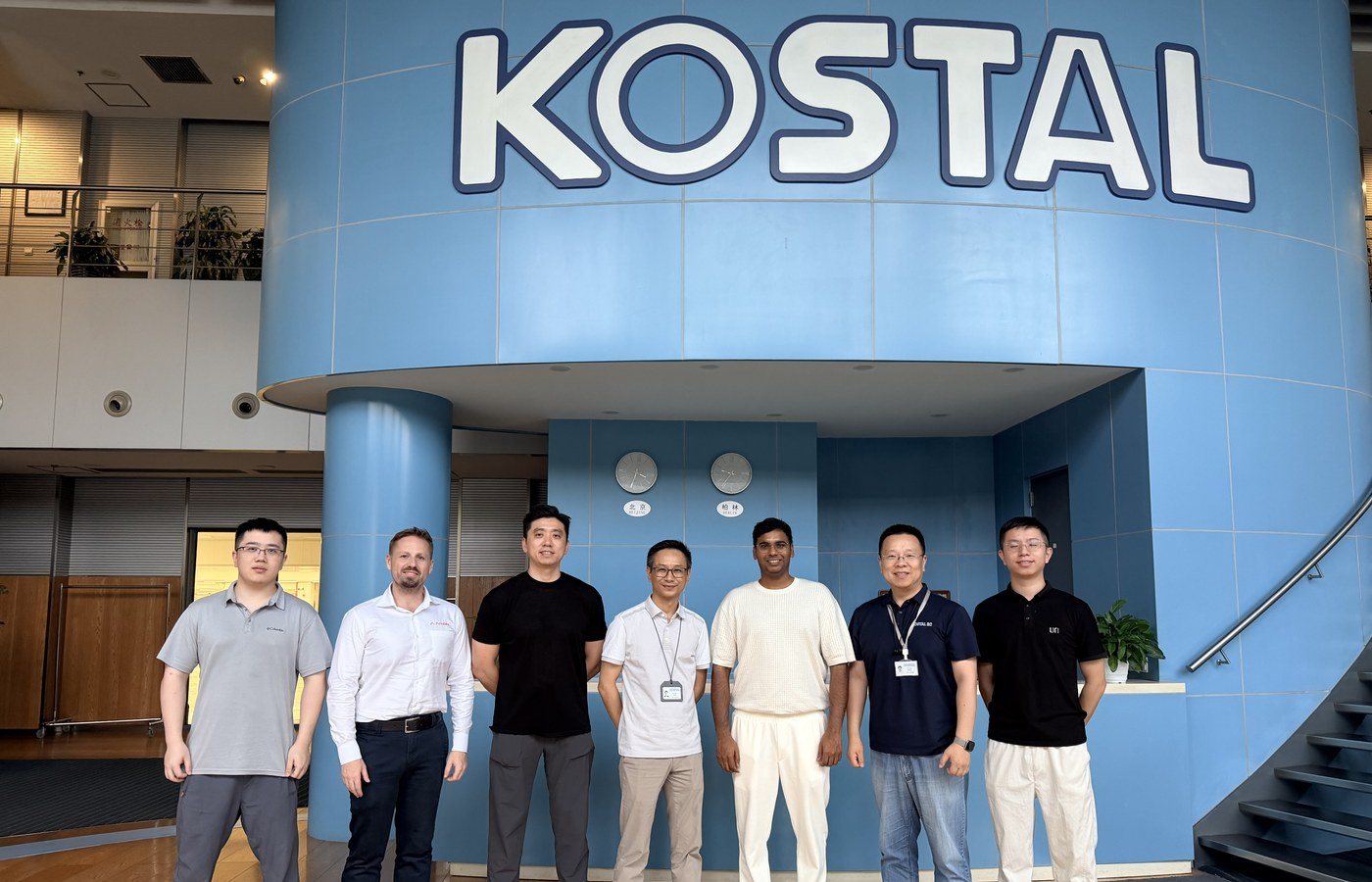
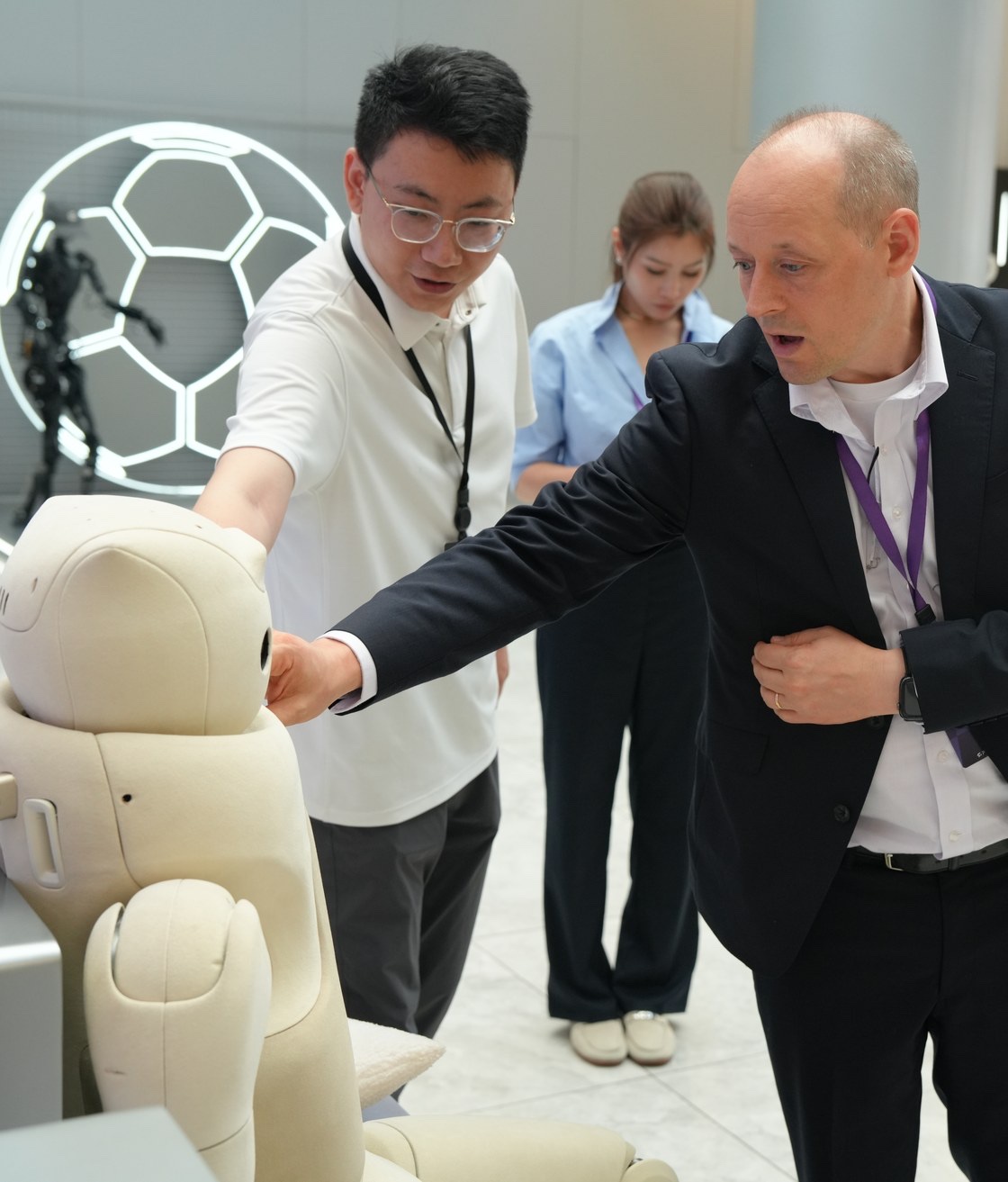
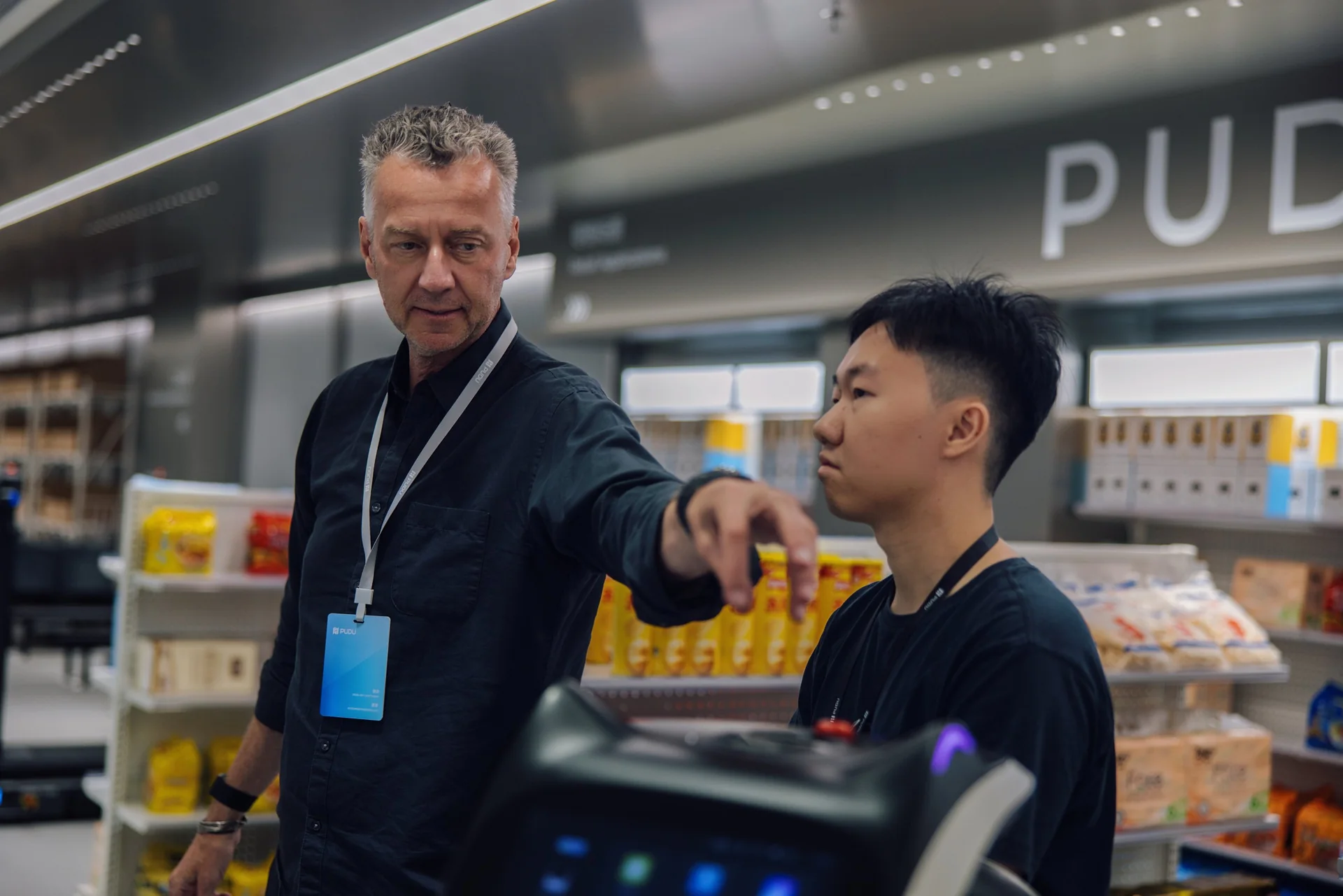
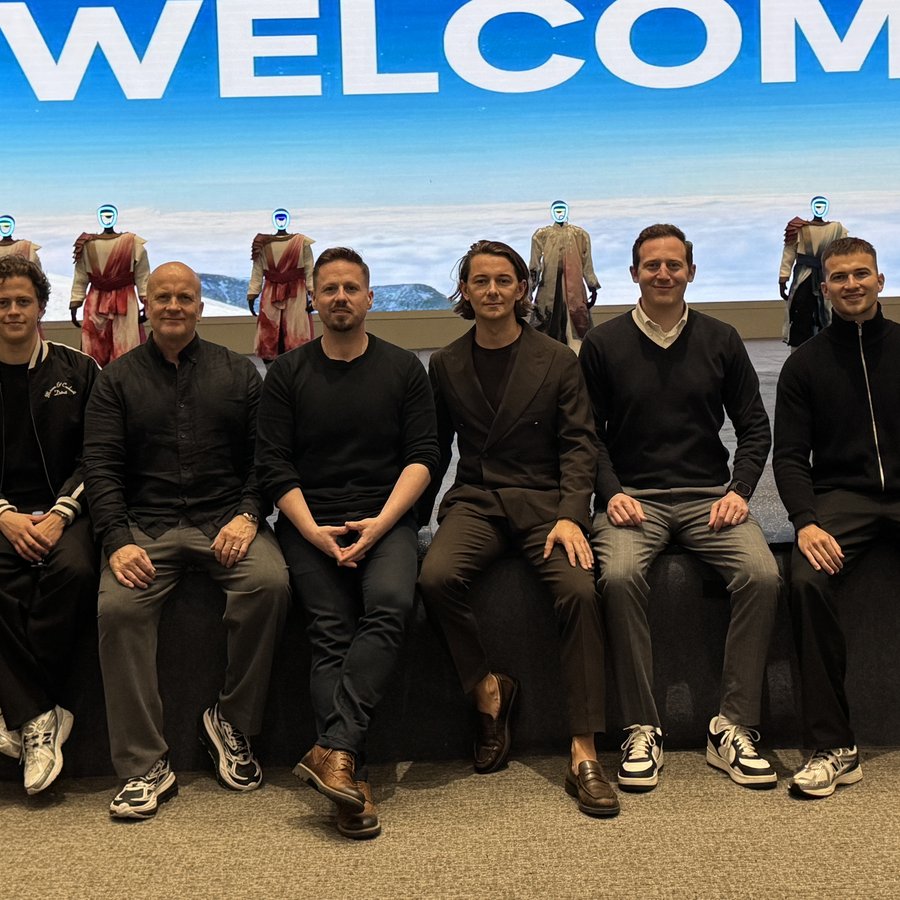
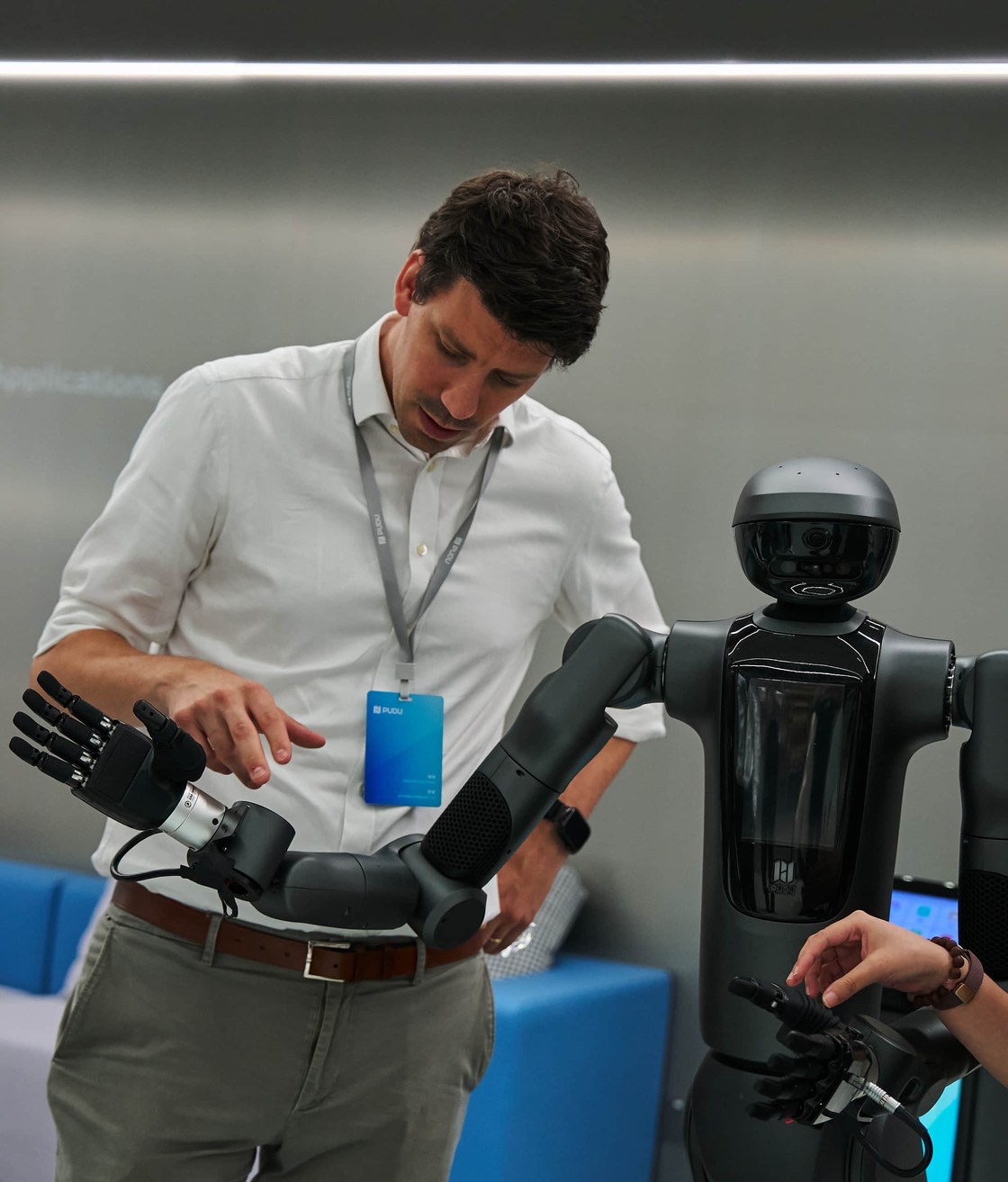
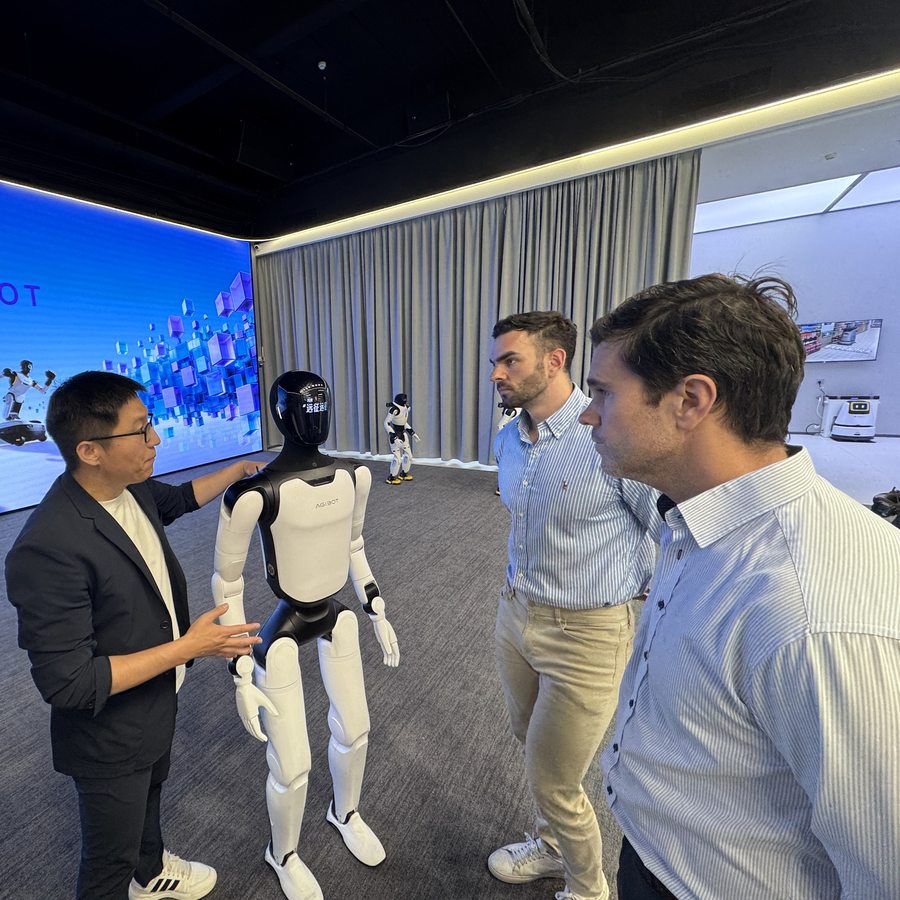
The Asiabits Robotics Expedition
Visit Unitree, UBTECH, Astribot, and more. Meet the founders. Walk the factory floors. No slides, no theory -- just reality.
The Trip
5 days across China's leading robotics hubs.
Timeline
Factory visits, dinner and live sessions.
Insights
Exclusive briefings you won't find in the news
Podcasts
Hear from some of the best minds in the industry.
Community Access
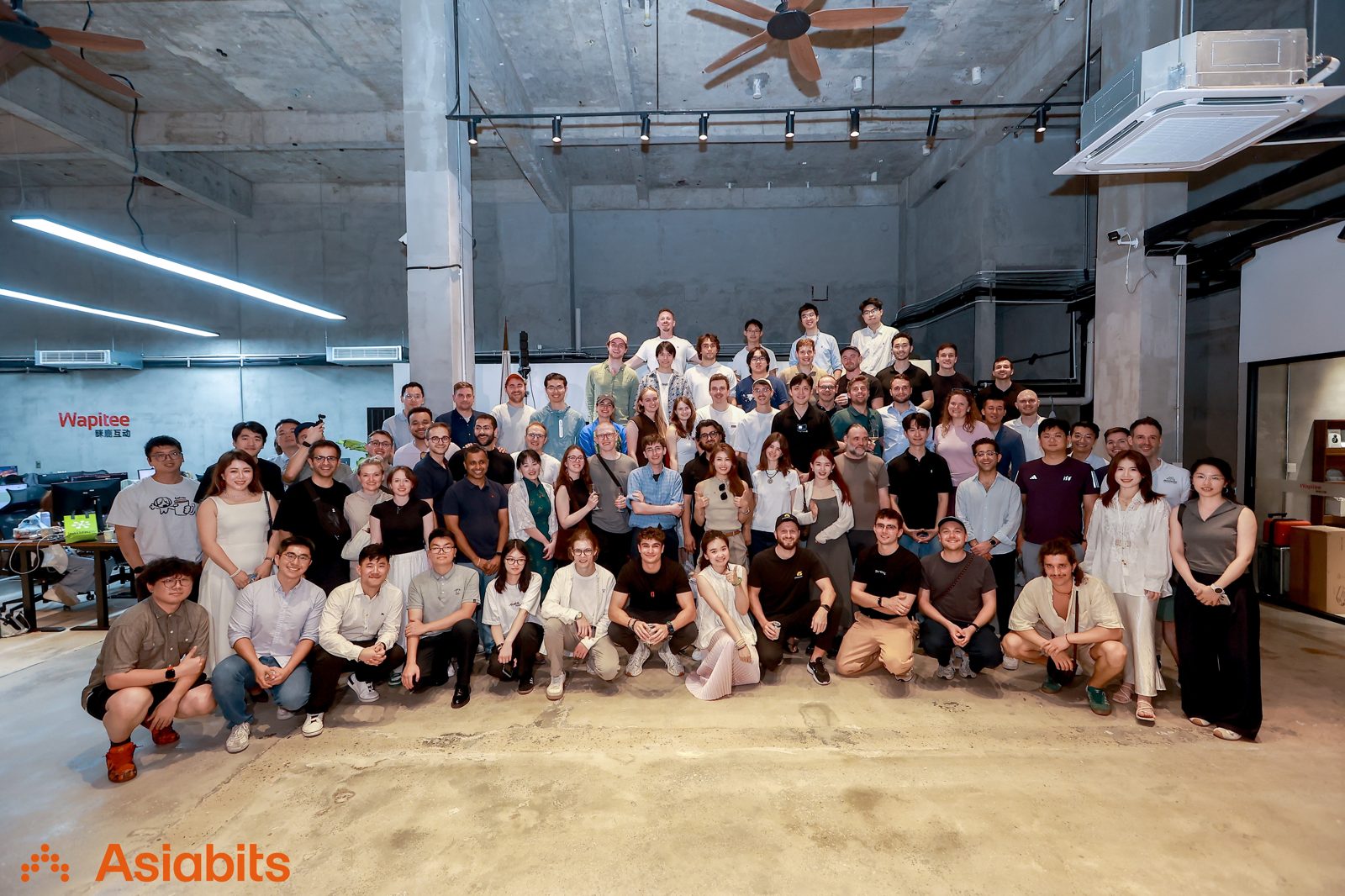
10-15 only. C-level, investors, and founders.
Trusted by
18k+
business professionals
On the Ground
in Shanghai
We don't report about Asia from London or New York. We live here. We speak the language. We know the people.
Get in Touch →

Don't Miss Tomorrow's
Asia Insights
Join 18,000+ professionals who start their day with Asiabits. Free, every weekday, straight from Shanghai.