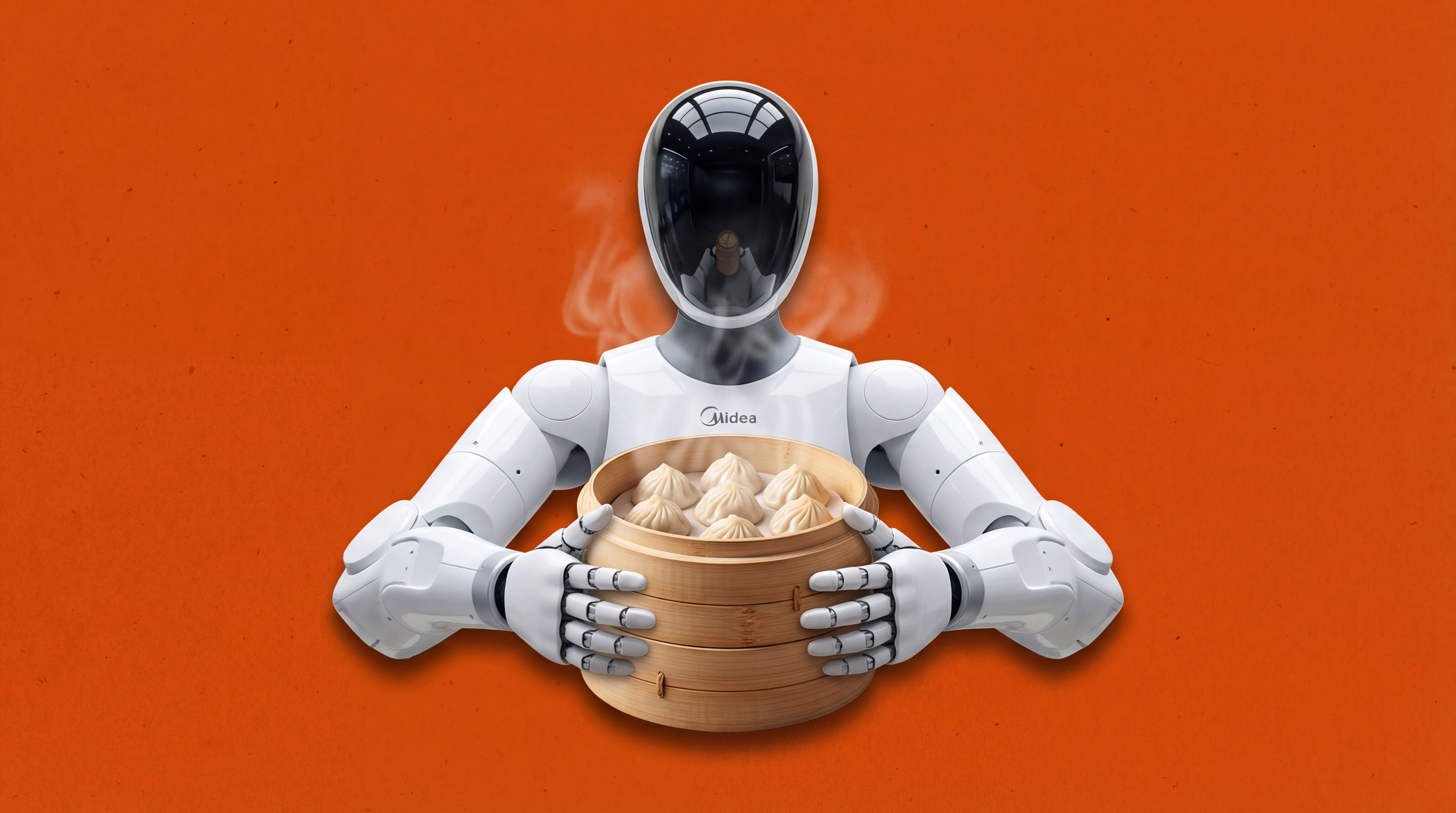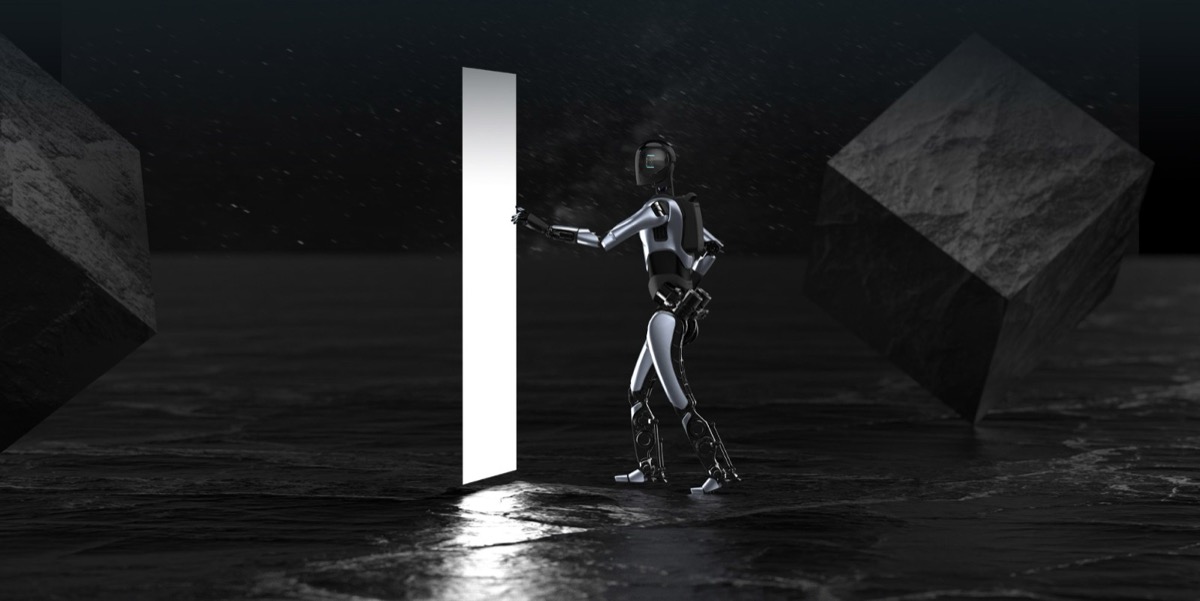
In Nanchang, China, humanoid robots now assemble tablets around the clock. AGIBOT and Longcheer Technology, one of the world's largest ODMs for consumer electronics, have deployed G2 humanoid robots on a full production line. The setup runs 24/7 with zero human intervention.
The numbers
Cycle time: 19 to 20 seconds per unit. Output: 310 units per hour. Success rate: above 99%. The robots have logged over 140 continuous hours so far, with downtime losses below 4%.
Perhaps the most telling detail: integrating the robots into Longcheer's existing factory took 36 hours. Not months of retooling. Not a new facility. Thirty-six hours inside a running plant.
How it works
Each G2 robot uses what AGIBOT calls "Physical AI," processing decisions on-device rather than relying on cloud instructions. That means the robot reacts to what it sees and touches in real time, without waiting for a server response. For repetitive assembly tasks on a production line, local intelligence removes the latency that would slow everything down.
AGIBOT shipped its 10,000th robot last month. The company plans to scale the Longcheer deployment to 100 units by Q3 2026.
Where this fits
Humanoid robots have spent the last three years in demo mode. Walking on stage, shaking hands with executives, doing choreographed warehouse tasks for YouTube clips. AGIBOT's deployment is different because the output is measurable: real products, real throughput, real error rates.
Dr. Yao Maoqing, AGIBOT's founder, put it plainly: "2026 marks the beginning of large-scale deployment for embodied intelligence."
Whether that holds depends on how fast other factories adopt. But 310 tablets per hour with a 99% success rate is a hard number to argue with.
Sources: Humanoids Daily, AGIBOT
Get These Insights Every Monday
Join 18,000+ professionals reading Asiabits. Free, every Monday, straight from Shanghai.
Subscribe Free →