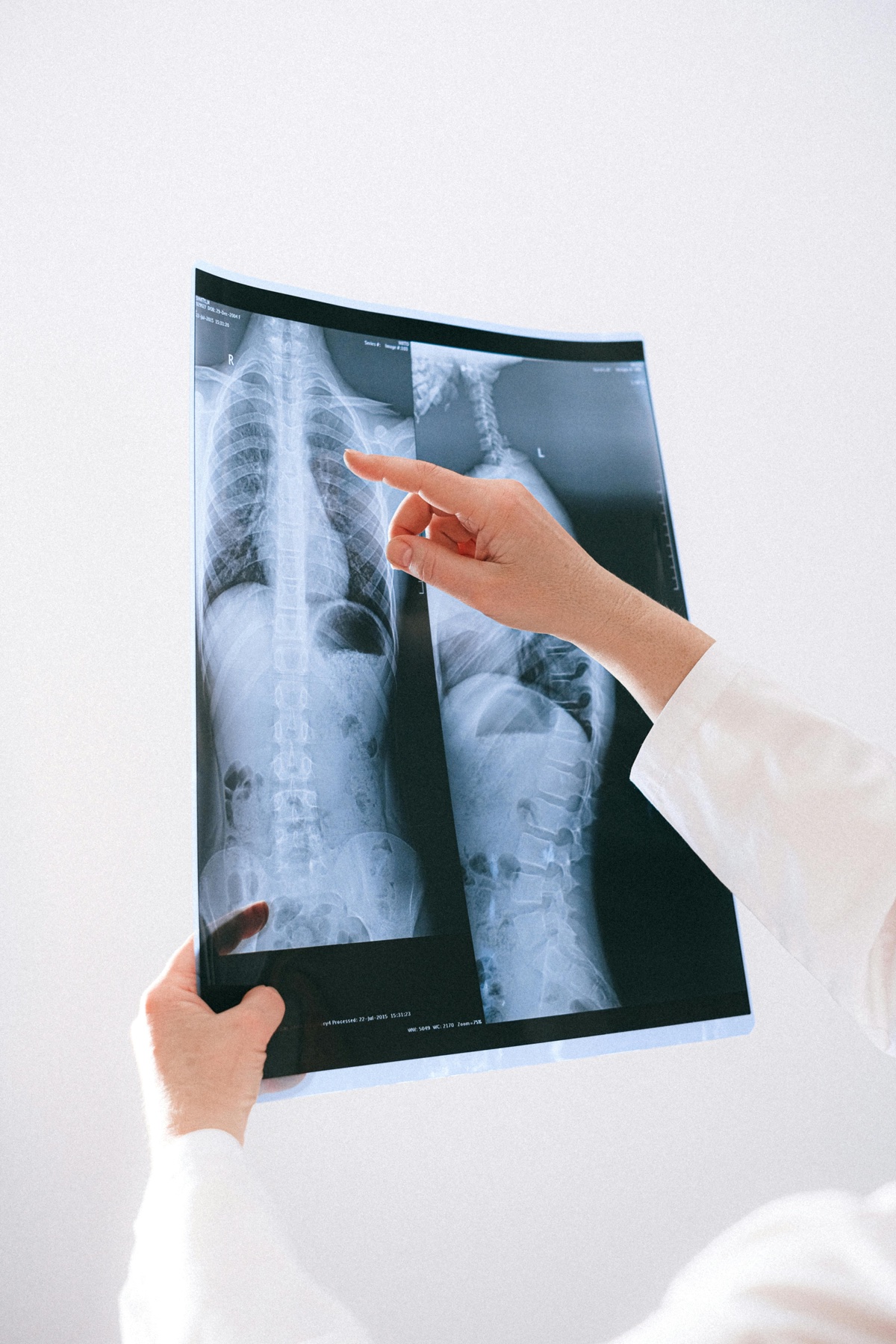
China's Alibaba has released an AI model that its research arm Damo Academy claims is more sensitive than radiologists at spotting early-stage colorectal cancer from CT scans, the latest sign that Chinese hyperscalers are building deeper into healthcare AI.
The model is called Coca. In a peer-reviewed paper published last week in the Annals of Oncology, Damo Academy reported that Coca correctly flagged five previously missed colorectal cancer cases in a cohort of more than 27,000 patients. Sensitivity hit 86.6%, specificity 99.8%.
What the test actually showed
Coca outperformed a group of 10 radiologists with varying levels of experience by 20.4% on sensitivity, the metric that measures how reliably a system identifies people who actually have the disease.
Sensitivity matters because the alternative diagnostic methods, colonoscopy and CT colonography, are invasive and uncomfortable, which is why screening compliance in the broader population is poor. A non-invasive CT-based pre-screen that does not miss disease changes that economics.
Coca was developed by Damo Academy in collaboration with Chinese institutions including Guangdong General Hospital, the paper specifies.
Why Alibaba keeps doubling down on healthcare AI
Damo Academy has been pushing into medical-imaging AI for years, with a particular focus on cancer detection. The new release fits a pattern: target diagnostic problems where the bottleneck is not data but interpretation, and where the productivity case is direct (one model can do the work of multiple radiologists at scale).
The same logic explains why Tencent and Baidu are building parallel medical-AI tracks, and why Beijing's industrial policy treats medical AI as one of the priority application sectors for domestic compute.
The wider picture
China's hospital system handles enormous volumes (Guangdong General alone runs millions of patient visits per year) and is structurally short on senior radiologists. AI models trained on that scale of imaging data have a structural advantage over Western peers working with smaller, more siloed datasets.
Coca is not yet a regulated diagnostic device. The Annals of Oncology publication is a research result, not market clearance. But it shifts the conversation from "can Chinese hyperscalers reach frontier AI" to "in which verticals will Chinese hyperscalers ship product first." Healthcare imaging is now firmly on that list.
Sources: SCMP, Annals of Oncology
Sources: SCMP, Annals of Oncology
Get These Insights Every Morning
Join 18,000+ professionals who start their day with Asiabits. Free, every weekday, straight from Shanghai.
Subscribe Free →