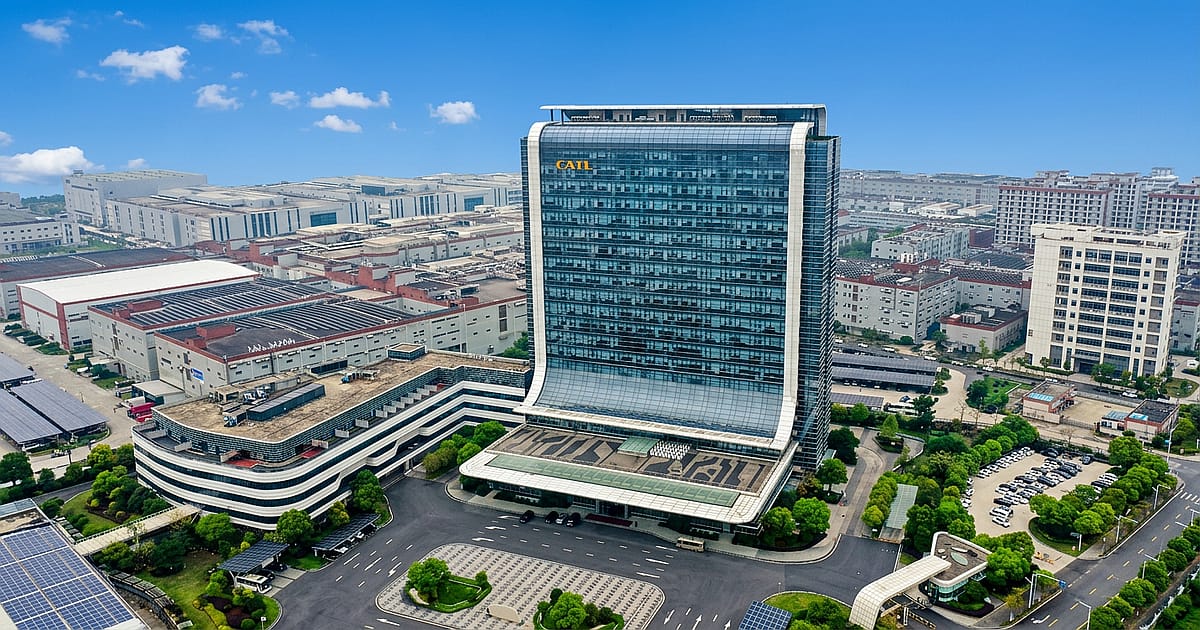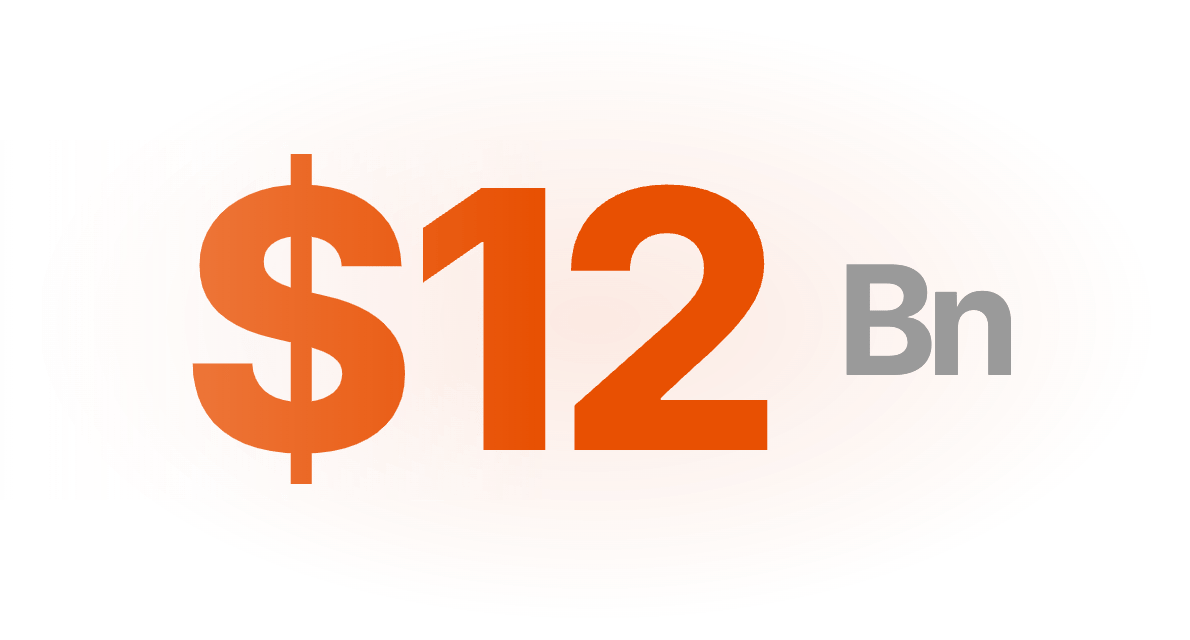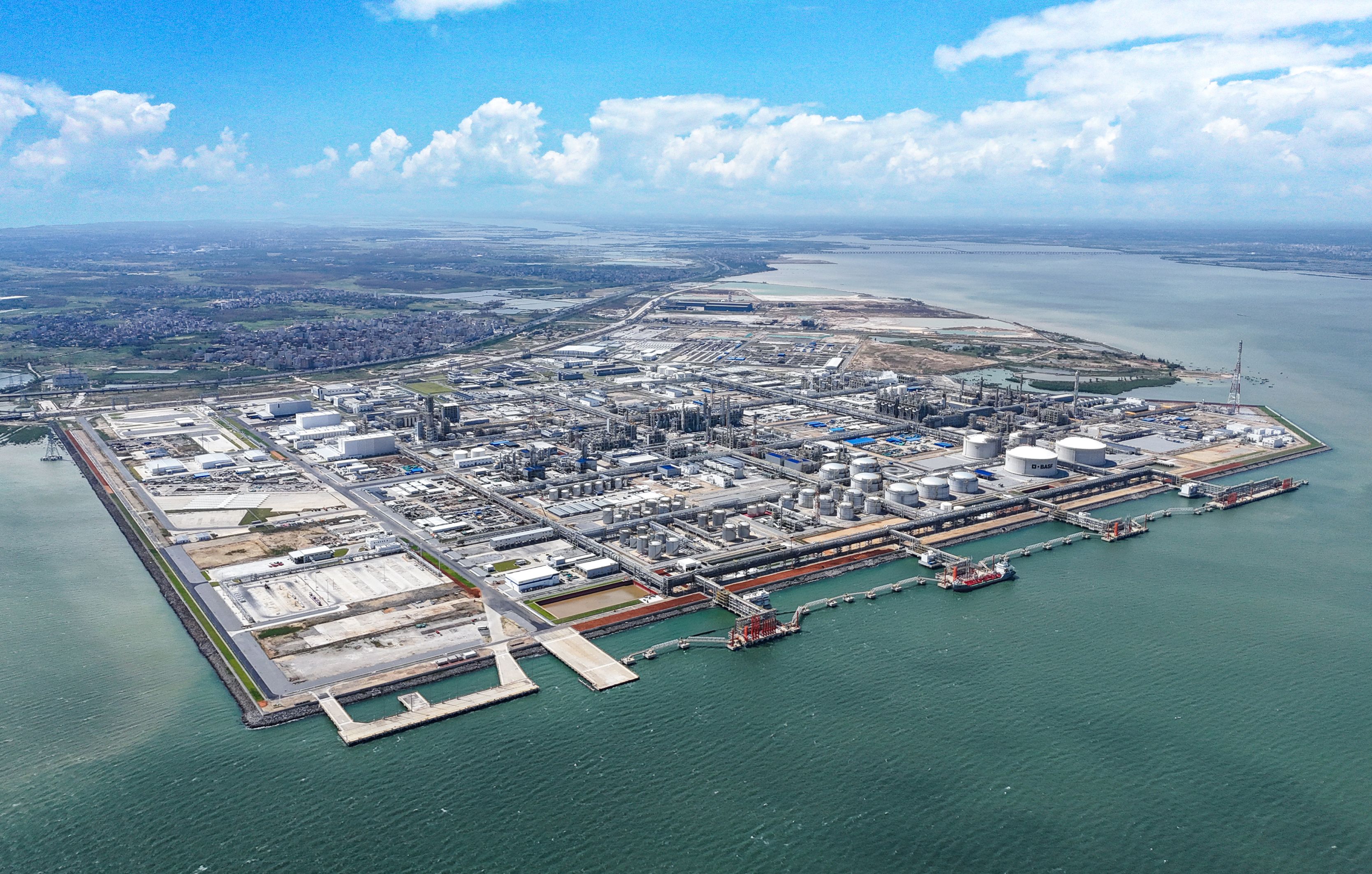
Chemical giant BASF has officially opened its new Verbund site in Zhanjiang, southern China. At roughly 8.7 billion euros ($10.4 billion), it is the largest single project in the company's 160-year history.
The details
The site covers four square kilometers in Guangdong province, making it BASF's third-largest Verbund globally after Ludwigshafen and Antwerp.
At its core: a steam cracker with 1 million metric tons of ethylene capacity per year, operational since January 2026. It is the first cracker worldwide to run its main compressors on 100% renewable electricity.
Several downstream plants are already running: ethylene oxide, ethylene glycol, polyethylene. First production started in November 2025, months before today's official ceremony. 2,000 employees work at the site.
Revenue target by 2030: up to 1.2 billion euros from the Zhanjiang site alone.
Why Southern China:
BASF currently generates only 13% of its global revenue in China, despite the country accounting for over 50% of worldwide chemical demand. Between 2024 and 2035, BASF expects 75% of global chemical market growth to come from China.
Asia board member Stephan Kothrade calls the company's China share simply "too low."
The bet behind it
Back in Ludwigshafen, BASF is simultaneously cutting billions in costs and slashing jobs. In Zhanjiang, the company is making the largest single-site investment in its history.
The contrast is deliberate: BASF is shifting its growth focus to Asia.
The company is knowingly accepting the geopolitical uncertainties that come with it. Whether the 8.7 billion euro bet pays off depends less on the technology in Zhanjiang and more on whether China actually delivers 75% of global chemical growth over the coming decade.
Sources: Handelsblatt, Der Aktionär, Chemie.de
Get These Insights Every Monday
Join 18,000+ professionals who stay ahead with Asiabits. Every Monday, straight from Shanghai.
Subscribe Free →