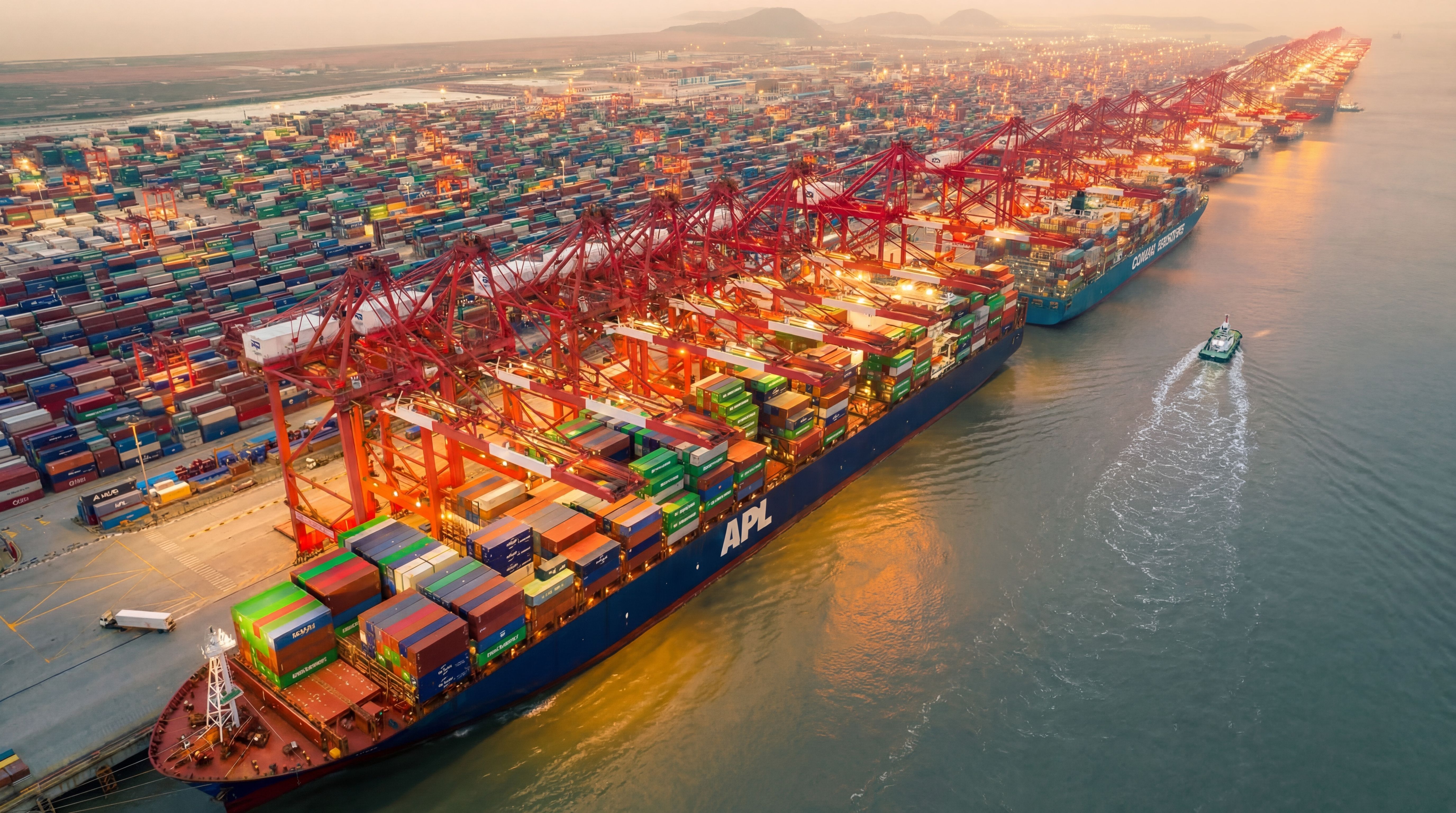
China's March exports grew just 2.5% year on year, the weakest reading in five months and below analyst forecasts. Imports told the opposite story: +27.8%, the strongest since November 2021.
Trade surplus: $51.13 billion.
The Details
The export slowdown comes as the Iran conflict adds fresh uncertainty to global supply chains, particularly for AI-driven tech goods and energy logistics. War in the Middle East tends to disrupt two things simultaneously: shipping lanes and commodity prices. Both matter for China's export machine.
On the energy side, natural gas imports fell 10.7% and crude oil imports dropped 2.8%. Refined oil exports, however, jumped 20.5% month on month. China's refineries are processing more crude domestically and shipping the finished product.
South Korea tells an interesting subplot. Korean exports to China surged 62.4% in March, driven almost entirely by semiconductors. The chip cycle is running hot between these two economies even as broader trade patterns cool.
The energy math
The energy trade paints a split picture. China is buying less raw fuel but exporting more refined product. That is a conscious strategy: move up the value chain, sell gasoline and diesel instead of importing it. With Middle Eastern supply routes under pressure from the Iran conflict, domestic refining capacity becomes a strategic asset.
Trump's planned visit
President Trump is expected to visit China in May for a meeting with Xi Jinping. Analysts anticipate deals around agricultural goods and aircraft parts. Movement on Taiwan or structural trade issues is not expected.
The import surge deserves scrutiny. A 28% jump rarely comes from organic demand alone. Front-loading before anticipated tariff hikes, commodity restocking, and base effects from a weak March 2025 all likely contribute. The export number is harder to explain away. A five-month low while global demand for Chinese electronics remains strong suggests friction is building somewhere in the pipeline, whether from logistics disruptions, shifting orders, or both.
Sources: Reuters, Bloomberg
Get These Insights Every Morning
Join 18,000+ professionals who start their day with Asiabits. Free, every weekday, straight from Shanghai.
Subscribe Free →