South Korea's President Lee Jae Myung ordered something on Monday that hasn't happened since the 1990s: a state price cap on gasoline and diesel.
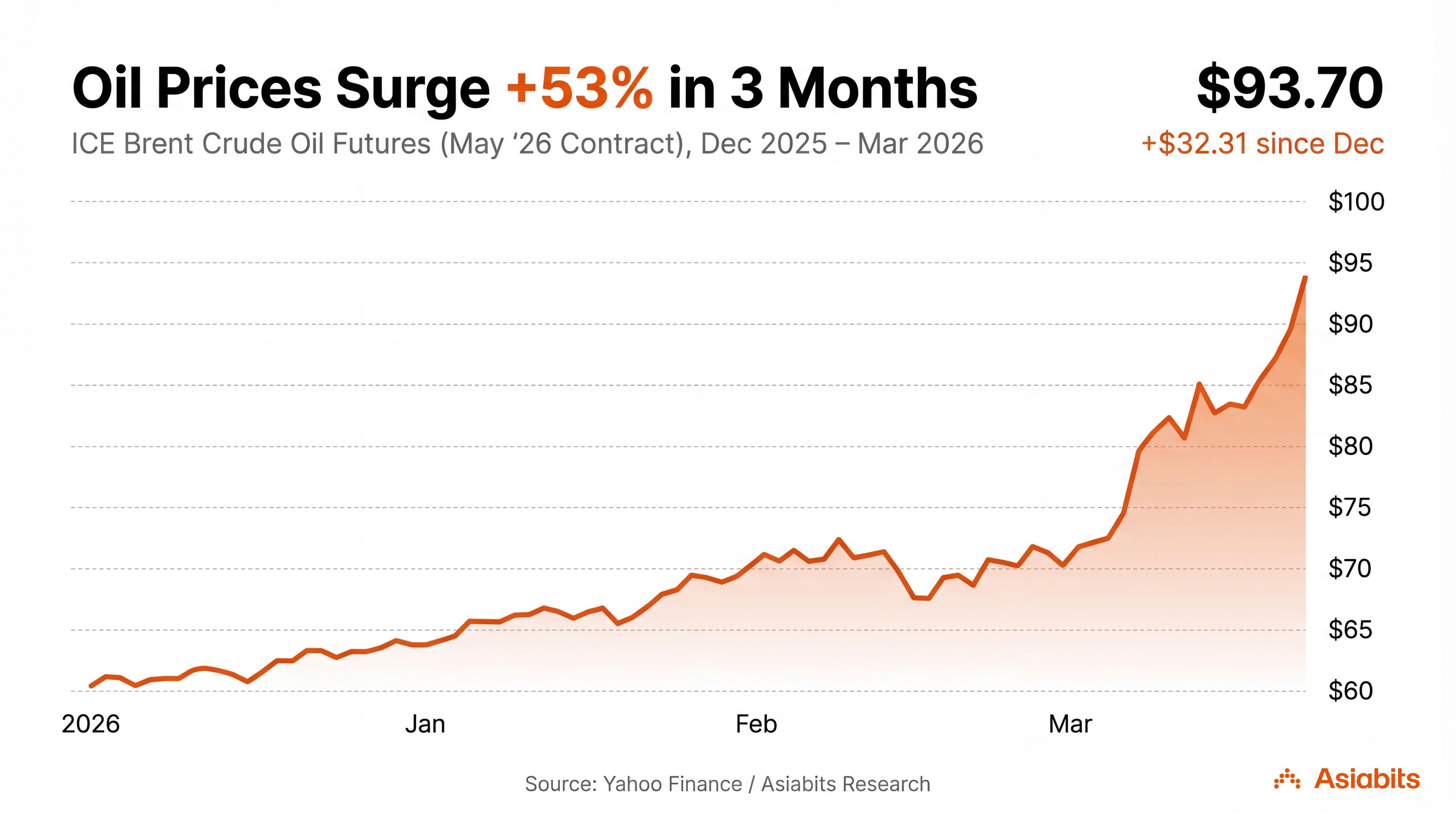
The reason: The Iran crisis has driven the oil price to over $118 per barrel, and South Korea sources around 70% of its crude oil from the Middle East.
The price shock
The government will implement a system of maximum prices for petroleum products to protect the domestic economy from the energy shock.
"The crisis is a significant burden on our economy, which is heavily dependent on global trade and energy imports from the Middle East."
South Korea's President LeeAll of Asia suffers
Country | Measure | Strategic focus |
|---|---|---|
South Korea | Fuel price cap | Dampening inflation & market stability. |
Philippines | 4-day work week | Reducing energy consumption among civil servants by 10–20%. |
Vietnam | Zero tariffs on imports | Elimination of all fuel tariffs until end of April. |
Japan | Reserve release | Preparation to use reserves (254 days of consumption). |
China as relative winner?
While South Korea and Japan are extremely vulnerable, China (although the largest importer) is better buffered.
Beijing has massively hoarded crude oil over the past year and has greater capacity to substitute oil with coal or natural gas. The crisis could thus paradoxically strengthen Beijing in the regional power balance vis-à-vis its rivals.
Sources: CNBC, The Globe and Mail
Get These Insights Every Morning
Join 18,000+ professionals who start their day with Asiabits. Free, every weekday, straight from Shanghai.
Subscribe Free →