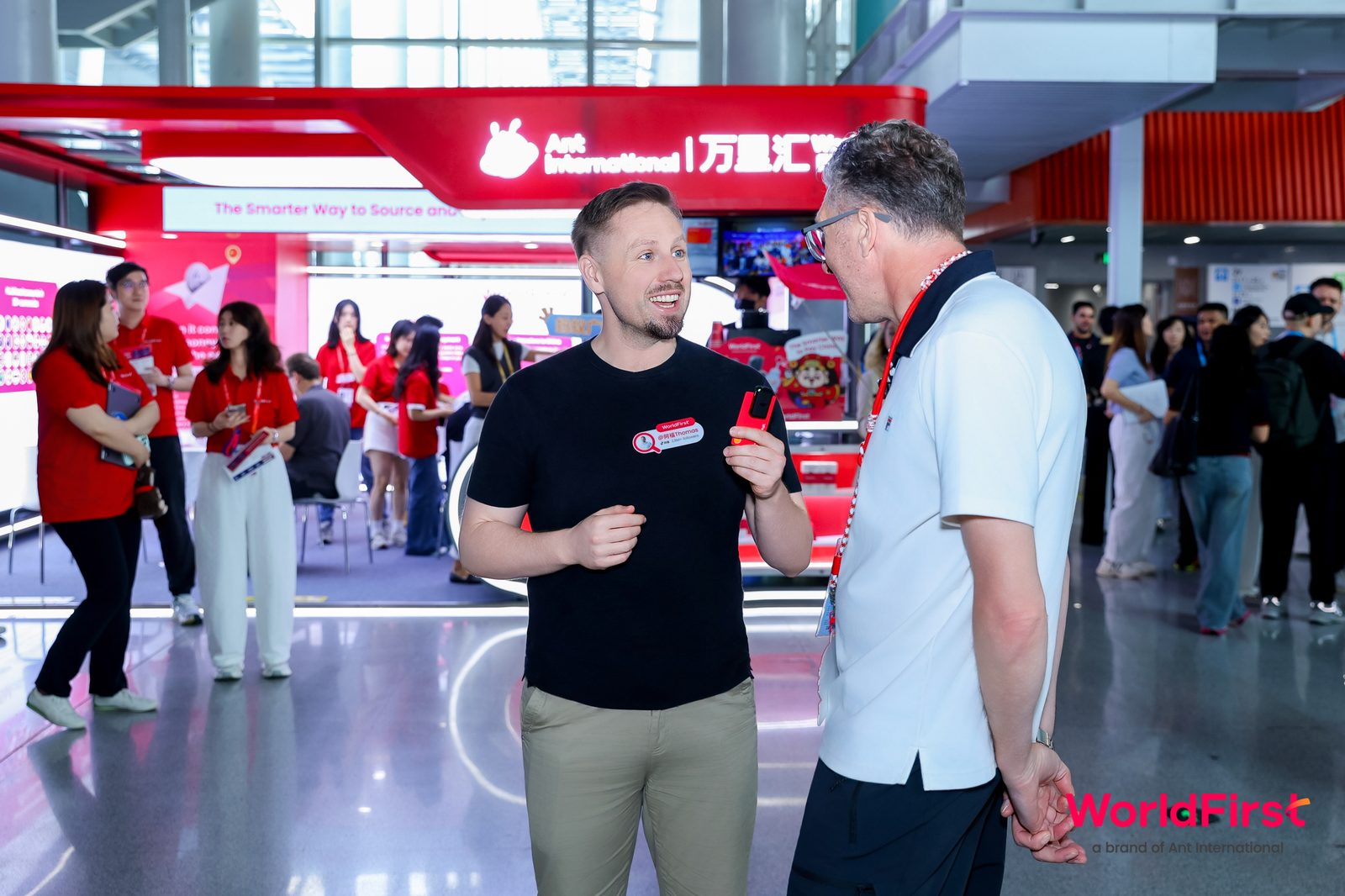
The 139th China Import and Export Fair opened in Pazhou, the exhibition complex south of Guangzhou, on April 15, 2026. By the time Phase 1 closed five days later, around 32,000 exhibitors had shown their products to over 210,000 pre-registered buyers from 200+ countries, across 1.55 million square meters of halls and 75,700 booths.
We spent a day on the floor during Phase 1. The fair is split into three phases by category — Phase 1 covers electronics, machinery, vehicles, and new energy; Phase 2 covers consumer goods and home decor; Phase 3 covers textiles, medical, and food. Western buyers know this part. They book the right week.
What we watched in our day on the floor was a different pattern. The Western executives at Canton Fair were in the right halls, looking at the right products, and most of them were still going to fly home without the supplier relationships they came for. Three reasons came up over and over.
What Canton Fair 2026 looks like
Pazhou is bigger than most airports. The complex covers 1.55 million square meters across more than ten halls, connected by skybridges and shuttle lanes. Each hall is the size of a Costco. Walking into one feels like walking into an arrivals terminal. There are ATMs every hundred meters, a metro station at the south entrance, and food courts on every level.
Around half the buyers we saw were from Africa, the Middle East, South Asia, and Latin America. The Western contingent — Germans, French, Americans, Italians, Brits — was a clear minority, and most of them were repeat visitors who knew exactly which halls they wanted.
That mix matters. The Global South already treats Canton Fair as its main sourcing window. The West treats it as optional. The companies that close the most orders here are the ones whose buyers come back twice a year and run the floor like a routine.
What is actually new in 2026
Three things in particular stood out compared to past editions.
The robotics zone grew significantly. In recent editions, robotics had been a side category — a handful of industrial arms and AGV demos in the machinery section. In 2026 there were full humanoid robot demos walking around aisles in their own dedicated area, a dozen brands of quadrupeds, plus the first wave of household-format service robots. The pace at which Chinese robotics companies are now competing for export buyers is something Western importers should not ignore.
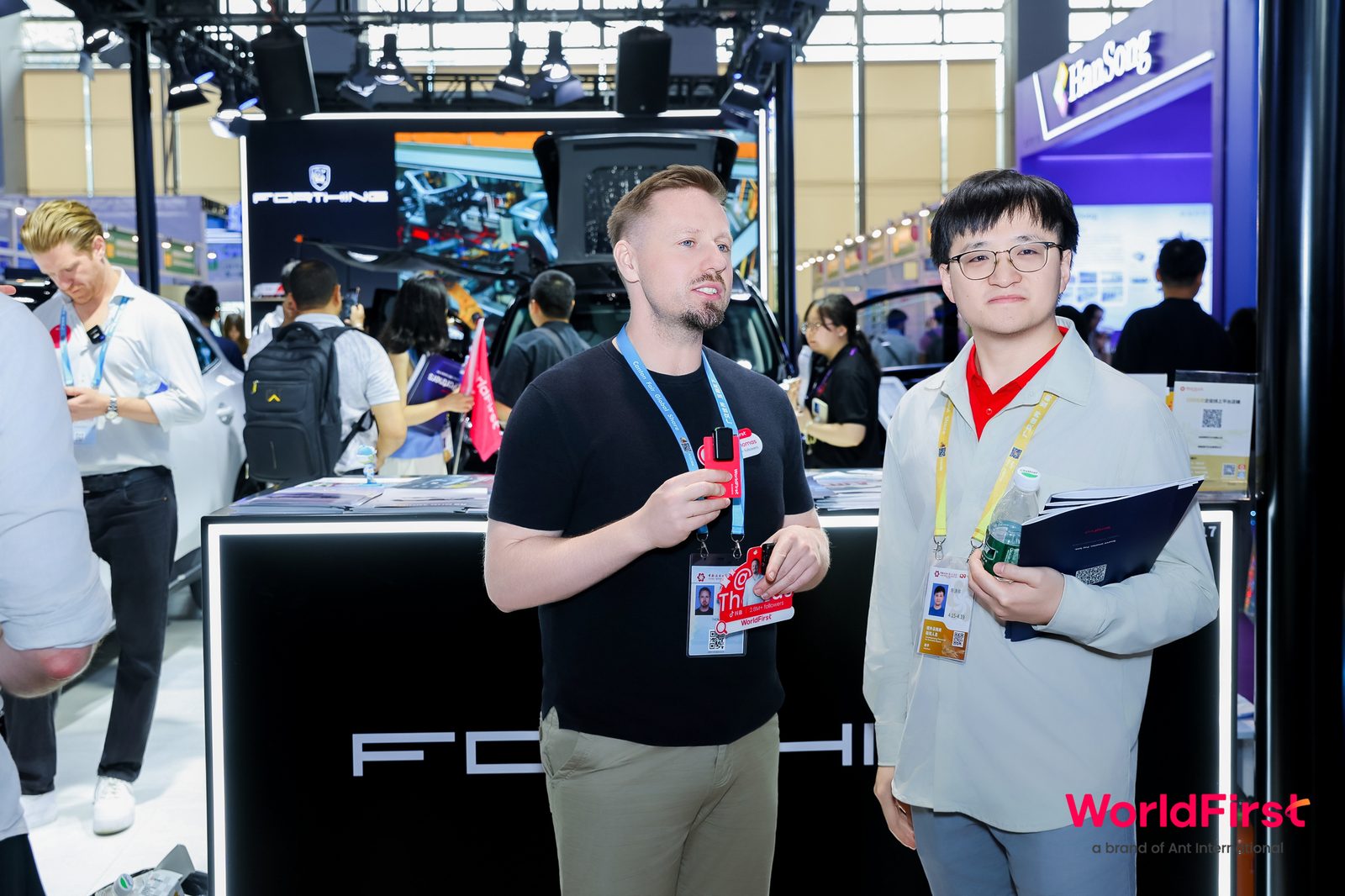
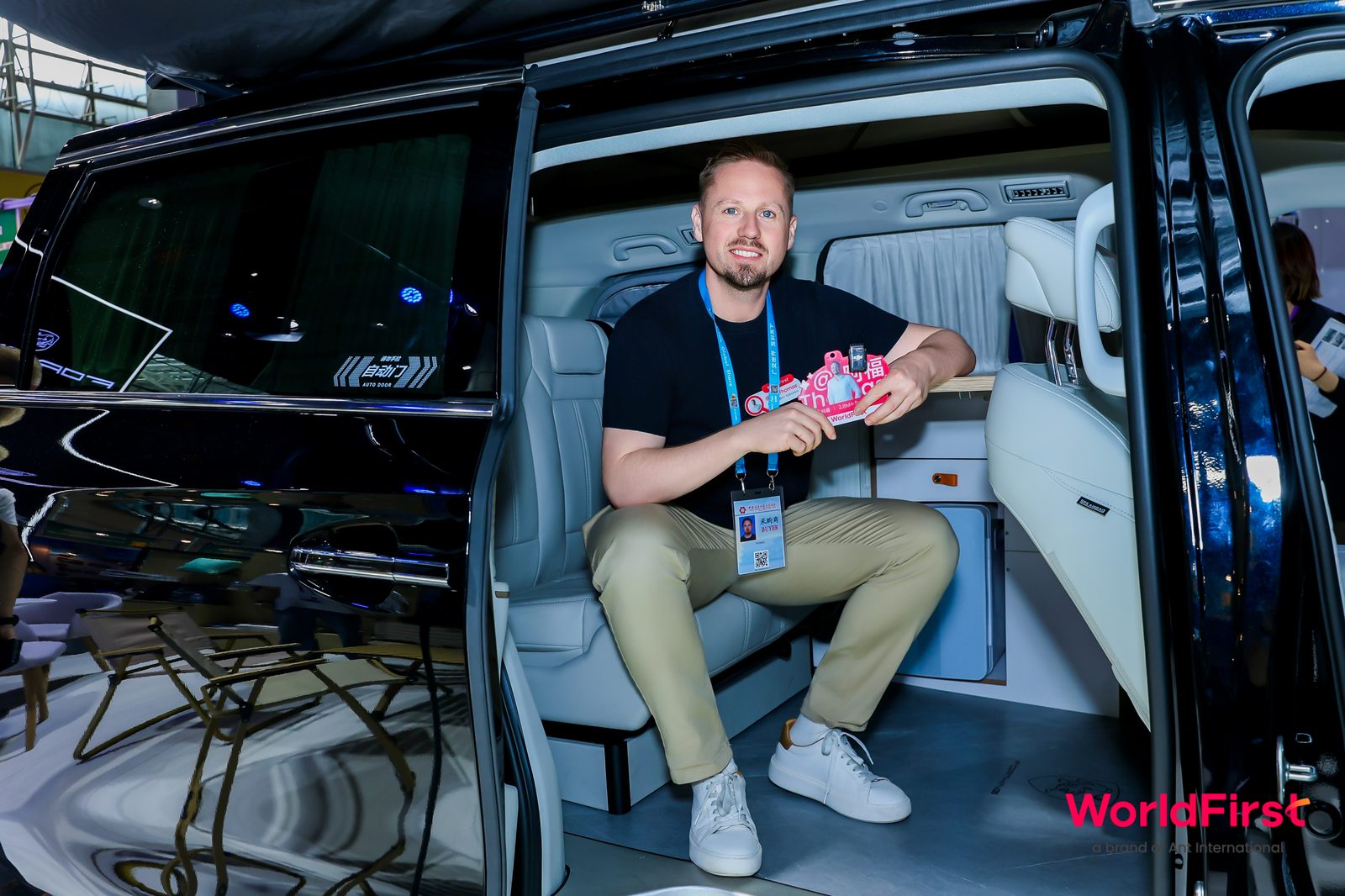
The EV pavilion was bigger than anyone expected. Beyond BYD, Geely, and Chery, there were dozens of new Chinese EV brands most Western buyers had never heard of, plus several premium MPV makers showing cabin interiors that looked closer to a private jet than a car. We spent twenty minutes inside one of those cabins testing the seat massage.
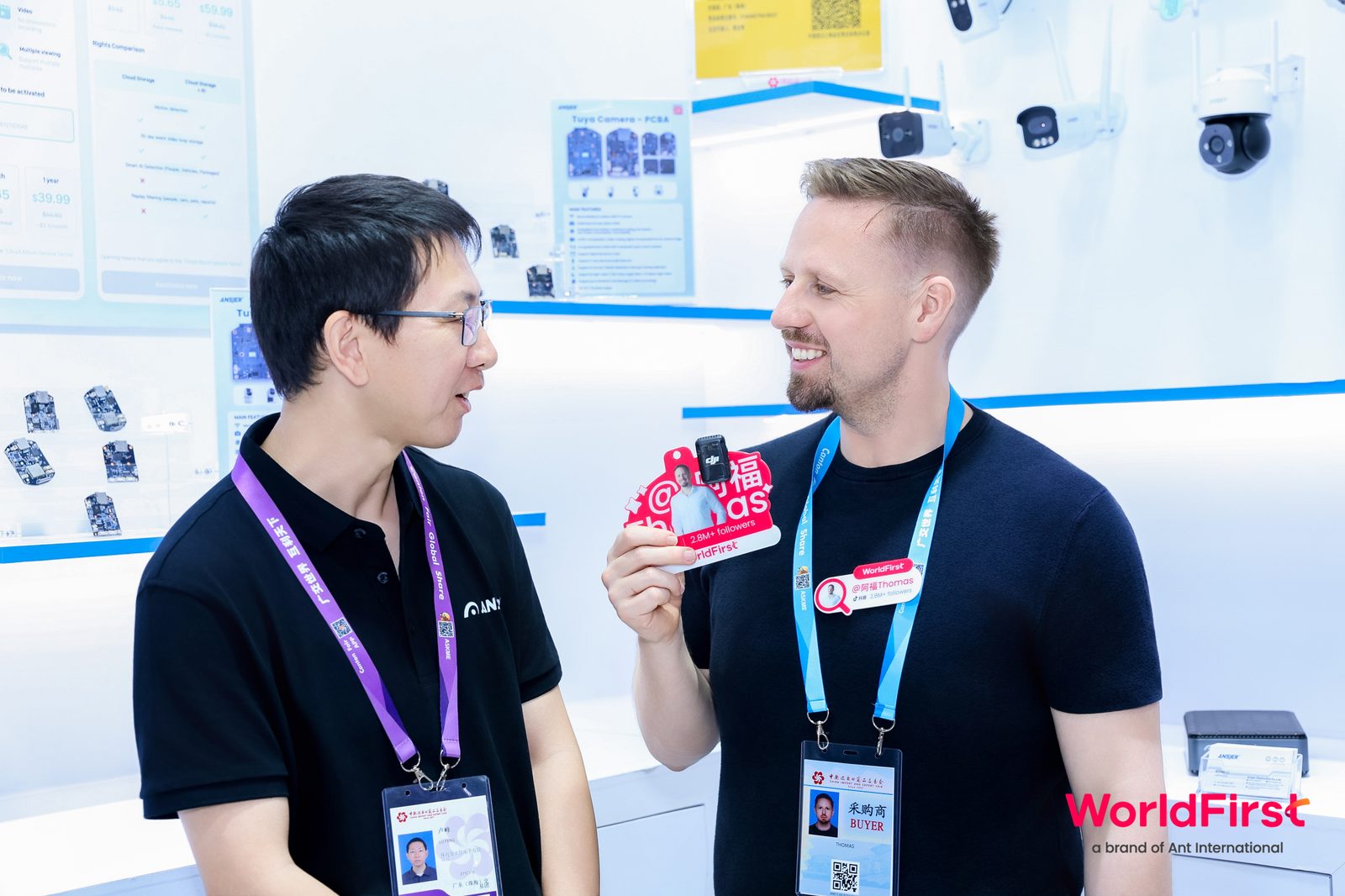
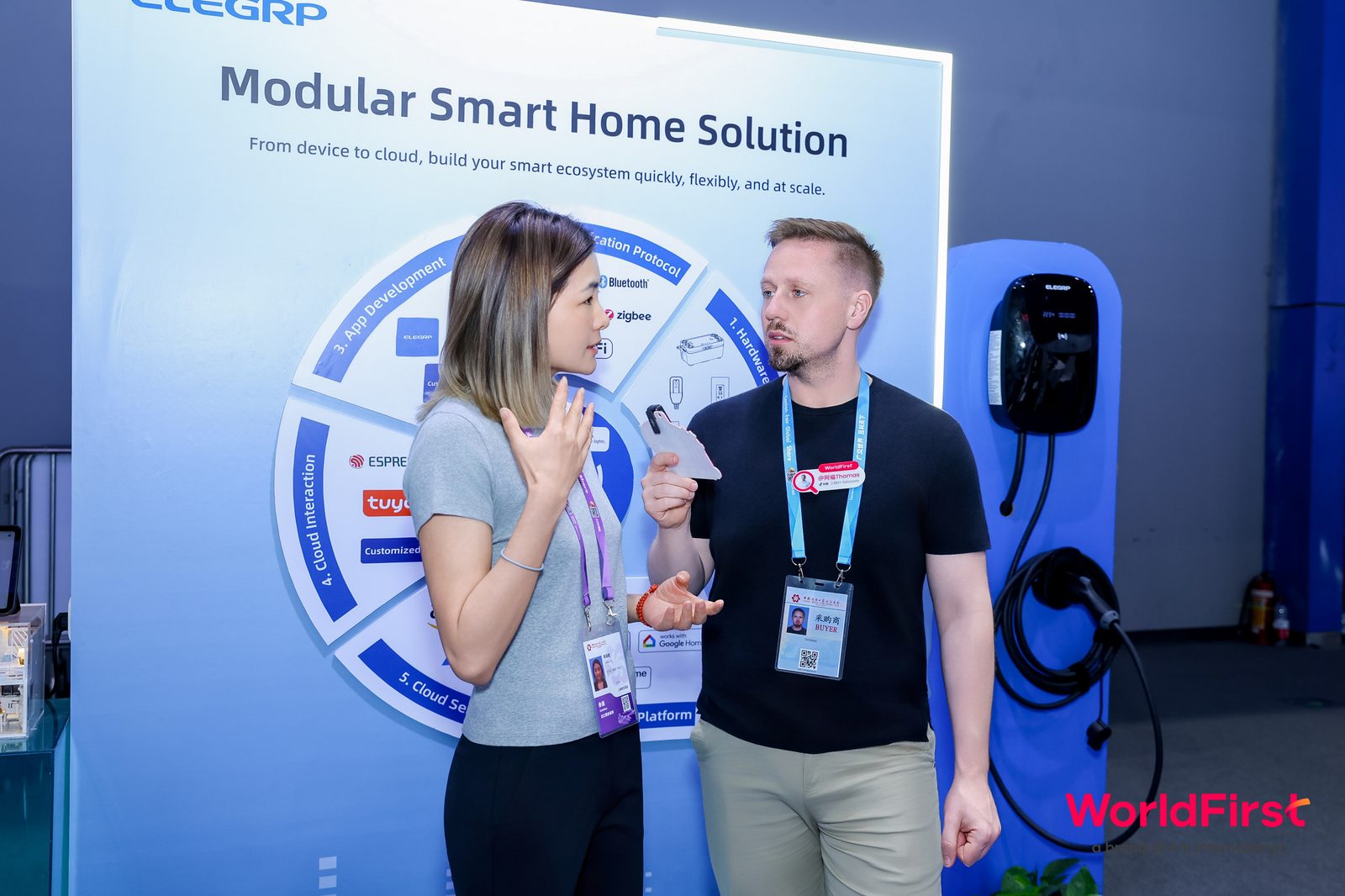
Smart home and IoT had its own pavilion in Phase 1. We spent time at Tuya's booth — a full wall of cameras, smart locks, and PCBAs running on the same cloud platform. Tuya is the company behind dozens of consumer security and smart-home brands you can buy on Amazon Europe or Walmart US, even when the box says something else. Their booth in 2026 is a useful preview of what the consumer-IoT shelves will look like in 2027.
Three things Western buyers consistently get wrong
One day on the floor was enough to see the same patterns over and over. Three of them stood out.
1. They talk to the salesperson, not the engineer
At a typical Chinese supplier's booth, the people standing at the front in matching polos are the sales team. They speak the most English, they hand out catalogues, they walk you through the public price list. Behind them, often sitting at a small table working on laptops, are the actual product engineers.
The salesperson can quote you the listed price. The engineer can answer the question that matters: what is the lead time during Chinese New Year, can you change the battery chemistry, how fast can you iterate on a custom mold. Different conversations, different people. Ask for the engineer at the booth. They will come over.
2. They follow up via email instead of WeChat
Western buyers default to email. They take a business card, fly home, and a week later send a polite "It was nice meeting you, please find attached our specifications." By the time that message lands, the supplier has met 200 other buyers and the email is one line in a long queue.
The Chinese standard is WeChat. Scan the supplier's QR code while you are still standing at the booth. Send a short, specific message within 48 hours referencing the products you discussed, ideally with a photo of the booth. Many of the best Chinese suppliers do not check generic email accounts at all. WeChat is where the actual deal lives.
3. They overcomplicate the payment side
Most Western buyers we talked to had no clear plan for how they were going to actually pay a Chinese supplier they had just met. The default was "we'll wire it from our bank when we're ready to order." That sounds simple at the booth. By the time the supplier asks for a 30% deposit two weeks later, the buyer's accounting team is asking for a USD invoice, the supplier's bank wants the wire in RMB, somebody loses 2-3% on the FX spread, the wire takes four working days, and the delivery date the supplier quoted in week six is now week eight.
That delay is where deals fall apart. Chinese suppliers expect their counterparties to move at the same speed as WeChat. The buyers who close deals at Canton Fair walk in already set up: a multi-currency account on the buyer side, RMB settlement on the supplier side. They sign up suppliers within days.
This is one of the reasons we work with WorldFirst. As part of our China Sourcing Map series we needed a payments partner that handles both sides natively. WorldFirst (万里汇) is the international brand of Ant International, the same Ant Group that runs Alipay. The integration with the Chinese supplier ecosystem runs through Ant's own infrastructure. For a Western buyer trying to pay a small Chinese supplier they just met at a booth, that matters more than the FX spread on a single transaction.
Want a guided run through Canton Fair?
We design and operate single-day and multi-day China sourcing tours for executive teams. Pazhou with the right halls, the right introductions, and a payments setup that already works on the supplier side. Twelve years on the ground in China, no tourist filter.
Talk to Us →How to actually run Canton Fair as a Western executive
Five things that make a Canton Fair trip pay off, based on what we have seen.
Pre-brief two weeks out. Pull the official exhibitor list from cantonfair.org.cn and shortlist 15-30 booths before you fly. Without a list you walk randomly and lose half a day.
Bring a Chinese-speaking colleague or a translator if you do not speak the language. The English-speaking salespeople are usually competent enough. The engineers behind them often only speak Chinese. Translation is what gets you to the engineer.
Set up your payments before you fly. Multi-currency account on your end, RMB settlement on the supplier side, infrastructure that does not collapse the moment your accounting team asks for a USD invoice.
Use WeChat for everything. Add suppliers at the booth, message them the same evening, and assume email is dead.
Block one full day after you leave. The most common Canton Fair mistake we see Western executives make is flying home and immediately falling back into their inbox. The good leads die in the first 48 hours. Schedule the followup time before you book the trip.
Where Canton Fair is heading
Canton Fair has been running since 1957. It is older than most of the Chinese tech brands that now dominate it. What changed in 2026 is who is showing up.
Half the Chinese exhibitors we saw were brands the Western media has not yet covered. Half the buyers were from regions Western retail has been ignoring for a decade. The companies that figure out how to operate in this room — at this density, in this language, with these payment rails — will shape the next ten years of consumer hardware imports.
The ones that show up unprepared will keep going home empty-handed.
This article is based on Thomas Derksen's reporting from the 139th Canton Fair, April 2026. The first Guangzhou episode of our China Sourcing Map series, produced in partnership with WorldFirst, is live on Asiabits YouTube. Subscribe to Asiabits for weekly insider intelligence on China tech, robotics, and EVs.
Get These Insights Every Monday
Join 18,000+ executives who start their week with Asiabits. Free, every Monday, straight from Shanghai.
Subscribe Free →