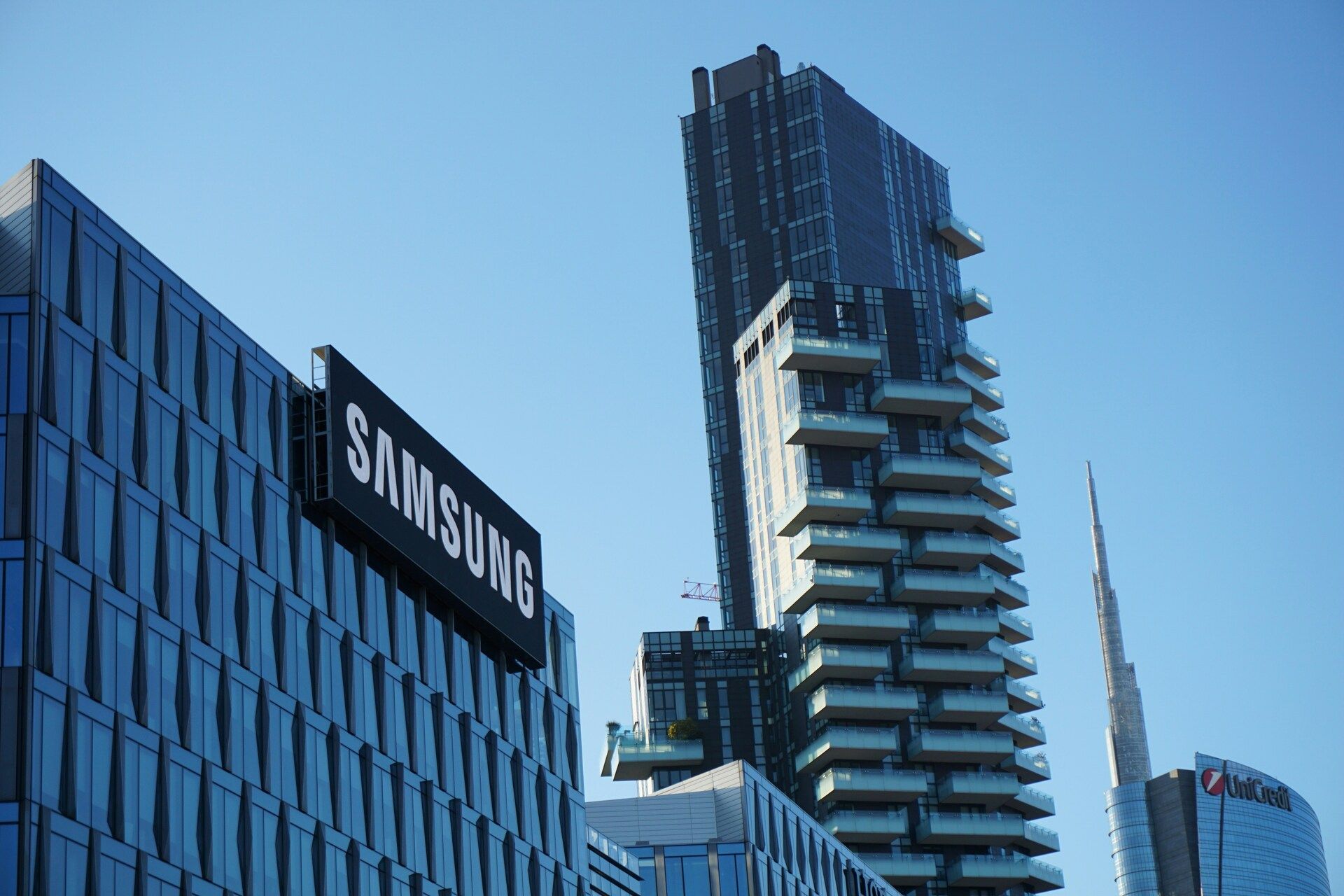
Samsung Electronics reported preliminary first-quarter operating profit of 57.2 trillion won ($37.9 billion), a 755% surge from a year earlier. Revenue reached 133 trillion won, up 68%.
Both numbers are all-time records for the company.
The Details
Twelve months ago, Samsung's chip division was still nursing the wounds of a brutal memory downturn, posting operating profit of just 6.7 trillion won. The turnaround since then has been vertical.
The Device Solutions division, Samsung's semiconductor arm, is responsible for over 90% of the quarterly profit. Analysts estimate DS alone generated between 37 and 48 trillion won.
HBM revenue tripled in Q1, driven by shipments of HBM3E and the next-generation HBM4 to Nvidia, Google and AMD. Samsung began mass production of HBM4 at its Pyeongtaek campus in February, the first chipmaker to ship sixth-generation high-bandwidth memory at scale.
DRAM average selling prices: up 30%+ sequentially. NAND: up roughly 20%. Samsung is planning a 50% expansion of HBM production capacity this year to keep up.
Smartphones and foundry
The Device eXperience division, covering Galaxy phones and home appliances, posted around 3 trillion won in operating profit. That's down from a year ago, when Galaxy S25 launch momentum was stronger. The foundry business took a seasonal revenue hit but is targeting double-digit growth for the full year.
Samsung shares closed at 192,300 won on filing day, up 3.3%. The stock still trades well below the average analyst target of 240,000 won.
The second-place problem
Samsung controls roughly 40% of the global DRAM market, making it the dominant player in traditional memory. But in HBM, the segment where margins are fattest, the picture is different. SK Hynix holds 57% of the HBM market. Samsung sits at 22%, barely ahead of Micron at 21%.
SK Hynix has also secured around 60% of Nvidia's HBM4 allocation. Samsung is the second-largest supplier.
Samsung's HBM4 passed Nvidia's quality testing earlier this year, closing a gap that had persisted through previous generations. But test certifications move faster than market share. Data center buildouts from Microsoft, Google and Amazon continue at full speed, and every new AI model generation demands more memory. Nvidia's next-generation Rubin platform will reshuffle supplier contracts, and that's where Samsung is placing its bet.
Sources: Nikkei Asia, SamMobile, Seoul Economic Daily, CNBC
Sources: Nikkei Asia, SamMobile, Seoul Economic Daily, CNBC, KED GlobalSources: Nikkei Asia, SamMobile, Seoul Economic Daily, CNBCGet These Insights Every Morning
Join 18,000+ professionals who start their day with Asiabits. Free, every weekday, straight from Shanghai.
Subscribe Free →