🥱 Japan Sleeps In: Shiseido, Japan’s beauty giant, has lost significant market share since 2019. By 2024, its global share had fallen from around 7% to roughly half that level.
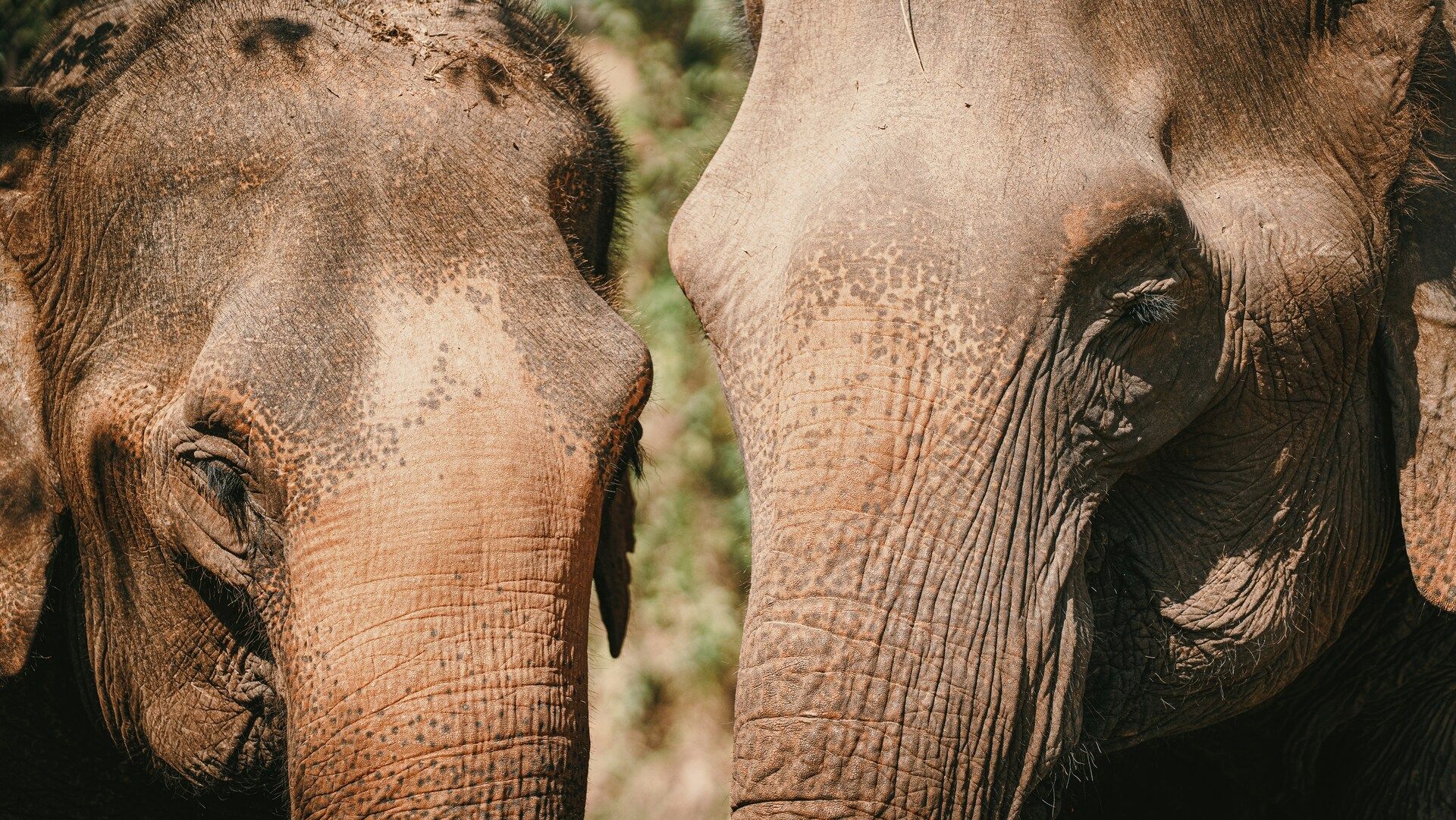
🐘 Drunk Elephant drag: The $845 million acquisition was meant to open the U.S. Gen Z market for Shiseido.
- Instead, it led to a write-down of over 50%, falling sales, and supply-chain issues.
🇰🇷 K-beauty pulls ahead: South Korean groups like Amorepacific win with speed, social-media DNA, and rapid product cycles—especially in the U.S. market.
📉 Markets remain skeptical: Shiseido’s stock trades at roughly one-third of its 2019 peak. For 2025, the company is facing its first operating loss in decades.
✂️ Turnaround plan: ¥25 billion in cost cuts, fewer brands, stronger focus on premium and mid-priced segments, plus new areas like dermacosmetics. Drunk Elephant also relaunches in 2026 with an Instagram reset and a new campaign.
- Target: 2–5% annual revenue growth and ≥10% operating margin by 2030.
Background
Competition is no longer just from L’Oréal & Co. Shiseido’s turnaround is playing out in a market being reshaped by other Asian players:
South Korean and Chinese brands are faster, cheaper, and social-native.
- K-beauty leads: South Korea is set to export around $11 billion in cosmetics in 2025—globally dominant in skincare and product speed.
- China on the rise: Exports at roughly $4 billion, imports declining. Local brands are gaining share at home and increasingly expanding globally.
The China Survival Guide for Western Businesses
Entity setup, WeChat strategy, hiring your first local team. 12+ years on the ground in Shanghai.