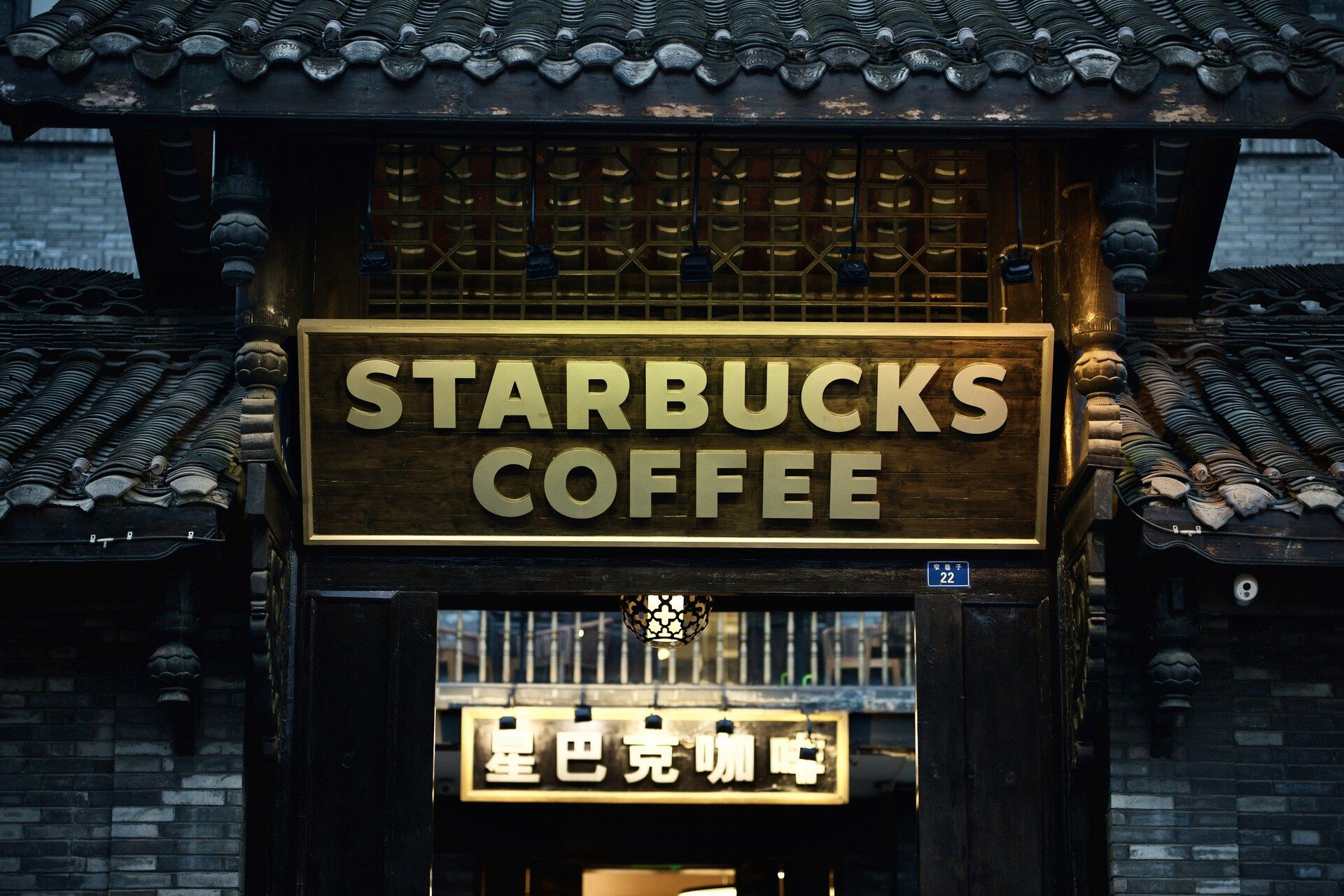
💸 $4B deal: Starbucks is selling 60% of its China business to the Chinese investor Boyu Capital. The brand and IP remain with Starbucks; the rest goes into a joint venture valued at around $13B.
📉 From leader to laggard: In 2019, Starbucks held 34% of China’s coffee market; by 2024, just 14% — overtaken by local rivals like Luckin Coffee and Cotti, who dominate with low prices and app-driven discounts.
🏗️ Boyu’s plan: The private equity firm, with deep ties to tech and consumer giants (Alibaba, ByteDance), aims to restructure, localize, and scale the business — focusing on efficiency, new store formats, and domestic supply chains.
📊 Comparative models: McDonald’s raised its stake to 48% in the China JV, while Starbucks loosens its grip — a rare move for Western brands. The shift reflects a new reality: access to the market, yes; full control, no.
🧭 Next chapter: The JV will launch in 2026 with about 8,000 stores and targets 20,000 to 30,000 locations long-term.
Big Picture
Starbucks’ “light exit” from China is risk management in a market that’s both vital and volatile.
China increasingly favors local leadership, agile pricing, resilient supply chains, and cultural taste adaptation. Globally managed brands lose ground as local players scale fast with sharper pricing and regional appeal — those without Chinese partners are left behind.
The China Survival Guide for Western Businesses
Entity setup, WeChat strategy, hiring your first local team. 12+ years on the ground in Shanghai.