💧 Tibet Dam: China’s New Power Plant of Superlatives
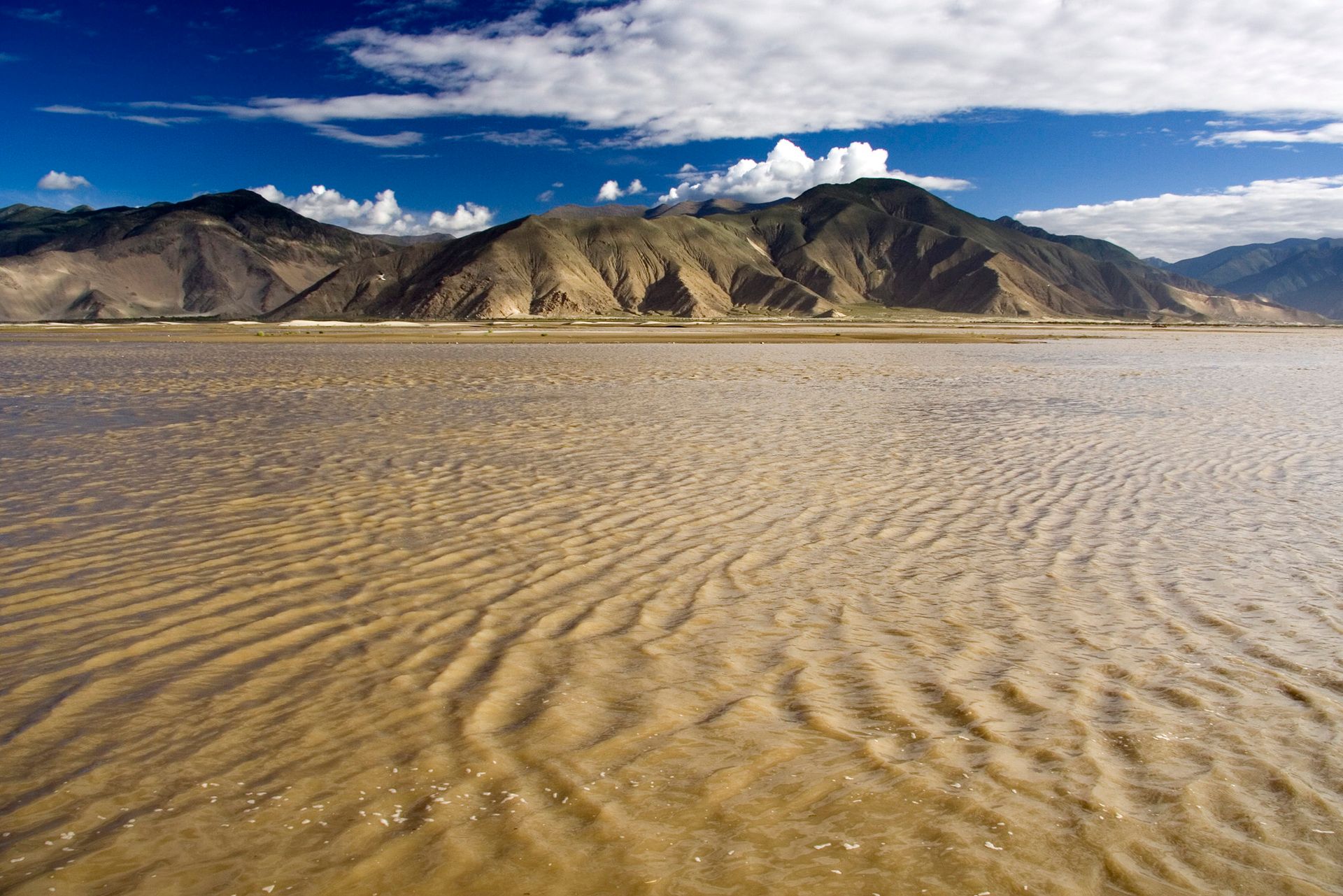
Beijing has begun constructing a massive dam on the upper reaches of the Brahmaputra. and, from the 2030s onward, is expected to generate as much electricity as the entire United Kingdom consumes. India and Bangladesh fear for their water supplies, while environmental groups warn of damage to one of the most biodiverse valleys in the Himalayas.
The Details
🏗️ Scale: Five cascading power stations will together produce about 300 billion kilowatt-hours per year—three times more than the Three Gorges facility on the Yangtze.
💰 Economic Boost: Construction alone could add some $17 billion annually to China’s economy; shares of construction, cement, and tunnel-engineering firms jumped by double digits immediately.
🌊 River Course: Here, the Brahmaputra plunges nearly 2 km over just 50 km—an ideal setting for turbines, but it’s seismically active and ecologically sensitive.
🏘️ Impact On Neighbors: Estimates of potential relocations are lacking; Indian authorities warn that up to 80 percent of downstream flow could be lost through controlled releases.
🛡️ Beijing’s Pledge: The government asserts it will “respect downstream water rights” while meeting Tibet’s power needs without harming the ecosystem.
Why It Matters
Water as a geopolitical lever: Control of the upper course determines river levels from New Delhi to Dhaka.
Climate and energy: Renewable mega-projects are key to China’s CO₂ targets but may spark new environmental conflicts.
Regional tension: The dam will test whether South Asian cooperation or confrontation prevails.
The China Survival Guide for Western Businesses
Entity setup, WeChat strategy, hiring your first local team. 12+ years on the ground in Shanghai.