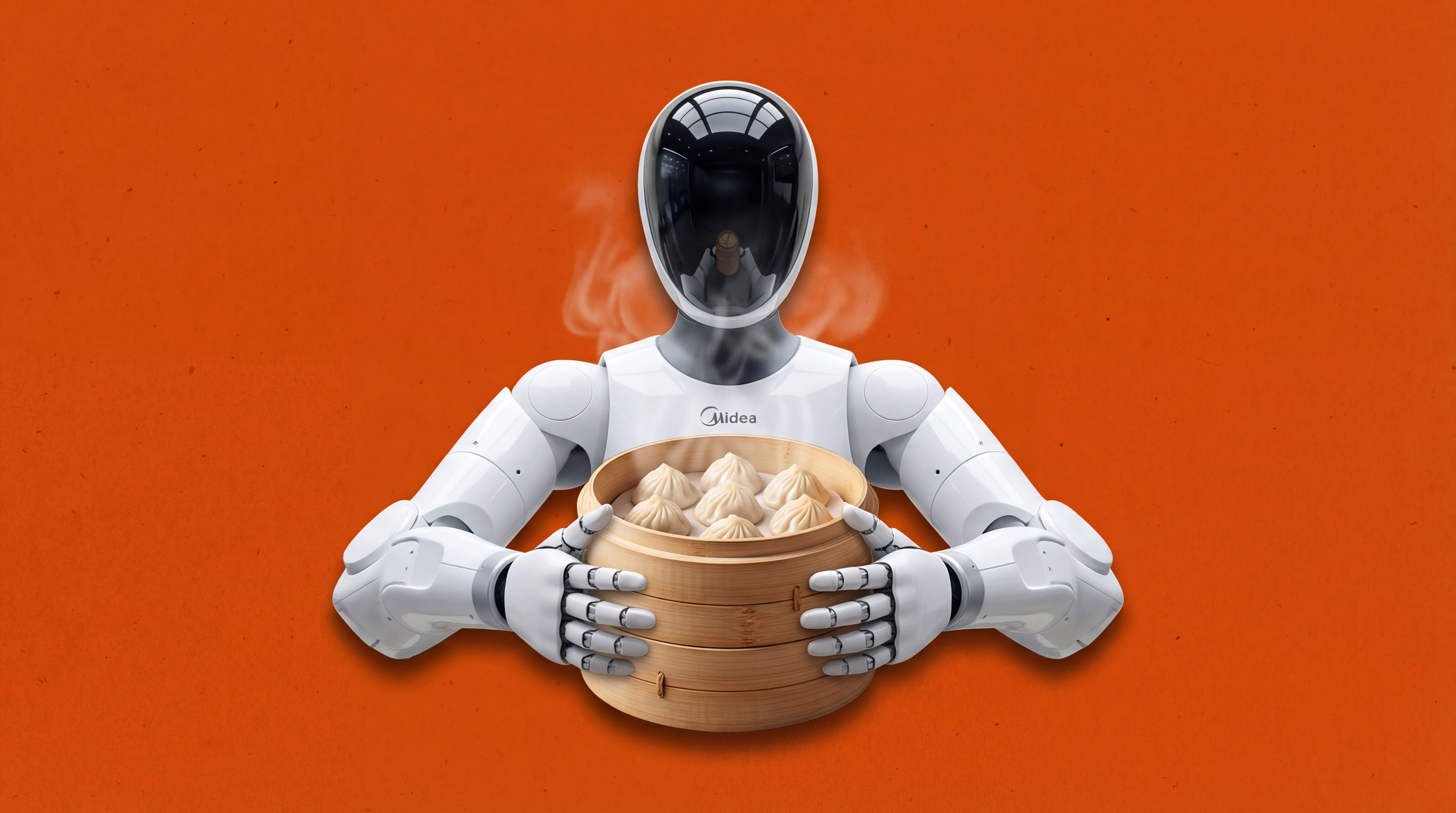
Senators Tom Cotton and Chuck Schumer walked into the Senate chamber in late March with a bill that would shut Chinese-made humanoid robots out of every US government building, military base and federal contractor. The American Security Robotics Act has bipartisan support, a House companion from Rep. Elise Stefanik, and a familiar playbook: treat robots like drones.
What gets banned
The bill blocks federal funds from being used to purchase, lease or operate "unmanned ground vehicle systems" built by companies in countries the US designates as foreign adversaries. That covers humanoid robots, wheeled vehicles and tracked platforms used by law enforcement, emergency services and the military.
The security argument is straightforward: Chinese-built robots map their environment continuously and transmit data in real time. US intelligence officials believe these machines could harvest geospatial, visual and operational intelligence and send it back to servers in mainland China. The same concerns that killed DJI's government drone business.
A carve-out exists for counterterrorism and intelligence use, but only if the systems are physically modified to prevent data transmission to the manufacturer.
Who wins
For Hyundai Motor, the bill clears a path. The company's subsidiary Boston Dynamics is already embedded in US policy: VP Brandon Schulman sits on the National Commission on Advanced Manufacturing Robotics. Hyundai is planning a US-based humanoid production plant with capacity for 30,000 units per year by 2028.
Chinese competitors like Unitree, UBTech and Galaxea AI would lose access to the US federal market entirely. For companies that were counting on government contracts as an entry point, the door is closing.
The gap in the firewall
The bill bans finished robots. It says nothing about components. Chinese companies dominate production of actuators, harmonic reducers, sensors and rare earth magnets that go into every humanoid robot, including American ones. A ban on the finished product without restrictions on parts leaves the supply chain untouched.
The DJI precedent suggests this won't stay narrow for long. That ban started as a federal procurement restriction in 2017. By 2024, it had expanded into a full import ban signed into law by Congress.
Sources: Korea Herald, The Hill, Foundation for Defense of Democracies, Humanoid Daily
Sources: Korea Herald, The Hill, Foundation for Defense of Democracies, Humanoid DailyGet These Insights Every Monday
Join 18,000+ professionals who stay ahead with Asiabits. Every Monday, straight from Shanghai.
Subscribe Free →