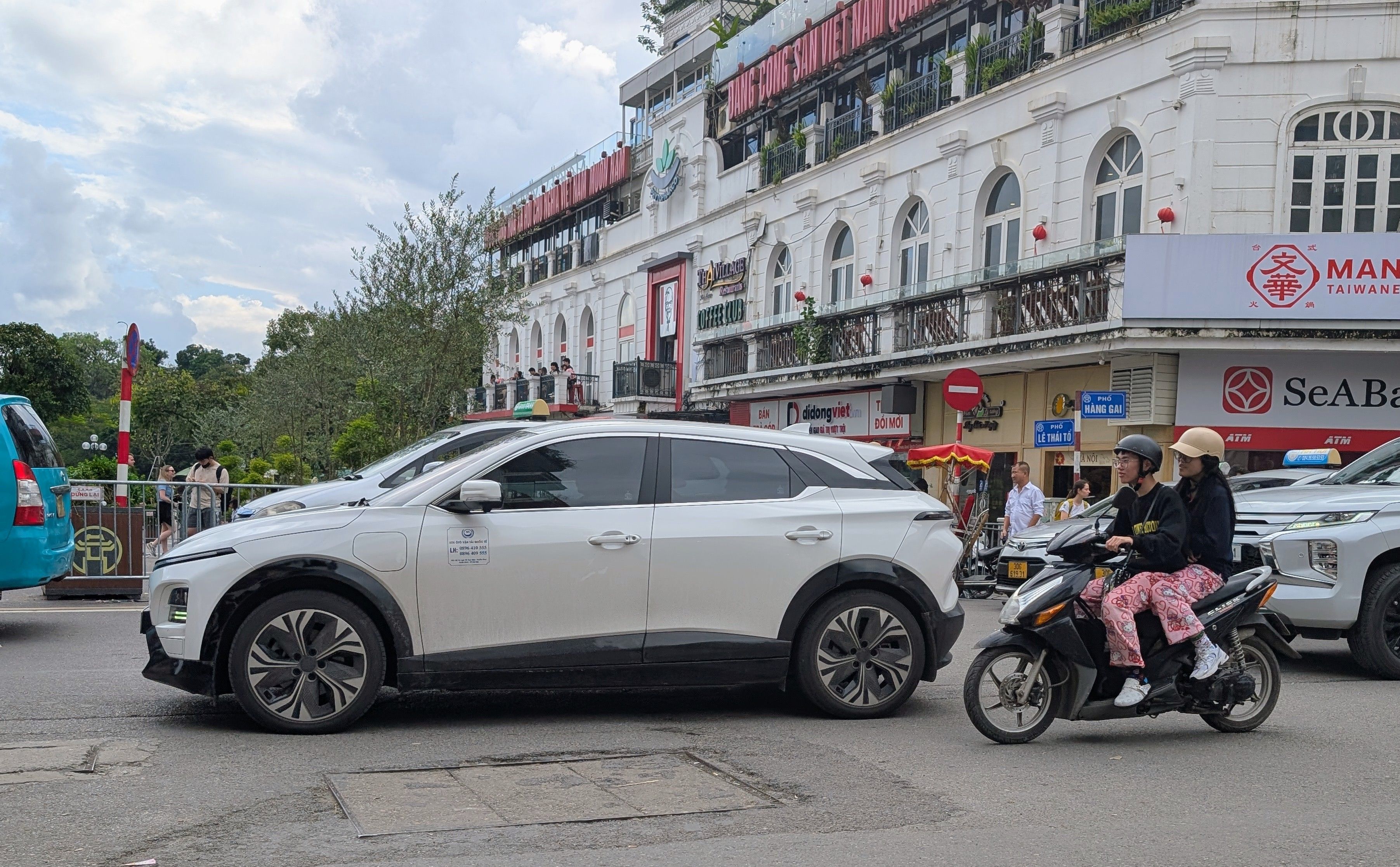
Vietnam’s largest carmaker, VinFast, sold nearly 197,000 EVs in 2025, twice as many as the year before. Sounds like a breakthrough. But it comes with a catch:
Net loss: $3.87 billion (+26%)
Gross margin: -42.5% (previous year: -57.4%)
The catch
VinFast sells every car below its own cost.
2025 production costs: $5.13 billion against revenue of $3.6 billion.
Vietnam: 89% of all sales, market share up from 22% to 36%
US/Europe: Failed. 1,413 US sales in 2025 (-57%), all Europe showrooms closed. At least $14 billion was invested in the Western expansion.
Southeast Asia: This is where VinFast is growing. No. 4 BEV brand in India, No. 3 in Indonesia, No. 2 in the Philippines. New factories in India and Indonesia.
Vuong has personally committed $2 billion in financing to VinFast, of which $1.1 billion has already been drawn, and Vingroup is providing another $1.4 billion.
The subsidized doubling
In 2023, VinFast wanted to conquer the world: a Nasdaq listing, showrooms from California to Germany.
Reality looked different: poor reviews, software recalls, and just $6.4 million in US revenue for the entire year. Since then, the company has retreated back to Vietnam and Southeast Asia. 72% of its cars went to its own taxi fleet, GSM.
Structurally, little has changed. Pham Nhat Vuong, Vietnam’s richest man and VinFast founder, owns 95% of GSM, buys his own cars below market price, and operates more than 30,000 electric taxis. On top of that, there are state tax exemptions until 2027 and a planned internal combustion engine ban in Hanoi.
The GSM share has fallen from 72% to 33%, but VinFast remains dependent on its own fleet as a guaranteed sales channel.
Robot rescue
But gross margin is improving quarter by quarter, and to lower unit costs VinFast is betting on automation: sister company VinMotion presented a humanoid robot together with Qualcomm at CES for use on its own production line.
Founder Vuong says he will support VinFast “until he runs out of money.”
Target for 2026: 300,000 EVs and break-even.
Capacity: 600,000. So far, only one-third is being utilized.
Sources: Nikkei, Autonews, Vinfast IR
Get These Insights Every Monday
Join 18,000+ professionals who stay ahead with Asiabits. Every Monday, straight from Shanghai.
Subscribe Free →