
He Slept in a Chinese Factory Dorm at 24. Then Raised $35 Million.
"The factory boss gave me the name Du the Invincible. Not because I was good. Because I wouldn't go away."
With Ryan Dunwoody, Founder & CEO of Powerhouse Engineering
- Five months in a factory dormitory. Ryan flew to Shenzhen at 24 with no Mandarin and no manufacturing experience. The factory gave him a bunk bed in the workers' dormitory. He lived there for five months, ate with the workers, and shipped the first production run before leaving.
- $35 million raised, Guinness World Record. Pi-top started in a co-founder's living room with a 3D printer and a Raspberry Pi. It grew to 100+ team members globally, shipped hundreds of thousands of units, and set the record for the world's first 3D printed laptop.
- The Shenzhen speed advantage. Wrong motor encoder IC? Found it on Taobao, booked a scooter from Huaqiangbei, and had it at the factory window in 30 minutes. Remotely, the same fix takes a week. That speed gap is why Ryan says you have to be on the ground.
- Every engineer must assemble what they design. Powerhouse's core rule: if you designed it in CAD, you build it with your hands. Snap fits that don't snap, sharp edges that draw blood. "Their hands remember what the screen never showed them."
- Your factory isn't the problem. You are. Founders blame the factory. The factory blames the founder. Ryan says the fix is simple: be there. Not a quarterly visit. Not a video call. A supplier issue should be a 30-minute drive, not a 3-day email chain.
- Hardware Beers Shenzhen. Ryan started a meetup with 8 people after a factory tour. Now it's 100+ members. Hardware founders solving problems, finding employees, and making connections over beers in Shenzhen.
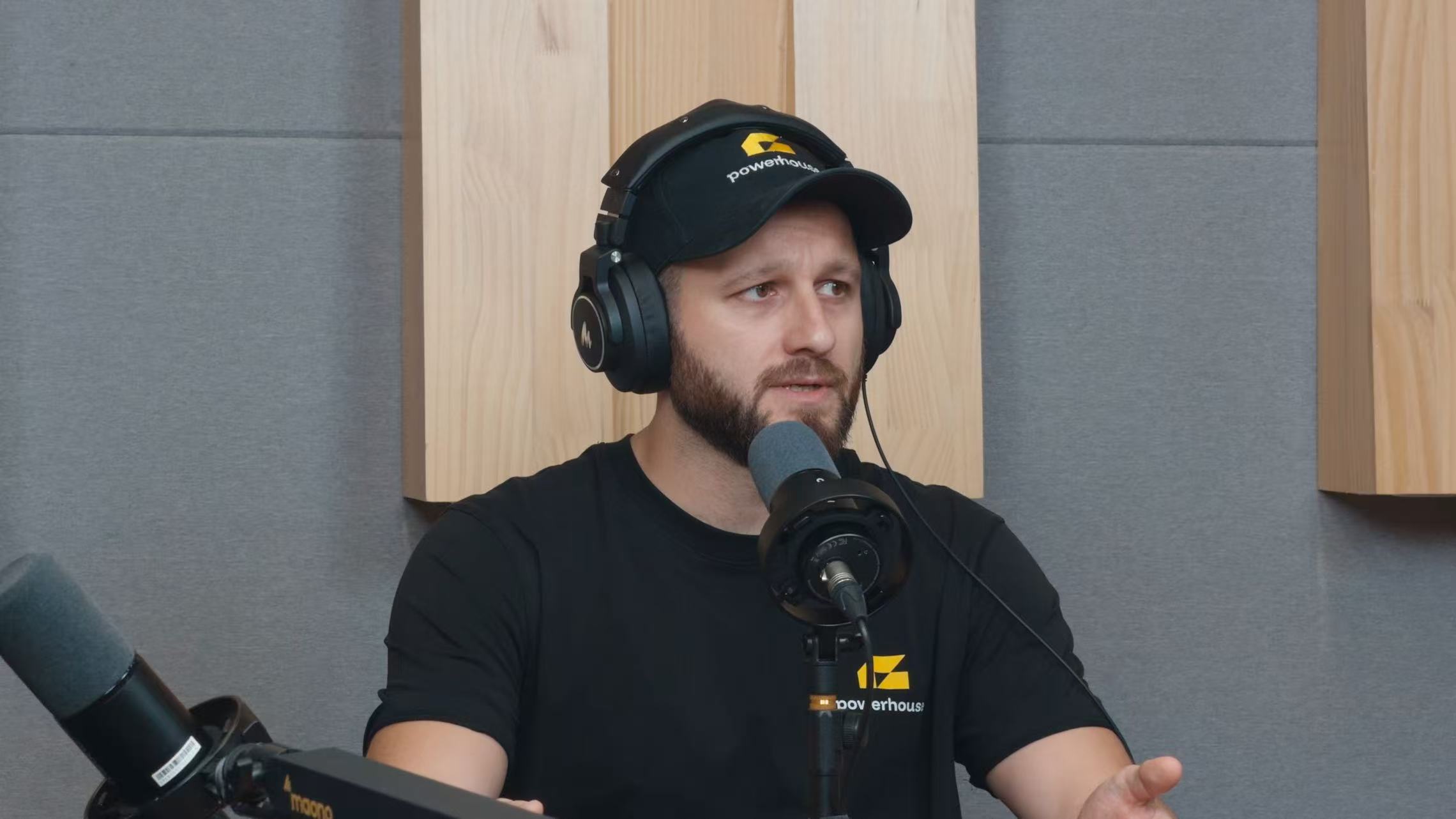
The Born Hustler
Ryan Dunwoody's entrepreneurial history starts long before Shenzhen. At 11, he was the chief brick carrier on his dad's building site. At 14, he and a friend launched a sex toy dropshipping business called Afternight.com, bought for ten pounds. He taught himself SolidWorks to build The Man Pan, strapped a megaphone to his Peugeot 206 to advertise it (the police threatened to impound the car), and ran Gotatalent.com with giant inflatable microphones at audition centres. At Oxford, he built a student discount app and did door-to-door sales. When people say Ryan is a "hardware guy," they miss the full picture. He's been selling things since he was 11.
"The speed at which you solve problems on the factory floor is the speed at which your product ships."
Pi-top: From a Living Room to $35 Million
Pi-top started at Entrepreneur First, where Ryan met co-founder Jesse Lozano. They built everything from Jesse's living room: a desk, a 3D printer, a Raspberry Pi laptop. They slept on the floor and filmed the entire crowdfunding campaign from that same room. With five pounds a day on Facebook ads, they raised 200,000 pounds on Indiegogo. But crowdfunding money is almost never enough to finish a hardware product. They needed real investment on top.
Pi-top eventually raised $35 million in total, grew to over 100 team members globally with 25 hardware engineers in Shenzhen, shipped hundreds of thousands of units, and set a Guinness World Record for the world's first 3D printed laptop. One single shipment sent 10,000 laptops to Argentina.
"No Zoom call replaces watching your boards come off an SMT line in real time."
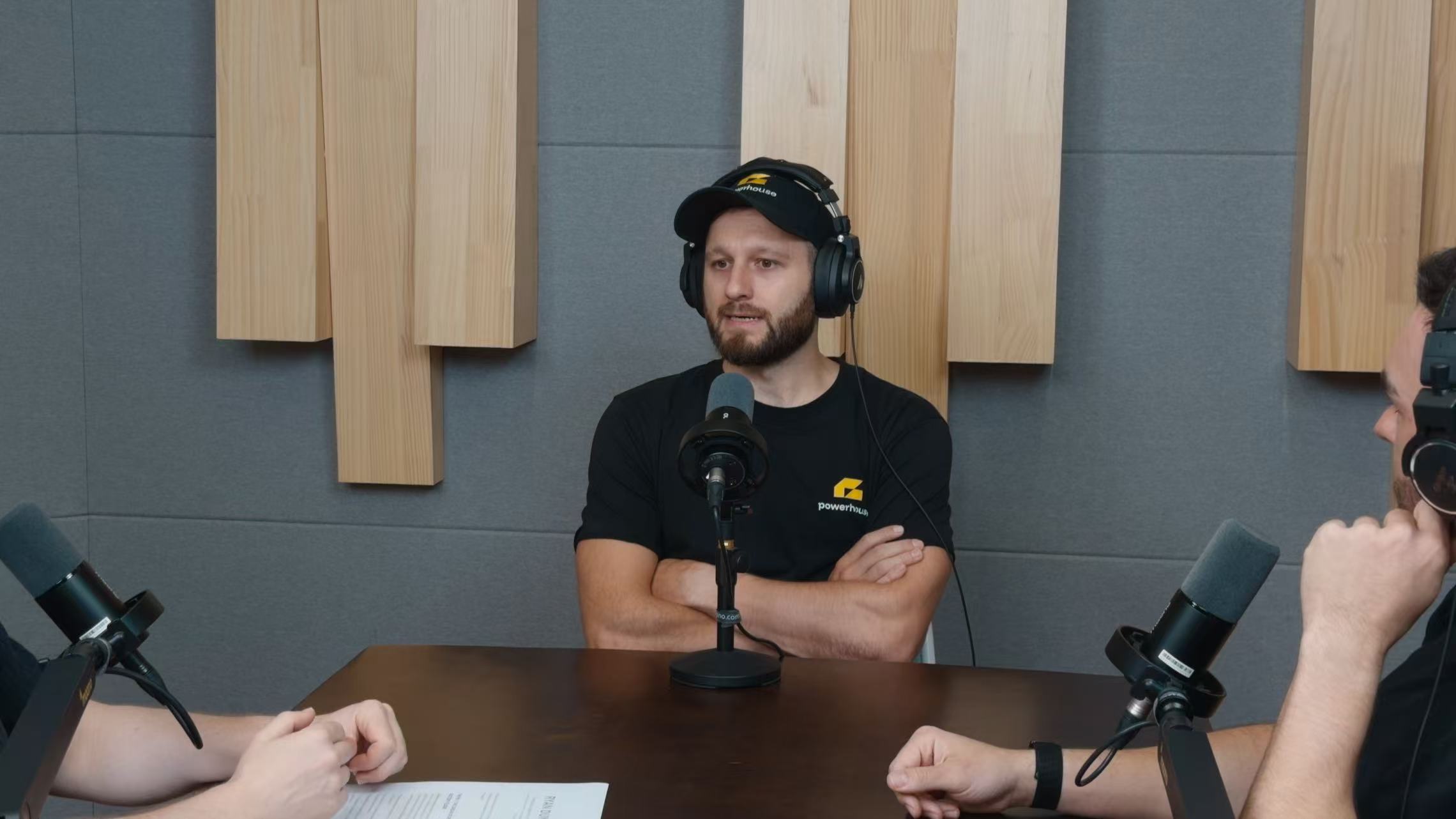
The Factory Dormitory
In June 2015, Ryan was 24. He flew to Shenzhen with a suitcase. No Mandarin. No manufacturing experience. Just a crowdfunding obligation and a product that needed to ship. The factory gave him a bunk bed in the workers' dormitory. He took it.
For five months, he woke up 30 seconds from his desk. He designed PCBs and 3D CAD frantically, made rookie errors, but when something failed he was right there. He ate with the workers, slept where they slept, smoked their cigarettes. The factory boss watched this for months. Eventually, he gave Ryan a Chinese name: 杜无敌, Du the Invincible. Not because Ryan knew what he was doing. Because he wouldn't go away.
"The factory boss gave me the name Du the Invincible. Not because I was good. Because I wouldn't go away."
The Shenzhen Speed Advantage
After ten years in Shenzhen, Ryan says the thing that outsiders will never understand is the speed. He tells the story of the scooter man: wrong motor encoder IC, a problem that would kill the firmware timeline for a week anywhere else. He found the part on Taobao, added the seller on WeChat, and booked a scooter from Huaqiangbei. Thirty minutes later, the IC was at his factory window. A remote team would have needed a purchase order, international shipping, and rescheduled tests. A week lost.
Factories used to roll out the red carpet for westerners. Now they're selective about who they work with. They have their own IP and knowhow. The language and culture barrier is still very much an issue, even with AI translation tools. But the concentration of skilled talent, supply chain density, and tooling expertise is unmatched.
"Their hands remember what the screen never showed them."
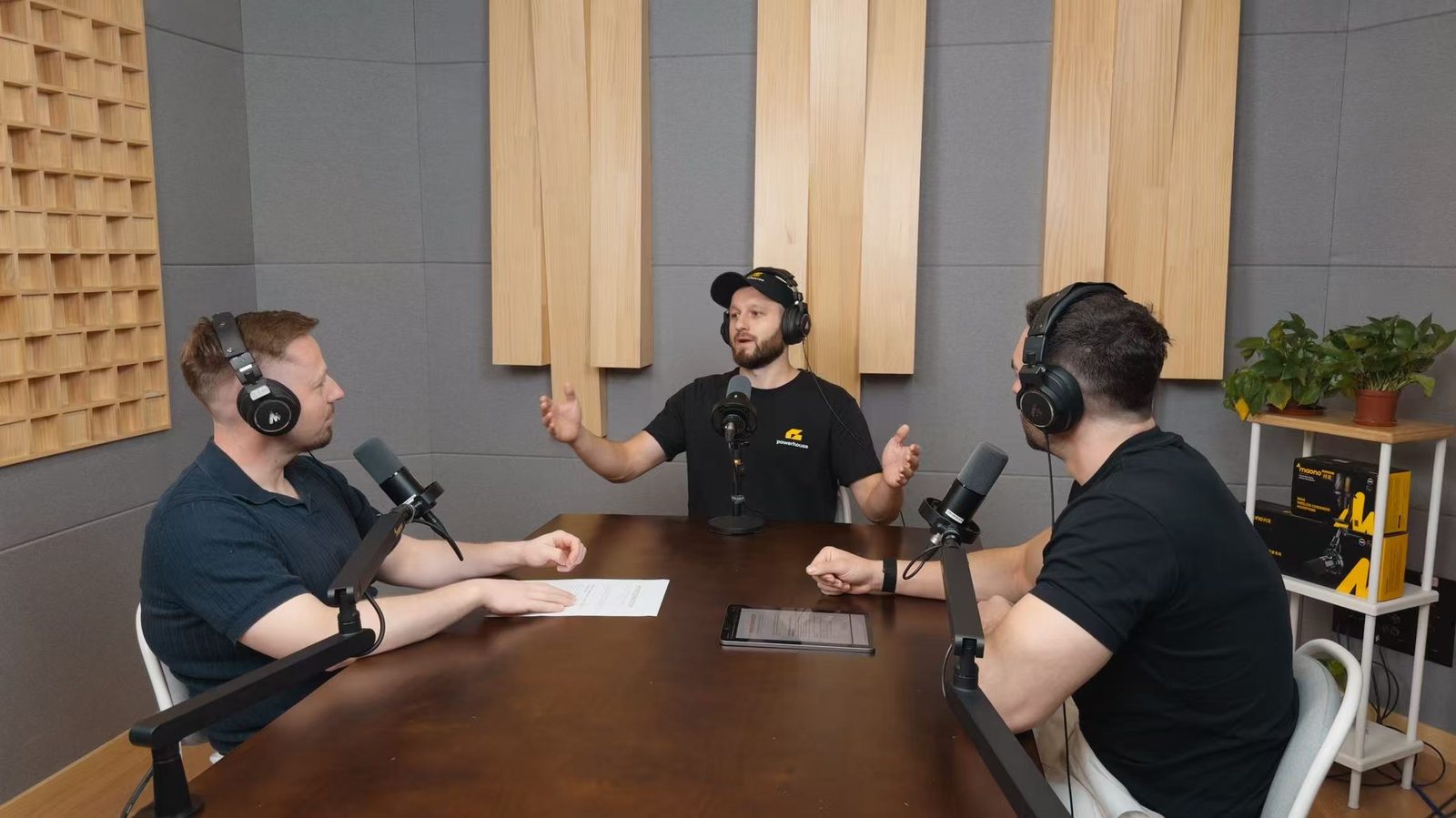
Powerhouse Engineering
After pi-top shipped its fourth generation product, the ed-tech side didn't need a big hardware team anymore. The Shenzhen team got smaller. Ryan needed to get back to hardware. In 2021, he started Motormaster, focused on brushless motor control and battery management. Over time, a clear demand emerged: startups needed someone to develop hardware in China and manage factories. In February 2025, he rebranded to Powerhouse Engineering and went all in on the fractional CTO model.
Powerhouse has a core rule: every engineer must assemble what they design. CAD looks perfect on screen. Then your fingers don't fit. The snap fit doesn't snap. The sharp edge draws blood. Engineers stop saying "the factory messed up" and start saying "I need to fix this."
"The distance between you and your factory is the distance between you and shipping."
Your Factory Isn't the Problem
Ryan wrote a LinkedIn post that got a lot of attention: "Your factory isn't the problem. You are." Founders blame the factory for being incompetent. The factory blames the customer for being slow and difficult. It's a deadlock, and deadlocks kill startups. The fix? Be there. Not a quarterly visit. Not a video call. Boots on the ground. A supplier issue isn't a 3-day email chain. It's a 30-minute drive.
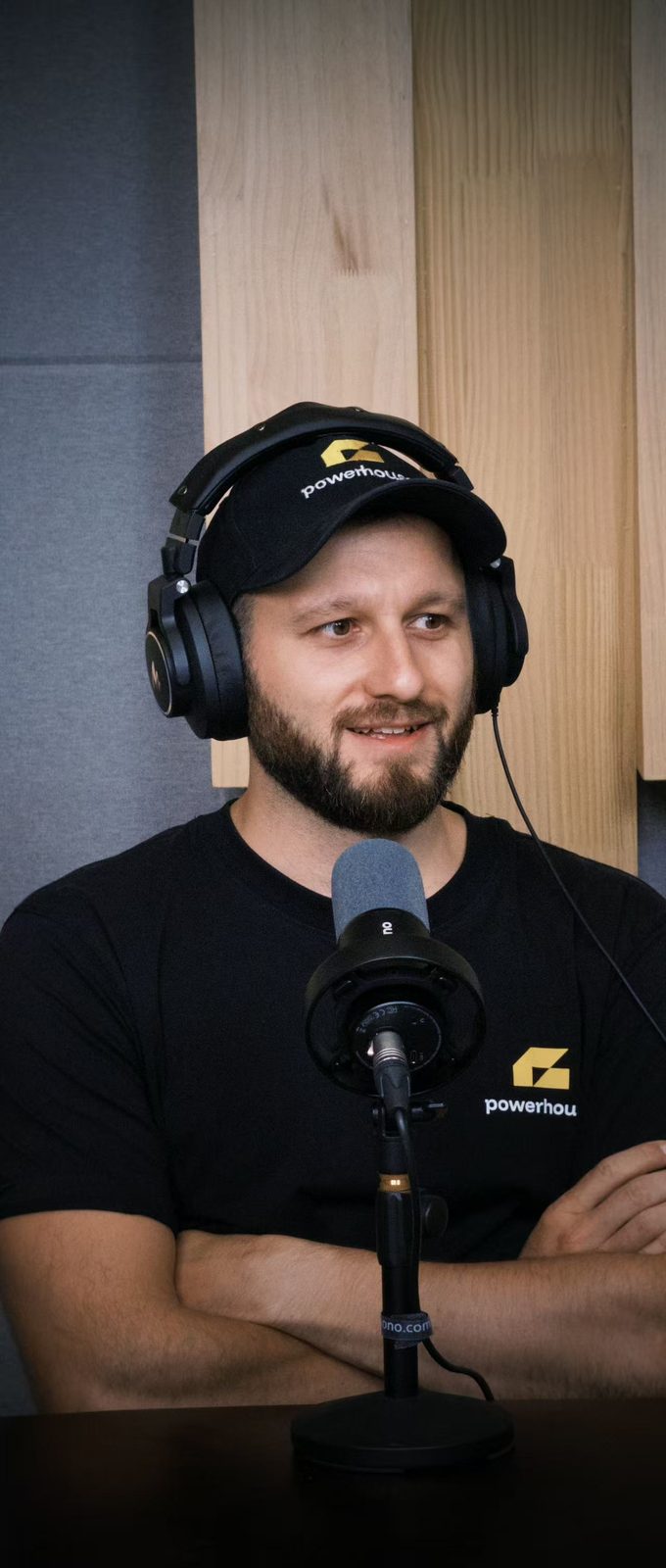
Ryan Dunwoody
Ryan Dunwoody is a British hardware entrepreneur based in Shenzhen since 2015. He co-founded pi-top, the world's first 3D printed laptop ($35M raised, Guinness World Record), and now runs Powerhouse Engineering, a fractional hardware CTO team for startups shipping from China. Oxford engineering graduate (First-Class Masters in Engineering Science), Entrepreneur First alum, and organizer of Hardware Beers Shenzhen (100+ members). Chinese name: 杜无敌 (Du the Invincible).
[00:00] Okay, let's go then, so Ryan it's the one moment from your time here in Shenzhen from the years you've been living here that you absolutely hated when it was happening but now you're almost glad that you had go through it. Hated. Well, I mean the first the first five months of being here was was pretty much hell because I yeah I moved to move to Shenzhen, moved to factory you know just put myself in there and then basically trying to get a
[00:38] product to market whilst the rest of the company is in the UK like they're trying to do all they can on the sales investment side and you're the only guy in Shenzhen that's actually developing the products and trying to get it to market so yeah just like sleepless nights like not sleeping work in all the time yeah eating like new laundry alarm and it was fun I was learning a lot obviously throughout the process so it was also very fun in that regard 2015 yeah almost 11 years ago yeah it's 11 years in June since I moved to
[01:19] yeah yeah yeah and we really would love to understand the story how you came here because it's not normal for a British guy living in Shenzhen for so many times so when we go back to your childhood like you were one of these entrepreneurs who have this great story when I was a teenager I already started making you have the DNA yeah so what was your first business so my first ever attempt to a business it was a
[01:52] bit of an odd one so my friend my friend had bought a domain called afternight.com you bought a website for 10 pounds it's called afternight.com and it was one of those really funny you know websites from you know like the 90s like black background like yeah and it was a sex toy drop shipping website so it was they'd set it up with a drop shipper probably in China somewhere you could basically place orders through this drop shipping website and then he so he bought this website thinking that
[02:28] he would develop a business with it so I went around to his house one day and he's like oh you know I was getting into web development at the time so I was like let's revamp the website let's like make it really nice let's choose all the different products we want to do so we did this whole work we sat in my house like building this whole website and then we finished the website with there like you know picking all these products like I had no idea what we're doing obviously for obvious reasons like we didn't have any experience and yeah we hit we hit the buttons put it on Google and we sat there like
[03:05] looking at the emails like where are you ordering yeah where are the orders why are they not flowing in like literally like click refresh like what is going on here like click refresh something must be wrong like why is nobody ordering these products so obviously then we learn about you know you need to promote you need to do marketing so you're like right how do you do marketing well probably you you make leaflets you know you print a leaflet and go and do market like this is like our childish brains like trying to come up with a business strategy so I designed this leaflet and I went around to my
[03:43] grandma's house to print it she's the only one who had a print so obviously I didn't show her what we do it but I went around to my grandma's house printed it out use the little thing to cut the leaflets out and then we literally went door-to-door posting leaflets around the village this afternoon yeah we didn't sell a single a single product so yeah you asked me you know what happened to the domain because it's quite a nice domain yeah yeah we lost it we just stopped stop working on it so but yeah lots of lessons yeah so I mean
[04:20] there was a bunch of things like another one was yeah got talent.com that was like a video sharing website like a bit like YouTube for talent videos so this was like the X factor Britain's got talent type era when everyone was like loving these TV shows so I sat on this website you know every day at school like after school trying to like modify the website like build it customize it do the logos do all this stuff like logos look terrible when I look at them now it's like but then yeah again
[04:55] we hit the issue of like how do you do market and so and the same friend actually he helped me out with X he was he was kind of like getting into market and back in the day and he still is to this day so we decided to go and drive around to all the X factor like auditions in the UK so we drove down to Birmingham we hired some people to come with us and we had these like giant blow-up microphones and we would go around like talking to all these people and they you know we'd film them like you know doing all these videos for us
[05:27] and it was amazing because like you then you looked at the Google Analytics and you saw this like massive spike in traffic and like people were contacting me like you know we're trying to do like partnerships and things like this but yeah again no money was made like it's just like complete yeah again just yeah complete failure but that's how it is right you gotta learn that's that's a lot of stories about like web designing and software like what did you do then afterwards there was like when you were 17 yeah that was like teenage years I also had another like
[06:04] said I worked for my dad's a builder so I worked with him from like the age of 11 you know Karen bricks up ladders mixing some and sweeping up and I was like his best I was his best employee he didn't treat me you know he didn't treat me as the son he trope me as a really hard working guy that he paid very little money for yeah well he paid a little bit yeah no he yeah he taught me a lot so very grateful for that so I worked with him most weekends most summer holidays up until I went to uni then my step brother also got me
[06:41] involved in a business he was starting we chopped firewood so we basically we had this project where we had to like caught all these trees down and we're like okay we may as well sell it like we've got all this wood we may as well you know turn it into fire wouldn't sell it so literally started a business called the log stores so we would and it was it was quite a for a kid it was quite a hard business to do because you had to dry the world all year like you had to
[07:13] sell it season blogs right so you would literally have to work all year without any payment or anything and prepare all this wood so every night after school we're in the in the in the shed like chopping all these kindling things you know bagging up all these logs drying them and then obviously in winter we could we could sell them so yeah it was pretty like it grew like steadily over the years I ended up going to college to focus on studies he actually continued it and sold it a couple years later to
[07:49] like a local business so yeah I learnt a lot from him like he's a my step brothers like a yeah proper business man entrepreneur like he knows how to like see an opportunity you know build a product sell it and yeah he's running a very successful business now as well so yeah that was fun what else one thing you learned at the time was delayed gratification right yeah exactly working out and very hard and but also how to pivot like every single direction you just going from sex toys to get your hands on
[08:25] if dirty on the bricks yeah and so this was your first business where you actually made money right yeah yeah yeah I mean yeah more traditional like you're actually selling a product like a decent product but you also learn in how to you know we'd go to some of the local shops that were selling like log stoves and we'd go in there try and pitch them and you know it's quite yeah scary thing to do is like a 16-year-old 17-year-old kid let you just go in there trying to pitch to this you know old man you know so yeah learning a lot about
[08:58] that and then yeah I decided yeah as I said I was focused on my studies then so went to college and then yeah what did you study so this was this was college six form not university yet this was college like math physics things like that chemistry yeah so I studied that and then yeah I was looking off to get into Oxford so went to Oxford study engineering which was great like the best yeah one of the best experiences ever especially for me because I
[09:34] didn't know what I wanted to do all I knew is that all I knew is that I liked math and I like physics I didn't even know what an engineer was like you know I came from quite simple you know village background when we thought of engineers we thought like a car mechanic you know I didn't know what engineering was at all as soon as I heard about it was like oh yeah it's like maths of physics but applied in a real world I was like okay that sounds amazing so very lucky to get into there because the degree at Oxford is like general engineering like it's not specific it's not tied to software or mechanical or electronics the first two years completely general so you just got to like learn like such a
[10:11] broad skill set of engineering disciplines so like pre AI this was this is what I used to say was important like building a startup was you even if you wasn't an expert in every field you at least knew something which meant you could then focus your efforts on like solving a problem in that in that specific space so that the degree that was amazing because you just got such a broad exposure to all these different engineering disciplines which meant when you came across a problem during product development you could you
[10:45] at least knew where to look right you might not know how to solve it yeah but you could know where to look which nowadays of course is somewhat easier because you've got AI like you've got an expert pretty much on tap now so maybe the advantage is slightly less good nowadays but yeah back then it was really important but yeah you mentioned software I was actually going down much more of a software path so at uni I also started a company called the Oxford Bubble which is yeah basically a good discount app so I started with my
[11:18] friend you know we just wanted to learn about entrepreneurship like how to build something so it's discount app so it's an iOS app like I was like the guy building the app he was the business guy and it was yeah we again like you build the product but then you realize that you have to actually promote it if to market it so we hosted this like promotion event at one of the clubs or wherein like Oxford Bubble T-shirts that we use the iron to like you know transfer all these logos on to T-shirt and then yeah did this promotion at a club and then you know we had again like door-to-door sales like we put on a
[11:55] suit and we literally walk round to like these hairdressers like we went to Nando's like all these different places trying to convince them to give us a discount for the app right and it's chicken eggs it's like okay how many people are using your apps like well there's a few but yeah it's just like so nerve-wracking you have to like push yourself it's like right you've just got to keep walking around to these businesses and you know it's so awkward you walk it is the only a please I'd like to and they're like who do you who do you know what do you want I'm like I just want to talk
[12:28] to them about my app so yeah like biggest achievement was like we got we got wing it I think it was wing it Thursdays or wing it Tuesdays or something with Nando's which was what was meant us it's like passport chain or yeah it's like a yeah chicken like spicy chicken shop yeah everybody loves it like Nando's in the UK is like yeah everybody's like absolutely loves it so we got wing it Thursdays or whatever it was called yeah and again they're not very successful it's like but you learn in all these different skills so you know as I said
[13:03] I was going down a software route like my third and fourth year at uni I was I was choosing more software oriented things like robots it's computer vision AI you know machine learning those types of things like that's where I saw you know it's where you hear about all these startups right here it's all about software and all these things happen so I was like right I'm gonna go down that route and then yeah there was a there was a slight detail where I went to work for BP for a summer like big company stuff like you know I asked for everybody's trying to get internships these big
[13:40] companies so you can kind of get wrapped up into it despite all the entrepreneurial stuff I did as a kid but you get wrapped up in this oh I need to go and get a big internship a big company get a name on the CV yeah get it on the CV and BP was sponsored for me for some for some reason I can't remember what but they yeah you applied to do an internship there went to work for them and yeah I was just really not for me like for the first day I got literally day one I got there they sent me up to Scotland and I and I had to like shadow a guy like
[14:16] he was like he was kind of like a technician style engineer and they were like right you're gonna shadow him and I literally was in the car with them just driving around to all these you know oil rig places and just listening to what he was doing and it was literally reminded me of like being a kid like driving around my dad's van I was like you know I was like you know third year at uni I was like ready to like you know make a dent in the world like you know build things engineer things I was like yeah I'm gonna build oil rigs like yeah let's go and I was like shadow in this guy and I was like I just can't do
[14:52] this like I was calling HR like the whole day being like you have to get me some like you have to get me somewhere else like I can't I just can't stay here so anyway a couple days later they moved me to they moved me to another oil place which the yeah the boss was away weirdly like the manager of the place was away and for some reason I thought it would be a good idea to take his office like it's really weird in hindsight now by literally moved into the boss's office like the manager's office of this oil station and none of the
[15:27] other people knew what was going on either because like the HR just dumped me on them right so they were like oh yeah maybe you can work on this like we've got this sensor to put on the main oil pipeline nor is so I went full like start up mode like I'm gonna get this sensor on this pipeline like and it's gonna happen by next week like let's go so I was like contacting all these people using the whole BP game tag to like you know you get in touch with people so I spent a week and I had a guy come into install this sensor on the on the main pipeline coming into this place the next week and then the manager came back on
[16:01] the Monday and he's in his office and he calls me for me and I walk in and he's and I'm like oh funnily enough I've been using your office for last week and he's like and I'm like oh yeah well I mean you know I didn't have anywhere else to say I just you know I was just using it and he and I was like oh yeah now you know I've done all this stuff I've got a guy coming like installing this sensor on the pipeline next week and he's like what this is post like BP you know had all these like issues and you know the oilwigs and stuff like everything was like on lockdown you have to do all these health and
[16:37] safety studies and things like this and he was just like we've got like stop slow down like you know and that was it that was like me being crushed like I was all my all my you know ambition was just crushed there so as soon as that ended the BP internship there's nothing against being paid you know obviously a great company but it just wasn't for me like big company so as soon as that was over I got back to you know I just was like I was on a mission to like find all the startup events I could find entrepreneurship events I think there's something called the Oxford Entrepreneurs Society which was great we
[17:15] had a great talk of there called Jordan who just like so inspirational like got into all these startups off and he introduced me to Entrepreneur First which is Entrepreneurs first he was like oh yeah Entrepreneurs first have a thing in London it was a very new thing back then they were a new startup accelerator investing in people pre-ident pre-team so purely based on technical ability actually they they also had non-technicals as well but it was purely based on you know what they saw in you as opposed to a team
[17:48] which is very strange at the time you know usually you know like YC and things like that they'll they'll they need you to have a co-founder already you've already got an idea maybe even some traction so I went to meet them it was very fortunate to get into that yeah super lucky and yeah got into Entrepreneurs first which was just like my big break then I was like finally you know I've got back to my my calling in life right so Entrepreneurs first and then this is kind of where the story of moving to China kind of started I was building a solar powered laptop for developing
[18:29] countries which was also funny because this is this was my bottom choice for my fourth year project at uni again I said I was going to build software so my fifth choice on my project list was a sort of computer is like I didn't want to do it I was like okay I'm not gonna get that it's like my fifth choice I'll definitely get some of these other ones and I got it and I was like oh for God's sake how am I gonna move this into like a software project like I was thinking I'm gonna build some algorithm for like you know calculating some stuff but I was like I was I was hitting
[19:02] you know roadblocks because I didn't have anything for the software to run on so I was like right I need to build some hard I need to build a laptop because I need that to run my software right so and this is where I fell in love with hardware because I was you know I was literally like designing circuit boards I was like hand-etching these circuit boards in the in the lab hand-soldering all the components on and then I was I was writing software that was talking to these components and it was literally like reading the voltage of this super capacitor or whatever it was and I was
[19:36] showing it on the display okay I had a little graphical interface and I was like this is amazing like I'm literally talking to a thing that I soldered onto a board like this is the same yeah so I was like that's when I just fell in love with hardware and I was like this is what I want to build like I want to build physical things like yeah I still want to write some firmware as software stuff but it's all about the physical world basically so anyway fell in love with hardware and then I was at an unofficial drinks event for Entrepreneur First I think it was in January time something like that and I wasn't even gonna go I was
[20:10] like I've got to go all the way to London like maybe I won't go and I was like right I'm just gonna go and the first guy I met there he was like oh so what are you building I'm like oh I saw the powered laptop and he's like oh really you should you should kickstart that I'm like what's kickstart like I was just like you know I was just a tech nerd back then I didn't know I do about any of this stuff so and anyway we literally started working together the day after like it was literally like yeah that's cool like let's build it so we came up to Oxford like we were in the lab like building this thing
[20:44] so we actually ended up turning it into a DIY laptop so it was a sole powered thing originally was like that's stupid like no one's gonna buy a sole powered laptop so we turned it into a DIY laptop which was basically we saw this reddit post of someone like building a Raspberry Pi laptop out of the suitcase it's like building do you guys know the Raspberry Pi no it's like a small mini computer based that like developing Cambridge to like teach people about physical computing again you know get people in the habit of like
[21:20] you know code in and build in things so we found this like sort of niche in the market this laptop we decided to make a DIY laptop and yeah we literally started working together Entrepreneur First started officially in like June 2014 we were building hardware though so it's like we were kind of like you know most of the stuff is all about software right so every week we're coming in with these like a mate what we thought was amazing progress is for our hardware and they're just like oh yeah whatever yeah and we're just like fueled by like you know fury trying
[21:53] to like impress them you know it's like two guys like trying to impress these people so we continued with it I moved to I moved to London and yeah as soon as I finished my last exam at Oxford I moved to London I moved on to his living room floor so I just yeah I was just like right yeah let's go let's build a workshop like we built a table it's first thing we did as soon as I moved in built this nice wooden desk and we used that wooden desk for everything like I'd build all a
[22:25] design all the stuff on there I'd build all the PCBs and then we built a 3d printer because we needed to build prototypes like prototype and plastic back in those days was very expensive but luckily it was it was when 3d printing was becoming you know a thing like everybody was talking about 3d printing which worked for our advances like we didn't really think about it at the time but we were just like right we need to build a 3d printer okay let's build a 3d printer we'll use the 3d printers print the laptops on it and but then you know we started posting online about this are you printed the laptop yeah yeah
[23:00] so we printed the all the parts for the laptop on that so we designed it you'd get the printer go in it took like 36 hours per piece and this was my 3d printer as well you know we didn't have you know we don't have things like bamboo labs princess back then this was like early days of 3d printing so things would go wrong all the time so you literally waited 36 hours for this part our 35 literally yeah our 35 it would just start spaghetti mess so we actually got that you know we'd have this sense like we'd be in the living
[23:36] we'd hear a noise and we'd all run over to the printer like what's going on I would sleep in next to this thing at night just like you know here in this word at this printer and you just constantly thinking about this printer like oh my god that has to print like so we even tried to like when we'd get a failure we even tried to like pretty printers run from G code so we try and like go back to the G code and find the exact you know we'd be moving the nozzle heads try and find the exact place where it failed so we could try and restart the print again but yeah it was it was a nightmare really how long did it take for you to just develop like the whole laptop
[24:11] and so we started in June and we launched the Kickstarter in October yeah so we yeah we did basically that living room was just everything it's like where I slapped where I did all the engineering where we 3d printed the laptops where we've shot the whole video for the for the entire thing we set up this big white paper in there and we sat in front of the camera we got so many funny outtakes from that actually but we sat there just filming the entire Kickstarter video all of the sort of b-roll shots like we developed all these robotics and all this
[24:49] other stuff that people could you know imagine what they could build with this thing when it was done did the whole thing from there all the advertising Facebook creative like we were building a Facebook community with like a five pound a day advertising budgets were like testing which one works well and you know people who work in advertising you know they always tell you like you'll find something that works and no matter what you do after that you'll never you'll never be the thing that just resonates for people so much we capitalized on the 3d printing industry that was growing massively at
[25:24] time everybody was you know talking about 3d printing so we were like 3d printed laptop okay great everyone was like amazing and Raspberry Pi as well was also getting really popular at times so we leverage that build a community and then yeah we launched in October we raised like I think it was over $200,000 for this DIY laptop which you know isn't like a you know all-out success but it you know it's pretty good so but we knew that and this is always the case with crowdfunding especially nowadays more than ever but we
[25:59] knew that you could never build the product for that much money there's just no way you could build you know do all the tooling do all the production and also yeah pay for the production and all the logistics everything like that for $200,000 it's just no way so how much would you like realistically have to get until you get okay now this is something that we can work with you mean on crowdfunding yeah well it's difficult nowadays like obviously we bootstrap our campaign like we didn't we didn't have a budget
[26:31] like we did everything you know with a Facebook community and a good story nowadays Kickstarter has become much more of a you know a business in itself like the whole launch side of Kickstarter like you're paying quite a lot of money just to launch products on that obviously there's some you know people do it with their you know their own brand their own story you've still got to bring that to the table but you're also paying a lot of money just to stand out in the crowd so even you know even if you raise I mean you've seen the stories right people raising millions of dollars and then still failing to ship the product so what's what's the
[27:06] advantage of like why do people still do it on Kickstarter yeah we also had podcasts get to raise 1.5 million for their products yeah that actually hub or is it just some kind of advertising or promotion it's massive advertising massive promotion it gives you a step up on the ladder like before you even start and even like you know we I call it internal PR on the China side as well you've also got to get the support the factories if you've already got a campaign you've already sold a thousand units it's much easier sell to the factory right yeah because you've actually got customers so it also
[27:42] helps you to identify which market you would go to right yeah it's part of our concern as well the proof that people are willing to buy a thing before you spend a load of money actually designing it and you know and also where to launch a product right like which market which market basically yeah yeah yeah but it's no success guarantee for itself well you've got to then make the thing right so it's like how close are you to you know when we did it we so we were very young naive we didn't know how to build a product
[28:14] like we had no clue how to build a laptop like I think Entrepreneur First even knew that as well they're like why you know what you building hardware for are you even gonna do that but like we were naive enough to ignore that as a problem and just knew that we would figure it out at some point right so but we knew that $200,000 and we were in Entrepreneur First right we were we were on a trajectory for like you know VC fund in and all this is that's what the whole system is out to do right they have a demo day where you know you've gone pitch to investors and that's the whole thing so we knew that wasn't gonna be enough money and frankly we'd probably
[28:49] spend all that money within about four months of finishing that crowdfunding campaign because we knew we had to build a software components of the business we had to yeah we basically had to build a company right it's not just a it's not just hardware product so there's two paths you can take the Kickstarter or indeed we actually did IndieGoGo for some other reason but there's two paths you can take one is you're a bootstrapped hardware you know solo hardware founder or maybe there's two of you most importantly they both need to be hardware like all of
[29:22] your resources need to be on hard work because if you have a sales or a non-technical co-founder they're gonna go insane whilst they wait for you to ship the products right they're gonna sell things that they shouldn't be selling because they've got nothing to sell yet so you can have a bootstrapped it and you're both just like you know you maybe you use an upwork freelancers or and you're basically yeah just doing everything you know you're moving to China you're doing everything yourself to get the product market turn a profit on the money that you make the other option is you basically have a vision for the company you're using the Kickstarter as a stepping stone you've
[29:56] got a product roadmap you've got a vision you're telling a story you're raising investment and you go to down that down that path that's the path that we took yeah how did it go then after you raised the 200,000 yeah so we raised like we raised I think a hundred thousand pound sort of pre-seed pretty quickly after that yes we raised a hundred thousand pound pre-seed we started hiring software developers to work on the content but if you have to did you have to pitch two
[30:31] investors yourself again or after the crowdfunding platform basically the investors came to you no a pitching yeah a pitching like based on who Jesse knew who we effort introduced us to we were pitching yeah full-on pitching and it's funny actually we used to we used to show up to these estimations and Jesse's like such a good salesman and we used to show up this laptop this 3d printed laptop it didn't turn on like it didn't work at all and we show up with it we'd open the lid and Jesse knew just how to open it
[31:04] so it felt like very smooth like all the lid was the hinge was just like held together with wow it was just like a piece of metal basically there's no friction to it and he'd open it up like that like and it and he would like use it like no at one point did the investor be like open you turn it on like can I can actually use it's just because he was just pitching so well that nobody ever asked us to turn it on whole things held together with blue tack and all sorts of stuff so yeah we'd go we'd go to these investments and do this whole pitch and you know convinced people that we knew how you know the unit economics the tooling probably we
[31:39] convinced them that we knew what we're doing which you know we kind of did but you know there was still a lot to learn right so what was your vision about behind it so we knew that the we needed to become like an ad tech company ad tech again was very big at the time lots of investment going into ad tech you know trying to fix the broken education system you know you know sort of infuse more physical computer and like STEM science technology and mathematics they changed its esteem they added art to it
[32:12] so we knew we had to go down that route because that was much more investable business than the kind of maker industry that we're in so yeah that was the vision is to build this education platform for physical computing we even had some of those we done some UI stuff on the original crowdfunding campaign we wanted to basically teach people how to build things how to make things sort of instill the same you know what I learned at uni when I when I started building my own thing I was like actually this is way cooler than developing software right software is cool as well but it's not it's not quite
[32:49] got this you know building some of your hands and having something you can take to somebody show something that's cool is cooler than then you know compiling something just having something on a page right so we wanted to basically get people excited about building things again and teaching them you know real skills you know because all the school systems are all trying to infuse this into the into the curriculum and really struggling right so it was not easy to do so that was the vision and yeah it was very difficult first year because like
[33:25] obviously that you know you're trying to build this company there they're building all this software and they're trying to do all the marketing but there's no product yet it's no revenue right so you know jesse's like a sales guy at heart he's trying to like pitch the company sell but he's got nothing to sell right so that falls onto me that was my job is to actually get it to to market basically so it was very difficult time you constantly like looking at your bank balance like how are we gonna get through this like it's just insane and when what when was that point in time when you said okay now we have to go to China yeah so we were I mean we
[34:04] soon we had this but before we launched the campaign we're like oh we're gonna do the PCBs in the east and you're we're gonna 3D print the plastics and you know we didn't really have a good plan but I think as soon as we like as soon as it was real and we launched the campaign we're like yeah we need to we probably need to go to China so we got hooked up with some guy that was in this maker 3D printer industry is called Rongshang he took us over to China in January 2015 we met this factory they were building 3D printers at the time they were called zilful and
[34:41] it was then that we realized that okay we have to kind of do this in China like there's another way we have to do injection molded plastics like we can't 3D print this thing that's just insane like we had a thousand to build or something of that order so but I still didn't really make the decision that I had to be in China that was just a thought that didn't cross our mind but so I was developing the product from the UK you know we had an office in London after we moved out of his living room because we had to like hire people we couldn't like work out the living room anymore you know I was still
[35:16] sleeping on the floor in that but we couldn't have yeah we couldn't have people around there so so I was developing the product from the UK I you know I came to China once I think I came maybe another time and yeah things were just going too slowly you'd send something off to the factory obviously due to the time difference you only got a certain window every day to actually communicate with them you'd get prototypes back you know they wouldn't work because the factory didn't really know how to test them it was very custom everything was custom it was fully custom
[35:50] it wasn't like any other laptop everything was custom designed so you get the prototype back they don't work and you're like what do I do now like I've just spent a week waiting for this thing to come back so anyway it was a nightmare and I think it was it was June 2015 we were supposed to ship in May 2015 so like this is when you start getting all the people being like okay what is my product like what's going on like we had a rule that we would update very frequently though and this is like advice that anybody did in a crowdfunding campaign send
[36:23] an update out every two weeks or you know as much as you can like even if you think you don't have an update send an update and be absolutely meticulous about that because at least if you're communicating to people and you're bringing them along the story you know people who invest in crowdfunding they they like the story right they like it to be an innovator early part of the thing so update them frequently so we were we were religious about that but obviously like you know you're running out of money you know you've got all these customers on your back it was June 2015
[36:57] we had a nightmare of a day I can't remember exactly what went wrong but it was just one of those days everything was going wrong like you know money issues customers complaining investors being like what's your plan like why's the product not out yet and I'm there at the office Friday night like furiously trying to design this PCB battery PCB that you know had tons of issues and my co-founder calls me up and I'm like oh god it's Jesse like what the hell I don't even want to answer it but he calls me and he's like you know you're going to
[37:30] China on Monday I'm like yeah and he's like you shouldn't come back I was like and I just all my stress just like went away at that point I was like that's the solution like why is it so obvious you know if I just move myself into the factory all of my problems go away because I can just immediately solve things as and when they happen so I was like yeah that's the that's the solution and from that point I was just all my stress went away because I just knew it was going to happen if I did that yeah so on Monday I packed my
[38:02] bags and I still have an email actually from a guy I said I was like oh I'm just popping over to China I'll be I'll be back in a couple of months like just yeah I got like shipped this product like no problem we thought we were way closer than we were in reality obviously again naivety like we were just yeah we thought we're two months away and Jesse takes me to the train station and he's like he's like all right well I'll see you in about six to eight weeks then and he's looking at me like I stare in at me and I'm like yeah and he's just thinking like if
[38:34] you don't fucking ship this thing in six to eight weeks like we're you know West Groot like running out of money I can't I can't do this any longer without anything to sell you know so I go to China and obviously then things really kicked into overdrive like I was like yeah I was going visiting suppliers I was getting all the information I need you know you're you're basically a 30 minute drive away from the guy that's been doing something for the last 30 40 years right he's been doing that specific thing and all the knowledge that you
[39:07] need is in that guy's brain you just go there and he just tells you everything you need to know all the stuff that you need to know how did you find them they're the suppliers yeah just through like you just find them on alibaba or yeah I mean the typical the typical routes or the factory might introduce me to them but you yeah you just you're so close to the world's electronic supply chain that you can just move a pace that you just can't do anywhere else but you just said that you can you can use
[39:41] all this knowledge but how do you communicate with them did you speak Chinese at that time no how did you pick their brains well this is the thing about being in the same room as them you can just literally show them some I remember one time I was trying to explain this cable that we wanted and we spent weeks in the UK like trying to explain to them the cable that we wanted this HDMI cable we wanted to be really nice so we got so annoyed so I ran into the other room I got another cable I was like this cable this cable like just make this like this but also like this and he was
[40:15] like okay I got it and they went off and that was it's done like it's basically the same how people are foreign as law wise order in restaurants yeah yeah it's literally like that yeah so how many mistakes did they do along the way well there's yeah a lot of mistakes but that's not necessarily their fault that was probably a lack of engineering rigor from my standpoint right it's like you know you design you're up all night designing things you know you know it's not like you've got AI now you've got an
[40:51] extra to help you do all this stuff like back then you had to read data sheets and you had to go to TI's website and find you know an application note that describe the problem that you were having you know it was just so much effort especially when you didn't know anything like you got to figure out how injection molds work and why you need draft angle and why you need all these things like you just nothing would substitute just you know 16 hour days just at your laptop trying to figure all this stuff out right yeah so there's loads of things went wrong but you know the thing about
[41:27] building hardware is that the you know the speed at which you can solve those problems is the speed at which you basically ship the products like and that's why being remote and trying to do something from you know whether it's the UK or US like you're literally solving things you know you're taking even if it's a day right even if you're very good at your emails you're you're responding you know on a daily basis you know maybe even having to call the factory you trying to figure out that day is for me is like a five minute thing you know it's like 10 minutes I'm there I'm like literally I know about
[42:01] the problem before the factory even knows about the problems I can see I can see the guy's face I can see him like I see him like trying to do something and I see there's a there's a clearly a big mistake in the design or something so I'm already solving it and it's 10 minutes and it's done doing that remotely is very difficult it's possible and with certain product categories it's it's easier because you're you're basically relying on the factory your pushing as much work onto the factory as possible and then if you're very rigorous about your requirements and what you expect them to do if something goes
[42:35] wrong or what you expect them to test you can do it remotely but if you're building very new types of products like you know robotics or AI wearables or anything that requires any kind of customization you start to hit those barriers with a with a normal factory so they just don't have the technical it's not even necessarily they don't they couldn't do it is that the whole business model is focused on mass production right so you're always being deprioritized for the projects that actually go into production so your product was also kind of new then how did it go in the beginning like you were on the
[43:08] factory floor all day long away yeah let's go one step back I also wonder you arrive at the airport in Xinjiang yeah or did you fly to Hong Kong Hong Kong yeah with your backpack yeah what happened next I think the factory boss yeah picked me up picked me up in his car he didn't speak any English just drove me to the factory just like was like okay you can sit here like I just like I was like right I'm gonna put my desk here and like literally in the assembly room I just put my desk in the assembly room takes me
[43:42] to the dorm rooms the factory dorm room where all the factory works stay I mean God knows why he put me there now like it I don't think they had very much money when we when we showed up they were kind of desperate for like a say like a foreign savior that would come in and like give them business but you put me in the factory dorms in the bunk beds like I used to like wash my clothes in a bucket like it was like really like raw like rural China factory living basically so they took me to you know they take me to like lunch at these like Chinese places I mean
[44:16] that I'm a British guy like yeah it's quite a culture shock to me to like go to all these places but finally decent food yeah fine and decent food I'm still yeah 10 years later I'm still struggling with that problem yeah not that Chinese food isn't decent but where I where I tend to live is near the factory so I've actually gone further away from the center to be close to the factory so I'm always kind of struggling for yeah nice western stuff this was actually a joke I think like yeah nice was okay to China yeah to China is kind of said that you finally get decent food all right yeah that's about German humor yeah German humor yeah okay
[44:53] our British food is great we're talking about okay we talk about the we have fish and chips and yeah yeah beans and stuff beans on toast pasta delicious and then you got the name do woody yeah do the invincible yeah so yeah the factory boss I spent a lot of time with him like so I basically lived in the factory right like he you know this is when I started smoking cigarettes as well because like you go to the boss the allow bands office you're drinking tea around the table and he's smoking cigarettes you know at the beginning I was like I don't
[45:28] really want to smoke but then eventually you just like give me that cigarette but I need to I need some like glimmer of something my day right now because I'm just all I'm doing is like staring at you know problems constantly are you quitting all right yeah yeah I only smoke for a year I smoked a lot cigarettes in that year the most like most we ever smoked was 180 in a day what yeah I know it's bad and I don't even so yeah the guy came over from the UK to help me with the we're doing the firmware for the circuit boards he came over and we I remember we
[46:03] we went to the shop at like 5 p.m. we bought one of those bricks of cigarette Chinese cigarettes and we did it we pulled an all-nighter trying to try to fix this again no GBT guys no AI like it was it was so difficult to figure out how to write firmware like software back then was okay you could go online but firmware it's like I totally different beast like you know you having to yeah it was the nightmare you just like compile in testing compile in testing until it worked basically so we pulled this all nighters trying to get the product working and it got
[46:37] to like 4 p.m. the next day and I was like where's all those cigarettes gone can you I was like I was like there's one pack left how have we smoked 180 cigarettes in a day and it's just like insane like and this was in the assembly line as well we're in the factory production like room like smokey cigarette completely in disown and in the room yeah it's insane yeah so thankfully I don't do that anymore but yeah the name was came about because I you know I'd go to his room the boss's room we drink tea you know I'd
[47:11] try it's like a respite every day and you know I wanted to get a Chinese name that was like the cool thing to do and you know he thought about for quite a long time and then yeah eventually yeah do the because my second name is done woody right so do is the yeah so the most British name I've ever heard so I used to it's really funny I used to I also liked you know the zong you know the Lao band so he was called who zong so I wanted I wanted the Lao band on the end of it as well so I was like okay but I
[47:44] also wanted to be an engineer I wanted to be like you know I liked the fact that all the engine you know that Chen Gong I liked like the Gong side of things because it's like yeah you're you know you're a worker like you're on the front lines doing stuff so I was like do woody don't Gong so I added that to my name and the funniest thing about is I'd send it on Slack to the team in the UK knowing that the translation on Google was like the invincible chief engineer and I was just like that is the effect so the time is like yeah that's that's a cool name but yeah of course now when anybody when I tell someone about my name they always kind of laugh they're just like
[48:19] okay that's I yeah it's definitely a foreigner's name but yeah I like it so it's a good thing yeah and then you like you're talking a lot we were talking about it already about the speed that the production and problem solving is possible here so do you think it is like remote hardware is still possible or is it you lose your advantage to people like you or people who have people on the ground here it's not dead and people still do it and there's there especially
[48:55] in the earlier stages of product development we call you know like ideation like you know even find in the problem that you want to solve like having engineers in the region that you intend to sell the product is very valuable like this is what we did at Python right we were building in the UK we were close to the customers we were going to events we were getting feedback taking the product to schools literally teaching people what we were going to do with the product right so you know in that early day like the earlier stages it's very valuable to have a team that's like close to the problem close to the customer close
[49:31] to the product because you can iterate much faster and you can make sure all that feedback goes into the you know the concept that you that you eventually try and build but as soon as you go out of that phase and you're into the sort of engineering development phase where you where you know what your features that's going to be or maybe it's changing like loosely over time but it's you kind of know what you're going to build being close to where it's actually going to be produced is obviously you know the advantages are just huge there's the disadvantages you've got to have someone over here right yeah I've
[50:09] have to have a co-founder willing to move over here you have to find somebody that is willing to do it for you but getting the manufacturing teams and the design from like DFM teams design for manufacturing teams involve very early on just saves you so much pain later on whereas sometimes if we develop things in the West and I've done this before too you're developing it from the UK you're like oh no my way is better like I know what I'm doing I'm reading all these things I'm an engineer you know I know what I'm doing but you get so much knowledge by speaking to the
[50:43] guys that are actually going to produce the product they'll tell you things that you need to be aware of that you just wouldn't ever have thought about before so being close to that is massively advantageous being close to the supply chain as I said before yeah if you don't know how to do something I'm a 30 minute drive away from an expert that's been doing this for 40 years so I can just go and talk to them and now you speak to any I do not as well as you but yeah I do and then the factories help you also to get the connections with all the supply chains here yeah
[51:17] yeah so the factory if you find like our factory back in the day they were very small they would help us a lot I was still the one doing all the supply chain like figuring like purchasing all the stuff and everything but they would help a lot with connections you know they all have connections with people and the most amazing things about Shen Jan and we literally doing this last week with another project like you go and visit one supplier and you're talking you figuring out stuff you figuring out all the issues and then you're like okay here's the list of things we need to solve now we need to
[51:50] lock down these components I'm like right where's your camera supplier and he's like oh he's like 30 minutes away over there so I was like right let's get in the car and go so we go from him to the camera supplier we start speaking to him and then we're like right where's the FPCBA supplier and we're like okay we'll just go to them and you you basically just sort of spread out to all these suppliers and you just like you're figuring out all these things as you go and imagine doing you know you can't do that now how you babaa like you can't do that over eating it yeah it's crazy and the amount you can do in such a short time is just insane and you're actually getting like front
[52:22] like first hand knowledge as well it's not just like gpt slot that's you know giving you all this like you know expert advice on how to make something you're actually talking to a guy does it right so and I just I just can't imagine not having that's why I'm still here like how do I make a product if I don't if I don't have access and you don't necessarily need to go there yourself right you can just basically order those stuff that you need for some specific parts as well yeah yeah so that's yeah one of the other advantages of shenzhen is that you know we have a powtway that the scooter the scooter man so
[52:57] they can they can get you anything you need anywhere in shenzhen within 30 to 60 minutes right so you know again like instead of what we used to do is you know we have a problem like we used to yeah so I'll tell you how it used to be like when I when I first built the pi-top laptop you know we're right close to starting the production but you know when you're actually and this is what a lot of people kind of they know it but they forget that every single component needs to be done before
[53:30] you go into production like you can't just even tiny little screw or something like everything has to be done so it was like last minute we're trying to produce these things to ship to the backers and we needed the you know these little mechanical space of things so I was like right let's go to Huasheng Bay so I took the this team of me to Huasheng Bay and again like the story of like going from here to here to here for the suppliers you go to Huasheng Bay you find a component like oh that looks like something similar but is it can if you got one that's more like this and she's like oh I know a guy over there so I'm eventually I'm like walking
[54:03] around Huasheng Bay with like five people around me just like all helping me like trying to find these components it was just a minute it's like in my head it was like one of those movie scenes where like you're walking you know trying to explain things and everybody's like doing all this stuff but obviously it was it was a lot less cool than what it was in my head but so that's how it used to be like pre-power toy the Maytwan delivery guys now we you know we were doing a project last year we're building a whole like immobility electronic system
[54:37] which we only had five weeks to do before a conference so everything was like had to be like meticulously planned but obviously we made a lot of mistakes because we're we're going so fast but this is what is amazing about Shenzhen because it's it doesn't matter if you make mistakes because we chose the wrong component and we realize we read the date sheet then and we're like oh my god this is completely wrong like completely wrong component doesn't have the speed characteristics but I go on towel bell I find I cert like we first find that we actually use AI
[55:12] we use AI to find the chip that we did need as we gave us some options for part numbers we read the date sheet like yeah that that'll work when on towel bell found a guy of course they're in Huachang Bay they're in Shenzhen because everything is in Shenzhen so I message him on there I'm like can I send the power to he's like yeah sure so I send a delivery guy a scooter man to go and pick up the component and literally within 45 minutes we've got the component soldered on the board like replaced the one that was faulty and we're there writing firmware again like nothing happened like yeah
[55:46] but it was a it was a motor controller encoder I see and we're there writing firmware like nothing had happened like 45 minutes and this was like 7 pm on a Wednesday or something right and we're there you know and we could literally finish testing the product that night and unblock everything else we were there messaging the customer real time being like oh yeah we've messed up the ICs wrong oh it's fixed already and they're just like what how is it fixed already like what are you talking about so yeah nowadays like that's just a massive unlock like having that ability to pick
[56:20] things up within and I've used it so many times we've been in a factory you know fan controller mosfets to the wrong spec I go out for dinner with the factory I organ like I speak to my Huachang Bay crew and they find me this component I get a scooter man delivering it and the guys the fact you're like oh you're going home now I'm like no I'm going back to factory because I want to fix that problem like yeah but you need to wait till tomorrow because the component isn't here yet I'm like no it's the it's already going and then like even the factory guys were like
[56:54] holy shit like you've already got the component there and literally fix the problem that night could ship the products out done like it's just it's insane like the speed is just crazy so anybody that is developing hardware out there and you haven't you know you haven't even been to Shenzhen to see this and sort of immerse yourself in the way that things happen here you just have to get out and fly it like just book a flight get yourself over here even if you don't want to live here like me you need to see it you need to understand the speed and there was a guy
[57:27] posted recently online he summed it up perfectly it's the culture of now he called it's like we don't wait till tomorrow like we want to solve this now and this spreads to the whole not even just electronics industry is everything we have to make a short break oh he has to switch the batteries sorry for that's so amazing it's great stories so okay you could say like this yeah
[58:29] there's a guy forgot it was he posted on LinkedIn and he called it the culture of now so like we don't wait till tomorrow in Shenzhen or China more broadly we don't wait until tomorrow like now like I where is my where is my I see I used to have this same you know the this kind of a theme of our engineering team back in the day at pi-top was like where's my fucking prototype like it's like where's my fucking sample like I need my prototype here as soon as is humanly possible because I need to learn I need to
[59:03] iterate it so I'm like I don't care how much it costs to like get it here tomorrow like it needs to get here tomorrow I don't want to sit around for four days designing something that I don't know is gonna work like this is you know you want to pay for speed right and you can do that here but yeah the culture of now and this extends to like you know going to view apartments and things like that I was I was it was we were looking at apartments last year it was a Sunday night at 10 p.m and we we drove past this
[59:37] state agents we ran in and we're like oh can we see some apartments this Sunday night at 10 p.m and he's like yeah sure no problem for me the same the same as ours yeah this is insane and we literally went but even not even just his attitude he's a salesman you expect that right it's like yeah let's go we went into this woman's house and it's 10 p.m. on a Sunday our kids like you know almost going to bed she's like yeah sure come in yeah of course yeah you know you are looking for an apartment you come Annecy the apartment like it's insane and like I saw three apartments
[60:10] that night at Sunday night yeah and can you imagine doing that in in Europe like no way when you moved wife I didn't work you texted him a little it's like one point five minutes later he didn't really he didn't answer me but it just was it was just knocking on the door yeah yeah this happened with the wife I grew up in a van and like yeah yeah I'm going to install it now yeah yeah all right yeah we had the same thing happened the other day I had friends over from the UK start founders we're we're we're on the yeah eating food
[60:43] and the electricity went out and they were like okay you know you're gonna call someone to come and fix it by the time they started walking downstairs the guy was like already in the fuse box like fixing it and he's like how did how did that guy arrive so I was like I was like I was just living in that cupboard over there it just pops out since there's a problem but it's insane like yeah the culture of now is just I think it just sums it up perfectly so going back to you living there in the dormitory for me I have no connection to hardware never built hardware but it sounds
[61:16] like a lot of pain problems and pitfalls yeah what was the first time where you had this feeling of success so I actually succeeded in doing something I remember yeah one of the moments actually when I first came to China we were trying to develop this circuit board and you know anybody who's ever done electronics engineering knows that when you design something especially the first like time you do it never works the first time
[61:50] and if it does you haven't finished testing it yet like you've probably not finished testing and it's probably not gonna work so you know this happens like I get this circuit board back and it's this really it's quite a complicated part of the laptop like it converts the HDMI signal to the EDP signal for the screen so it is quite you know there's a bit of black magic to it's high-speed signals it's you know it's not the most easy thing to design and it wasn't working I was like oh god say it's not working like where am I even going to begin to figure out what's wrong with this board so I'm there in the factory like
[62:23] just frantically testing as much things as I can and I remember I got it working at like I think it was 4am and you know when you when you've spent you when you've literally like hit a brick wall like so many times when you try to get something working and you you lose all hope like you're just like this is not gonna work and I am I am you know I'm the worst engineer in the world it's not gonna work I'm gonna have to tell Jesse that you know we're gonna have to sack this off it's nothing's ever gonna work like you're gonna have to delay again and then it started working at 4am and
[62:56] like honestly I don't know if you guys like you know in England we like to play football and you know when you score a goal and you're playing with your mates on the side and you score a goal and you just like you sort of put your hands in the air like this and I literally did that it's like on my own in the factory and I ran around this I ran around the assembly like scream it was like I can watch yes this is like yeah on my own in a factory in the middle of China all you heard was this like scream from a guy like as it as it starts working and it's there's
[63:29] just no feeling better than that and that's what I love about hardware you feel like would you yeah yeah that's yeah that's the beauty has grown already someone in the invincible yeah and it's just that's what's good about hardware is the lows are so desperately low but the high that you get after is just it's like nothing else so yeah like the loads of moments like that like you know things aren't working and they start working I remember that also from my time and software development like you can really get lost in both fixing and you realize fucked it's already
[64:04] like after midnight and then I know this feeling and when it's finally working yeah it's insane yeah so loads of moments like that you know loads of loads of problems yeah like with the you know injection mold in things like that like I actually moved to the injection mold factory as well like say I you know I'd learned by this point that if I you know proximity you know is the key to speed so as soon as we're having injection mold problems like they you know you know they would ship the plastic parts to our factory they would get there
[64:40] we would do inspection on them loads of issues loads of problems and you know shipping them was pretty quick but I was like you know it just took like four hours for these to get here like I need to you know I can't I can't you know I need to say yeah it's like I need to you know I'm gonna just move there I'm just gonna I'm gonna pack my you know I had my screen in my hand I had my laptop in my hand I had my camera because I had to do a lot of like I had to document the journey back then because Jesse's like going crazy and London like you need to I need I need stuff to like push out there and make people think that this is still a real thing
[65:13] so I packed my stuff went to factory and just lived there for a week until it was until it was coming out correct then you had a real thing right and it was a big success what like the laptop and stuff yeah it was so we yeah we shipped it at the end of 2015 and that's when the company could really start you know anyone build in hardware like that is the thing everybody cares about it's all you know everybody comes to be it's like when can I ship the product because you've raised money until you start shipping that product you're pre-revenue you know anything could happen to go wrong so everything revolves
[65:49] around that first shipment so when you start shipping that and this is why speed is so important because you're literally running out of money to get to that point and you need to make sure you ship on time so as soon as you ship the product then Jesse could really start to like do is do what you need is to do raise a bunch of money so like yeah over the years like I mean we grew the company to a hundred people at its peak we raised about 35 million dollars in total over the years yeah lots of ups lots of downs one of the biggest up from a hardware perspective was shipping
[66:23] we did a deployment to Argentina so we got a big government contract for I think it was 10,000 laptops so you know going from I think we did maybe 800 to a thousand laptops for the crowd I think it's 1200 we made so we were selling more throughout that year as well but we made 1200 laptops but going from that to 10,000 units is a totally different ballgame like all the stuff I mean even a thousand units is hard like all the stuff you could fumble your way through like hand doing this hand doing that to just to get
[66:57] it into production at 10,000 units that doesn't apply anymore like you have to change how you're doing things we had to redesign the factory we had to actually the first assembly lines we made were just tables that we bought from the market down the road like we bought these tables put cloth on them and set up a production line next to the SMT like we had a PCBASMT line in there we had to reinvent the whole factory and we brought the factory along with the journey right we were you know we were basically the key customer then it was like 90% of their business so we literally we did
[67:31] it twice we on the first way we I've got these amazing photos again like the culture of now you go and speak to boss like right we need to change the factory we need to do it by the time I've finished speaking there's already a guy like with a sledgehammer like knocking down walls like literally destroying the whole factory and I just walk out and I'm like this is this is exactly why I love China like you know we discuss it and instead of like you know building regulations like planning we don't need planning just get the guy with a sledgehammer knock all those walls down a guy will come
[68:05] and build some assembly lines so I you know I did do some planning I planned out the assembly lines because we had a kind of modular product so we wanted all the parts to be assembled in a certain order and then be sort of combined at the end and then we did it again so we were again scaling up we actually moved the factory to across the road we built a whole factory from scratch so we literally it was so much fun because we were even thinking about buying the factory at one point which was a dumb yeah very dumb idea totally the wrong thing to do but we
[68:38] just loved it you know we're just like we love the fact that we had this our own fact our own factory in China we got to build the whole thing like we upgraded the whole thing we had our office in there which was amazing because and this is where the whole like having your engineers on the front line things come from like we were we were there like if there was a problem or we needed to see we needed to improve some QC criteria on the line we just walked out of our office and the production line was right there people were making stuff so we brought engineers over from the UK and for them
[69:12] it was just amazing like they just got to like you know come into like my world like I was you know I was a caveman back then but just trying to yeah yeah they got to come into this world and Annecy all these like bright green laptops come in coming off the production line and learning a lot like you could learn so much by being as an engineer you can grow so fast in China because you can just learn all the all the skills you need to do to actually get something to production which is what actually matters right hmm so are they still in business yeah oh
[69:44] that factory they're not actually we yeah we left that we we reached our limit with them at one point they were kind of worried about investing too much in the in the growth and we moved to another factory we moved out of the we moved to another factory we moved the team we're trying to grow the team so we moved to you know you know as much as fun as it is for a British guy you know a British engineer moving to China moving into the factory if you're trying to hire like top engineer in talent you know and you'll locate
[70:19] in a factory like it doesn't it's not it's not got the cool fact so that it has for the Chinese or for you yeah the Chinese engineers yeah like they walk into a factory like some of them don't even show up to the interview because they they look around they're like I don't want to work in the factory like you know I'm an engineer like so eventually we moved to to she to she no it was nanshan with nanshan high tech park we moved down there actually needed to grow the team and hire you know bunch of Chinese engineers we also brought more engineers over from the UK
[70:53] so yeah eventually we had to move out but we changed factory they were they had much better quality management systems like again as you scale up production like what works in the early days with a small factory is you get like flexibility like you know maximum flexibility I can say something one like the whole like destroying the walls with a sledgehammer like we needed that maximum flexibility to iterate quickly you know change things the day before production was happening change things even while the assembly line is is operating with changing things right big factories don't do that you have to follow a process
[71:30] you've got SOPs you've got they have internal systems for like engineering change requests ECRs where you have to go you have to follow a process to do changes like that so what works as a small startup with a small factory doesn't doesn't work at scale like you have to upgrade at some point but you lose that flexibility so doing new product development then becomes more slow because you don't have that flexibility that you had with the early factory so yeah usually people work with a small factory and then they realize they need better quality so
[72:02] they move to a big factory they think it's going to be all this amazing thing they're like oh yeah yeah you know the big factory is going to be amazing but you just come across different problems like actually going to a bigger factory you actually need a bigger team like because you have to fit into their system they won't they won't be flexible to your system you know they have their own system so you need a whole team just to manage that so yeah there's some of the challenges of scaling up hardware it's yeah you have you need different systems right different factories different processes so yeah we moved yeah to high
[72:38] tech part we had a team of I think it was 25 people at the end like 25 engineers we had a mechanical electronics firmware quality control people procurement people everything we ran our entire supply chain so we didn't rely on a factory to buy all the individual stuff we did everything so we had maximum control over every single light item in our bond list which is not necessarily the best strategy all the time
[73:13] because it's it's a lot of effort and also you all the liabilities on you then like you have to make sure you control that whole process we like takes we're a hardware company we were we were developing very new products and we were investing so much in that so we liked it but it's not necessarily the best strategy for most companies it's very expensive the other thing of course is once you actually ship the product out so we built our fourth generation product big you know ecosystem of products like robotics electronics kits laptops computers everything like this whole modular
[73:49] system spent so much money developing it and then once you ship it out you don't need the team you've just spent two three four years building this whole engineering team and then you don't really need it anymore after that so the engineering team just got smaller and smaller and smaller because the naturally the company's resources shift from product development to sales and marketing and content and in our case curriculum because it was an edtech product so yeah the the yeah developing hardware is hard and expensive for
[74:23] that reason because you need such a big team to do it's you know and then you don't so it's like okay you can outsource that but then you got the problems of outsourcing and you don't own your own IP and stuff like that so it's it's really challenging yeah and then now you turned your vision on you have to be on the ground you have to know the people you have to understand them into a new business model right it's what you do with Powerhouse your support startups in doing yeah so similar to what I did for Pytop where I moved to Shenzhen to manage
[74:56] the whole system I give us that like hardware capability I now do that for other startups so it's basically the same thing like we become an extension of their team we are yeah that's what I thought yeah we're we're there guys on the ground like they trust us 100% we've we've been there we've done it we've you know we have this philosophy of being on the front lines they know that they can trust us 100% more than they could even trust themselves you know with the information or GVT yeah so they know they can trust us so we basically do
[75:32] that all on the ground for them which is a really yeah it's been a really exciting model for me because I get to do you know I said at Pytop you know we I got to live my dream building this whole hardware team but as soon as we launched the products you don't necessarily need that anymore that's why I left in 2021 because I was in Shenzhen I had a skeleton team left like maybe two guys left I was doing like content creation and all this other stuff that to help the business but I was like I'm in Shenzhen like what am I doing like I need to build I need to build hardware and like what am I doing in this place so
[76:05] so I left Pytop in 2021 to start a company called motor master so we did brushless motor control and battery management systems for like immobility and mass volume consumer electronics like massage guns and blenders and things like that which went well like we did we built some really cool tech we built a really good team but we were partnered with a factory and they had their own set of customers as well we did a lot of the motor control technology stuff side of things and every time they had a
[76:38] western customer I just saw the writing on the wall from the very outside like I joined these meet they were like oh can you join this meeting friendly foreign phase there and stuff like that so I joined these meetings and I'm listening to them talk and I'm just like this is just this is going to go so badly like there's just no way this is going to work so you know I'd say right I'll be the guy on the ground I'll be the guy in the factory you know which helped them got a lot of clients because the client was like oh my god there's a there's a white like British guy in the factory like amazing like you know this is
[77:12] amazing I can talk to somebody so that's when I started to realize that even I mean this was kind of somewhat around AI we had translate you know we've always had good translators even the you know the handheld translators this is when I started to realize there was there was a still a massive problem people were just even if they had a translator they still couldn't communicate like the technical stuff and I'd listen to these conversations and sometimes the factory would be speaking English they're speaking English and I'd listen I'm like no he didn't mean that
[77:46] and he didn't mean that you both you both told him about something completely different because I understand the tech I understand like I'm thinking about it from like the product level and what they're actually trying to do I'm not just listening to the words and they're like oh okay yeah so that's when I knew there's a still massive communication issue like even if they have translators and things like that so I rebranded motormaster to Powerhouse last February just to foot like double down on this basically and now we kind of call ourselves a fractional hardware CTO team so you know you can have
[78:18] you know if you can go from not having any hardware capability to have in maximum you know like by what we had at Python hardware capability in the click of your fingers and then as soon as you launch the product you can not have that and it's just it's so much more effective and for me it's great because I get to work on amazing like first of a kind product like Python was and I get to work on many of them and when that one's finished I move on to next one and it's just like I get to do exactly what I'm good at and what I enjoy so it's been really amazing like we're working on some really cool stuff
[78:53] like I said everything we tend to work on tends to be like very new stuff like people have tried to do it with a factory and they've failed because it's it's so difficult to get what you want here if the factory isn't set up for like very custom stuff so just we've been very lucky in the projects we've got we just they're all just so cool like they're across like the robotic like miniature robotics large format displays AI wearables immobility products like robotic immobility products it's super cool how do
[79:27] you decide on what kind of product you or a project you'll want to be involved in is there something like requirements that you have for the team or for the idea like the problem it's a good question yeah and I've spent the last few months thinking about that because it's like how do we yeah amplify what we do and work with the right types of people and we've been very lucky so far to find the right types of people but usually it's you know we like to work with it's kind of like vision meets execution right we like to work with founders that have a big vision and this is why I love like sf and the us and everything
[80:00] like that and I think two oh has the sfs shenzhen founders group which is great because that dynamic the vision of sf combined with the execution capability of shenzhen is just like yeah it's amazing so you know we like to work with founders with a big vision that they're usually like product people they understand deeply the customer's problem and they can basically do everything on that side you know they can do the sales the market in the customer research the customer testing they're just so obsessed with the product and
[80:34] they want to perfect it not not in a like perfection's way but from solving the customer's problem way right and we become the executors of that vision in shenzhen that's like the perfect balance and it just so happens that they tend to be world-first products like most of the products who work on his world first which is nice because yeah we got yeah with pi-top we got a Guinness World Record for the world's first 3D printed laptop like it's like we used to 3D print these laptops and then in 2017 Guinness bucka records came along it's like oh do
[81:06] you want a Guinness World Record like yeah so that's amazing yeah so we got that so yeah it's like it's kind of fits into the whole story a little bit so you don't necessarily need to be an engineer if you haven't great idea and you know understand the problem you can just say exactly I mean it helps to be somewhat technical sometimes or at least yeah or sometimes like you know you come from a software background you're a technical person but you know a lot of people now are you know from the software background with all the AI stuff going on
[81:38] they want to build something physical right so we're we're sort of there's a new you know hardware it's been back now since like 2024 like everybody's coming to Shenzhen loads of companies have even set up now to bring people to Shenzhen you know you I think you guys are doing something like that right yeah yeah yeah yeah so it's crazy like everybody wants to come Annecy for their for themselves like see where their own eyes like what Shenzhen is and what what it's capable of doing so we're going seeing the factories meet you know meeting the people
[82:10] that are on the front lines actually doing the work so yeah it's really exciting really especially the whole physical AI stuff is great is yeah it's super hot right now like everybody's in the U.S. is basically super good in doing AI software but then they want them to come here to Shenzhen to combine the hardware and the AI to build some very cool products yeah now there's a lot of cool stuff and yeah they're all coming over here and yeah sometimes they want to stay here sometimes they don't but you know I think if you're trying to build very new types
[82:44] of stuff you need somebody you know on a day today basis like you know go into factories like you know otherwise things are just going to slow down you're going to find out about problems much later than you than you could have done so you have been here for a decade what's the biggest difference of Shenzhen in 2015 and Shenzhen in 20s 26 yeah there's a few things one is DD and made one made by the Scooter man drivers amazing like that's obviously a massive game changer for us but yeah one of the things is like
[83:19] nowadays and this is especially relevance people building AI devices especially things with cameras in them you know quite complex you know 4G things like that complex devices you know 10 years ago you know the factories would kind of like roll the red carpet out you know they bring you in they'd want to tell you about all the stuff they're doing they'd give you all the secrets to what they're doing nowadays you know the companies in Shenzhen have so much IP so much tech so much in-house know how on capability especially in like cameras AI wearable stuff they're now like it's much more difficult to get them to commit resources to
[83:58] your project right they you go in there you tell them about your product everyone's nice to each other nice and nice but then they start asking about the business they want to know what's your what's your launch plan what's your strategy 10 years ago I mean maybe I just was in didn't see it 10 years ago but for me 10 years ago it's like I could go anywhere and everybody would just tell me everything I need it nowadays it's like they want to know what the business model is they want to know that you've got the chops are actually sell it in the market and they're way more edgy about committing resources to your project so it's quite difficult now if you don't have the market
[84:34] traction this is why I talked about internal PR like the China PR site like you've got the PR on the market side we need to do the same on the factory side we need we need to get them motivated to actually give us the resources needed to develop the products and this is especially hard with like you know high tech products with cameras or microphones like voice wearables things like that because you just can't get access to the the date sheets for the chips you can't get access to the architecture they're not going to give you a BOM list they're not going to give you the schematics there's no way not unless you pay
[85:07] a lot of money so they're very protective now and very savvy and yeah it means so part of my pitch to them when we go Annecy them is that you know I'm here I'm going to be because they've suffered the pain as well they've had Western clients before where they're waiting days for an email they're you know they're trying to communicate with them they're really struggling to communicate and get the product like going in the right way so my pitch to them is I'm here I'm like 10 minutes from your office like if you have a problem we can solve it very quickly we can speak Chinese like
[85:41] we can actually get things done like I promise you if we if you take on this project we're going to move at the same pace as shenjian you're not going to be waiting for people to give you information you're not going to be trying to explain your perspective I understand your perspective so that's part of the pitch and it and it works quite well I think so yeah but that it's it's difficult it's difficult to get their support for sure and one very important factor for your success is your team right you still we you work a lot with AI I guess but you still need
[86:15] these people you need the engineers this is also kind of a pain point right to find good people in China yeah higher and is really challenging yeah so we have a mix of like we bring like foreign engineers to China but that's difficult for many reasons like people don't necessarily want to move to China they you know they've got a thing going at home they don't want to move but higher in Chinese engineers is difficult like for us we you know even though I speak Chinese in a couple of teams speak Chinese you still kind of want them to speak English
[86:47] because we interact with engineers all over the world and finding an engineer that can both speak very good English and do the like the technical work is very challenging because they basically have to make a decision right they either you know spend their time learning English or they spend their time doing the engineering and you know in shengen it's not it's not like in Europe where you know you're working nine to five and then you've got you know five hours in the evening to learn English or on the weekends people it's nine six people are in the office the whole
[87:21] day they're working six days a week they don't have the luxury of like learning English that well so finding someone that has both of those things like the venn diagram of both of those things like that little slither in the middle is so difficult like I was looking for our lead mechanical engineer last year and it was like literally took three months I was like interviewing constantly paying loads of money on LinkedIn it was on the boss app in china and it was just so difficult because it was really funny like you'd messes them be like do you speak English like yeah no problem
[87:54] and they'd expect they'd expect that a HR person would come on the call they're the thing would pop up it was my face there and they'd just yeah I didn't I didn't realize that it would be an English man on the call and he's like and I tried to speak English there and it's just yeah not a single word yeah so it was so that happened a lot it was really difficult yeah for straight and so hiring so I think hiring for anyone hiring is it is a difficult thing but I think for us in china it's a particularly
[88:29] a difficult thing to get right yeah so that's a constant battle that we that we have yeah the competition is fierce I mean you have Huawei you have Tenza and you have all the big companies here and yeah the culture in china is still I think it's probably slowly changing but the culture especially you know five ten years ago when I was building pie socks engineering team like people still want to work for big companies like in the UK like people think it's cool to go and work for a startup that has no money and you know live on your sleep on the floor and do all this like we
[89:03] do is like oh yeah that's a cool story you know go get them and stuff but in china it's just not like they're just like why would I do that like I'm gonna go and work for a big company I'm gonna get that on my CV and I think everywhere in the world people have the same feeling sometimes like it's nice to get those big names on your CV but in china especially like you know pitching to these Chinese guys or girls to come and work for your startup they're asking you know a lot of questions like you know watch your plan watch
[89:35] you know how are you gonna make money like you know they're really diligent about it or before they'll commence going to work with you so yeah this is what I was saying before about you know speaking because sometimes we hide people that don't speaking this just because we have to but you know trying to my Chinese is good for like the pragmatic side like dealing with factories technical stuff but when it comes to like vision and like trying to excite people it just it just falls down completely so I'm there trying to interview this guy the other week I'm trying to explain to you a fractional hardware CTO like we're working with all these amazing startups I just couldn't do
[90:07] it I was like you know what the here's the salary do you like I can't I just can't do this so you did come and work for us but I think that was more because he knew one of the guys that we'd already hired so you kind of knew but yeah constant struggle I think everything in China for us like doing you know you guys have built in a business here as well like everything's just 10 times harder right okay we've got the access to Scooter Man and all these other stuff like you know and deliveries and things but on the business side it's a lot more to
[90:40] it than it's just yeah so not even the business like the Chinese accounting system and the fact that you yes there's so many you know farpe hours oh it's just oh maybe awful yeah they're like official tax invoices it's just everything's so difficult so but you would still wouldn't go would not go back to BP right I guess oh no I definitely wouldn't wouldn't go back there but yeah I'm gonna be here for a while I think yeah there's still a lot of a lot of stuff we've got to do here I like the you know I like
[91:13] the UK I like got all my families there so obviously going back is nice but I get bored very quickly in the UK yeah like it was there for three weeks you're all going back yeah three weeks at Christmas and it was just you wake up you know it gets to like 4 p.m it's already dark outside and you just like oh my god I haven't done anything yeah like what's going on I can't get any work done so you get back to China and you soon you get back into the flow again and it's yeah so I don't think I could move back I'd like to spend more time there but yeah summer's okay summer's a nice in
[91:47] the UK yeah which I forgot actually because I didn't go back for so long like when I was in China I didn't go back for a summer for eight years or something or seven years and then I went back in after covid actually quite nice the biggest problem with Christmas it's it's winter right yeah exactly it's horrible yeah yeah so and so you made your business partners on a networking event we both met on a networking event and now we also met on a networking event of tour robotics oh we did and you
[92:21] do your own like hardware beers it's like so for me like going to these networking events is also something that I would recommend to everyone listening to this wherever you are go to this networking event like we had one two days ago and it was unbelievable how many amazing people you meet there crazy yeah yeah so people want to come over China like we chat you know if you haven't got we chat you like you have to get we chat like we chat the whole of China runs on we chat like get yourself in all these groups
[92:54] you know hardware beers is one there's also a bunch of other ones like two O's you know found a group which is huge now it's grown so much over the last few months get yourself in all these groups like organized factory tours you know go and meet all these people that live here or want to want to move here you just get access to so much information so yeah get a beer together with these yeah that's the standard stories yeah listen to them experience and learn that's how we close the loop so I always think the
[93:30] people I admire the most engineers with business mindset yeah these are the most successful people that I'm I so regret that I that I'm so bad at math because these are the people that change the world literally maybe just being an engineer it's okay then you work for BP or whatever but the engineer with the business mindset woody yeah more engineer than business but yeah it's a it's a learning yeah but you had the MBA on the on the go basically yeah with yeah
[94:06] yeah real world real world learning that's the theme yeah yeah thank you so much Ryan thank you so much yeah it's fun masterclass it's fun entrepreneurship and shingin yeah thank you guys yeah appreciate it good okay great great nice crazy story so how was it that was fun yeah it's it's you get kind of get into the swinger things quite quickly it's quite nervous
Founder Report
Get instant access.
Enter your email to unlock the full Asiabits report on DJI's alumni and the next wave of Shenzhen founders.


Get These Insights
Every Monday
Join 18,000+ professionals who stay ahead with Asiabits. Every Monday, straight from Shanghai.