
He Maps Every Humanoid Robot Company in China
"There's two places in the world if you really want to work on innovation. For software, San Francisco. For hardware, Shenzhen."
With Tuo Liu (刘拓), Founder of Robotuo
- Zero vs. Fifty. The US has zero actuator manufacturers for robots. Shenzhen has over 50. That single fact explains why every serious hardware founder ends up in China.
- Raise in SF, Spend in Shenzhen, Sell to the World. This is the dominant pattern for global hardware startups in 2026. European and American founders raise in the Bay Area, then move to Shenzhen to prototype and produce.
- Open source is China's edge. DeepSeek, Qwen, and the broader open-source AI movement are accelerating at "China Speed." Robotics will follow the same trajectory.
- 150+ humanoid companies, maybe 50 survive. China's humanoid robot industry is exploding, but consolidation is inevitable. Tuo predicts roughly a third will still be standing in 3-5 years.
- CES = Chinese Electronics Show. Nearly 1,000 Chinese companies exhibited at CES 2026, half from Shenzhen. The name practically writes itself.
- Free prototypes in one week. Shenzhen factories don't care about your prototype fee. They want long-term partnerships. Pre-seed founders regularly get free prototypes within days.
From Shenzhen to Boston and Back
Tuo Liu grew up between Shenzhen and Guangzhou, watching his hometown transform from a manufacturing hub into one of the world's most important innovation centers. After high school, he spent a decade in the US - undergraduate, graduate school, and work in Boston. His job? Architect. Specifically, he designed robotics labs and makerspaces for MIT, Harvard, and Apple.
Then his former professors started emailing him. "Tuo, can you help me find robotic components in China?" One question changed everything: how many companies in the US manufacture actuators for robots? The answer: zero. In Shenzhen alone, there are over 50.
That asymmetry brought him home.
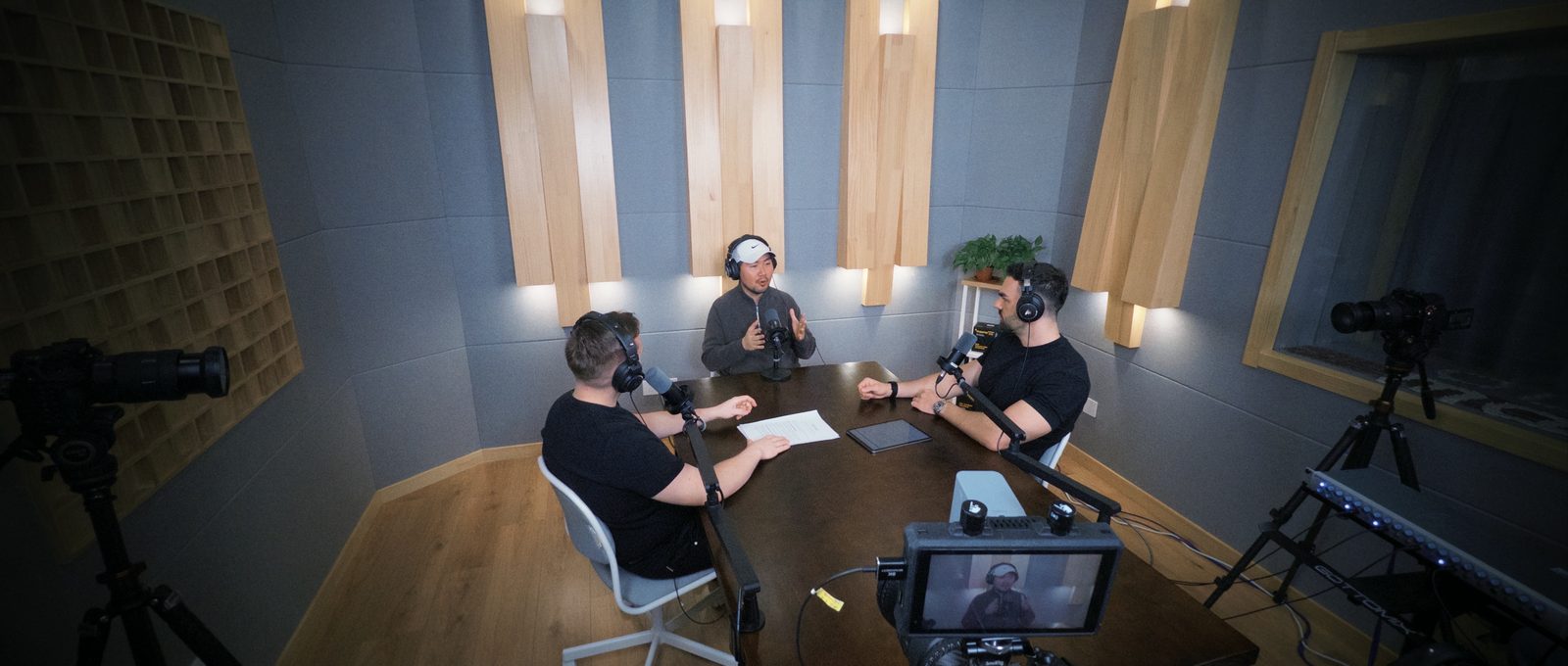
The Pattern: Raise in SF, Spend in Shenzhen
Tuo identified the dominant playbook for global hardware startups in 2026. Founders - not just Americans, but Europeans too - raise money in San Francisco's Bay Area, then move to Shenzhen to build their products. He calls it "Bay to Bay."
The economics are straightforward. A good engineer in Shenzhen costs around $50,000 per year. The same engineer in the US costs three times that. Factories in Shenzhen can deliver prototypes in a week, often for free, because they're investing in a long-term relationship, not chasing a one-time fee.
"Guess how many companies in the US make actuators for robots? Zero. And then you understand why founders are coming to China."
Tuo Liu, Robotuo
270 Founders, One Community
After moving back to Shenzhen, Tuo built what became the largest open-source robotics community bridging East and West. His WeChat group now includes 270+ global founders. Every Monday at 2pm, he hosts a happy hour in his robotics space in Nanshan District where founders from around the world meet face to face.
"Every time we host a happy hour in our robotic space, I can see - this is the world peace we need," Tuo told us. The community isn't just social. Through Robotuo's e-commerce platform, founders can source robotics components from China's supply chain and have them shipped globally.
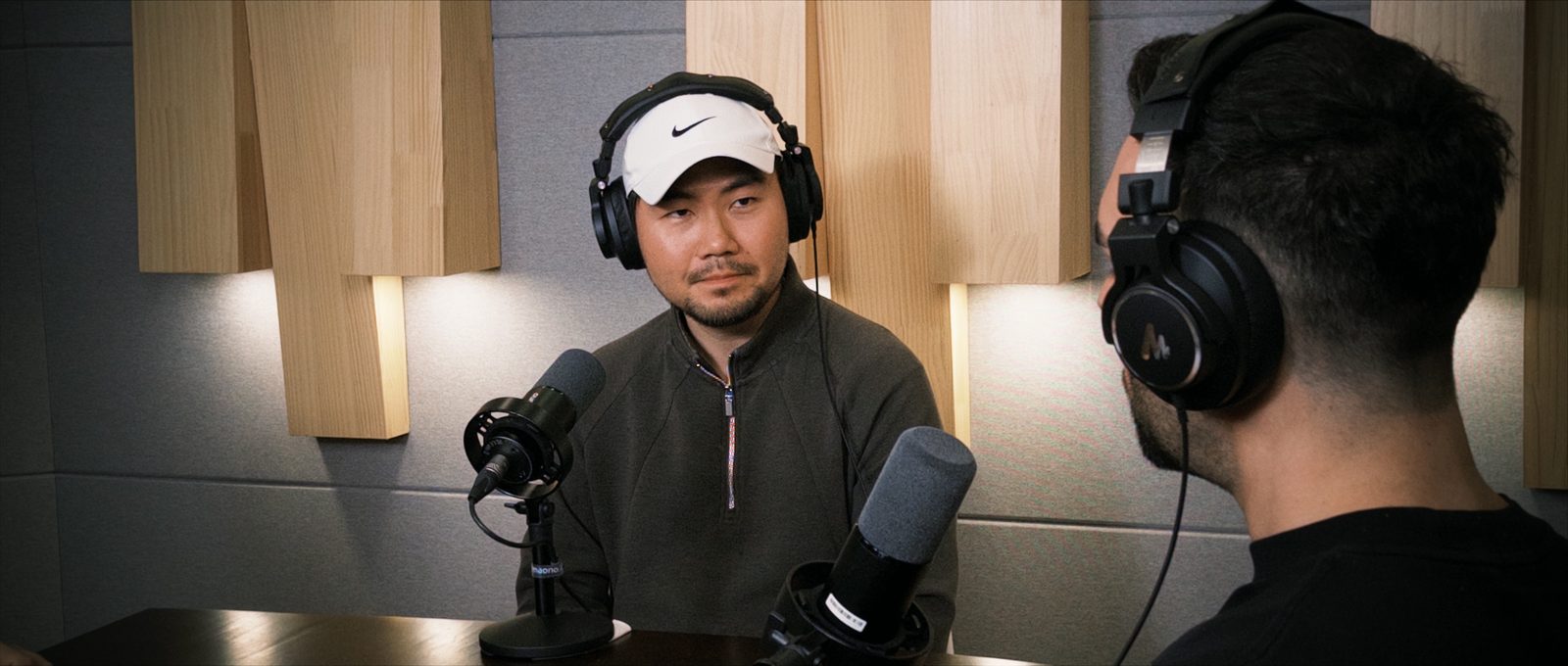
150 Humanoid Companies. How Many Survive?
Tuo's maps of humanoid robot companies in China went viral in the robotics community. His research identified over 150 companies working on humanoid robots across the country, concentrated in Shenzhen, Beijing, Shanghai, Hangzhou, and Suzhou.
His prediction: about 50 will survive in 3-5 years. The ones that will fail are following the "Boston Dynamics trap" - pouring money into research without caring about the market. Japan made the same mistake. China's winners will be companies like Unitree, which sells a humanoid robot for $20,000 while competitors in Japan and the US charge $200,000.
150+ humanoid companies in China.
In 3-5 years, maybe 50 survive.
Tuo Liu's prediction for the industry shakeout
CES = Chinese Electronics Show
When Tuo attended CES 2026 in Las Vegas, the numbers told the story. Nearly 1,000 Chinese companies exhibited, roughly half from Shenzhen. "CES should really be called the Chinese Electronics Show," he said.
For founders thinking about entering the Shenzhen ecosystem, Tuo's advice is simple: make friends first. Set up a local team. Use WeChat, not email. The factories and engineers want to see commitment and a face they can build a relationship with.
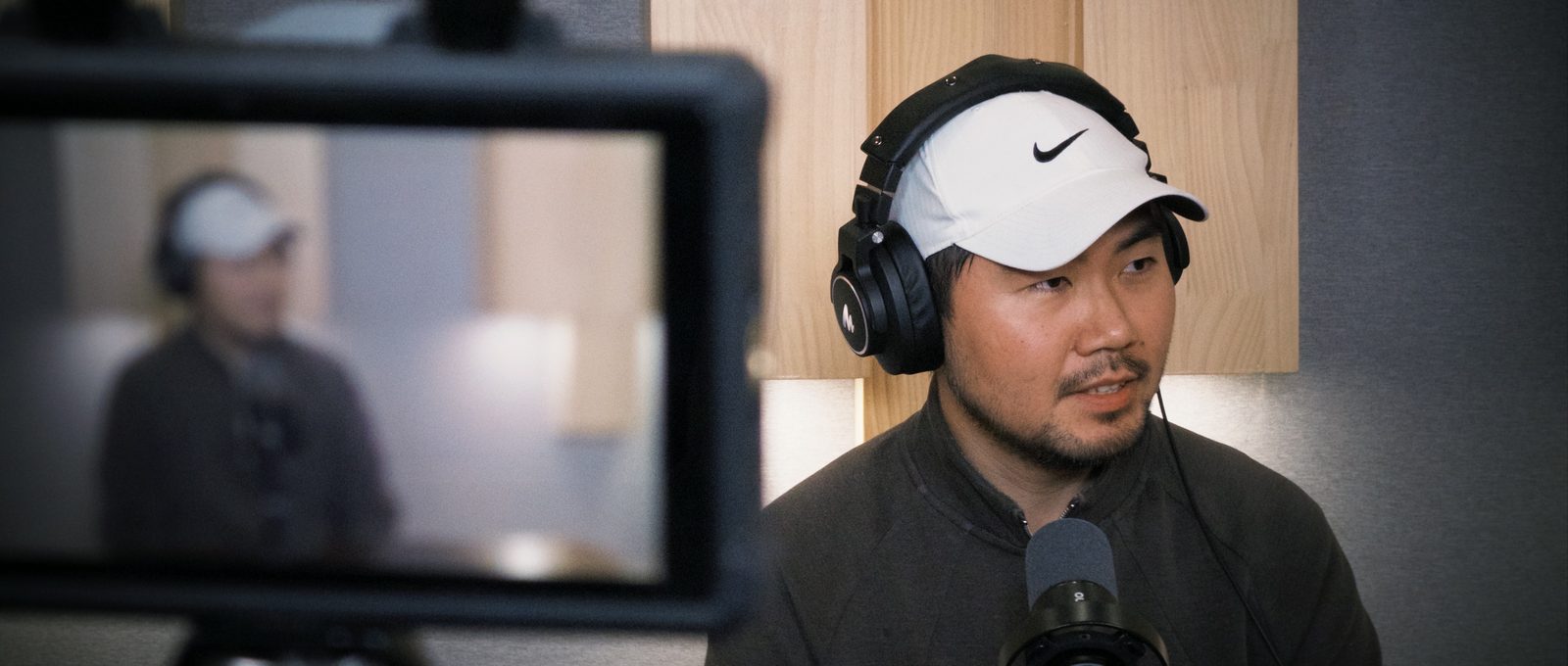
Tuo Liu (刘拓)
Grew up in Shenzhen, spent a decade in the US designing robotics labs and makerspaces for MIT, Harvard, and Apple. Founded Robotuo, the largest open-source robotics community connecting global founders with China's hardware ecosystem. His viral maps of 150+ humanoid companies in China and weekly happy hours in Shenzhen's Robot Valley have made him the go-to connector for hardware founders entering the Chinese market.
[00:07] Thomas: Welcome, welcome. So when I talked to you, there was already so many mind blowing stuff you told us before, like last week. So I'm so looking forward to this podcast because you have so many interesting things to tell.
[00:28] Michael: And quite ambitious, right?
[00:29] Tuo: Yeah. Great to be here. Excited for you guys to come into Shenzhen to talk about hardware and robotics.
[00:34] Thomas: So let's start with one quote you said that was really on the point and I really loved it. So you said we now live in a world in 2026 where people, founders raise money in San Francisco, they spend it in Shenzhen, and then they sell their products to the world.
[00:55] Tuo: Yes, that's exactly what's happening in Shenzhen. So for most of the hardware and robotic founders, so usually they raise Money in the U.S. not just the U.S. founders, but also the European founders. So they move to the US and they look for funding in the Bay Area, and then once they get funding, they move to Shenzhen to make their prototypes and make their products later and then sell it to the world. That's a really clear pattern.
[01:19] Michael: Yeah, but is it like every single robot that you can think of or is it specific like humanoids or.
[01:26] Tuo: I think, because now I think a lot of people work on the humanoid robots, but also they have the desktop robots and the services robots. All kinds of different robots. Yeah. And on the other hand, some founders, they work on the AI wearables like the ring bracelet and like watches, everything. Yeah. And smart glasses. Yeah, yeah.
[01:51] Thomas: So when did you see this pattern come up? When did it start?
[01:56] Tuo: I think it's early 2025. So I still remember the Nvidia founder, Jensen Huang, he mentioned like, oh, so there's a shifting from scream AI to physical AI. So it's coming to be a really big like revolution for physical AI. So that's a point. So where the hardware founders in Silicon Valley, in the Bay Area, in the US because there are not enough supply chain there, they can make their products there. So they have to find a solution. So where is it? So Shenzhen is probably their best option to quickly make the prototypes and, and find out their product. Yeah.
[02:39] Michael: So also 2025, it happens like all these companies, robotics manufacturers in Shenzhen, they were popping up like.
[02:47] Tuo: Yeah, it's not just Shenzhen, but also like Beijing, Shanghai, Hangzhou. Yeah, Suzhou, Suzhou, Suzhou also too. Yeah, all the major cities in China, many companies work on the humanoid Robots. And in 2025 I met more than 100 founders from the US and, and also from Europe too. So I think that's why I think I started to think, okay, Shenzhen is becoming like a global hub for the global founders. Yeah.
[03:17] Thomas: And this is not very. It's not a natural way because when we go back to the time you were born in 1999, the Shenzhen of that time was totally different to what it's now. Right. So your parents moved here 40 years ago and. And you were born here, which is not very.
[03:40] Tuo: No, actually I born in Hulan Province, I moved to Shenzhen very early.
[03:45] Thomas: Okay, so take us back to the time of your childhood in Shenzhen. How was Shenzhen at that time?
[03:52] Tuo: So actually I grew up in between Shenzhen and Guangzhou, so I can see this huge difference. So in the past, Shenzhen is more like a world factory. So here we just made the stuff to the world. But later you realize a lot of founders, they come into Shenzhen to build their products and gradually realize, okay, you can see the DJI, you can see the Inst360, you can see Bambu lab, you can see Tencent, BYD, Huawei, all the big names, all the big brands for the world, for the technology world. So I started to think, okay, Shenzhen is no longer just a manufacturer's place, but it's a place where the innovation, hardware.
[04:37] Michael: When did that start? Like when in your childhood did you realize, oh, here there's a shift happening right now, or is it just too quick to realize?
[04:45] Tuo: Yeah, I think it's after 2010, I guess, because, you know, like the Apple. So I think there's a reason why Apple is so focusing on Shenzhen is two reasons. Because the technology, devices, and also there are a lot of people, I mean, smart people for the technical staff to make the iPhone. It took a long time for Apple to train this staff to make the Apple. So. And then the supply chain is getting better and better, and then suddenly other companies all follow the same pattern. So you can see more and more domestic brands coming out like Vivo and other Chinese phones. Yeah.
[05:39] Thomas: So. And then you moved to the us, right? So you went there for education. And this is also something that we see in China a lot, that young students, if their parents can afford it, they would send them abroad to study and to learn that. And especially in the last decades, it was very important part of education. So how was that? How did the decision take place? And how was your education in the us?
[06:09] Tuo: Yeah, I think it was a really good experience. So after high school in China, I moved to the US for undergrad, graduate school and work. So I spent entirely 10 years in the US. So I spent seven years for school, undergrad and graduate school. And then moved to Boston to work a few years there. And I think it was really good to make me feel like, to define what is a global citizen. I think for a global citizen, it's like I see the world, I see what's going on in the world, and then I have my own mindset to figure out, okay, where I should start my own career. So that's why after a few years in Boston, I moved back to China to start my own company. Because I can clearly see the future is here. Particularly for the founders interested in hardware and robotics.
[07:07] Michael: What is your background? What did you do in Boston?
[07:10] Tuo: Interesting. So when I was in Boston, I was an architect.
[07:15] Thomas: An architect.
[07:16] Tuo: I designed a laboratory for the robotic companies. Also I designed like the, some of the projects for mit, Harvard and other great companies, other great universities in the US and then I started to build some really good relationship with the professors in the school. And then after I moved back to China, some of them started to email me like, oh, tu, can you help me to find some of the robotic components in China? And there's one thing, like for instance, the actuator, the actuator for the robots. Guess how many companies in the US made those actuators?
[07:56] Thomas: Zero.
[07:57] Tuo: Correct.
[07:58] Thomas: Really?
[07:58] Tuo: Yes, zero. And then you understand why the US founders are coming to China to work on their, their, their projects.
[08:06] Thomas: And how many do you know in Shenzhen that do these arms? Wow.
[08:10] Tuo: I think more than 50, I think at least.
[08:12] Thomas: Really?
[08:12] Tuo: At least. At least.
[08:13] Michael: Only in, in the radius of 50 kilometers, probably.
[08:15] Tuo: Yeah, yeah. I think there are too many options here.
[08:18] Thomas: Yeah, but why is that? Why are there no companies in Europe or in the US who can do this stuff? And there are 50 in Shenzhen who can do it.
[08:28] Tuo: I think because of the, the industrialization. So I think in the past 40 years, I think both US and Europe, they kind of like shift to the, they move their manufacturer to Asia and then later they don't have enough equipment, devices and factories to make those stuff. And also people, it's really expensive to hire the technical staff in the US and Europe.
[09:00] Michael: That's true.
[09:01] Tuo: And that's why they can make those products. Yeah, I think that's why.
[09:06] Thomas: But it's not cheap labor in Shenzhen anymore, right? If you want to have good engineers, you also have to pay a lot of money, right?
[09:13] Tuo: Yes, but still the same thing, still affordable compared to the U.S. for instance, like the U.S. founders, they prefer to hire engineers in Shenzhen. Guess why? Because, for instance, for a, like a regular engineer, guess how much to pay in Shenzhen you can pay only like 50k USD for a good engineer for a year. For a year, annually. But in the US you have to pay three times more.
[09:44] Michael: Three times.
[09:46] Thomas: And also the sheer amount of engineers because there are a lot of engineers graduating from the university. So there's more, much bigger pool here.
[09:55] Michael: Right.
[09:55] Tuo: Yeah, I agree. Yeah.
[09:58] Thomas: So and then, then the professors, they sent you an email and then you said, okay, I can help you.
[10:03] Tuo: Yeah. And then I realized, okay, it's the right time to work on the supply chain for the world. Yeah. And then later I started my own company to work on the supply chain for the robotics.
[10:15] Michael: So how did you start?
[10:16] Tuo: So, good question. So, and then I started to build my own community, the open source robotics community. And then more and more founders are coming to Shenzhen and we connect and we build a community together. Now there's over 270 global founders in our open source community group and more and more are joining us later.
[10:41] Thomas: So these founders, who are they? They all do robotics companies or who.
[10:48] Tuo: What is the three types of people? Yeah, so one time is the robotic companies and the second one is the consumer hardware. Yeah.
[10:57] Thomas: Can we stop a little?
[11:06] Tuo: Okay.
[11:10] Thomas: Okay, I will ask the question.
[11:11] Tuo: Yeah, sure.
[11:14] Thomas: So about the founders. So what Personas do you have in this group? What kind of founders are these?
[11:20] Tuo: Okay, so you guys probably heard about Y Combinator.
[11:23] Thomas: Yes.
[11:24] Tuo: And founders in the US Right? Definitely a lot of them in the group. So these founders are like three types of people. Software, software engineer, hardware engineer. And so one group of people working on the robotics and one group of people work on the consumer hardware products. And the rest they work on software because now you can see there's a trend. So more and more software founders are coming to Shenzhen to help the robotic companies to target the global market. For instance, like the large language model in the robots. So in China you probably need to use the domestic LLM models, but in the US, in Europe they need to use other type of LLM and other voice control software. So that's why some of the US founders that come into here to help the robotic companies in China.
[12:23] Thomas: Okay.
[12:24] Tuo: Yeah.
[12:25] Thomas: And what is your business model or what do you do with this community?
[12:30] Tuo: Yes, my business model is pretty clear. So I'm creating a digital platform. So not only just selling the components and the robotics to the world, but also to help people to find the open source for robotics. At the same time they can share their models, they can use the open source models at the same time.
[12:54] Michael: So it's like, so it's very interactive basically in your community, when you have those events, people meet with each other and exchange ideas how everybody can support each other. That's great.
[13:04] Tuo: Yeah, we have a physical space in Shenzhen and we usually we have happy hour every month. So the global founders get together and talk to each other and communicate.
[13:16] Thomas: Open source is a big topic and this is definitely a topic where China dominates. And you are also a strong believer that China will in the future even dominate more in this field. So talk a little bit about open source. How is China's approach to it?
[13:35] Tuo: Yeah, you're right. So like the large language models, so now the majority, the models dominating the world are the Chinese models like Kuwen for Alibaba, like Kimi, like Deep Seq and all others. So I think it's really good approach because they are helping a lot of small groups and small startups to use the open source model because it's way more affordable, much cheaper. Yeah, definitely compared to like ChatGPT and Gemini, I think those are more expensive for the small teams to afford. Yeah.
[14:12] Michael: So what is the advantage and disadvantage when it comes to open source or closed?
[14:18] Tuo: I think for open source like people have more options. They can, like, they can deploy locally. Yeah, they don't have to like upload their data to the cloud, something like that. But I think for the close models it's really hard to predict.
[14:38] Thomas: And also we see the open source approach really helps Chinese companies and software and LLMs to reach more people in regions like Southeast Asia, in Africa, because also the teams, they don't have so much funding that they could afford paid LLMs. So they need the open source. Right. So this is also part of China's advantage to conquer the world when it comes to robotics.
[15:06] Tuo: Yeah, I think it's helping more and more people to understand AI and robotics because you have to let everybody to approach AI otherwise there will be a unfair situation.
[15:20] Michael: And that they focus so much on open source fits so good into this whole picture of China Speed because like, you know, you leverage basically the knowledge of so many people in the community to contribute to the, to the, to the models and that's how you scale so fast.
[15:37] Tuo: Yeah, that's why I also really like Hugging Face. I think Hugging Face is a very, very good European AI company. So people share their models on the same platform and people like, yeah, I think it's really good.
[15:52] Thomas: So do you also have American companies approaching you and asking about the open source China, how this works, like OpenAI? Did Sam Altman call you already to ask your advice?
[16:06] Tuo: Yeah, I mean like when I was in school all the stuff we learned is from Y Combinator. I mean, the entrepreneurship stuff. And my mentor, also a good friend of Saint Altamont, and because I went to school at Washington University in St. Louis, and St. Altamont is basically his for St. Louis. He used to live right next to our campus in St. Louis. So, yeah, I think that's when he started open eye in 20. I think 16. Yeah, a long time ago. And yeah, I think, you know what, the American founders I met in Shenzhen, they work on the open source stuff.
[16:47] Thomas: Okay.
[16:48] Tuo: Like, they work on the open source operational system for the robots and for the smart glasses. I think it's really good. I can see more and more founders, not just the Chinese funds, but also the US Founders working on this open source side.
[17:03] Michael: So I think it's really great to see that they really collaborate. Like, you know, others would say, okay, people are from. From China, they send their kids to the US to gain the knowledge and then, I don't know, steal some ideas. But now this shift is happening in the same direction. Right? You know, global founders, US Founders coming here in order to support each other and build something very meaningful and scale up quickly.
[17:27] Tuo: That's why I'm super happy to see these founders, they get along well with each other in Shenzhen, and the software guys helping the software guys from the US Helping the hardware guys in Shenzhen from China, I can see. So every time we host a happy hour in our robotic space, I can see, okay, this is world peace we need.
[17:51] Thomas: And then the podcast guys help to spread the word.
[17:54] Tuo: Yeah. So I'm very happy you guys do the podcast because you're helping the world to understand more about the technology ecosystem in Shenzhen and the global. How the global founders help each other in Shenzhen. I think it's really good.
[18:08] Thomas: So when one of these founders from the US Or Europe come to Shenzhen for the first time, what is their reaction?
[18:16] Tuo: Yeah, I think usually when they see the beautiful architecture in Shenzhen and when they see the speed, I mean, the manufacturer, everything in Shenzhen, this kind of blew up their mind and also refreshed their understanding of the world. And every time they told me, oh, it's their first time in China, I think, okay, you're gonna, you're gonna. It's the right time for you to refresh your mind and you're gonna embrace a new world. And we are the community to help you to stay in Shenzhen, to understand our ecosystem. And we are becoming like friends.
[18:53] Michael: Yeah, that's why you tell us all the time, like, you have to move to Shenzhen, you have to Shenzhen, I.
[18:59] Tuo: Think just like I think there's two places in the world I think if you really want to work on the innovation side. So for software, I'm pretty sure San Francisco is one of the best option and place, but Shenzhen is the best place for hardware.
[19:16] Thomas: If you say worldpiece, we totally agree because it's not that we want to say Shenzhen is the best place in the world, it is for some industries and areas. But what we also love the most is to see something like Francesco, who was also on this podcast, what he does, it's like bringing the both worlds together. Silicon Valley, the Bay Area is really strong in software. They have the funding, they have the knowledge, they have the passion. Then Shenzhen has the people, the hard working, the innovation, the supply chain. And bringing these both worlds together, it's really something that I love. In the times where it's always geopolitics, us versus you, west against the east. But we see in business and innovation, it's not like that. We all want cooperation and we need cooperation.
[20:06] Tuo: I totally agree with you, Thomas. So I really hope the founders in Shenzhen, they can forget about the geopolitical tensions, just work on your product to help the world. And so that's why we call the relationship bay to bay. The Bay area in the U.S. and the Bay area in China, Bay to bay. And that's why we call the group is Shenzhen SF founders. So we are linking together and we are like helping the world and helping humanity together.
[20:40] Michael: So how did you start with the whole community idea? Did you reach out to the global founders or the professors helped you to get in touch with the founders from the Bay Area?
[20:51] Tuo: I think because I was getting famous on X and LinkedIn.
[20:56] Thomas: How famous are you?
[20:59] Tuo: Not that famous. But every single time if people, they come to Shenzhen for the hardware robots, they always, I'm always the first guy they meet.
[21:06] Thomas: Yeah, you're like niche famous. This is the best thing ever. Like everyone in your niche in your industry knows you. You don't have to like all the people you don't care about to know you. But the right people have to know you.
[21:17] Tuo: Yes. For instance, like in the bear in the U.S. i mean most of the people in hardware and robotics, they know me. Every time they come to Shenzhen we meet each other just, just like Francisco, he text me on X and he said like tool, we should meet up. And then we met in Shenzhen and we became like really good friends. Yeah, yeah.
[21:37] Thomas: So what is some of the viral stuff you post on X?
[21:41] Tuo: Okay, so I posted some humanoid maps. So like Four major cities in China like Shanghai, Beijing, Shenzhen and Hangzhou. And then the world is like crazy. They didn't know how many humanoids companies in China. And I told them, I posted the humanoid maps, like there's over 150 humanoid company in China. And you are not just seeing the robots, but also you can see the whole ecosystem behind these robots. And that's why these robots can be built so quickly. And then we also made the human landmarks for the US and Europe too. But you can see a huge difference. So you could say like one city in China can represent the whole us I mean from the amount of companies. Yeah.
[22:34] Thomas: And this city is Shenzhen.
[22:35] Tuo: Yeah, like Shenzhen. Yeah. Like the humanoid companies in Shenzhen can represent the whole. Yeah.
[22:41] Michael: But if there are so many humanoid companies only in a small area, like how do you pick like or how does a winner or somehow come up? Like how are these companies all competing with each other?
[22:55] Tuo: Good question. So just like the EV cards, you can see there were so many UV cards at the beginning and they compete each other and later maybe some of them can survive. I think it's good because you have to like have enough players at the same time and then you can see the better ones to survive. And I think for this year, 2026 is the year for use case for robotics. So the humanoid companies, they have to find the specific use case, otherwise it's really hard for them to sell their products.
[23:32] Michael: Yeah, right now it's a lot of about demos. Right. So you see these robots kicking here and there and around. But is there what is the actual use case that you can think of or people in your community are also working on?
[23:44] Tuo: Yeah, so that's why you see a lot of videos about the robots. Like they are doing the robot fighting, they play kung fu, they are dancing all kinds of performances. But this is just the basic function of the robots. What we are concerned and care about is how the robots can get into each rooms, like each household to help people in real life. I think there's still a long process for this happen. For my opinion, I think it's going to take maybe five to 10 years for the bipedal humanoids to work in the real world, like the home setting, office setting and the factory setting. But for the wheeled humanoid, I think maybe it will be faster, maybe three to five years. You can see the wheeled humanoid to work in the 711 stores, a circle case store stores and the supermarkets because they can really help to collecting the items, to organize the items in, in the store. Yeah.
[24:50] Thomas: So you had like the 150 humanoid robotics companies in China. What do you think in three to five years, how many of them will survive?
[25:00] Tuo: Interesting. I think in three to five years, I think maybe 50 of them will survive.
[25:05] Thomas: Like a third.
[25:05] Tuo: I like the third. Yeah.
[25:07] Thomas: This is very interesting. You said EVs. I remember from my social media time I did some cooperation with some EV companies that are long gone right now. And at that time I was like, too many. And then it was very interesting. It was. I don't even remember the name of this company, but then I made a video for them and I got the WeChat of the boss. And then two or three years later I saw news in Chinese. It means like he ran away, he flew from China because he. And then I said, oh, this is very interesting. And a lot of people, every time when there's one new industry coming up, like the EVS or the robotics, they will talk about a bubble. It's. It's a bubble. But my reading of this phenomenon, it's. It's not a bubble. It's like a trend. Then a lot of companies and brands hop on, on it. And it's like an arena where you have a lot of bull fight fighting against each other and then there may be 10 bulls fighting and two or three will survive. And it's the same in robotics, right.
[26:10] Tuo: I think it's different because for the cars and phones they have a specific function like cars is mainly for the driving from one location to other location. But robots are kind of different because you can see lots of different robots like the robots at home. In the office also you can see all different service robots.
[26:35] Michael: Yeah, sure.
[26:35] Tuo: Like the restaurant, like the delivery robots and also like the robots to helping your kids to understand, to do education. So I think there will be more players and companies survive in the robotics world because the, the market is so.
[26:51] Thomas: Huge, many more niches in the robotics.
[26:56] Michael: And it can only be a bubble. Right. If there's like no one making real profits. Right. When we saw the dot com bubble, like this is something that blew up because like there was basically zero substance. But here is like people like companies are actually making money already, right?
[27:12] Tuo: Yes. Some of the company, they are making profit like Unitree. They're doing really well. You can see every robotic lab in the world, they have at least one unitree G1. Yeah.
[27:27] Thomas: So in 10 years, you say in 10 years we will see robots everywhere?
[27:32] Tuo: I'm pretty sure, yes.
[27:33] Thomas: So take us if you through a day.
[27:36] Tuo: Yeah.
[27:37] Thomas: Of you in 10 years living in Shenzhen.
[27:39] Tuo: Yeah.
[27:40] Thomas: Where Will you meet robots in daily.
[27:42] Tuo: Life, like at home you have a home robot to take care of your kids and also to be like a security. Like. Yeah, like your assistant at home. Also in the office you can meet the humanoid system. Like the administration officer. Yeah, receptionist. Yeah, receptionist. And on the other hand, in the restaurant you can see the delivery robot and also in the supermarket you can also see their robot. I think it's going to be everywhere. So you can see the cleaning robots on the street. I think you already see. Yeah, it's kind of normal.
[28:22] Thomas: Police robots.
[28:24] Tuo: Police robot. Yeah, I think for security.
[28:26] Michael: Yeah, but where do you see the risks if you have robots installed like in every single path of your life? Basically. Also you mentioned security, right? What if the robot just takes crazy?
[28:39] Tuo: You mean that the robot taking over the world? Yeah, I think, I think hopefully not. We have to make sure they are doing the right things. I mean for the robot. That's why people care about the cybersecurity. Not just robots, but also AI. So hopefully we can get along with AI robotics.
[29:00] Michael: But what are these founders actually already working on in order to avoid that? Like, you know, the humanoid will potentially, that's in your home, will potentially like fight with your kids or start attacking them.
[29:12] Tuo: So I think that's why AI is important because AI is also controlling your robots. So as long as the system and the AI is doing the right thing, I think that should be fine. Yeah, yeah.
[29:26] Thomas: What, what are the projects all these founders are working on right now? So what is the one trend? Because as you said, there are a lot of niches in humanoids. Different things you can do humanoids, but also dogs. Robo dogs or hardware. What is one area that most of them are active in?
[29:45] Tuo: I think one of them, I mean some of them working on the general purpose humanoid robots. So just like unitree, some of the US founders, they are working on the. Yeah, the humanoids. Basically just humanoids. But they utilize all the components and manufacturers in, in China. Others I think they. I still remember one founder who graduated from cmu, Karaji Meilong University. So he's working on the robo fighting robots only for the humanoid. Like the, the boxing and the robo fighting. Yeah, yeah.
[30:30] Thomas: So this is just pure entertainment.
[30:32] Tuo: Yeah, pure entertainment.
[30:33] Michael: Okay.
[30:34] Tuo: I think it's not wrong. I think it's good.
[30:35] Thomas: It's not, it's like, could be very interesting.
[30:38] Tuo: Yeah, you're gonna see the humanoid fighting in my space later too.
[30:43] Thomas: Yeah.
[30:44] Michael: As long as you don't give them any guns or something.
[30:47] Tuo: No, yeah. As long as like you, you teleoperate, then it should be fine.
[30:51] Thomas: Yeah. There was this one video going viral of a boss of a company getting a kick in his belly from this humanoid.
[30:59] Tuo: So that's Engine AI. Yeah, we work with engine AI too. Yeah. Engineer is from Shenzhen. Yeah. And they are launched like robo fighting next Monday.
[31:09] Thomas: Oh wow.
[31:10] Tuo: Yeah.
[31:11] Michael: So there's like regular events already in Shenzhen happening where you can.
[31:14] Tuo: I believe.
[31:14] Michael: So robo fights. Okay.
[31:16] Tuo: You're gonna see the robo fight in our space later too.
[31:19] Thomas: Oh wow.
[31:21] Tuo: Yeah. And also there are other founders who work on the companion robots.
[31:25] Michael: Yeah.
[31:26] Thomas: Like this is a big industry.
[31:27] Tuo: The industry. Yeah. Like companion, like to.
[31:30] Michael: To like emotional support.
[31:32] Tuo: Emotional. To support like your parents, your kids. Yeah. Yeah.
[31:37] Thomas: In Japan a lot of people already use it, Right. Because it has an aging population in. In Japan. Talking about Japan, this is very interesting when you see like 15 or 20 years ago everyone was saying Japan is so advanced when it comes to robot, but it's somehow came to a stop that they didn't continue developing. And then Shenzhen came up, China came up and they overpassed Japan. What did Japan do wrong?
[32:02] Tuo: I think what Japan did wrong is like just like Boston Dynamics. I think they spent too much money and time on the research side, but they didn't care about the market. And the products were super expensive. And once it's too expensive, they can scale. Once they can scale, they can reach out to people. I think that was the huge issue. They can make really cool robots, but people cannot buy it because it's expensive. It's pretty expensive. But like Unitree, they sell the products, I think much cheaper than Boston Dynamics. That's why the company, they can buy it like the same thing in Japan. They have really good quality, but just too expensive. Yeah.
[32:56] Thomas: So where's the edge? Where's the advantage of unitree? For example, how come that they can make it much more cheaper than other companies? Are they just burning money to get the market reach or do they actually also can make it for cheap price and also make some money?
[33:13] Tuo: I think it's because of the manufacturing ecosystem in China you can find the right factories to produce the right products and much faster and much cheaper. So for instance, the G1, they can sell like just 20k for the human robot, but maybe for some other companies in the US and Japan you have to pay 200k, right? Yep. So. But the function is so similar. So I think they can might they can make the right choice. They can. They. I think they would just pick Unitree for sure.
[33:51] Thomas: And this is just the beginning because from electronics we know that the prices go down with time. In five to ten years it will be 50% or 20, 30% of this. Right.
[34:01] Tuo: I'm pretty sure later people can buy a really good humanoid. Maybe around 10k. Yeah, yeah.
[34:09] Thomas: So when you talk about the ecosystem here in Shenzhen, talk us through what, what is like something that if you are a founder, you come here, where do you start?
[34:21] Tuo: Okay, so how do you start to join a really good community? We know that not just us, but also like Thomas, Michael, we have to know each other.
[34:33] Thomas: Yeah.
[34:33] Tuo: So we are a open source community. So how do I define open source communities? Like it's not just the software and hardware, but also the ecosystem. We have the open source communication. So first to find the right group, just like us, we know each other and then people can help each other to find the right factory and to find the right partner to work with. That's very important. Otherwise you're going to meet a lot of middlemen. The middleman's gonna like, you're gonna like be becoming like frustrated about a lot.
[35:06] Michael: Of things and most of them don't really know what you're actually trying to build.
[35:09] Tuo: Right? Yeah. So once they understand the community here, they can start to make their prototypes. Because there are many maker spaces in Shenzhen, like Chaihua, maker spaces in other places, and also some of them in Huaqiang Bay. Like have you been to Huaqiang Bay?
[35:25] Thomas: I think I've been to a lot of places, but I'm not very happy.
[35:30] Tuo: Maybe I should give you to give you guys a tour in Shen. Shenzhen to go to the places.
[35:34] Thomas: Yeah, we have to do our homework about the geography of Shenzhen.
[35:37] Tuo: Yeah. So maybe next time we can visit some of the robotic companies together. You guys have to visit Shenzhen, Robo Valley. So maybe next time we can go to visit these major robotic companies to see the human eyes together.
[35:49] Michael: Yeah.
[35:49] Tuo: And okay, one thing, to join the community and make connection locally and then to find some of the spaces to work. Yeah, the maker spaces and also like some co working space, I think. Yeah.
[36:05] Thomas: So because we have a lot of people, they watch our podcast, they read our newsletter, then they will contact us because they need help to find some suppliers to find companies in China. But they said it's impossible to contact them. They write them an email, they don't answer. So is it like that? You definitely still need the Guanxi. You need to contact the right network in China to find the right suppliers.
[36:28] Tuo: I think it's the communication differences for in the west people prefer use email, but in China, WeChat is everything. So that's why you understand now why the founders all use WeChat. Because the suppliers all use WeChat. So that's why they're all in our WeChat group, the founders. So I mean like, so that's a. Communication issues and we are, we wanted to solve these issues too. So we wanted to put all the suppliers in the same platform so everybody can connect them and contact them right away. So like the issue like Thomas mentioned, we are going to fix them. Yeah, our open source community will fix them for the world.
[37:12] Michael: So yeah, these people are not only reaching out to us because they can't get in touch with all these robotics companies, but also some of them, they're like fascinated by robotics and they want to enter the field. Maybe they have a background in some software development, but now they want to bring this to the next level. Because software alone is something that also VCs are not really like pushing a lot and they are not really interested anymore. So there has to be some sort of physical AI, right. So how if they have some sort of like idea, is it enough to just join the community with some sense of okay, I like, I like humanoids. I'm just coming to China, I just reach out to tour. I want to join the community.
[37:51] Tuo: Yeah, sure.
[37:52] Michael: Maybe I'll find like yeah, sure. Co founder or someone who just guides me.
[37:57] Tuo: Yeah, that's why we do the happy hour. We want to help these founders. Maybe they can find their co founder here.
[38:04] Michael: That's great.
[38:06] Tuo: Yeah, yeah, yeah.
[38:08] Thomas: You should get the Peace Nobel Prize because. No, definitely it makes.
[38:13] Tuo: So that's why I mentioned open source. Open source communication.
[38:17] Thomas: Yeah. We're always talking about it and we find it like everyone here in China is so generous and not when not about money. It's about resources, about contacts, about network. I give you. I'm really willing to support you. You're really willing to support me and everyone is just sharing. So this like open source of communication.
[38:38] Tuo: Yeah, yeah. That's why I embrace. Yeah, yeah.
[38:41] Michael: One thing that would. That is something I want to understand is also. Okay. There are so many different companies in the landscape. Right. How do I know that this is a legit company? Is it only because you know all of them or if I have no access to your community and I just do my research, the research myself. Is there something I have to watch.
[39:03] Tuo: Out if I. Yeah, I think if the founders do want to make more prototypes, I recommend they have to visit the factories Physically to see how they run the factory. And they have to pick at least three factories to see the prototypes because the factories, they would love to make the prototypes for the founders. I think it's only happening in China because the factories in China they love to help the global founders. Even they are in the pre seed round. But in the US and Europe the factors don't care because they only care about the bigger customers.
[39:43] Thomas: So you talked about WeChat. WeChat is very important. And Elon Musk, by the way, is also very jealous of WeChat because he wants to make X into the new WeChat but didn't succeed yet. And what about Chinese? How important is it to speak Chinese?
[39:58] Tuo: Good question. So like you mentioned, X wanted to become the witcher. And for learning Chinese, I think like Thomas, you speak really well Chinese and then you can. I think this is a super plus for a founder. But we understand it's extremely hard to learn Chinese. But I think at least you understand some of the basic Chinese will be.
[40:25] Thomas: Really helpful with your knowledge of all the trends and AI. Do you think it's still necessary now to spend so much time and energy to learn Chinese? Because when we see all the hardware we also had on this podcast, the translation devices are getting better and better. Do you think in 10, 15 years we still need to learn foreign language languages?
[40:45] Tuo: I believe so. Because I think no matter how AI and robotics develop personal interaction, connection is super important. I think language is the key to help people to know more about each other. Yeah. Yeah. I hope more people would like you to can master different language at the same time.
[41:07] Michael: Yeah.
[41:08] Thomas: Thank you so much for saying this really comforts me because I always think, oh, it was an advantage like 10 years ago that I speak Chinese. But I said know if it's still in advantage.
[41:17] Michael: Definitely. I told you so many times. Right. That's why I also spend like every single day even though I have like a full pack day every single day.
[41:24] Tuo: That's why I I wanted to tell everybody, Thomas, probably the best person to can help to let the world to more understand better the Chinese tech ecosystem because you know the Chinese culture and the west western culture so well.
[41:43] Thomas: Oh, thank you so much. I'm blushing. Too much praise for me.
[41:47] Tuo: Yeah. And so I'm glad you guys doing this podcast. I think this is a great beginning.
[41:53] Thomas: Yeah. For sure. Is because we wanted to start from our for ourselves to understand this ecosystem. Because even for me living 10 years in China, it's every time I'm so mind blown when I Come to Shenzhen. And when I meet people like you and you tell these stories for me, like robotics and AI is also very quite new topic because last year when we met for the first time, I remember you were talking about LLMs and asking what does LLM mean? I was using ChatGPT at that time, but I didn't know. Yeah, LLM, I heard it, but I didn't know what it means.
[42:29] Michael: It's like now our whole team is run by AI.
[42:35] Thomas: So this is really crazy. And talking about. I also wanted to. I'm really interested in some failures, some mistake stories. So you met so many, many founders and is there a story you can share with us where you said, okay, there was one. You talked about the middleman. There are also black sheep in Shenzhen in China who just take your money.
[42:56] Tuo: Yeah.
[42:57] Michael: That's why I was asking about the prototype thingy. Right. What is something that you really have to care like watch out. If you, if you reach out to the companies yourself without joining your community.
[43:05] Thomas: First because people don't know you maybe and they go do it.
[43:08] Tuo: Yeah, so. So that's why I think making friends in China is very important because your Chinese friends can help you to identify which one could work, which one don't. So if they don't have these connections, I would recommend to make comparison. Don't rely on one single factory. You have to collect different prototypes at the same time. Yeah. Because these two prototypes are free. And then you can make a comparison. Yeah. And take some time to understand and to make a good relationship with all these factories. And then later you will figure out, okay, which one is the best.
[43:49] Michael: So these manufacturers, they do the prototype for you for free. How long does it take for them to just.
[43:54] Tuo: I think some of them could do like a week. Yeah, yeah, yeah. Really fast. Yeah, that's crazy. Yeah, it's crazy. Yeah. Sometimes you can just go to a factory and they can help you right away.
[44:07] Michael: So you also have like a sketch of like sketch on the papers.
[44:10] Tuo: Yeah. You can just show them your this is my idea. Yeah, my idea. And then. Yeah, absolutely. Because some of the manufacturer, they can provide the design services too.
[44:19] Thomas: Okay.
[44:19] Tuo: All they care about is for a long term collaboration. Yeah, yeah, yeah. That's what they're looking for. They're not just looking for your prototype fee. That's nothing for them. Yeah, yeah.
[44:31] Michael: So again, back to your business model. When you have the community, you also connect them with the right manufacturers. Right. Do you get some sort of.
[44:39] Tuo: Yeah, actually we, we don't connect them personally. But what we wanted to do, like, okay, these manufacturers, they all can be on our platform. And once there's a. Once there's a deal, we just. We just have the commission fee. That's it. Like, if the founders, they want to sell their solutions on our platform, it's totally fine, and we can just have the commission fee. Okay, yeah, that's it.
[45:09] Thomas: And you went to CES this year, right?
[45:14] Tuo: I didn't because I was raising my round this time for my company and doing very well this time. But a lot of founders in our group, they went there. And you know what? It's crazy. So WeChat is becoming like the official social app in CS.
[45:32] Thomas: WeChat.
[45:33] Tuo: WeChat. I mean, not officially, but people call.
[45:36] Thomas: It official being official.
[45:37] Tuo: Yeah. Because I can see all the founders talk about cs. They are in cs in our group. Even I was not there. I can see.
[45:46] Thomas: Yeah, you have live streaming.
[45:47] Tuo: Yeah, live streaming. Yeah, yeah, yeah.
[45:49] Thomas: And I saw something very funny in your pitch deck or introduction deck that you said, CS is now Chinese electronic show. Chinese electronics show. Yeah. So this is crazy. And. But also at the same time, we had founders who said, okay, they wanted to do some side events to cas and they got canceled because of geopolitics. And they said, oh, we don't want to have, like, Chinese incubators or Chinese companies doing side events here. This is like, how. How do you manage this to different worlds? Like, you have the geopolitics tensions on the one hand, and a lot of people in the US don't trust China, don't like China. But then the ces, it's full of Chinese companies. I mean, I don't know how many. Like 80%, I would say.
[46:36] Tuo: Yeah. I think almost 1,000 Chinese companies attended CES this time.
[46:41] Thomas: Crazy.
[46:42] Tuo: And almost half of them are from Shenzhen. Is it crazy, right? Yeah, it is super crazy. Yeah. So I think.
[46:50] Michael: And you can see that here also, like, in daily life, whenever I order something on taoboard, always coming from Shenzhen.
[46:56] Tuo: Yeah, it is. Yeah. Yeah. So I think for the global founders, I think get rid of the. I mean, the geopolitical things. Yeah. Just focus on your work and come to Shenzhen. Come to China to work on your hardware and robotics projects. Yeah, yeah.
[47:13] Thomas: So what. What was the one product, maybe not. Not necessarily humanoid that caught the most attention on CES cs. Yeah. One product from Shenzhen.
[47:24] Tuo: From Shenzhen.
[47:25] Thomas: Or one category.
[47:26] Tuo: You mean in addition to humanoid? Yeah, yeah. Apart from robots, I think there's a drone, for instance. 360.
[47:35] Thomas: Oh, yeah, yeah. They're in the drone Game now.
[47:37] Tuo: The drone. Yeah, I think the drone they make is really good.
[47:40] Thomas: DJI is quite afraid.
[47:42] Tuo: Yeah, I think. But I think spare is for them to compete with each other because we can't just rely on one company working on the john.
[47:51] Thomas: That's true.
[47:52] Tuo: Yeah, yeah.
[47:53] Thomas: So it's also a 360 drone, right?
[47:56] Tuo: Yeah, yeah, I think that's a really good product.
[47:59] Thomas: Yeah.
[47:59] Tuo: And also Bamboo Lab, they make really good 3D printers.
[48:03] Thomas: Yeah, they, they are the company that broke all records on Kickstarter, right?
[48:07] Tuo: Yeah. And now they have a flagship store in Shenzhen. You guys have to visit. Yeah, yeah. Bamboo left have a. Yeah, yeah, yeah.
[48:17] Thomas: That's crazy.
[48:18] Michael: And then get a 3D printer ourselves and do some prototypes or fake products within a few few days only. Ready and then.
[48:25] Thomas: Yeah, that's crazy. Yeah, that's crazy. So what is one advice you would give for founders who come here for the us the most important thing, the.
[48:35] Tuo: Most important things like. Make some good friends in Shenzhen and then connect with people here.
[48:49] Michael: So it's worse to buy a ticket and stay. I don't know if you have like zero connections to China, but you're well connected in your software or other industry. You just come here, spend like how much time a month? 2 weeks? 1 week and then you'll.
[49:06] Tuo: Okay, good question. So if for them to wanted to understand the ecosystem, I think two weeks is enough. But if they are really serious about making products, they have to stay here for a while. So that's why I think some of the international companies in China, they fail because they don't really set up a team here. So just like Apple and Tesla, they have the whole team here for manufacture. That's why they succeed. So the same applies to the startups. So if they don't set up a office, they don't set up a team here. It's not going to work because you have to have some people here to deal with the relationship with the manufacturer and with the local connections. You have to be here, have the team here. For instance, you can have your headquarters in sf, but you have to set up your R and D team in Shenzhen. Yeah. That's why I think this is the right path.
[50:11] Michael: So VCs also, they, they are fine with when, when they raise money in, in the Bay Area, in San Francisco. But yeah, they somehow move to, to China.
[50:24] Tuo: I think it's totally fine because your legal entity is still in the us but you just like work on your manufacturer in China and you know what? They don't have a choice.
[50:35] Thomas: Yeah, that's what I want to say. There's no choice. They can be fine or not fine. There's no choice. You say there's zero companies in Europe or us who can do the robotic arms. What should they do?
[50:49] Tuo: So what should they do? If they just rely on, like, getting the stuff, like from the shipping, it's gonna be too slow for them.
[50:58] Michael: Yeah.
[50:59] Thomas: For me, it's very interesting that we talk about these big topics, but in the end, it just comes to the point that you have to find the right people, the right friends, the right network to succeed.
[51:09] Tuo: Yeah. I think networking is so important.
[51:12] Thomas: Yes. So how can people reach out to you? How can they find you.
[51:17] Tuo: X LinkedIn everywhere. Yeah.
[51:20] Michael: Crazy bits.
[51:22] Tuo: And now we know each other and then I think probably more people will know about the community for sure.
[51:28] Thomas: Yeah. So people can also just send us an email. We're also very happy to introduce.
[51:33] Michael: Yeah.
[51:33] Thomas: It was crazy. Thank you so much. Thank you so much for, number one, for organizing this community, for making world peace. It's very important. Just. Yeah. Helping the world to become a better place.
[51:48] Tuo: Okay. Thank you so much. I think as long as we work, we will definitely make the world a better place.
[51:53] Thomas: Yeah. Thank you to all.


Get These Insights
Every Monday
Join 18,000+ professionals who stay ahead with Asiabits. Every Monday, straight from Shanghai.