
- First million-dollar Kickstarter from Shenzhen. Laurent's Omate TrueSmart smartwatch raised over $1M on Kickstarter in 2013. The idea came from surplus iPod Nano displays that LG couldn't sell after Apple discontinued the product.
- Pivot or die. When Apple announced the Apple Watch, Laurent shifted Omate to smartwatches for seniors and kids. He calls pivoting "reusing everything you learned and finding a new market" rather than starting over.
- Hardware masterclass: know your NRE. Building a physical product in Shenzhen means understanding your non-recurring engineering costs: tooling ($50K-$200K for small products), PCB design, hardware engineering, and software. The Greater Bay Area has the talent and supply chain within 100 kilometers.
- IP theft is overblown. Laurent quotes a friend: "If I steal your watch, you don't have it anymore. If I copy your idea, you still have it." Execution, timing, and the ability to mass-produce at the right quality and price matter more than the idea itself.
- Side devices are the future. Gen Z wants to disconnect from their phones. Laurent sees a trend toward dedicated physical devices with specific functions, like the Oxtak Moneypenny AI recorder, as alternatives to doing everything on a smartphone.
A French Soldier's Grandson in Shenzhen
Laurent's connection to China started long before he ever set foot there. His grandfather was a French soldier stationed in China during World War II, part of a small Marine unit sent to the region. As a teenager, Laurent transcribed his grandfather's war memoirs and turned them into a book for his family. Those stories planted a seed.
In 2005, fresh out of school at 23, Laurent chose his first employer specifically because they had an office in China. Two years later, he landed a transfer to Shenzhen. When he told friends and family, nobody recognized the name. He had to describe it as "a city between Guangzhou and Hong Kong."
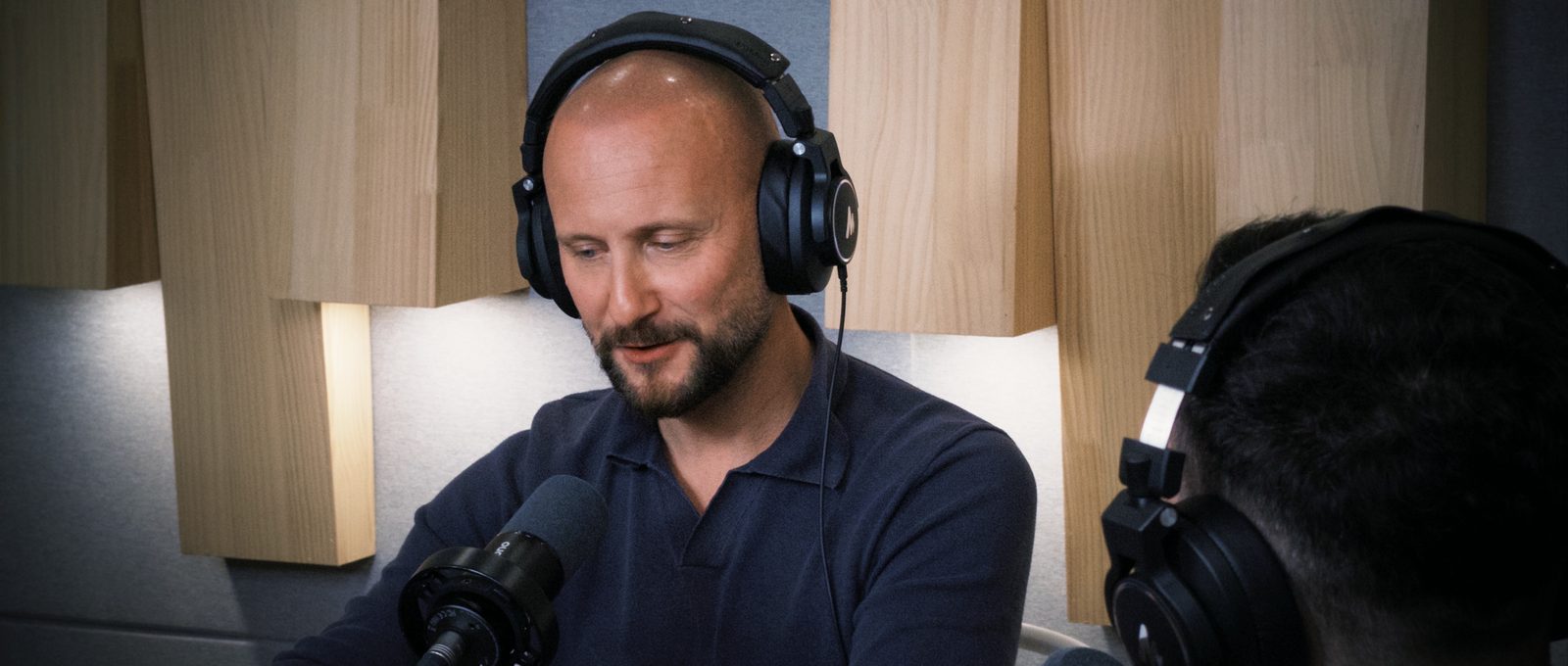
The iPhone Moment, Seen from the Inside
Laurent arrived in Shenzhen in late 2007 working for a spin-off of Philips Mobile as a strategic buyer. His job: sourcing the key components that made up 80% of a phone's value. Chipsets, memory, displays, cameras, batteries.
Then Steve Jobs introduced the iPhone.
"I watched that live with my colleagues. Steve Jobs said, 'Today I will introduce an iPod, an internet device, and a communicator.' And then he said it again. And the crowd is waiting, and he says, 'You understand, it's three in one. And that's called iPhone.'"
Laurent Le Pen
For the feature phone industry, it was an extinction event. Laurent watched it happen from the inside. His supplier list read like a who's who of companies that would later become household names. One of them: BYD, back when they only made batteries.
The Million-Dollar Kickstarter
The smartwatch idea came from an unlikely source. LG had half a million surplus iPod Nano displays sitting in a warehouse after Apple killed the product. They offered them to Laurent's team at a deep discount. Nobody wanted tiny screens in an era of ever-growing phones.
Then one of their engineers connected the small display to an Android board. A thumbnail version of Android booted up. Laurent saw it and thought: what if we could build a standalone smartwatch?
They called it Omate TrueSmart. On August 21, 2013, they launched it on Kickstarter. One month later, they had raised over $1 million. It was the first million-dollar Kickstarter project to come out of Shenzhen.
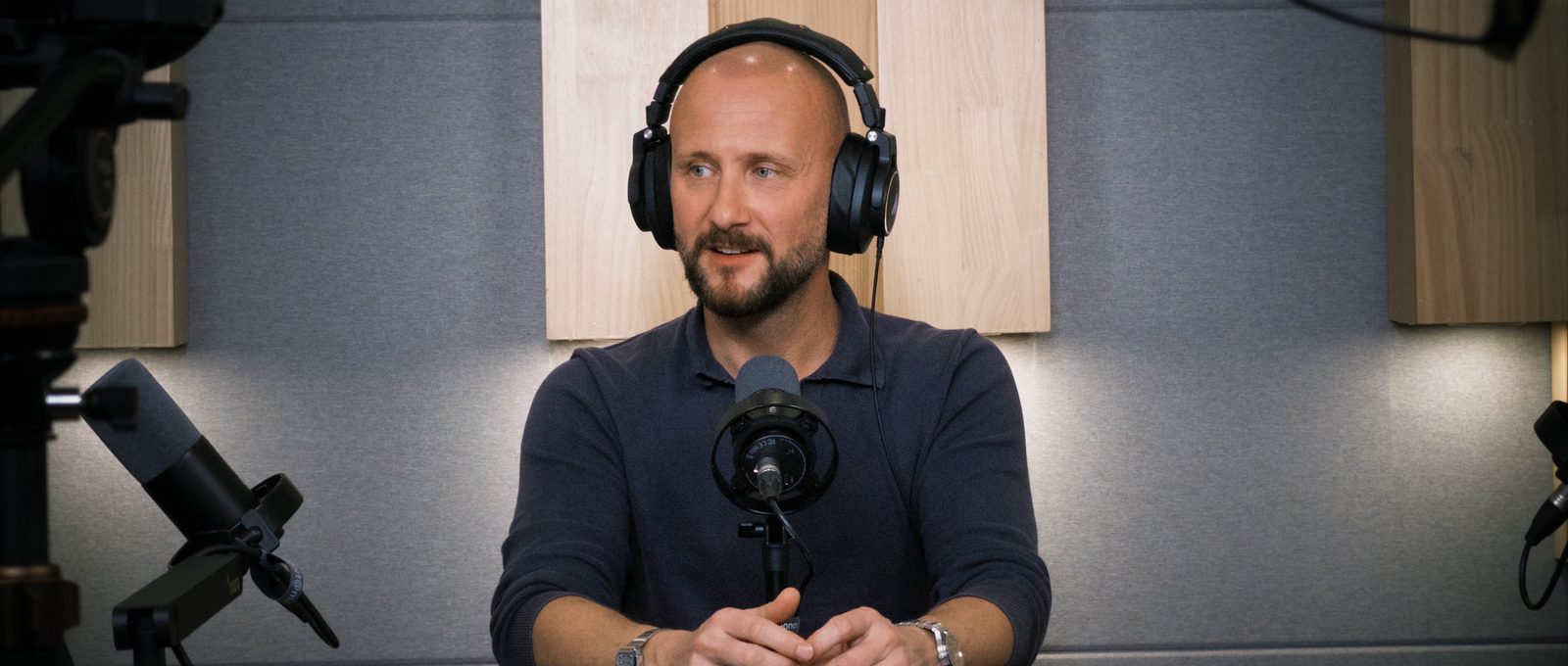
When Apple Forced a Pivot
The Apple Watch changed everything. Suddenly, the biggest company in the world was in Laurent's market. Fighting Apple head-on was suicide for a startup.
Laurent pivoted. He shifted Omate to smartwatches for seniors and children, niches that Apple wasn't targeting. It worked.
"Don't be afraid to pivot. You are the captain of your company. If you see rough seas, you can change direction. Pivot doesn't mean doing something totally different. It means reusing everything you learned and finding another market, another way."
Laurent Le Pen
Oclean: From Shenzhen to Eastern Europe
In 2016, Laurent co-founded Oclean, a smart oral care brand. The company accumulated over 30 awards and more than 300 patents. Building on Shenzhen's manufacturing muscle, Oclean became one of the top oral care brands in Eastern Europe, with a particularly strong position in Poland.
Oxtak Moneypenny: The AI Side Device
Laurent's latest venture is Oxtak, an AI productivity platform. The flagship product, Moneypenny, is an AI-powered recorder with live translation capabilities. It transcribes, translates, and summarizes conversations in real time.
The design philosophy is "retro-futuristic": aluminum body, physical buttons for record, stop, and play. Think classic hi-fi equipment meets modern AI.
"I hate doing similar things as others. I want to be world first on something. I want something very dedicated to opening a new segment."
Laurent Le Pen
Laurent sees Moneypenny as part of a growing trend toward "side devices." Gen Z wants to disconnect from their phones. Dedicated physical devices with specific functions offer an alternative to doing everything on one screen.
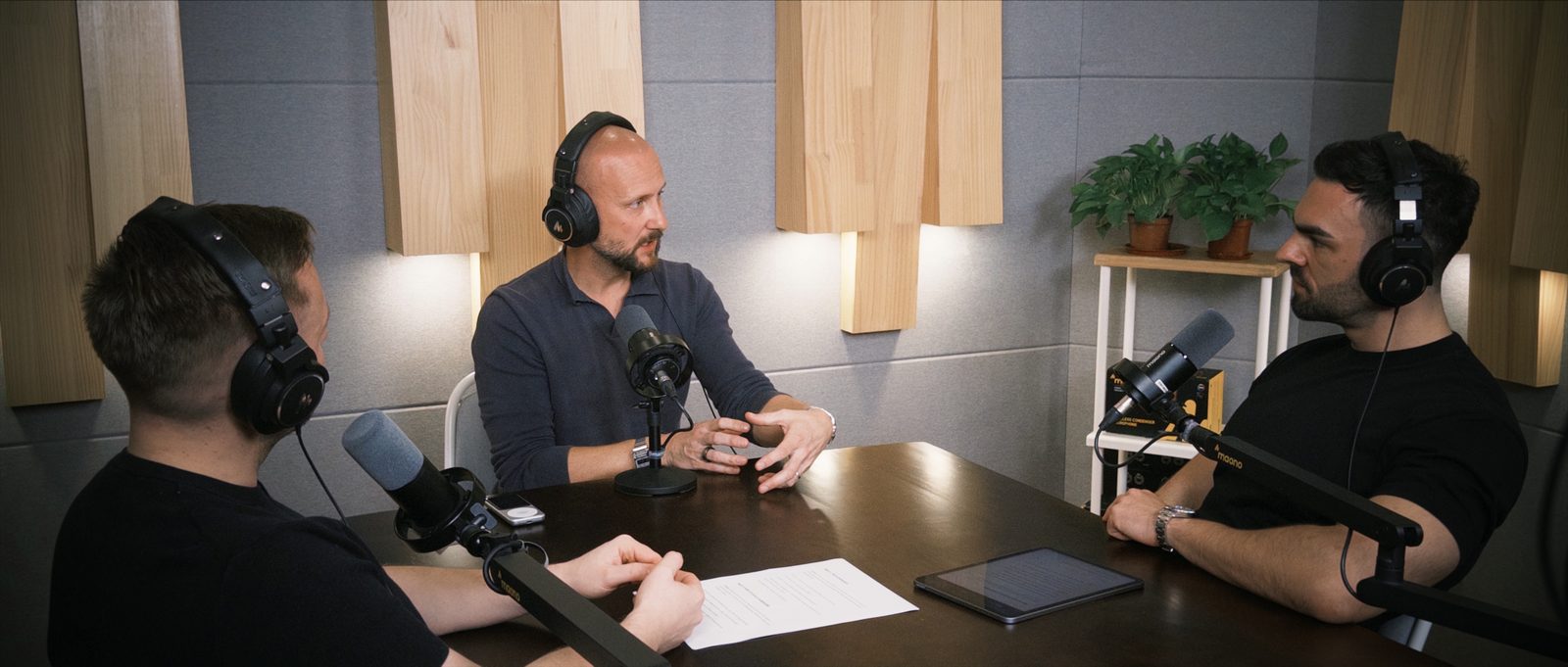
The Hardware Masterclass
After 18 years of building physical products in Shenzhen, Laurent distills the process into practical terms. The key cost to understand is NRE: non-recurring engineering. For a small product, that's $50,000 to $200,000, covering tooling, PCB design, hardware engineering, and software.
The Greater Bay Area's advantage is density. Tooling manufacturers in Dongguan and Zhongshan. PCBA assembly everywhere. Software can be written from anywhere in the world, but hardware needs physical proximity to factories, engineers, and supply chains.
His advice for foreigners coming to Shenzhen: know what you're good at, find the right people for everything else, and always get multiple quotes.
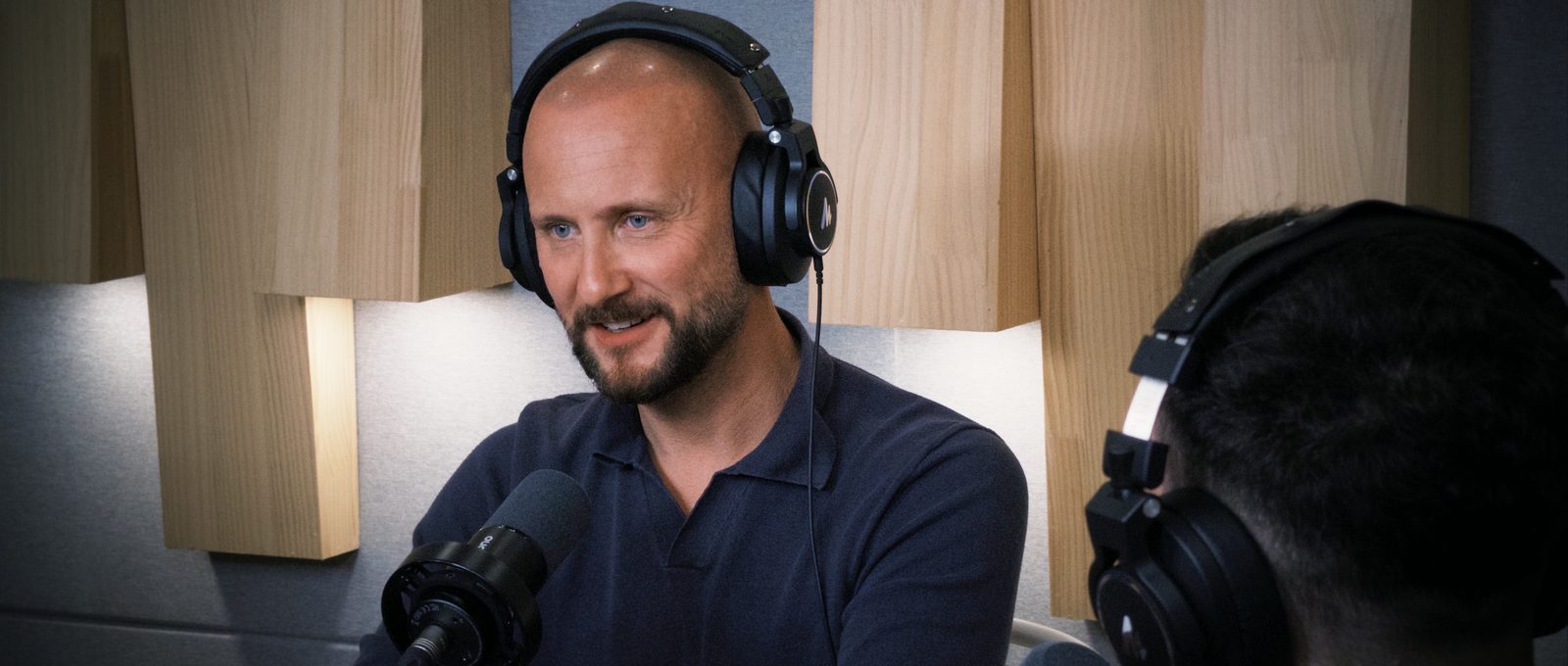
Laurent Le Pen
Laurent Le Pen is a French serial entrepreneur who has been building hardware companies in Shenzhen since 2007. He founded Omate, the company behind the first million-dollar Kickstarter smartwatch from Shenzhen. He co-founded Oclean, a smart oral care brand with 30+ awards and 300+ patents that became a market leader in Eastern Europe. His latest venture, Oxtak, is an AI productivity platform whose flagship Moneypenny device combines recording, live translation, and AI assistance. Laurent is a 500Global alum and board member of La French Tech Hong Kong Shenzhen.
[00:00] Shenzhen is really the center of the Greater Bay Area. All these nine satellite cities from Hong Kong, Macau, Zhuhai, Zhongshan, Guangzhou, Dongguan, up to Huizhou and all these cities and Shenzhen in the center. So Shenzhen is just like the center of this new Silicon Valley. So all these buildings, it's not just a bubble, right? They really need it. Yeah, because the goal is to kind of compete, replicate this kind of Silicon Valley in the US that like to copy this kind of giant megapolis in 100 kilometers. So yes, and many people come here to Shenzhen because the land of opportunities.
[00:47] Laurent, take us back to the moment when you heard the name Shenzhen for the first time. All right, so it was 2005 when I started my career. So a bit more than 20 years ago actually I had, I had to, you know, I was looking for my first job and I have the choice between three companies and the only one which had a link with China is the one. I selected that one because I wanted to, to have an experience in China. And that's where I heard about Shenzhen. Like, you know, like a department design department in Shenzhen.
[01:25] So that's the first time I heard about Shenzhen. When was that? 2005. That's when I started my really my car. I was 23 years old and two years later I finally had an opportunity to move with the same company. I moved to Shenzhen. But at that time I had to tell my friends and families that I was moving to a city near Hong Kong. Shenzhen was not that Guangzhou as well, kind of more famous. But yeah, in between Canton, Guangzhou and Hong Kong, a city called Shenzhen.
[01:59] That's where most of my friend didn't know. My family have no idea. But why you said you just wanted to come to China 2005, why did you decide, okay, you wanted to explore China. Yeah, I was so. Well, long story short, but when I was a kid, my, my grandfather during World War II actually went to, to China. So it's kind of very special actually. So French soldier in, in China fighting Japanese. Wow. When I was, you know, like teenager, I wrote back his memoir, Memories of War. And so I had all these stories, like all kids from my generation, we, we had like all these war stories. And yeah, for me it was China. So I was like, I grew up like, like that. And after, when I started my, you know, my career, I told like, yeah, I had a kind of this dream to go to at least have an expanse of business experience in China.
[02:58] So I work hard to make it happen. Super interesting. So we can, we cannot make this Short. So your, your grandfather was a French soldier? Yes, helping the Chinese to fight the Japanese. Now we are like basically like France had this, you know, different kind of colonies. Like Indochina was part of it and it was like a very, you know, like a small fraction of the soldier went to. It was the Marine. So it was like 19 years old. From 19 to 25 years old. So went to. To yeah, China, Shanghai. So I have like a photos of Shanghai in the, you know, in the 40s. Like almost like yeah, 90 years ago.
[03:38] Yeah, it's super cool. And I wrote back, I even made a book out of it and I offer it to like it was in for Christmas offer to my uncles and aunts and family members and. Yeah, good. Just to spread the memory. Awesome. And then, then you moved to Shenzhen in 2007. 2007. So I was working in the mobile phone design industry and you know 2007 is a very important year for, for that industry because at the beginning that the launch of iPhone and for us know we speak a lot about disruption in the industry and for us like iPhone has really been a disruption. Right. It's like almost like 20 years ago. And so I've seen that from my own eyes because I worked for a spin off of Philips Mobile. So we were designing this kind of feature phone, you know and suddenly with the beginning of smartphone. But I mean no one did like what I the iPhone moment. So I've watched that live with you know, my colleagues like you know, Steve Jobs moment where I said like okay, today I will introduce an ipod, you know, an Internet device and communicator or something like that, our phone. And then he said, he sits you know two times. So the crowd is like waiting and say okay, you understand it's three in one and that's called iPhone. Wow. So I moved to Shenzhen at that time, big revolution a year after was the beginning of Android. So Google with their own OS and so we started like designing Android phone because that's the one which were like open source, like open to developers.
[05:20] And so we started like that. So your background is engineering or. Yeah, I've been actually I started as a business. I was a strategic buyer. Yeah, I like the strategic buyer. That was the, the name of the title on my car because so I was a professional buyer. Started 23 years old for this, that spin off of Philips Mobile called Ceylon. At the time we were like the biggest original design manufacturer for various account but mainly for Philips. And I was in charge of what we call in the business world like in the purchasing, you know, the bill of material. So.
[06:00] So what makes a product? It's all the components. And the class A item is like the Pareto. So it's like 20% of the components represent 80% of the value. So if you take for a phone, for example, it will be like the chipset, which is like kind of the, you know, like the engine. The Memory Rhino is a super hot topic. Memories because it's very expensive. Display, cameras, battery. If you take these five components, yeah, it represents like about 80% of the value.
[06:34] So I was in charge of several of these components. And also I had something, because I was the youngest of the team, so they put me on the innovation. It was like strategy, new innovation, you know, so new kind of technologies. So I was trying to scout and kind of, yeah, new, you know, nfc. There were many things that. That worked and after some would never, you know, happened. So yeah, I was. I started as a buyer and I continued my. My career like. Like that up to arriving in Shenzhen. So you also bought the components in. In China at that time already, or it was mainly. Oh, yeah, it was already a lot in China. So my first trip was 2006.
[07:20] So exactly 20 years ago, first time I arrived in Shenzhen. And yeah, my suppliers were byd, for example. So I had like, my name. Welcome, Lauren Le Pen. Byd Philips. Yeah, at that time they were designing just batteries. Just batteries. They were already started working with. On ipod with Apple. So it was already like in the industry. It was already famous somehow on the battery. But no one knew BYD was working with Huawei. Yeah, some. And then multiple, you know, like suppliers, cameras, you know, these kind of things. Module, camera modules, back to the iPhone. I mean, the iPhone was actually assembled here or built here in Shenzhen, right? Yeah, in Foxconn. Yeah, that's a good point. Because I think Shenzhen when kind of started to be known through Apple through bad. Actually through bad aspect of what happened at Foxconn. Yeah, some. Oh, because they were like, you know, some issues.
[08:17] People were, you know, overworking. It was like 20 years ago. But. But that's true. I think the. The world has heard about. Of Shenzhen first through Apple and Foxconn, because, yeah, it was designed in Palo Alto or California, you know, and assembled in China and then assembled where and by whom? And then, okay, by. By Foxconn in Shenzhen. It was already 1 million phones, perhaps per day. I don't know. But it's still at that time, as you said, when you say famous, it's industry famous, right? Yes. When you go to YouTube and you type in Shenzhen there are like all these travel youtubers are coming to Shenzhen and it's more in the masses now that. That everyone knows knows Shenzhen. Yeah Now Shenzhen is becoming a hype right because of this all like innovation we just saw like robots cleaning the streets when we were walking down the street to the. To the studio here and it's like that's normal. Yeah. No, Shenzhen is hot. Very happy.
[09:17] You know I'm not used to. So how was it in 2006 or 2007 when you moved here? How was. Yeah 2007. Late 2007 arrived. So I still remember there were one metro line I think today was like 13 or something I said 12 a week ago and then people said no it's 13. Okay, 13, you're too slow to convince people. So it was one line of metro, you know mainly there were a lot of you know, neighborhood that did not exist you know at the time. So you know what is cool in Shenzhen Every year there is something new because it's a very young city like it's like 45 years old city or so every year even if you, you stay for one year, you know like you would say you would see like a new building like getting created and getting out of the ground. So I've seen many, so many of the. The landmark of Shenzhen today. Yeah I've seen them from the ground to the top.
[10:20] So yeah Coco Park I think Coco park just opened is a like an area the revamp of Shekou. Many many places. Many. Even my office I still remember like park the, the tallest tower was ZT and Borno is one of. It's a random tower you know it's just. Just a middle sized tower and yeah they are full, full places. That's, that's. That totally changed morning when we, we were now living in the 39th floor and you look in the skyline and you see all these buildings popping out of the ground and I was like what are all these buildings? Like what are these, these people doing with these buildings? Are just building these buildings because they want to have buildings or.
[11:10] But here we are, we are more in the suburb of Shenzhen so it's kind of extended but imagine Huaqiangbei. Oh this is a Huaqiangbei. So it's super hype now it's really in the middle you have Window of the world is really the center. It doesn't really matter where is the center. For me it's like Window of the World because that's the junction between these Two metro lines. The number one is in the middle and another one that goes to Shekou, which is like the original expat place. I've never lived actually in Shekou, but it always in Nanshan and from Windows the world after you have like two station by Shekou and then you have like a Huaqiangbei. High tech park. We had a factory there.
[11:50] That means we were assembling know the real estate would be like crazy, you know. Of course they remove that factory, move it. Because the real estate is super expensive. No, it's like a beautiful. It's just. I don't know. In Shanghai having a factory on the Bund, you know, that would be like okay, insane. So. But yeah, 20 years ago we were assembling phones in the Itech park we had there was a factory there. We have to say like 20 years in China, it's like 200 years in other places. I mean, yeah, Shenzhen is really special because like is really the land of innovation and there is a vision of making like this place of know what I really love is the term of greater barrier because exactly 10 years ago or 2015, got an investor in a Silicon Valley. I'm in the US so I moved for almost a year. And so I had this break until like this 18 years.
[12:44] I got a break like 10 years ago where I moved to California. And the barrier. No, so you know like San Francisco, San Jose and all the satellite cities, like you know, Palo Alto, Mountain View, we all know these cities like San Mateo, et cetera and Sunnyvale. And they are all linked to companies, you know, from the Silicon Valley, famous companies. Palo Alto is Apple of Metano, but also Mountain View is Google, you know, San Francisco. Multiple companies, super famous. And if you take all of that and know here they call it like the Greater Bay Area. Shenzhen is really the, the center of the Greater Bay Area. And is all these nine, I think nine satellite cities from Hong Kong, Macau, Zhuhai, Zhongshan, Guangzhou, Dongguan, up to Huizhou and all these cities. And Shenzhen is in. In the center. So Shenzhen is just like really? Yes, the center of this new Silicon Valley.
[13:46] So all these building, it's not just a bubble, right? They really need it. Yeah, because the goal is to kind of compete or let's, you know, replicate this kind of Silicon Valley in the. In the U.S. Tokyo Metropolis, you know, I think the third one. Yeah, it's like really like that. Like to copy this kind of giant megalopolis in 100km. So yes. And many people come here to Shenzhen like because the land of opportunities. Yeah. But is it just copy? Because I always think this is also what. What everyone says about China just copying everything.
[14:26] But actually I think Shenzhen is so unique. For example, yesterday I talked to a friend who's also doing hardware here in Shenzhen and we were on the phone and he said I'm just walking from my office to my supplier. I think this is just possible in Shenzhen, right? That you have everything so close. Yeah. You can see in a hundred kilometer radius you will find it's really unique this in the world Rhino. Really unique. Yeah. So no one can replicate that. You know, it would take a long time to replicate what this Greater Bay Area. So that's really the Greater Bay Area you have all in 100 kilometers. Like you probably have, you know, 50 million people or something. It's like giant. It's crazy. And you have so many talents in different area from Hong Kong and finance, you know, from, you know, Dongguan is world capital of tooling, you know, for. For all the plastic, you know, mechanical design and then you will have like all components. Then Shenzhen for hardware and software and all the suppliers all around are there in 100 kilometers. Yes, in one hour. So if you go from the center.
[15:40] One hour. One hour, one hour. You can go almost everywhere. That's the goal. That's the ultimate goal is you are in the center of that. It should be like one hour. And that works. Yeah, it's a. You know, I used to say because I was buyer in France so when I had a supplier coming, they were coming from, you know, Asia even, even from. We had like suppliers from Germany from, you know, Scandinavia, etc. US it for me was an event, had to wear, you know, nice and you know, I mean a bit nicer than usual and you know, welcome them. They come because it's a long trip. Yeah.
[16:21] Well, here is just like we chat and within one hour you have like someone and yeah, Shenzhen. Love to speak about this Shenzhen speed. Yeah you really, you can, you can feel like it's true through this, this radius again of having all these suppliers at, you know, within one hour. But was it all the time like this or when you first arrived or when was actually the moment when you realized okay, you can actually leverage this here and build companies. Yeah, it has been. Well it was is by industry so already for mobile phone design or consumer electronics, it was, it was already the case 20 years ago. You know, it started before people were coming to Shenzhen to. To bring their brand and make a product, put their brand and tell people like don't tell anyone that you Are doing that product for me because I have the brand and I need to sell that to the moment to you know, many media, Western media call like it was probably 10 years ago to. To slow down a bit chains and to say oh, it's a hardware. So Silicon Valley. Very good. Yeah. They do the product and us, we do the software and we have the brand.
[17:30] You know like the marketing and we have this to suddenly becoming like the speed. I would say post Covid and up to the moment we are now to become like no, okay, we do the hardware, we do the software and now we build the brand and now we conquer the world. Yeah, yeah. Started with dji. So it started I would say with mobile phone brands because Huawei was so the fun story when I met Huawei. Yeah, it's a long time ago they told me like oh, we are going to launch Huawei or phones under our own brand. I told them like well that's going to be hard. You know, just the name is difficult to pronounce. So I was right on that. It's difficult for French it is Germans also Huawei. In Germans we say Huawei. Yeah. In French, French is like you are aware but. But it, it was a massive success actually. They launched it because they could do like hardware soft, I mean software they were stealing with Android but the products were super appealing, super affordable, top technology.
[18:38] And suddenly like you. It was trump one actually when they started to say like okay, now you, you we put you like technologies you cannot use. And that was a switch, you know for. And Huawei was this very iconic company of Shenzhen. And so just to tell that what I believe is like Shenzhen is reusing the idea of using their companies to build the internationalization of the city. So for example, when I was a kid in the 80s and 90s all the cool stuff were. Were coming from Japan. If you think about Nintendo, Sega, Sony, all these kind of gadgets, they were so cool. They were all designed in Japan. And nowadays I think all the cool stuff like German, French, all European, American can get comes from Shenzhen. All the cool stuff you can think about insta360, all these brands like DJI as you mentioned and multiple products, you know in your home. Now you go in, you will see like in all these cool products, gadget 3D printers. Yes. They all come from basically not even China. Shenzhen. Yeah, all of them. Yeah. And not only is like design, assemble, the assembly is not like Alpha and Omega, but it's around like Shenzhen let's say or can be even more in other place but design and you know, engineered is definitely function and no, it's a brand. Yeah. So that's a major shift. Yeah. I mean for dji, the most special thing was that they said number one, we are brand built in China. It's not that we just copy someone from the west and do a cheaper version or a lighter version of it. We built a brand here in China and we built this brand for the world. And number three, it's high class, high priced.
[20:39] So this was really the dj. I'm the first brand, the first product that came out of Shenzhen for the world at a high price and not just a cheap imitation of. Yeah, that's true. Yeah, yeah. And well no, we can go even further. Cars. Imagine that's the. I think that's a revelation for the rest of the world is cars and know the hot topic the next one. So if we move forward is really humanoid robots. Yeah, yeah. Physical AI. Yeah, physical AI. I'm so, I mean I'm all in. Because that's apart from all the other things that you do, you're also in physical AI.
[21:18] Yes, that's my, my major focus today. So do you think this will be the next big trend? It is because the ultimate, you know, AI is art. Okay. We all use it, we just see like LLM basically AI is LLM but the ultimate goal and that go back also to my childhood. You know, you can think about all these movies like Terminator, you know, all these robots is to go to the ultimate stage of AI is robots. Yeah. How to actually make use of the AI in a daily setup and in the business setup after we are all, we are in the most passionate moment of physical AI because we are trying to figure out the, the use case of this, you know, this humanoid robot, what they would do.
[22:06] So many, many people who design things that are, you know, look like silly or you know, like useless or. But so it's step by step. But we will, it's really like a funnel of IDS and then we'll figure out, okay, this is a killer application of. And there will be multiple actually killer application. We say, oh, we will never go back. We will use like this. These robots will be, you know, a game changer. Yeah, yeah. And there are millions, millions of ideas in Shenzhen for this funnel. Right. I really believe me, ideas arrive at the same time all over the world. If you are interested in the. Also the world is organized, you know, like if you are a little bit interested in politics and you know, geopolitics and what is happening in the World, most likely you will get like, ideas. They will come, like, really everywhere at the same time. But being in Shenzhen, when you go to, like, product, you know, you have an idea for the product.
[23:07] Well, you can make it, you know, so if you have an idea about, yeah, oh, this robot should do that and that, yeah, it's better to have, you know, to be in Shenzhen because, you know, you can build that product, you can really make it happen. So it's like ideas will, you know, will merge and people will, you know, communicate to make it happen. And so as soon as you have an idea, you just come here and then you find people who will actually help you to, you know, develop this idea further. Or is it more like how much innovation is actually happening here in Shenzhen apart from, okay, everybody knows or sees China and Shenzhen as. This is a great, great location for if you have an idea ready or if you have something that is ready, they can build it. But when it comes to something very new, how good is Shenzhen actually in that? Yeah, you have to convince some people nothing can be made like, you know, one person or company. So it's like a combination of talents because there are plenty of people who can help you. Like to, you know, to. To build like your prototype, actually your prototype. You can do it in your homeland. You know, like the first, the complete ID from. From design to engineering. But after, when it comes to production and mass production, Shenzhen is a place to come. That's the best place to make it real. You know, you have this kind of maker community and then you have. It's. It's a different community.
[24:45] I'm more in that of people who build products, like commercial product. It's really like kind of these are, you know, you have like the dreamers, the people like the makers, the people who can. That's a 3D printed community, you know, people we can. But after, if you want to make it for real and to make it like a business or you have to, you know, be able to industrialize it to make it, you know, like to go through some quality process to drill. Yeah. This is where Shenzhen comes for the mass production. So once you did all their steps, you developed your product. How about people?
[25:26] People always talk about, okay, they steal your ideas. How do you prevent that or how do you go about that? I have a friend, Igor Duke, who said, Chinese people, when we say, like stealing your IDs, actually if I steal your watch, you know, you don't have your watch anymore and I have your watch, this is theft. Right? But if I steal Your id. You still have your id. You still have it. You have your id. I have the ID too. And I think this is a very, very good, you know, way to understand how it works. When I go back to the, you know, when the IDs arrive at the same time, everywhere is about at the end how you can really make it happen. There are plenty of people who had the idea of iPhone before, you know, Apple and Steve Jobs and you know, Tony Fadel and you know these people together in a room, they were people, they understood we had to, to have like this application and this and, and they failed. There are plenty of stories about people trying to build the iPhone before the iPhone. Tony Fadell is a very good example because he was working at General Magic, which was a company designing this kind of next generation smartphone.
[26:38] But they failed. And after ultimately he moved to Apple and make it happen. But it's the same for any kind of product you will see in the next five to 10 years. Rhinos, there are people working, they have an idea. But the one who will win, the one who will make it like an amazing product and I will stay in the history, will be the ones that is able to make it like mass produce at acceptable engineering levels that people can at the right price. So it's a mix of talent. You cannot only have just this kind of idea.
[27:15] Look, it's like an idea of a flying car, I think flying cars. Many people have the idea of designing a flying car. But what kind of technology you will use? Will it be like this kind of, you know, drone style? Would it be like new technology? Yeah, I mean there's a saying in Chinese. I forgot how to say it's Chinese, but it said sometimes you have to be in the right place at the same time, at the right time, meet the right people and have the right luck. Yes. You know, luck is a very. I said the same when I moved to, to Shenzhen because I was negotiating my, my move. You know, we had like.
[27:56] I said, yeah, I know I'm working hard. You know, my manager at that time said, yeah, I understand you want to go to China. And I said, yeah, I know, I just missed this luck. And then he gave me this opportunity. That was the luck, you know. Okay, so you have to build also we always say that you have to push, you have to work hard until you, you know, is your own path. And but luck is an important one. It is very hard to. It's like everything, you have to go out, you know, you have to move. Yeah, exactly. You have to step out of your comfort zone. It's like you. Yeah. You're basically also in charge of your own luck. I mean it's just like the rhythm of the bolt who wants to do something. Luck will eventually come.
[28:36] Luck meets the prepared. Exactly. So how was it with you? Let's go back to you being a strategic buyer. Very important. But then you eventually decided that you want to do something on your own. So before that I wanted to. So I'm not a early entrepreneur actually. I, I wanted to. To. To learn a job first. An industry. I was not. I was passionated by technology as a. As a young man, you know. So that's why I started in the mobile phone design. And that was super hot and still hot. Mobile phone is incredible. But so I moved to Shenzhen. Then I, I had several jobs. I was growing in my career. Like I went from a strategic buyer, strategic alliances manager. I. I love that term because one day I, I met one. It was a mo Puran.
[29:28] Imo. If you. It was. He gave me his card and he was like strategic alliances manager at Energizer. You know, like this battery company. I say that's even a better car than me because that's in between like strategy. Bio is very good because when you're young, when you're a buyer, you meet like, you know, salespeople and very quickly like director. Sales director. By chance you can also meet like VPs and CEOs of companies because you are. You are basically important for them. Like it's. Well, customer. Yeah, I was meeting all these interesting people. I was like 23 to 25.
[30:08] 20. Yeah, something like that. And many people when they were meeting me, they said, well, he's very young, you know. So I was meeting these Japanese, you know, CEOs and after. So I got this card from Mopuran and strategic alliance manager. And I say, oh, for my next job, I want that because this is even better. It's like really you come and say, I come to see you to make a partnership with you. That's very friendly car. For my next job, I said it was Chinese company. And I said I would like to. Wanted to hire me. And I said you would like you to be a sales. Sales manager of a. I said I would like strategic alliances manager. Okay. No, but you would be strategic alliances director. I said, oh, even better.
[30:50] Two years after I got. So I had actually it was more like on the sales and I got one customer, American customer and then the projects. I was happy. I got a. Finally a customer in Silicon Valley. They say Lauren, sorry. After a few months they say, sorry, we'll cancel the project. I said, come on man, that's terrible. And after they said, but, but we decided with the board, we have a, we like to hire you. And we're like, so come for. Okay, let's have a look and say, okay, we make you an offer that you cannot say no. So I was American 2009, 2010. And then yeah, it was a very good job offer. So I went to my, my Chinese partner and I said, look, I have an offer I cannot refuse. And he said I would. I told him like, but keep my, my office. I would do it for one year. And then the same, that company, American company, was called Sonim. And they said, you will be the youngest vp. I said, wow, that's cool. You will be VP business. I say VP strategy. So I got that. And when I came back to after a year, I came back to my, you know, Chinese partner, Jack Shao of Hume Ox the company. We are still like a partner today. And so we designed phones and so on.
[32:08] And then the same like you say, okay, now you are vice president in the company. And a few years after we got an opportunity to. Then I said, look, I really want to create my brand, my company. And that's how it started 2013. Yeah. So it's, it's a pass. But I was just in my 30, 30 years old, so I had a kind of a seven years experience. I was not like a straight out of, you know, like university. Yeah. And then the first product you designed or you manufactured was a smartwatch.
[32:44] Right. So back in 2012, 2013, we, you know, it was the end of the Apple Ipod Nano. You remember like the ipod we had like the Nano was a very tiny screen, like 1.5 inch. It was very, very small display. But at that time we are all designing big phones. It was really the beginning of this, what we have today. Basically it did not change in 10 years. But you know, you have to remember the first iPhone was 3.5 inch. It was when you, when you take it in your hand, like you'll say that's small. That's really small. It is, yeah. And then iPhone5, I think that's the one that was super popular. Like really a big success was 4 inch. Also small. Actually.
[33:30] It was like. And now everything is like five to six and. Yeah, that's a range. No 6.5. That's a very normal for max, you know, this kind of. And so, so imagine everyone at that time. Yeah, 12, 13 years ago. Is working on this big phone form factor, which is the most successful form factor today. So coming with this small screen like it was LG the. The supplier, they had a lot of stock. So LG Korean company had this. They were the supplier of the ipod Nano and they had a lot of stock of this hype. Because you imagine like a Apple, just suddenly they have crazy business terms to say, like, okay, okay, sorry, we get end of life this product. We will help you until the end, but if you overproduce a bit, good luck, we will not buy this stock. So I think they had half a million units of this tiny display. Impossible to sell, super expensive.
[34:27] No one is designing anymore. So I got LG coming with this tiny display. It was on my desk for, I don't know, maybe three months. They say, hey, we can give you a very good price. Say, no one care. What do you want? Me, I would not design a phone, you know, feature phone. Everyone we are designing. So we are designing like Android phones. And suddenly we got like this kind of eureka moment where one of our engineer, like put like this board and I said, can we connect this board to this tiny display? And we saw a thumbnail version of Android, like turning, turning it on. On the screen, on the screen. So. And I said, well, that's super cool because it was really tiny, but everything was ridiculously small.
[35:08] You know, you had all the icons, font. Then really like for us, we just said like, okay, if we can resize the motherboard, maybe we could build like a little device and we make like a fun application. I was thinking about a tracker, like for joggers to have like, maybe phone calls, maybe even Internet like you. So I was really trying to, you know, brainstorm on that. And it was the beginning of the smartwatch. You remember the Pebble Time was a E Ink smartwatch Sony had launched, also, like a black and white smartwatch.
[35:51] It was really the beginning. And so we say maybe we could design a watch, but instead of being a companion, like pushing notification, maybe we could just make it a standalone. We call it Outdoor Mate. That was the first name. And from Outdoormate we say, oh, mate. And then we say, oh, it's a truly smart. The other one are smart, but the real intelligence is your phone. So we say it's truly smart. And then we call the first product like true smart. And that was homemade TrueSmart. And that was my first product. Oh, okay. And after. When was that? 2013.
[36:26] 2013. So we just had the sketch prototype board. And another thing was very new, was Kickstarter and I had me. I was a B2B guy so I had no contact in press and so on. And then we, we. It was a birthday of my mom. 8-21-2013. We launched it on Kickstarter and that was a game changer for us because after a month we raised a million dollar. We were the first million dollar Kickstarter out of Shenzhen.
[37:01] Really? Really the OG guys of Shenzhen on Kickstarter. And suddenly you know we got press, we got, I don't know, cnbc. We got like a really worldwide like we got like wow, this is a. Almost same time we got Samsung launch. So a big company finally launched. Sony already launched but that was mixed success. But Samsung put a lot on their first smartwatch. And two years after Apple confirmed like okay, Apple Watch, Apple watch. And so that was the beginning and now but you see the stars were aligned.
[37:37] That's also kind of like you see like you have like this. So you saved LG with, with your product? No, no, no, no. I think, I mean we sold a lot but we, we helped them for sure to sell like their stock. We did not sold like half a million. We sold about 100,000 units. So that was not which is a lot for your first product. First product. And that's still the mother of all let's say technology. So I mean really because we created the first Android telecom, you know like a real smart watch on the telecom network. So imagine from that many, many sub segment created like so we were really the first one doing that. So then we got like you know, you can say like all the branches like the kids smartwatch Xiaotensai you know like in China like this, this super successful kid smartwatch that every kids have in China. You can take also all the other brands but the kit smartwatch all reuse the same concept of this, you know, Android based telecom smart, real smartwatch with a camera with all of that. So we created all of that. And then 2015 when I've seen Apple coming I knew I had to pivot and that was my smartest move because many companies at that time were also like no, let's fight, okay? They are either dead or at the hospital. That's Apple.
[39:06] And because I had this experience of having seen what they did to the mobile phone industry because imagine 2007 when I moved to Shenzhen. We still have Nokia, you know Nokia LG phone. So I don't know Motorola was still hot. Yeah, nobody is today nothing because Apple killed a BlackBerry. It was just so, so when I seen like okay, Apple doing a smartwatch. Okay, I would do okay that way. I go that way. You know, I go any other way. So that's where we. We decided to do kids watch smartwatch for elderly. Even lone worker. Like very specific niche.
[39:48] But to survive 10 years after we still do that or is now done or is the brand still. So we. We do like B2B to see. So it's more like we team up with insurance company telecare companies. And because it's mainly the seniors and loan workers it's less abuse consumer. But we still, we still team up on the kids. Kids is still fun. So you have to see. Imagine you start you have a smartwatch for sports. Sport is still cool. You know, mass consumer and then a health also mass consumer health, sports and suddenly Apple car do exactly that. So you say okay, I'm dead 100%.
[40:34] I will die there. So we decided to move to different categories that are less hype to avoid which are less mainstream. But kids was still something I really like because we all remember our first and I love watches. So we all remember our first watch. All of you know, usually is linked to our. You know, our grandparents or parents anyways. And it's the first thing as a kid you own kind of with your. Maybe your bicycle on your watch is kind of something very, very emotional. Yeah. Personal. Yeah. And so kids, I was thinking wow, they are kids. Maybe their first watch would be a homemade watch. And so we. We started like that. We had our mitigate success but we started in different kind of countries.
[41:21] And after we understood okay, we have to team up with companies again. Same ideas people wanted. So we cooperated with different kind of companies. We were more legitimate in the kids environment. And one day someone on an exhibition came and said oh, we use your kids watch but for the 80 years old and above. So I said, you know, I don't think the team will like that. That's not very sexy. But actually they saved our company. Yeah, it is very sexy if you think of it like business wise. Yes. Yeah, business wise for like seniors like China. Chinese population is getting old everywhere. Everywhere.
[42:01] Yeah, every year. But we after it's really linked to cultural aspect. Yeah. We can think about Japan. You know, Japan for Japan. Italy, France probably Germany same. You know we. It's famous that China is that you know the elderly population is growing a lot is going to be a major. I think is one of the major challenge for gener for the next generation actually. Different aspects maybe we'll hopefully if everything goes well we will be part of the problem. Okay. So we will be. Yeah, we challenge the society because there will be a lot of old people. Yeah.
[42:40] And you will have to take care of them and you will have to. So already we have the boomers as we started with the pre boomers and those are boomers are the people are just entering the 80 years old, the early boomers. So it's massive. It's a lot of people. So yeah, we. So is that the people we want we are targeting with our product. But is you see when you mentioned China saying like oh, it's a very big market but China have a very different cultural aspect about how to take care of your the elderly which is very different than.
[43:12] Than in the west for many Chinese people. We are very bad kids because we don't. And it's just different. You know, we. The long times that my parents never lived with, for example, my grandmother, my, my grandparents like living with us. Yeah. It's a different culture. You see, we. We put them in a different kind of passion houses and for Chinese it's like oh no, this is. No, not cool. Right. Yeah. To take care of your parents like that. This is a. It's bad.
[43:46] And my wife still believes that my son will, you know, we take care of her. She will live with my son. You know, I think that will change. I think don't dream about it. Yeah. So that's why this kind of product are not super popular in China actually. Okay. Now this kind of watches. It will ultimately. I believe it will. Yeah. So how did you choose the first market? What was actually the first market where you start selling the product. So for anything we do, we always try to build like a global. So we're speaking, you know, we, we register our brands everywhere as much as we can everywhere in the world. That's a bit pricey.
[44:27] But we do it and after we announce our product and then we see where it works. You see that's very opportunist. Opportunistic in a way that we, we have no idea. I co founded another company in 2016 with some of my former colleagues and we created Oclean which is a oral care product. Oral care brand. We are like number one I think in Poland now in Russia. You know, we did not know. We had no idea that it will, it will work there. Yeah. But we really built like global. We announced globally. We me, I like to use like crowdfunding.
[45:00] I think it's a super smart way. I think now especially Shenzhen Co. Use it and overuse it. Like. But crowdfunding is Really a good idea to. To launch your product because that's really global. And after you would see like the stats, you know where. Where works where the people. People like your. Your idea and. And then it grow and then you can focus on this. So how much time do you take to see. Okay and what is the one metric into like is it only that you look when you. When do you decide? Okay, this is the market that works after like what time period of time? Like is it 30 days or.
[45:37] They're only looking at the sales. It's also the appetite of the next wave. So it's like distribution. So if you. You feel like suddenly you have a distributor will contact you to say I'm interested to distribute your. Because they also believe in the country. Yeah. So it's really per country. So yeah, recently we. I launched like Oxtak. So that's all my latest venture like this. This. This summer actually I launched it and we announced it at CS and then we were not really. We did not, we did not see that you know come. It was Japan. So Japanese distributor said like I'm very interested. I'm so excited about your product. So the Japanese distributor, let's focus on Japan. That's how it works. And the Japanese distributor at CES just approached you and said okay, let's start. Oh, okay.
[46:26] Yeah. And we had our ID because we are like connected. And of course many people you know in our industry, like look at us of all our distributors from other that be home. It is B2B. So it's different. But for Oclean, for example there are plenty of my existing distributor. We say yeah, we are, we are waiting for the product. You know, we have a process like we're waiting for the certification. We're waiting and then we will try and then we will communicate. Yeah it's kind of a first arrive the one we like. Me, I like to work with people who want to work with me. So that's how it works. Because you know that it would be more enjoyable.
[47:03] This is very interesting, very entrepreneurial way of doing things because I would think you go to McKinsey, give them a lot of money say do a market research for a translation device for me and then whatever they say you would start but you do it totally different. You just put it out there and whoever likes it then you will put more effort and more energy and more money into. Yeah, let's. The market is king, right? So is you really have no idea where it will end. And that's really the beauty of it. You don't Know me, it doesn't matter where it will. It will pop first after you have to, you know, marketing is to convince. Marketing is like selling a product without a salesman, basically. Yeah. So it's like of course you can work on your, you know all your marketing strategy to penetrate a market. But step by step, you know, you have to.
[47:55] You cannot especially when you are a startup, you cannot do like a global launch. And so you can do a global launch and then you would see where there is an interest pike and then you say okay, we will start that market and after you can make your strategy and actually I really like the idea of making it back to. You know what I said. Like it started in Japan like when we were kids. Like we have all this kind of cool stuff. Like if you remember, like when. When we had the Nintendo in France me as a kid, Japanese kids already had the Super Nintendo, you know, and we had to wait one year before getting. And I love the idea of this memorable and remaking that.
[48:42] So it builds starting from Japan. It will then going, you know, east to West. It's super exciting for me because it reminds me that and I believe people can relate to it also in the west because yeah, we'll start like basically Japan, Korea, Taiwan, China and then probably Russia. And after we go to the west we would say. But that's a strategy today. That's kind of a plan. Yes, that's a strategic plan. So let us talk about what you're doing now. Now you do oxtech, right? Yes, that's my third company. Yeah. Always for the joke is like Omate o clean. OpenAI oxtech my force. No, there is a. Yeah, oxtech is a. It means Open X Team Assessment Kit.
[49:34] Okay. Yeah. And what does it do? Basically it's. So the TAC Team Assessment kit is really like working with different kind of team and it's like kind of a government things that many, many government use to different. Different department can work together. Open X because that was the original idea. It was like I wanted to design a product with X on it on the X. I had this idea maybe two years ago and after Musk came, you know with. So Musk acquired Twitter so call it X and after it was like oh, I do Grok. I said damn it, I need to put just an AI product. So the. The product was called internally just AI. So we went to design. We.
[50:20] We have like, you know, we start with a lot of IDs UI and this. And after I was. I was following very closely like what plot did which is his little card with, you know, like a AI recorder. And then I was like, just AI, AI recorder. What could we do? But of course, me, I hate doing like, you know, similar things than others. I want to be like world first on something. I want something very dedicated to opening a new segment. So always I ate. I need to bring something more or do different things. So I could do, of course, like this kind of card design. I said, no, no, I don't want to look like that. So Plaud is doing a great job. And a few years, seven years ago, we designed a translator. And this translator, we have this also in Asia. It was super successful. Like a translator. Basically a translator, like you could see like a text.
[51:15] And it went super well. So I said, okay, what are this? Oh, we can integrate these technologies. So it's basically speech to text and text to speech. And this is again, it's pure AI. And in the middle you have this LLM. So if you add the text to speech, you make it talk. But speech to text is to reuse everything you said and add your subtitle and then you move to the LLM to translate or to transcribe. Yeah, it's transcribe, translate, and then summarize.
[51:51] So we use like all of this and oh. To put that into icons. And that's all we can with this. So basically it's a very different form factors. I can. We call it like retro futuristic because we have this kind of feeling from, you know, aluminum. It looks really nice. It's like this Marantz. I think Marin is German. Marantz. You know, like this hi fi. Very old school. I don't think it's true. Cassette. I don't know, maybe, but cassette, definitely. Yeah. All these buttons, right? I mean, bang of on olive sense. That's Scandinavian. But yeah, we have like all this kind of, you know, we had that in the 80s, like all the 90s is big with a disc.
[52:33] So it's the same. It's really physical button. So it's record, stop and play, pose. This is fingerprint scanner. It's the same as the iPhone. IPhone 5, I think. You know, that's a lot. Yeah, this home button. Yeah, the hole. You remember that? You know, it was like this actually. Buttons. Let's talk about buttons a little bit. I think buttons is a big topic because I heard, I hear a lot of people complaining that in modern cars, for example, they miss the buttons. Now everything is touched, but they want the buttons back. Is it like Xiaomi did it? Well, actually, show me in their Cars, they put that. And you see the trend.
[53:09] I agree also it's a trend. So first is the trend of the buttons. Bring back the buttons. Let's talk about. It's a trend of the side device. So side device is something which is separated from your. From your phone because your phone does so many things. Is your most important device in your. You know, is your wallet, is your camera, is your. You know, it's taking over everything. Is your social media? Is everything. No. And I don't even know why we still call it a phone. No one call, you know, like a smartphone. I don't want people to call me. Please. Yeah, I never call. Yeah, no one. I think. Yeah, I never pick up any phone call. I think I even for sure I removed this phone call icon. I don't even know where it is. Like WeChat and social media and that's it. And so we. We came with that at the. So this is really market study. But is again is knowing what the world is doing. So the site side devices, buttons and after microphone. And then you bring technologies.
[54:13] So technologies is. I learn everything about the speech to text. And this is a totally different industries that you know, no one really know. You have like assembly, you have 11 labs, you have a. And then I figured, oh, there is this French company, French tech company. I say, oh, Gladia. It looked like super interesting because I'm French. I say okay, I want to see like what study all of them. And I say oh, Gladia is so good. So I contacted them through friends and then we got like another company helping us like on the software called Sony designing like all. They are a sound company making like getting all the sound and analyzing like it's a deep tech and analyzing all the sounds for security. So was a. So it's like connecting the dots, you know, like technology plus market studies.
[55:02] And we came with. So basically we have like this is like meetings. So you can record any meetings. So it will have like this super cool. You know, animation is nice. So it's just recording. And after is super cybersecure because it's not in your phone. So the problem is what I understood is from you can record. People will say I have a recorder on my phone. I say yeah, it's great. But when you have a recorder in your phone, basically you cannot use your phone anymore. You know, it's there and you know, you. You get out of this room, you know, you. You don't want to leave your phone. You receive a phone call, you receive like a, you know, a message. You will really messed up. And after this audio will stay in your phone. Then in your phone you have many, many applications that have access where you know, you remember when you put like okay, hello, my files.
[55:54] You know, so in terms of security is not super cool because all these companies, you know, you allow, trust me, they use, they use, they take all your files. You know, when you put like, oh, you should put your. Instead of having this avatar, put your picture access all my files. Okay, I take this photo of me. Ding. Okay. And after you never put back like, okay, remove that. So that was the first thing. So security was very important for us. So a side device is great. So the audio stays there. And after I wanted to team up with a company where the audio can be used. So you can, you still need to send that audio at the end to transcribe to process to.
[56:38] And Gladia makes no data retention. They use it. Once they use it, they delete the file. So that's really a different thing than any other company does. So great to team up with Gladia on that. And after we created a whole process to let you select your own AI. So you can even put your own API keys, which is again very unique. You can so is all your data because you can use the API keys of your own favorite LLM. Whether you use Grok, you use Claude, you use ChatGPT like 90% of the people today.
[57:16] But you can use your own API key. So it's all your data. And you can generate your own summaries and you can write unlimited summaries basically because you can write your own prompt. So you can write for Azure bits. You can build like, okay, this is an interview. I want to extract everything and that can make you this text that you can use on your YouTube video, you know, like to put like the description. That's very useful because you don't and trust me, it's very good. It's really, really good. We everyone use AI, everyone knows they are all good, they're all crazy good. But after is all about cyber, your security, your data. So you own all of that. And so that's for the basically for the meeting. So no, everything I said no is super good.
[58:02] Microphone top hardware and it goes to our platform transcribe and then I can just go on the web app and build like my summary. Well, this is a short one, but I could have make it for then. So that's what we show. That's a prototype run zero. So usually they are very ugly. The prototype run zero. You know, it's like full of cable. And so that's very rare. It's still not the final one because it would be even better but for pr0 it's very good. Yeah, definitely looks like a. And we have two versions. We have a black one and a silver one and a black one. But then that's what we show so at CS in Las Vegas a month ago.
[58:42] And then this is live translation. So sorry, will not work because I'm not connected here. But the live translation, it will be like. It just splits the screen in half. And again, that's Gladia. It's amazing. It's just. You don't need to write, you know, like the language you want. So we can switch from Chinese to Japanese to German to French to Italian. It will keep that. That side. It will keep translating. You just select that your language. Yeah. And you can really follow like, you can really follow like any conversation, any business meetings, any dinner, you know, especially you go to Japan, you go to. You know, it's normal in a dinner people will speak their own language.
[59:23] But for business is very good. Again, people would tell me, oh, but I have. There are so many apps doing this translation. Yeah, but again it is in your phone. And when you are in a, you know, you have your phone, but then it's killing your battery. It's super annoying because you cannot use. Each time you want to do something else, you are like removing this app, going to something else, chatting with your friend, taking a photo, you know, you're chatting, you want a side device is really good because it keep like, you know, translating there you can still use your phone. So side device. It's the first time today that I hear this term. Is it actually a trend I never heard of? Because for me, I would say it's one device more I could lose. Because in Germany when you go out of the door, you take your keys, you take your wallet, you take your phone.
[60:08] In China, I'm so happy that I just take my phone. I'm very bad with things. But tell us about this trend. So side devices. Definitely a trend. Again, your phone is doing. Is the most important device in your life, in your daily life. It does everything knows there is a new. There is a mental charge about it. Like if you lose your phone, you imagine like using your phone during COVID in China. You are. And you are like probably like, you know, in big, big trouble.
[60:44] Right? But actually it's is true everywhere in the world. No SI device is about making back to. You have one apparatus, you have one device that is Making only a few features. So it makes your brain like you can still your phone is your phone. That's your grail, that's your stuff. Very important. But that one, you can trust it on very dedicated features. So for example, imagine like a device where you put like only Spotify, you know that you, you know, Spotify. The problem is like you're like cooking.
[61:20] Me, I use Spotify like that. I'm cooking, I'm doing my. I love cooking at home. So I put Spotify, I put YouTube. But you know, I still have my phone to use. So I need to turn off this, you know, each time I need to. To remove the app to do something else. But that one can be dedicated. You know that in your mind, this is only. And this go back to this Japanese time in the Japan in the 90s. Discman, workman. It was only a one feature device was a music, your music device.
[61:56] And you have plenty of other things like that. And for your brain is very good to. To put like this. You can trust the device to do that because your phone is too important. But you don't want to kill his battery. You don't want to. You have so many things arriving at the same time. And you know, is this effect of where you look at your notification bar and you see like, da, da, da. Yeah, yeah. And actually this is for your brain is too much. Yeah. Because for the computing power you have, you are like checking all that. You say, okay, kill everything. But this is also very. As we said, like for us, it's very hard to relax and just to, to turn off your mind. But if you said, okay, I just want to listen to a podcast or I just want to listen to some music, but I don't do not want to see my notifications. Then I just take my device, connect it to my Bluetooth, to my headphones, and then I don't see any WeChat messages or any WhatsApp or email. And you see. So it depends your age. I think this is a Gen Z. So the people who are in their 20s now, they really understand that. And that's where. So it was a year ago, exactly a year ago. Because I was post CS last year I got like 2. I say gen Z, it's a.
[63:05] It's a terminology for the edge range. But two guys from North America, actually from Canada and US, they contacted me on LinkedIn to say, hey, we really would like to work with you on a device. And that device is called site phone. So I check a bit their website. I said, I Don't design phones anymore. Sorry. Yeah. And that's a device. So you see just even in the name side phone. Yeah. So I say what's the story? And they, they say it will not, it will not be here to replace your iPhone or your, you know, your smartphone, your Android smartphone. But it will be a side phone for you know, when you go to for example to you know, some external outdoor sports or when you go to.
[63:54] To a music. Music festival. You know, you don't want to lose your 1000 US dollar phone. Actually no, they are probably even going like you know these folding phones, like 2000 US dollar phone. You probably don't want to lose that one in a music festival, you know, you know, camping or. And also when you go to these kind of activities you want to be also a bit off to be in the real world and off of your, you know like your beautiful folding three fold. Fold. So important but on the same time so hard just to like, you know, disconnect you. Very hard for my generation. Super hard.
[64:30] Because we're all, it's all, it's all drag all the time. Yeah. But the Gen Z understand, understands that now and that's where they came like with the idea. So just speak about it because we just ship it like this week the US this is a US version Founder edition and the concept is like as a side device and you can put different types, different keypads. So they have a QWERTY, they have a T9, you know like with this numerous. And because they are very young, they did not even know these phones. So you know it was probably when they were as they can remember like when they were. Their parents can relate to these phones but not them because they are always born with iPhone.
[65:17] Yeah. I mean the first one were iPhones. I have friends who said okay, they buy their own side phone but some something that's already on the market that was a proper phone before like 20 years ago. Like the Nokia. How's it called? Six. Yeah, yeah. My first phone, the blue one that you can throw at. Yeah. And it has battery like for three months and they use. But now you can have like even better new phone and you can. People still can contact you but you don't get all these notifications. This is still an Android smartphone basically. Yeah. They created their own software on top and then you know like they have. But they have a very few features so they don't have all the Google stuff, you know. Yeah, not Instagram literally you could sideload things but you decide. But that's not the philosophy behind is to become like simple phone dedicated for few features. Yeah, few features.
[66:12] And you know that one. So you put this tag. You know that this is very Spotify. And yeah, I also put like a stack on it which is kind of cool. I love it. It looks great as well. And it could be like, okay, this is a, you know, like your recorder or it could be like. So this also a small octack. It's not connected to this. Now that one. Basically our software can run in multiple devices, but we created a proprietary device to really build like a, you know, like a device dedicated to the. To the software. But yes, it could. Ultimately we are not sure whether we should launch it to other because the microphone are not good as good as that one. You want to have like a very dedicated things that can. A special screen, et cetera. Yeah, it ran on my phone. Yeah. But I would keep it for me, I think. And this is Moneypenny. That's our first product.
[67:02] Yeah. So this, this founder Jay just contacted you and you said you. You do some sort of fun projects. This is one of the fun projects that you do, right? Yeah, last year that was my. That, yeah, every year. Because we have a limited team, so I cannot. But it's good. I understood that it was good to select one fun device. So I would say it needs to check several parameters. So needs to be fun, needs to be business wise and it can be like, can work and then we are legitimate to do it. So okay, that's the first check. But. And it needs to be, you know, when I say legitimate to do it, it needs to be in scope of business. So telecom wearables from design to engineering. We can help and then we understand what the team is capable of.
[67:52] So in their case, they were like so one designer and one software engineer, Android developer. I said, okay, you will take care of the software because I will give you the baseline. But after you. All the. What we call the ROM will be Android ROM will be built by you. So we will flash it. But at the end I don't want to spend. But I can help you on the industrial design and the engineering. So also hardware basically. And we came with a lot of ideas. At the beginning I said, no, sorry, I don't do phones. After they came. Yeah, but we could change like the, you know, mechanical design of the. Of the keypad to make like different like silicone things. And I said, no, no again as I know a month after they came back and say after they show me like this, this, this one with ipod type. I say, okay, this is cool. I like it. Now I understand. So no it ring a bells. And I said we should make it smart.
[68:49] We should make it like not just. Just like types that it needs to be connected. And. And then if we do that, I do it and they say, wow, that's very cool idea. We don't know how to do it. But I say, okay, we'll figure out. Yeah. And yeah, it's exactly took from their first prototype. I think it took six months. Okay. And now we are exactly a year. And now we are just like, you know, from design to engineering. Probably eight months, let's say. And after first prototype, then we go through different phases like prototype run two, prototype run three. Because that was kind of complex because of this, because of my ideas of putting these pins and stuff. But they did a great job on the software and the result is really cool. And now it's just exactly like about a year now we shipped. So American first version will receive it soon. Yeah, it looks super nice. 12 months. It's crazy.
[69:46] We have to say it like how this is just possible in engineering, right? Actually it's more like six months from design to engineering. First prototype, six months. That's crazy. That's the crazy part. After, you know, after it can go very long. But it's not linked to design is because certification here is fcc. You know, we got like a government shutdown for. We lost probably a month, you know, because of the story in the U.S. Thank you, Trump. Yeah, we got after. Yeah. The tide also where is separate. So we got like the QWERTY tiles took some times. This is a sundial music tile. It has been done like separately, like in parallel.
[70:25] But so after to put back that to the overall planning. That's why it took. But if, if you do like from product design, you need to think always about worst case scenario, best case scenario. So your best case scenario is your, your dream, you know, planning. Everything goes well, it never happens. You know, shit happens. You always have some, you know, roadblocks, you know, on the, on the path. So it can be anything. Like if you know, the display supplier has a delay or I don't know, the camera module, many things can happen. So you need to manage all of that. But again, you make. Your best case scenario is if everything goes well from design to engineering, your goal is always like six to eight months from id.
[71:20] So industrial design is really like the first sketch. First sketch is really like drawing. And this is the only thing that you have if you want to start in Shenzhen as a, as a founder or as a foreign founder. Maybe sketch it. Sketch your idea, have something in your mind and then you'll find people who will make it happen. You know, there is a difference between designer and industrial designer. The designer is like you know, a Bertin or you know, we had this crazy German guy, German Italian, Swiss guy called Luigi Colani. Genius, you know, designer organic is a creator of organic design. You know, so beautiful. But after that's a beautiful, that's very beautiful on papers. After to build it, you can make the sketch, you can make the mock up also beautiful. The industrial designer will look at it and say yeah, but you know, we have antenna so all the metal, you remove it. That's beautiful but we must switch to a more friendly radio frequency friendly materials. So you have the industrial designer, he has an idea of all things can fit together but also according to their own industrial standards.
[72:40] And in our case in telecom or Internet of things connected objects and is RF is the most strategic thing because we also know hey, we need to pass certification. So you have for example something most people don't know like the specific absorption rate is all the radiation, you know, needs to avoid to burn your brain when you have a phone call. So all these kind of things we have to go through all these rules which are like super important. And that's the difference again between fashion designer so cosmetics and industrial designer, who knows? And after he goes to mechanical designer. So also it's a different person, different talent to know, to use to make from this design to make like all the parts to you know, to merge together after you are hardware designer. Actually that's why design is really multiple, is really multiple talents. Like hardware designer, I would say software designer.
[73:49] It's to conceive is to build and you merge that. It's all lines in your planning. Planning the architecture. Yeah, it's really like that. So you said you don't have time to help everyone, but let's do a little masterclass here. If there's a designer, there's a guy from the US or from Europe or a girl with a brilliant idea and they want to come to Shenzhen and to make this idea a reality, where do they start? And it's like crazy that we give this out for free, right? This is like a really good masterclass with one of the biggest experts.
[74:29] So how do they start? There's someone with an idea, they come to Shenzhen. So I would say first you study your market, you know, you know, okay, if there are other already other people Doing that, What kind of product? Okay, you, you need to be an expert in your category. So that's always what I tell like, you know, when people send me like a message about, oh, look at that, you know, which is linked, you know, they want to help like this very friendly. I say, I don't reply, you know, I say, yes, but obviously if I did not know, it would be already like, you know, is my business. So it would be like a professional mistake, you know, like, so you have to be professional in your, you need to learn everything about what you are doing. So then you can connect the dots. After you go, yeah, in Shenzhen, I would say, yeah, maybe connect some, some people in your industry. You know, your suppliers can help you try to connect with suppliers. You go in the, in the chain, you know, what is your key, your key elements can, you can go from the chipset, you can go from, you know, if it's a camera. So you break down basically the components that you need and based on that you like, okay, I need suppliers in these areas. Yeah, that's come back probably of my purchasing, you know, strategic buyer mindset of the bill of materials. You deconstruct your product and then you will say, what is the most strategic part of it? Yeah, what is a class A item? What, what represent 80% of the value basically.
[75:56] And then this is your industrial view. You can connect with these people. They can give you like, you know, a good, you know, they can introduce you to some. Yeah, we have a very good, you know, industrial design house, independent design house, IDH or odm, original design manufacturers that we can introduce you. So it's a lot of LinkedIn. I think LinkedIn is a good, so you find them on LinkedIn. Like how do you find them? People find me on LinkedIn. Yeah, most of the time. But most of the time it's like you introducing someone to these people. Right. Or if you do, how do they. For example, I say I have this component, it's a heart of my software. For example, this button. This button is the most important one. Then I go on Google and say button manufacturers. But no, because again, that is not 20% of the value. Right. So for this, 20% of the. Yeah, yeah, would be like, it's not really about display, you know that it's display.
[76:51] We know we go to lg, try to find people in your industry, learn everything about your industry. Once you did your, your job, you will, you will see like some people that will, that will pop up. Yeah. But after, yeah, LinkedIn you can contact Them. Then more specifically for Shenzhen, I always tell people like please download WeChat. If you don't know WeChat there are still people that are very reluctant to do it. But it's like that. I'm very sorry. For example, for Japan, I know it's line. I'm also like similar. I don't want to have another app in my phone line and have another. But for China it's so important and that's the way once you have that you can connect with people. You can find like suppliers and then people are so friendly. It's like a flywheel. It would just. It's like LinkedIn is like, you know, WhatsApp is like all in one, you know, so it's. And people are very open to share their, you know, their, their WeChat.
[77:55] I know actually it's limited to 5,000 contacts. How many do you have? I, you know, to do it, you go at the end and I think I like 4,000 something. It's already a lot. But is Lugong. My friend in Shanghai, he's a common friend actually and he said like he has two phones. I think he's the most connected guy in China and he has like. Yeah, I think I have 4,000, 5,000 here and 4,000. We need three phones. So you need. Yeah, you connect people from WeChat and then me, you can contact me on LinkedIn.
[78:31] I will. Well, don't, don't send me, please don't send me too many. But you can. Or X or to the hardware product and then most likely I can help to connect with. We all know people who know people who you know. Yes. For industrialization or prototype prototyping you have like these different kind of people. Can give you a list of five, five people that I can recommend and then good luck. Yeah, I mean good luck. I mean ask them quotes and things and they're really different kind of. I mean they are competitors somehow but I mean it's all dependent also on the product itself. Right. But what is the usual budget that you should have if you want to start some sort of hardware? Here in China it's really the. For physical product is always linked to tooling.
[79:19] So tooling, that's where you have a lot of talent in especially in the greater area is Dongguan also Zhongshan Zhuhai. You have like a lot of tooling manufacturers. Tooling is about the mechanical design and that's a big part of your. What we call the non recurring engineering, the nre. NRE will be like the package of the amount of money to build your product. To build your product. And tooling is an important part. It's all your mechanical design parts. So tooling, for example, this needs these parts, need the tooling. You know, that part, you know, it's all a breakdown. I don't have usually I have this T shirt of the exploded view of a product. Yeah. You would see like all. And then every part which is plastic will be a tooling. Tooling, tooling, tooling, tooling.
[80:19] And the bigger it is more expensive. So it can, for, for a small range, a small product, it can be in the 50,000 200,000 US dollar range. It depends actually the quality. The. There are so many things. It depends on materials. And this is for developing the prototype or. Yeah. And after you have, in the nre, you have like the hardware design. So that's, you know, the, the time engineers needs to, to spend to position all the, you know, the components and to make in the smallest form factor possible in the printed circuit board. So I think this knows very well this term like a PCBA is printed circuit board assembly is basically your motherboard.
[81:05] So it's your, your. Yeah. Your PCB with all the components. So this is another engineering fee, basically. And after software design, that would be another one. That's usually where at the end, you know, everything is late because of software. Because. Yeah, software needs to connect all this, you know, all these components together and to make it, you know, run smoothly after packaging and all this kind of. So it's a package. Yeah. But that's what is important is to know where am I good at? You know, always I will tell people, like, what can you do by yourself?
[81:42] And usually people come to Shenzhen because they don't know about the hardware. Software, it can be made everywhere in the world. That really doesn't matter. Can be, you know, one guy in Bali, you know, with kids like coding things? No, with AI, cloud code. Yeah. Yeah. It could be anywhere in the world. That's, that's the beauty of it. When you go back to hardware. Yeah. You go back to the physical world. So you need talents in industrial design, mechanical design, hardware to, to, to build the product. So how big should the team be in the first place? When you start, when you have the idea, it can be, you know, you can have a one expert in each field.
[82:24] That's already, that's the most lean. You know, team is like. Yeah. Setup would be like six, seven people. You are like already you can, you can build something. Yeah. And do you need to speak Chinese to be Successful. It's a plus for sure. But no, because is especially in Shenzhen is. It's a business world. So which I've been really focusing on overseas business. So you will. And know, you know, new. The new generation speak very good English. You have many, many way more than 20 years ago. So you know, as, as I said, usually you have to learn. You have your native language and you have. If you can have one. Yeah, English is the right one if you want to deal with the rest of the world. I'm super happy if you speak French. But usually the people we speak French usually also speak English. That means there are people very open on a very fast learner about, you know, language or any other language. So no, I think English, it's. Yeah, you just have to learn one more than your native language. Yeah, yeah, choose English. That's a word today. Or use.
[83:37] Yeah, otherwise. Yeah, you can, yeah, you can use like translator with you. But yeah, I would say that like that's a world we are born in. Right? That's a look. You are German. Yes, German. I'm French. We are speaking English here in China. In China. So yeah, if there is one, yeah, choose English. That's the way I would have preferred French. I'm sure you will prefer German. But yeah. For the last question, what is one key lesson or one key advice you would give young founders? The ones that I apply to myself is I would say don't be afraid to pivot. Don't be afraid to.
[84:21] So to change. If you see like you are going to, it's not a roadblock. Like it's a wall, right. So there is no way to avoid it, to jump over it. No, it's a wall. It's a mountain in front of you. Better to pivot even to go pivot. When I say you can go really another road, Right. Find another way. Because this is a mistake. Many founders and usually it's when you get VC money, when you get investment, your investors are invested on your vision, on your strategy, on your idea, right. You say you have to go through and people are afraid that to, to make their investors unhappy that they change to direction. And actually no, you have to, you are the captain of, of this, of your company.
[85:13] So if you see like a rough, you know, rough seas, it's going to be like a disaster. You will sink, your boat will sink. No, you can change. You are in charge, you know, you're in charge of the boat. So don't be afraid to pivot. I would say this is the best advice I can Give especially for startups. It is but it's also very hard. It's hard. It's hard to accept. It's hard to some oh you know. But it's pivotal. There is actually a book actually it's at CS I missed the opportunity because I've seen it was like you know, for signing, like signing for a book. It's Pivot or Die. That was the title you can find online.
[85:57] But I haven't read it. I just finished Tony Fadell build book which is great as well. 0 to 1 was like already like 10 years ago. Peter Chill was a very good one for books. But yeah to go back Pivot pivotal died is a very good because that I applied to myself and I think otherwise homemade would be dead today if I did not pivot. You know like the Apple stuff the Apple. When you say but it's very hard when you think oh I already invested so much time, so much energy, so much money and then I have to say okay now but Pivot doesn't mean like do something totally different. Yeah I say Pivot is reuse everything you learn. Apply it for you.
[86:42] You adjust. Yeah it's adjusting is not like 100 degrees. You know, like I'm doing something totally different. It is finding another market. Find another way. Find a new opportunity. But still in your, in your scope of business, find a niche. You know it's better to be successful in a niche than being, you know, nothing in a massive market. When people tell you like yeah, but this is a massive market. Yeah, that's where it's. Don't go there. That means you know, that's also the appetite of all these big companies and it's, it's, it's very good. Me I like when I see especially founders who are very dedicated now. But I will go after Google Meta Apple. Okay. I'm not this kind of founder me. I'm like when I started home 8 I think Google Apple were like a 500 billion doll company 12 years ago. No, they are like you know, trillion dollar companies. Yeah. They are five times bigger. It's like unlimited money is like super artists.
[87:51] You can. I'm very again I say it's very cool to, to go after them. But go after them if you are really have an amazing, amazing idea. You know, if you have like something which is so incredible and this kind of ideas don't happen every day. You can have great ideas. The problem is you need the stars to be aligned. If you feel like your stars alpha line, you know, you pivot trust Me pivot. Yeah. Save your team, save yourself, save your company. Save. Rather than. Because there are so many founders go burnout financially, mentally, it's terrible.
[88:34] Not many people speak about that. But startup, you know, we, there are a lot of failures. There are a lot of. I mean we know that, but there are also some kind of drama. You know, it's. It's always like difficult to. It's always a big also like big challenge now, now with the demographic change and also succession crisis in different countries is always like, do I want to really start my own company and go through all the challenges and the hassle or am I just buying into a company that has a business already, which is. I mean I would encourage anyone to go build your company. It's cool, it's fun. Especially building physical product is super cool. I will never go back to. It's very hard because I love building products.
[89:21] Building a part of a product probably is exciting too, but is. Is having the whole chain. So me, I'm all on to robots. So my, my life goal is to build a robot. So I'm really. No, I'm so excited about, about this humanoid robot. Our office in the Robot valley of Shenzhen. We have like I think 15 companies in Shenzhen designing robots. Humanoid robots, you know, like robotic arms. I think it was probably in the 50s. No, 50. 50 companies. But humanoid robots, it's like the most exciting time. Rhino. And you can build, you know like building a complete product and especially humanoid robot is so exciting. I think we will talk about it in a year with you when you start doing it.
[90:10] Okay, cool. Merci beaucoup. Thank you so much. It was a pleasure having this talk with you. Pure gold. Thank you so much. Thank you so much. Thank you.
Founder Report
Get instant access.
Enter your email to unlock the full Asiabits report on DJI's alumni and the next wave of Shenzhen founders.


Get These Insights
Every Monday
Join 18,000+ professionals who stay ahead with Asiabits. Every Monday, straight from Shanghai.