The best Chinese robotics company for your business depends on the task you want to automate, your operating conditions and who will support the equipment after delivery. Start with a written use case. Then compare evidence from similar deployments, integration requirements and a pilot using your own materials before selecting a manufacturer.
This week, in a call with a European industrial supplier, I asked a question that changed the direction of the conversation: did they want robots working in their own operation, or did they want to sell components to robot manufacturers? They wanted the second. A list of impressive machines would have taken us away from the people they needed to meet.
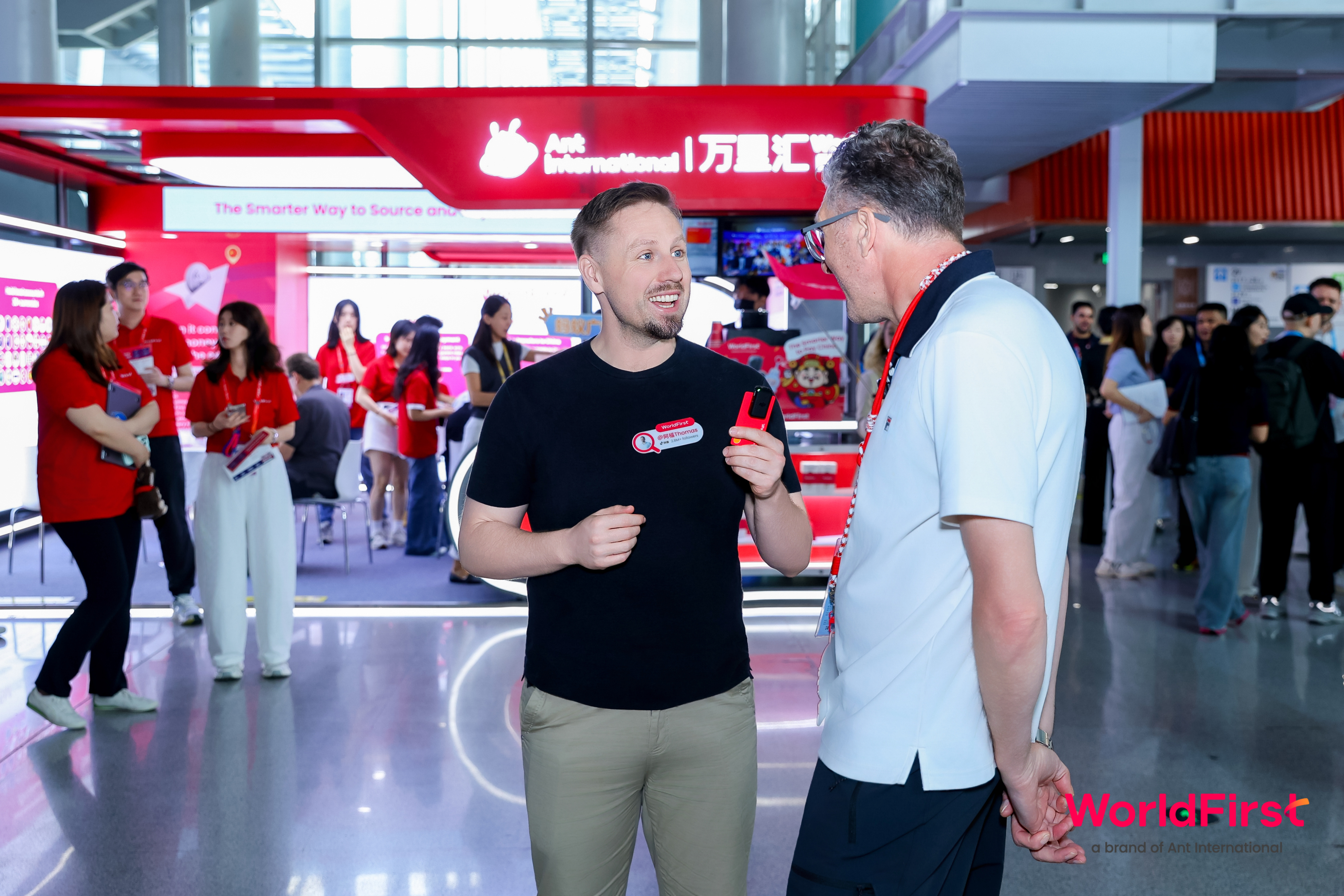
I'm Thomas Derksen, founder of Asiabits. I visit robotics companies in China and help international teams understand which conversations can lead to a useful project. This distinction comes up repeatedly. A factory manager, a distributor and a component supplier can ask for the best robotics company in China while looking for completely different things.
What do you want from a Chinese robotics company?
Define your intended relationship before choosing a manufacturer: operating its robots, distributing its products or supplying components to its engineering team. Each relationship needs different evidence and different people in the meeting.
For an automation buyer, the starting document should describe a task. What enters the process? What should leave it? What does a normal shift look like? Include the awkward cases that make the work expensive today. A demonstration with carefully prepared objects gives you little information about those cases.
A distributor should begin with the customer segment it can serve. Explain how you will install and maintain the product, who will answer a service call and what commercial role you expect. A factory can be interested in overseas partners while still having no support model suitable for your customers.
A component supplier has a different problem. Its equipment may already work in an established industry, yet a robot team may use different connectors, packaging or purchasing processes. The useful discussion concerns the engineering requirement and the person who owns it. An introduction to a sales director can leave that requirement untouched.
Write the intended result of the first meeting in one sentence. For a buyer, that might be agreement on a pilot using a particular task. For a supplier, it might be a technical discussion with the engineer responsible for a component category. That sentence helps everyone select the right companies and invite the right people.
Which robot category fits your task?
Choose the category by the job and its surroundings. Floor cleaning, warehouse movement and manipulation are different engineering problems, even when they all appear in the same robotics exhibition.
In our database of 7,000+ robotics companies, a search across company names and descriptions finds 244 records mentioning warehouse and 477 mentioning logistics. These are search results within our research database. They overlap, include companies outside China and do not establish how many suppliers are suitable for a particular installation. Their value is showing how much relevant work can sit outside the humanoid category.
For example, Pudu's CC1 product page describes a commercial floor-cleaning robot. Hai Robotics describes its HaiPick system as warehouse automation built around goods-to-person workflows. These are manufacturers' descriptions of their products. You still need to establish whether a product fits your floor, inventory and operating process.
When I discuss Chinese robotics with business teams, humanoids often arrive early in the conversation. They are easy to remember. A warehouse system can require a more detailed explanation because the interesting part is how storage, movement and picking work together. That extra explanation can lead to a much more relevant purchasing discussion.
Ask your team to describe the job without naming a robot. If the description is moving totes between defined locations, start by investigating systems designed for that flow. If it is handling changing objects at a workstation, investigate manipulation and the way exceptions are handled. The questions we put to Chinese robot companies about use cases explain why the category matters when interpreting a demonstration.
What evidence should you request before a visit?
Request evidence from a deployment that resembles your task closely enough to expose the same difficulties. A useful reference should explain the setting, the work being done and the human effort still required.
Ask whether the video shows an ordinary production run, a test or a prepared demonstration. Ask who operated the machine and whether an engineer was present throughout. If the supplier gives a performance number, request its measurement conditions. An average can hide a long interruption, and a successful cycle can hide repeated attempts.
Give the manufacturer enough information to assess your use case. For a material-handling project, that may include representative object dimensions and the path through the site. For cleaning, it may include floor conditions and the daily cleaning process. Keep confidential information out of an introductory exchange and agree how sensitive materials will be handled before sharing them.
Request a conversation with someone responsible for implementation. Sales can explain the product, but the integration engineer should explain what your team will need to change. Listen for dependencies: network coverage, site preparation, surrounding equipment, access to your software and the availability of a local service partner.
The evidence should leave you with a testable question. Can this system complete the selected task with an acceptable level of intervention in our setting? If the information is still too general to answer that question, narrow the task before travelling. A factory visit is more useful when both sides arrive knowing what needs to be demonstrated.
How do you turn a factory visit into a useful pilot?
A useful pilot starts with agreed acceptance criteria and ends with a record of what happened under those conditions. The visit should help you define that test and the work needed to run it.
Bring representative materials when the manufacturer can accept them and the transport arrangements allow it. Include difficult examples that occur in normal work. Explain how often those examples appear. The supplier needs to understand whether an awkward item is an everyday requirement or an occasional exception that your staff can handle.
Agree what you will measure. Throughput should have a defined start and end point. Quality should have an observable standard. Record interventions and the reason for each one. If an employee has to reposition an object or restart the system, that action belongs in the test record even when the next attempt succeeds.
Assign responsibility for preparing the site and for supporting the test. Confirm what happens if a prerequisite is missing. Otherwise, an installation problem can become an argument about the robot's capability, and neither side gets a fair answer. A short written pilot plan makes those responsibilities visible before equipment travels.
Ask for the failed attempts to be retained alongside the successful ones. A polished summary video is useful for internal communication, but your implementation team needs the operating record. Review it with the people who will work around the robot. Their practical observations can reveal whether the proposed process is sustainable through an ordinary shift.
Our podcast conversation with Francesco Crivelli also discusses the software and integration work involved in getting robotics into customer operations. It is a useful companion to a product visit because it moves the discussion toward what happens after the machine arrives.
Who will support the robot after delivery?
Choose a supplier only after you know who owns installation, maintenance and recovery from a failure in your location. Those arrangements are part of the solution you are buying.
Ask for the service process in writing. Who answers the first call? What can be diagnosed remotely? Which parts can your team replace? Where are replacement parts kept? If a local integrator is involved, confirm which obligations sit with the manufacturer and which sit with the integrator.
Compare quotations using the same operating scope. Equipment, site preparation, integration and support may be presented differently by different companies. A headline hardware price cannot tell you how much work remains before the system performs the task you described. Ask each supplier to identify that work and the party responsible for it.
For a distributor, support planning also determines how much business you can accept. Selling machines faster than you can install them creates a queue of customers waiting for results. Discuss training, spare parts and escalation while negotiating the partnership. Make sure the service team has participated in the promises made to buyers.
I would also ask how software changes are managed. A change that improves one task can affect the customer's established process. Agree how updates are tested, approved and rolled back when needed. The required answer depends on your operation, so involve the person who will own the system internally.
How should a component supplier build its shortlist?
A component supplier should shortlist robot teams with a relevant technical need and an accessible decision process. The best target can be a smaller company whose engineers are ready to test your component.
In the industrial-supplier conversation this week, the challenge was reaching the robot engineering team directly. The existing route to market involved intermediaries. That is a useful lesson for other suppliers: understand who specifies your component, who purchases it and who assembles it into the finished system. Those roles can sit in different companies.
Prepare a technical explanation that starts with the robot team's requirement. Show what your component changes in the design and what information you need to evaluate compatibility. Ask about the next prototype or product revision, because the team may have more room to test a component at that point than in an established production design.
Agree the next engineering step while the relevant people are present. It could be an exchange of specifications or an evaluation using sample parts. Give that step an owner on each side. A friendly meeting is useful, but a named engineering task gives you something concrete to follow up.
We cannot establish suitability from a database record or one meeting. We can use research and direct conversations to choose where to investigate, then help the team collect the evidence it needs. Some suppliers will have a strong product and a weak overseas service arrangement. Some will be interesting partners for development while being unsuitable for immediate deployment. Keep that distinction visible in your shortlist.
Asiabits helps international management and engineering teams select relevant Chinese robotics companies and arrange discussions around their actual objectives. For a bespoke innovation delegation, we begin with the question your team needs to answer, then build the visits and the meeting brief around it. That gives you a practical way to turn a search for the best robotics company into a decision your business can use.
Frequently asked questions
What is the best Chinese robotics company?
The right company depends on your task and intended relationship. Define whether you want to operate robots, distribute them or supply components, then compare the evidence relevant to that objective.
Should a business start with a humanoid robot?
Start by describing the work without selecting a robot shape. Investigate the category that fits the task and ask for deployment evidence before deciding whether a humanoid belongs in the shortlist.
What should I ask during a robot factory visit?
Ask to see your use case tested with representative materials and agreed measurements. Record human interventions and discuss integration with the people who will support the installation.
How can a component supplier meet Chinese robot manufacturers?
Identify which engineering team specifies the relevant component and who handles its purchase and assembly. Arrange a technical discussion around that team's requirement and agree a concrete evaluation step.
Can a robotics database prove a supplier is suitable?
A database helps identify candidates for further research. Suitability requires current technical evidence, a relevant test and clear implementation and service arrangements.
Get These Insights Every Monday
Join 18,000+ professionals reading Asiabits. Free, every Monday, straight from Shanghai.
Subscribe Free →