To find a robotics supplier in China, start with the engineering problem your component solves. Identify robot makers with a matching need, prepare evidence of fit, and speak to the engineer who owns the decision. Then agree on a test that can show whether the component works in the application.
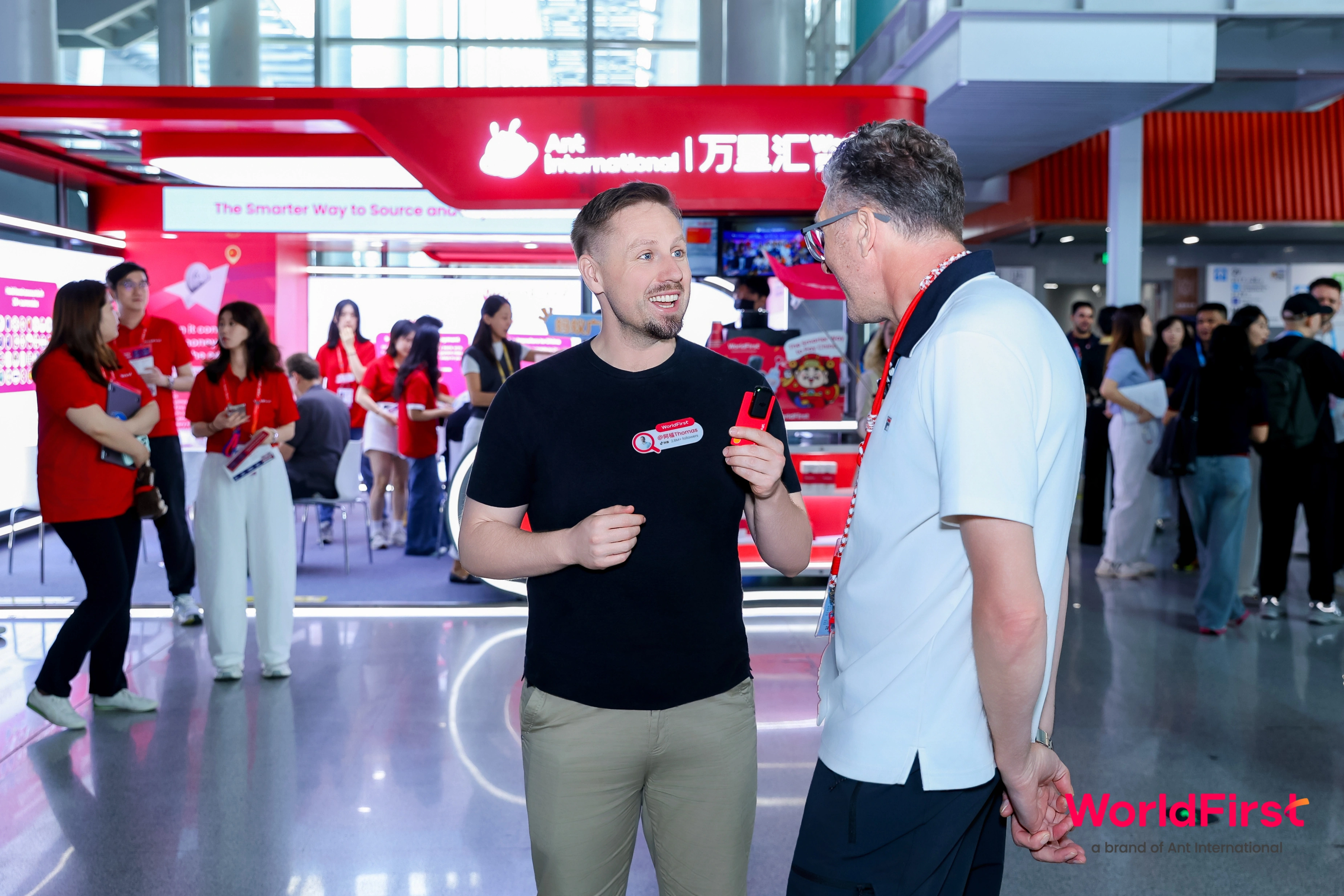
On a robotics tour in China, I saw a clear difference between large, well-known robot makers and smaller teams. The famous names often led visitors through a showroom. Smaller manufacturers were more open to discussing a use case, a component need or a proof of concept. That difference matters when you make parts for robots: the useful conversation is with the engineer responsible for component needs.
I'm Thomas Derksen, founder of Asiabits. I live in Shanghai and work with companies looking for robotics partners in China. In our database of 7,000+ robotics companies, 117 records match 'supplier' in a company name or description. That result covers the full database; it is not a verified count of suitable Chinese suppliers.
What should you prepare before approaching a Chinese robotics company?
Prepare a short engineering case that connects your component to a problem a robot maker already has. A product catalogue can explain what you sell. It rarely explains why a particular robot team should meet you this month.
Start with the part of the machine your component affects. Does it reduce weight? Manage heat? Improve precision, durability or assembly time? The more directly you can connect your product to an operating constraint, the easier it is for an engineer to judge whether a discussion is useful.
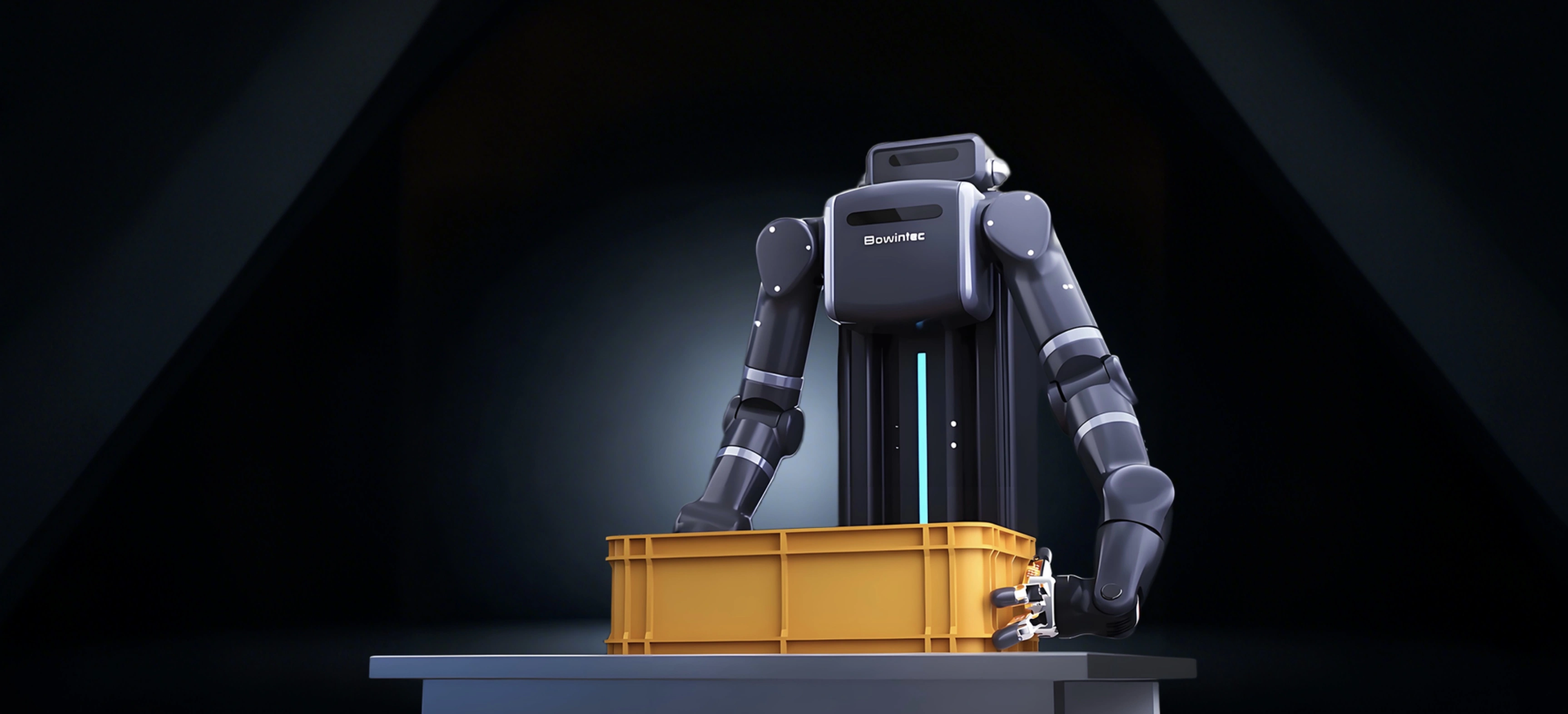
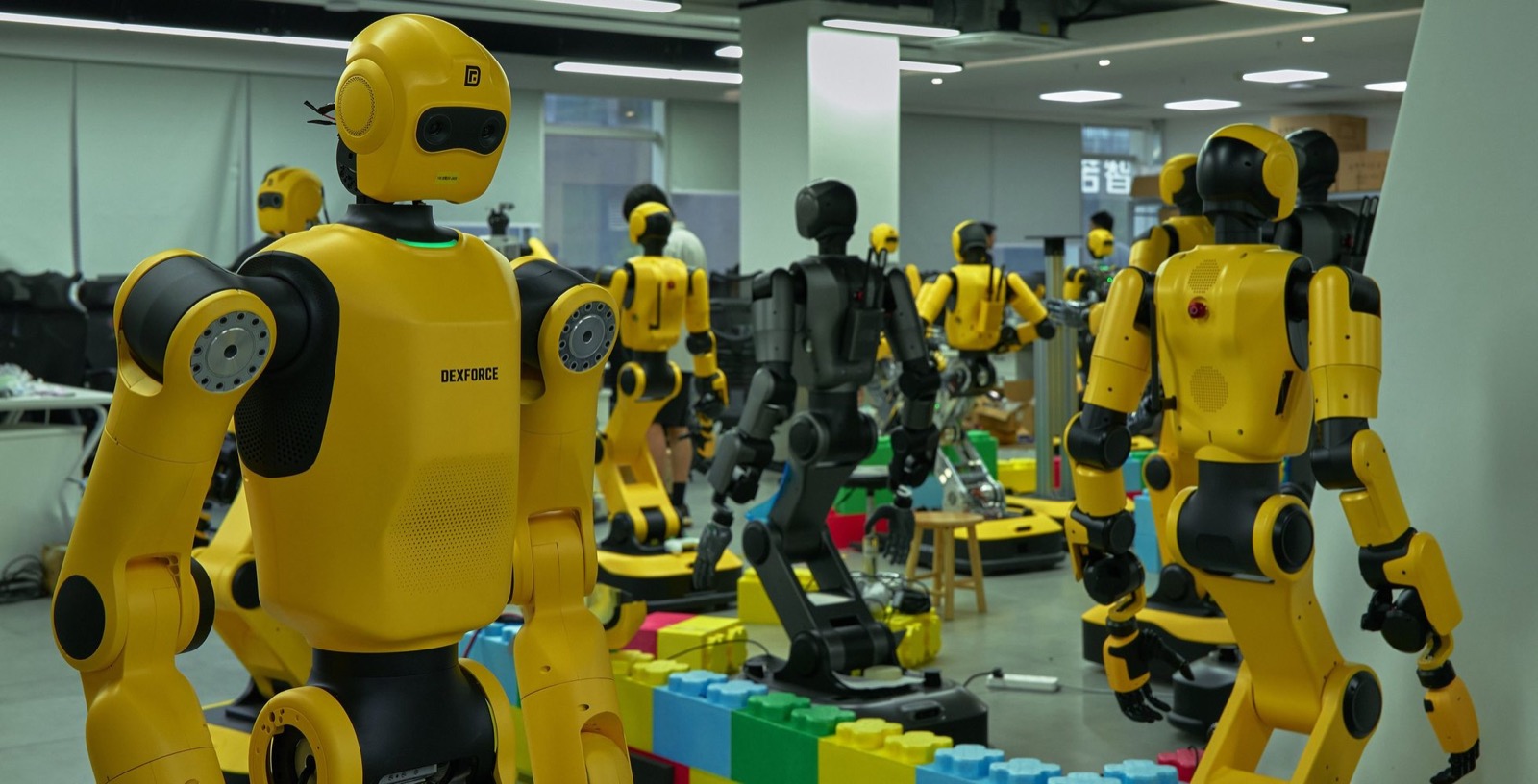
On visits to humanoid developers, weight and heat came up repeatedly as engineering problems. Those are areas where suppliers with experience in lightweight manufacturing or thermal management may have relevant knowledge. Use that pattern as a hypothesis to check with the engineering team.
Bring evidence that fits the conversation: the component's operating limits, materials, dimensions, test conditions and experience in a comparable application. Include the constraints that could make the part a poor fit. Engineers need to know where a component stops working as much as where it performs well.
Ensure the first page answers four practical questions: what part of the robot does this affect, what performance changes, under which conditions, and what would a first evaluation require? A short technical note can point to the right engineer faster than a general company presentation. If your best example comes from another industry, explain the physical constraint that carries over. A thermal control method from automotive electronics, for example, may be relevant to a robot's actuators, but the robot team will need to assess the actual heat load and operating cycle.
Which robot makers should a supplier approach first?
Approach the companies whose product stage and engineering needs match your component. Company size and media attention tell you little about whether a team is ready to work with a new supplier.
Our visits have shown that the biggest names can be difficult to reach for detailed supplier discussions. Smaller robot makers may be more willing to explore an application or a proof of concept. Use this pattern to guide your research, then qualify each company. The right team is the one with a problem your component can help solve and an engineer who can evaluate it.
Sort potential partners by the machines they build, the engineering problem you can address and the development stage you can support. A team refining a prototype may need rapid changes and close engineering contact. A manufacturer preparing a repeatable product may ask for production controls, stable specifications and supply continuity. Prepare sales material for the company's development stage.
When you build a shortlist, include component makers and system integrators as well as robot OEMs. A component may enter a robot through an integration partner or a subsystem supplier. Ask who owns the design decision and who validates the finished system. That answer can change who should be in your first meeting.
How can you tell whether the supplier discussion is real?
A serious discussion names a technical owner, a defined application and a next step that produces evidence.
Ask what part of the machine the team wants to improve, what it uses today, and what result would justify testing an alternative. Find out who will review the component and what information they need before a trial. If the team is still defining those points, learn more about its development plans before quoting a part.
Keep the first exchange narrow. Share one relevant product configuration and ask the engineering team to identify the fit questions. Agree on what each side will provide, what will be tested and how the result will be assessed. A small, well-defined evaluation gives both teams a reason to continue or stop based on the same evidence.
Before you send a sample, confirm the interface and the conditions under which the team wants to evaluate it. A component that fits a drawing may still be unsuitable for the robot's load, motion profile or thermal environment. Ask who will handle installation and what data the team can share afterward. These details help you decide whether to ship a sample, adapt a design or arrange an engineering call first.
On our July visits, smaller robot makers were actively looking for partners for applications and proof of concepts. For a component company, that changes the opening question. Frame the opening question around the engineering problem and the evidence the team would need to evaluate your part. A specific answer can lead to a technical meeting. If the need is still unclear, you have learned what to research before sending samples.
What should you verify before a pilot?
Before a pilot, verify that the component can be tested in a defined setup and that both teams agree on what success means. The goal is to learn whether the technical fit holds under relevant conditions.
Clarify the sample configuration, interface, test duration and measurements. If the component has a temperature range, load limit or service interval, put those conditions into the test plan. Confirm who supplies the test fixture or robot, who handles changes, and who records the results. If the robot is still a prototype, record the hardware version used and how it differs from the expected production configuration. This keeps a promising first conversation from turning into an open-ended request for engineering work.
Also ask how a successful trial would move into a design decision. Move questions about manufacturability, quality control, delivery capacity and after-sales support into the next stage, once the technical case is strong enough.
Some robot makers will have customer deployments they cannot show to visitors. You can still ask for evidence that respects confidentiality, such as a replicated test, anonymised performance data or a technical discussion with the team responsible for validation. The form of evidence can vary. The conditions behind it should be clear. The same principle applies to your own references: share enough to establish what was tested and what changed, while respecting the other customer's confidentiality.
How can overseas suppliers build a repeatable route into China?
Build a repeatable route by combining company research with local technical conversations and a disciplined follow-up process. A supplier relationship usually takes more than one introduction.
Use a database to identify relevant companies, then verify the current product and contact details with the company itself. Product lines and priorities change quickly, so confirm what the team is building now and whether the relevant engineer is available for a discussion.
Plan meetings around the engineering question. Send a concise note that names the application you want to discuss and the evidence you can bring. Ask for the engineer or product owner responsible for that part of the system. If you are travelling to China, group conversations by the supplier cluster and the work each meeting can advance. Our guide to robotics startups in Shenzhen maps one cluster; our guide to visiting factories in China explains how to structure a visit so there is time to learn from each stop.
After each meeting, record the technical need, the person responsible for the next decision, the information requested and the agreed follow-up. Send the material you promised, then provide an answer to the team's engineering questions. That is how an introduction can develop into a test, a design-in or a clear decision to stay in touch.
Track the technical status separately from the relationship. A contact who replies quickly may still lack authority over the design, while a quiet engineer may be the person who sets the component requirements. Keep the next step tied to a technical question the team has agreed to examine. This makes follow-up useful to both sides and gives you a clear signal when priorities change.
For overseas component companies, the main challenge is often connecting a proven capability with the right Chinese engineering team. Asiabits helps map robotics manufacturers and arrange focused conversations around real applications. If you are exploring a supplier partnership, you can contact Asiabits with the component and the problem it solves.
Frequently asked questions
How do I find robotics suppliers in China?
Start by defining the engineering problem your component addresses. Identify robot makers whose products and development stage fit that capability, then speak with the engineer who owns the relevant decision and agree on a test.
Should I approach large Chinese robot companies first?
Company size alone should not decide where you start. Larger companies may be harder to reach for detailed supplier discussions, while smaller manufacturers can be more open to a specific application or proof of concept. Qualify each team by technical fit and access to an engineering owner.
What should I include in a supplier introduction?
State the application, the component's relevant performance limits and the evidence you can share. Ask a focused question about the team's current engineering need, and avoid sending a broad catalogue without context.
How can I qualify a Chinese robotics manufacturer?
Identify the engineering owner, define the use case and agree on measurable pilot conditions. Then confirm how a successful test would lead to a design decision and what production requirements come next.
Get These Insights Every Monday
Join 18,000+ professionals reading Asiabits. Free, every Monday, straight from Shanghai.
Subscribe Free →