The best humanoid robot company in China depends on what you need the machine to do. Unitree is a useful starting point for accessible hardware and research; AgiBot and UBTECH have reported industrial programmes worth examining; EngineAI is a reminder to ask how much of a demo is autonomous. Compare a task, deployment evidence and support before you compare brands.
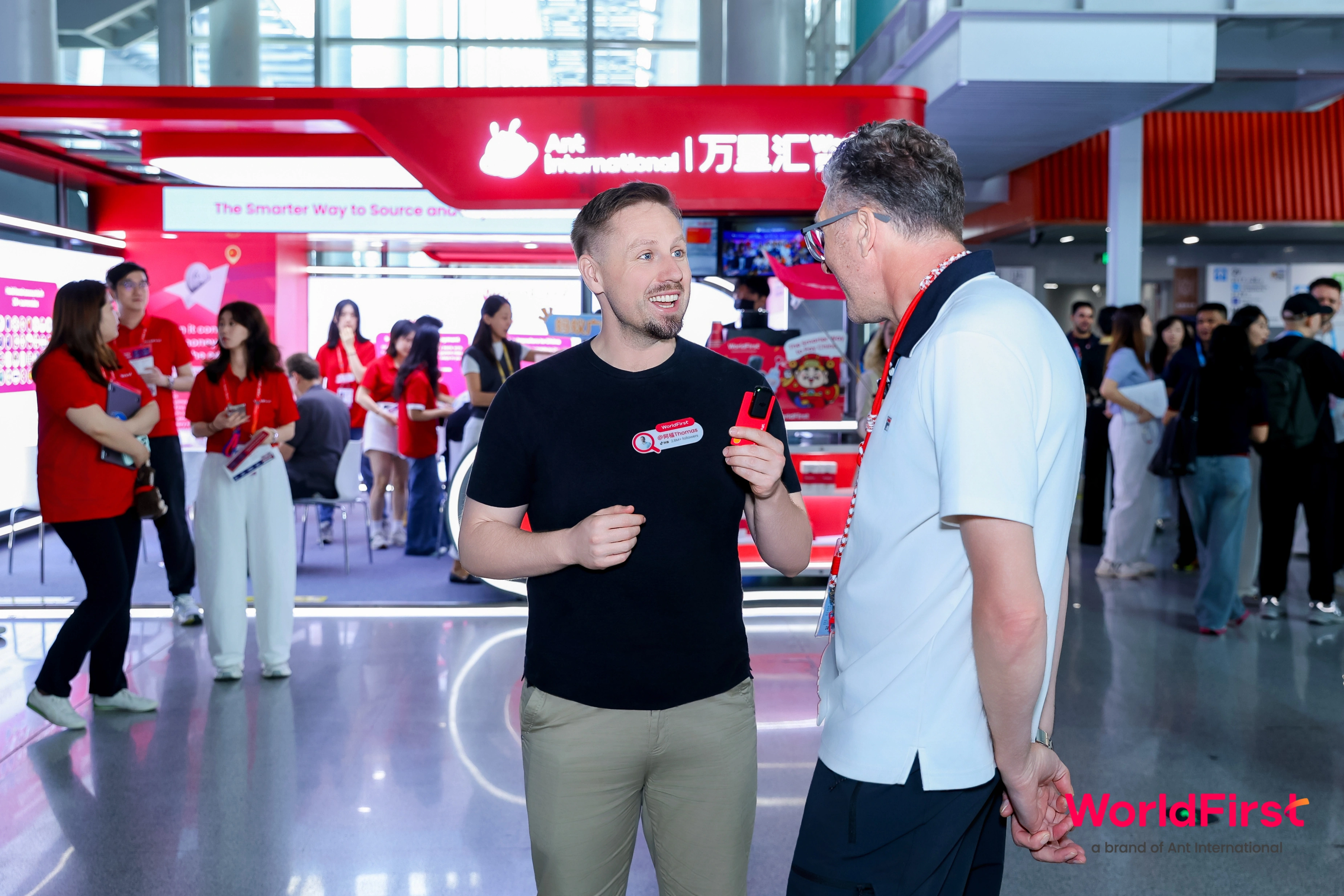
I have spent years visiting robotics companies in China and talking with teams that want to find a partner here. I'm Thomas Derksen, founder of Asiabits. One pattern keeps coming back: the company with the biggest name may be the wrong first conversation for a particular job. A better shortlist starts with the work the robot must perform, then checks what the supplier has actually shown.
That distinction matters because humanoids attract attention faster than they accumulate ordinary factory hours. A stage demo can show balance, speed or a dexterous hand. An operations team needs to know whether the robot can repeat a task, recover from variation, work safely near people and fit into the existing line. Those are different questions.
Which Chinese humanoid companies belong on a first shortlist?
Start with a shortlist by use case, rather than a league table. Unitree, AgiBot, UBTECH and EngineAI are examples worth investigating because there is public material about their products or demonstrations. The evidence available for each is different, so a name on this list is a prompt for due diligence, not a recommendation to buy.
Unitree is a practical place to begin when a team wants to examine commercially available robot platforms, research hardware or the broader humanoid price curve. Our guide to the cost of building a humanoid robot discusses how hardware prices and component costs shape a pilot budget. A low purchase price can make evaluation easier, but it says little by itself about cycle time, integration or service over the robot's working life.
AgiBot is worth examining when the question concerns factory work and reported production use. Asiabits has covered a factory-floor programme in which humanoids were reported building tablets at 310 units per hour. That is a useful lead for a buyer to investigate, with questions about the exact task, operating period, human supervision and whether the rate describes a sustained production shift. It should not be treated as proof that another factory can reproduce the result.
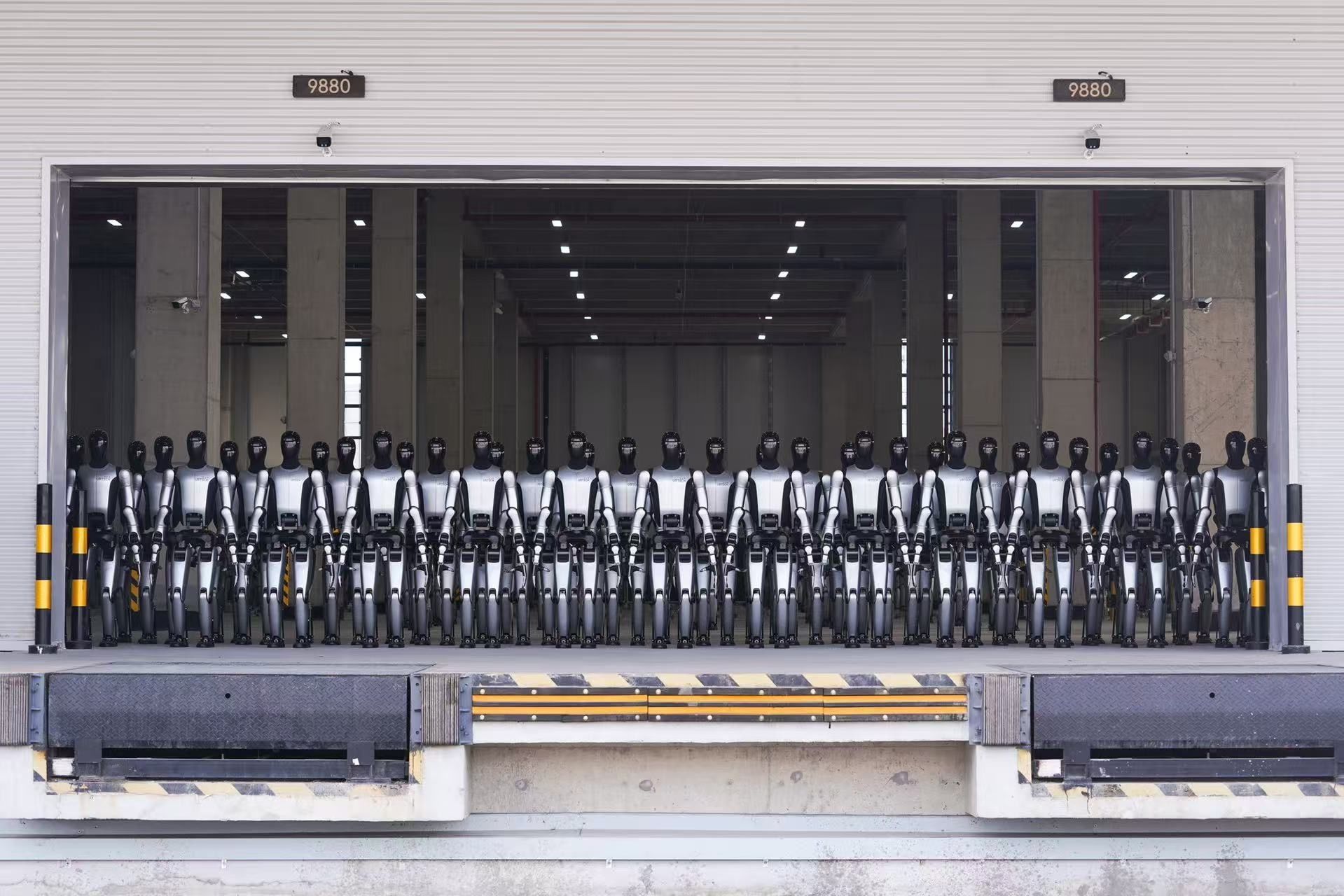
UBTECH merits a look for teams assessing a company with a longer operating history and published humanoid deliveries and order-book figures. Our reporting on UBTECH's published robot prices and order book sets those figures beside its reported first-half sales. The gap between a headline order figure and machines completing work is precisely why buyers should ask what has shipped, what is installed and what task each unit performs.
EngineAI is a useful case for asking about autonomy. At a Shenzhen humanoid fighting event, organisers said they still needed to define where remote control ended and autonomy began. The event was designed as a competition, so it does not establish factory readiness. It does show why a buyer should ask who operated the machine, what software it ran and what the robot decided for itself. We examined that question in our report from the event.
These examples cover different kinds of evidence. A product catalogue, a delivery report, a factory demonstration and a competition result should not be treated as interchangeable proof. A shortlist becomes useful when each company is linked to one requirement and one test you can verify.
What should a buyer compare before choosing a humanoid maker?
Write down the task in enough detail that two suppliers would test the same thing. Name the object, its weight and variation, the starting and ending points, the allowed cycle time, the working hours and the recovery procedure when something goes wrong. If your team cannot describe the task without using the word "humanoid," the project may still be at the exploration stage.
Then decide whether the body shape earns its cost. Legs can help when a robot must move through spaces designed for people or use existing equipment. A fixed workstation, a mobile base with an arm or a conventional industrial robot may be simpler for a repetitive job. The correct comparison is between ways to complete the task, not between two humanoid models alone.
Ask what is being tested: the manufacturer's standard product, a customised prototype or a research platform. Request the exact model and software version in the demonstration. If the supplier changes the hardware or control stack for your pilot, record the change. A result from one configuration may not transfer to another.
Finally, identify who owns integration. The humanoid maker may supply the body and low-level controls, while another company handles the gripper, vision, task software, safety system or factory connection. A buyer needs a named owner for the complete workflow. A robot that can perform an isolated motion may still need substantial engineering before it can complete a shift.
How can you tell a real deployment from a strong demo?
Ask for a video of an ordinary run, with the full task visible from start to finish. Find out whether the robot was teleoperated, prompted by a nearby engineer or left to run a defined program. Ask what happened on failed attempts and whether those attempts appear in the published success rate. A short edited clip can establish that a movement happened; it cannot establish the conditions under which it happened.
Request the operating context. How many cycles were completed? Over how many shifts? What share required a human to reset the robot or move an object? What was the downtime, and what maintenance did the system need? The answers can be commercially sensitive, so a supplier may offer a supervised visit or a reference discussion under agreed terms. Even a partial answer helps define what remains unproven.
Keep autonomy separate from usefulness. Remote operation can be a sensible way to gather data or complete early work. It also changes labour requirements and the economics of the task. A pilot brief should say which actions are autonomous, which are remotely supervised and how an operator intervenes. If the supplier uses "autonomous" as a single label for several modes, ask for a task-by-task explanation.
In a recent private industry discussion, an experienced robotics team described visiting several suppliers before identifying a smaller set that fitted its needs. Their conclusion was about fit, not fame. That is familiar from our work at Asiabits: discussions become more specific when the buyer brings a task and asks what a particular team can prove against it.
Does a large humanoid database tell you which company is best?
A database helps you find candidates; it does not certify them. In our database of 7,000+ robotics companies, a search for "humanoid" in company names and descriptions returns 272 records. That search includes different types of organisations and does not mean there are 272 proven humanoid manufacturers in China. It is a way to map the field and generate questions for verification.
Company records can also become outdated quickly. Teams change products, move between research and commercial work, or build components that fit a humanoid without selling a complete robot. Before a meeting, verify the current product range, manufacturing location, technical contact and the relationship between the company and any partner delivering the project.
A shortlist of three or four candidates is usually more useful than an undifferentiated directory export. For each candidate, keep a note of the use case it matches, what evidence you have seen, what remains unknown and what the next conversation needs to resolve. That makes it possible to compare candidates without pretending that every public claim has the same weight.
When should you start with a non-humanoid robot instead?
Use the least complex platform that can complete the job. If the task is carrying material along fixed routes, a mobile robot may already fit. If it is inspection in a hazardous or uneven area, a quadruped may be more practical. If it is a fixed, repeatable operation, an industrial arm or a specialised machine can be easier to integrate. Each option changes the safety case, layout and support model.
Thomas has written about this gap between attention and useful work on LinkedIn: millions of industrial robots already perform factory jobs, while humanoids occupy a much earlier point on the adoption curve. That distinction is useful for planning. A team with an urgent automation need should assess deployed systems alongside humanoids. A team building a longer-term capability can run a contained humanoid experiment while keeping its production plan separate.
There is no penalty for deciding that a humanoid is premature for a particular task. The objective is to learn whether the technology can improve the operation. If a simpler robot does the job reliably, the team can reserve humanoid testing for tasks that need a more flexible form.
What should the first pilot require?
Agree on a small, measurable test before the equipment arrives. Define the task, the objects and environmental variation, the expected cycle, the safety boundaries, the human role and the data both sides will collect. Set a stop condition if the robot repeatedly fails, creates an unsafe condition or requires more manual work than the baseline process.
Ask how the supplier will support the pilot in China and at your own site. Who can diagnose a fault? Which spare parts are available? What response time can the team commit to? What software updates are included, and who owns the data generated during the test? If an integration partner is involved, make sure the manufacturer and integrator agree on responsibility before the pilot starts.
Keep the first result narrow. A successful pilot should show whether the robot can perform the chosen task under stated conditions, what support it required and what would have to change before a larger deployment. It does not need to prove that a general-purpose humanoid can do every job. A clear boundary makes the result easier to use in a real investment decision.
If you are building a shortlist in China, Asiabits can help identify relevant companies and arrange focused conversations around a defined task. We work with international teams exploring robotics and automation in China. Start with the robotics directory or a Bespoke Tour designed around your questions.
Frequently asked questions
Which is the best humanoid robot company in China?
There is no single best company for every task. Compare the robot's fit, deployment evidence, autonomy, integration needs and local support against your operating requirements.
Which Chinese humanoid companies should I research first?
Unitree, AgiBot, UBTECH and EngineAI are examples with public material to examine. They represent different products and kinds of evidence, so verify each against your use case.
Are Chinese humanoid robots ready for factory work?
Some companies report factory programmes, but readiness depends on the exact task, supervision, reliability and operating conditions. Ask for evidence from a sustained run that resembles your process.
How do I check whether a humanoid robot is autonomous?
Ask which actions the robot performs on its own, which require remote operation and how a human intervenes. Request an unedited task run and the failure rate under stated conditions.
Should I choose a humanoid robot or a traditional industrial robot?
Choose by task. A fixed and repeatable process may suit an industrial arm or specialised machine, while a humanoid may be worth testing where human-shaped mobility or tool use matters.
How many humanoid robotics companies are in China?
Counts depend on how a company is defined and how records are collected. A keyword search in the Asiabits database finds 272 records mentioning humanoids, which is not a verified count of manufacturers.
Get These Insights Every Monday
Join 18,000+ professionals reading Asiabits. Free, every Monday, straight from Shanghai.
Subscribe Free →