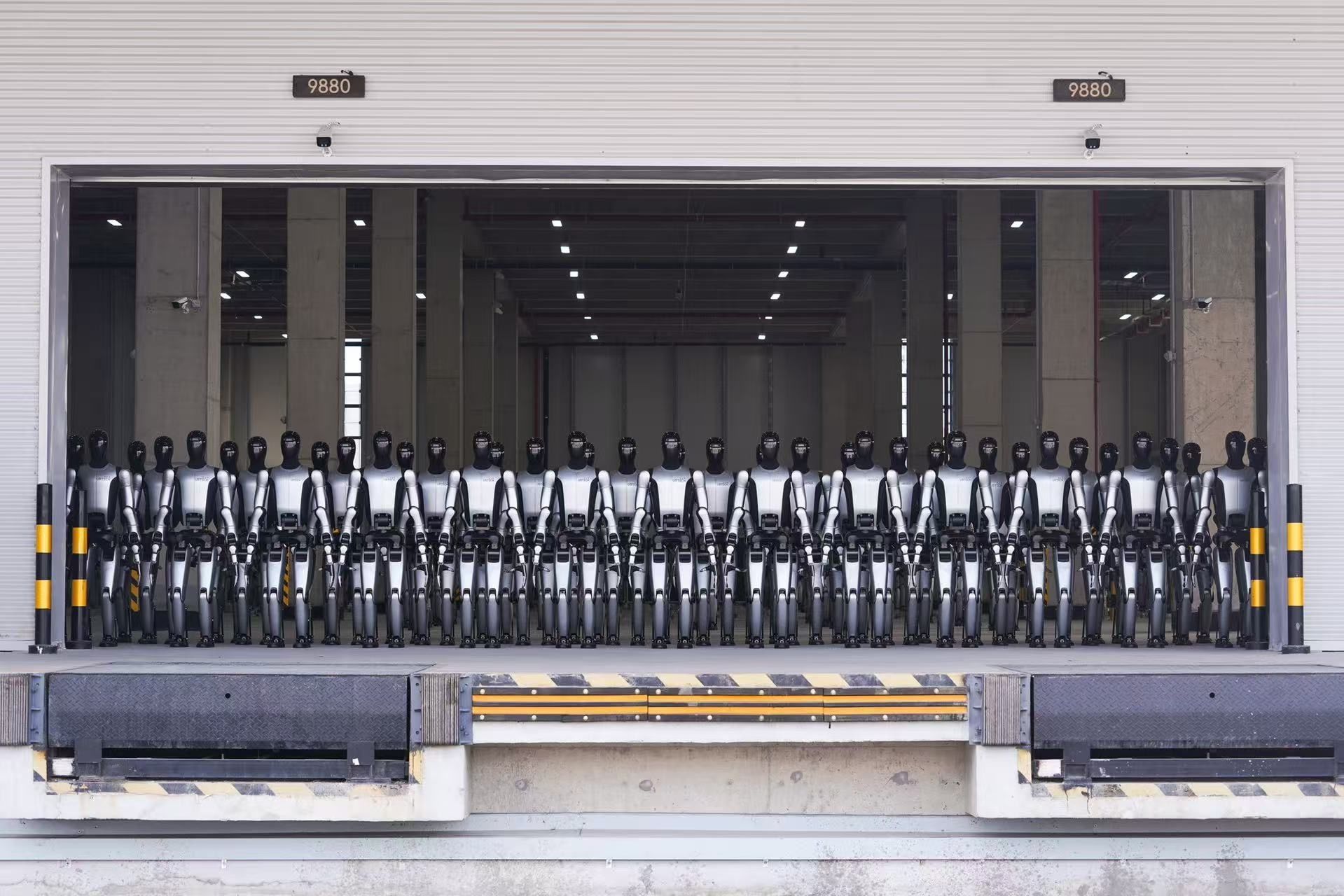
There is no single most advanced humanoid robot in China. A robot can lead at walking, another at hand control, and a third at completing a narrow task with fewer human interventions. The useful comparison starts with the job, then tests repeatability, safety, uptime, and the support needed around the machine.
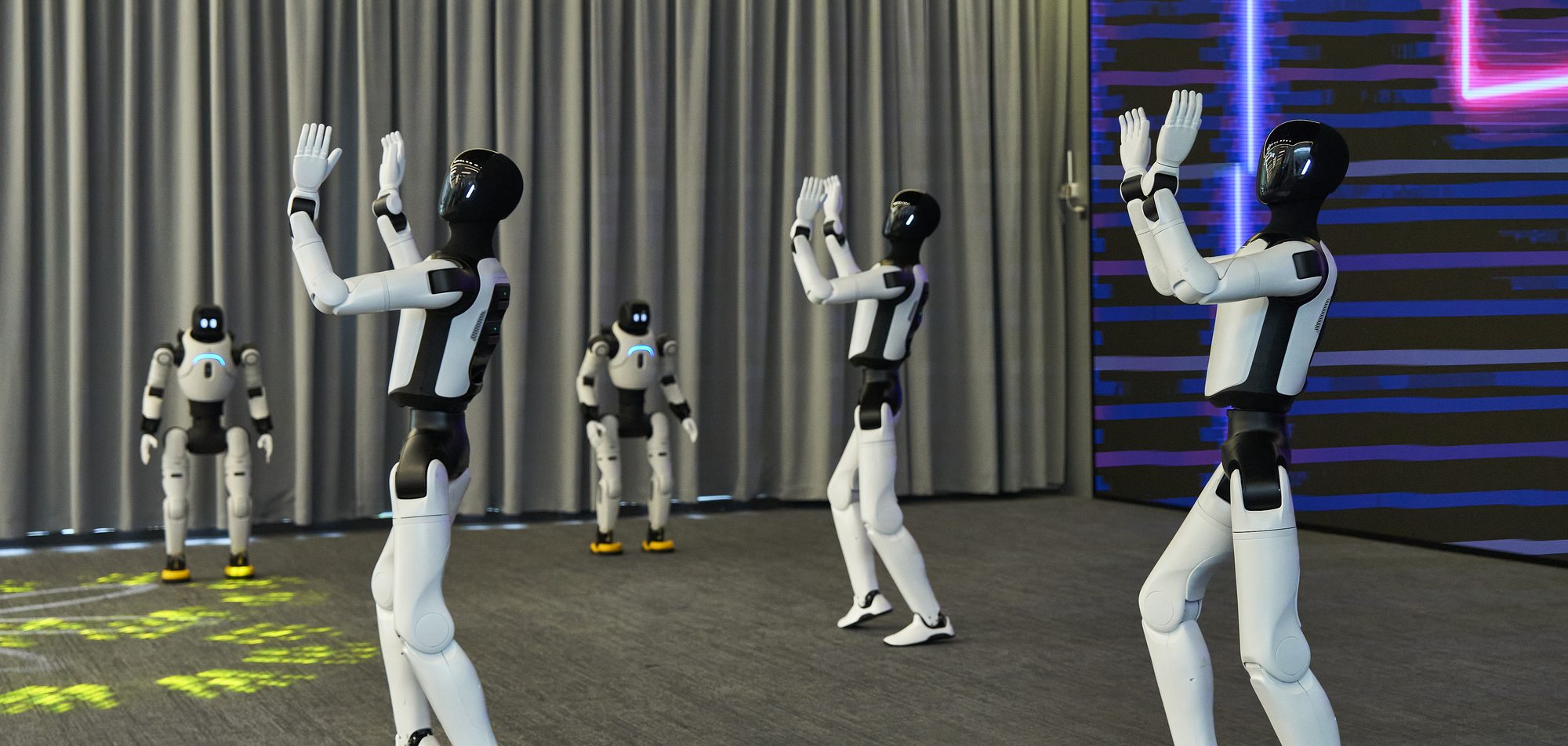
This week I visited AgiBot with a group of finance professionals. When the humanoids began dancing, several people raised their phones to record them. I have seen similar demonstrations many times. The movement catches the eye. After the video, a company needs to ask what task the machine could perform on its site, under its conditions, with its staff.
At Asiabits, I take business groups to meet robotics companies in China, and the questions from visitors are usually practical. They want to know which companies are worth tracking and what today's machines can do. Those questions deserve a more precise answer than a leaderboard based on a single polished clip.
What does “advanced” mean for a humanoid robot?
Advanced means capable at a defined job, under conditions that matter to the buyer. A humanoid combines several systems: the body and its actuators, balance and locomotion, cameras and other sensors, manipulation, control software, power, safety systems, and the tools used to supervise it. A company may make strong progress in one area while the complete system still depends on operating limits and human supervision.
Start with the task. Is the robot expected to carry a box, move parts between stations, open a door, inspect equipment, or assist an employee? These jobs put different demands on reach, payload, grasping, balance, speed, and perception. A walking demonstration tells you little about precise handling. A hand that picks up objects in a lab says little about navigation around moving people.
Then define the operating conditions. The same task changes when lighting shifts, a container moves, the floor is uneven, or a person steps into the work area. A model that succeeds in a prepared scene may still need a human to reset it when something changes. The test should capture that support as part of the system's capability.
Our database contains more than 7,000 robotics companies. It helps us map the field and find relevant specialists, but a company count does not rank the robots. The useful question is narrower: which machine can complete the buyer's job, in the buyer's environment, with an acceptable amount of supervision?
Can it repeat the job outside a demonstration?
A demonstration shows that a robot completed an action under particular conditions. A buyer needs to know whether it can repeat the action when the operator, object, camera angle, lighting, or starting position changes. Ask for the test setup, the number of successful runs, the number of resets, and the parts of the sequence that were edited or repeated for filming.
Ask to see a full run from start to finish. How long does setup take? Does a person position the object or guide the first movement? What happens when the robot misses? Does it notice the error and try again, wait for help, or continue with the wrong state? Those details tell you how the machine behaves as a work system, rather than as a brief performance.
January 2026 analysis by a16z described a gap between impressive research demonstrations and robots deployed in production. It pointed to changes in lighting, object position, integration with other systems, and recovery from failures as reasons a successful test can be hard to reproduce at work. That is a useful checklist for a site visit, even when the application differs from the examples in the article.
One good question is: “What changed between the last successful run and this one?” It invites the engineering team to explain the setup, software, and human role. It also gives the visitor a chance to see whether the company has measured the limits or relies on a carefully prepared routine.
How much human help does the robot need?
Count the human work around the robot. A person may choose the task, place materials, supervise motion, approve decisions, clear faults, recharge batteries, or repair a grip. Human supervision is part of the product's staffing model and operating cost.
During a pilot, close supervision can be reasonable. The point is to identify which parts of the task the robot can handle and which parts still require an operator. For a buyer, the important record is the division of work. Who starts each cycle? Who watches for errors? Who returns the robot to its starting position? How long does recovery take after a failed attempt?
Ask whether the demonstration uses remote operation, a hidden operator, pre-programmed motion, or autonomous decisions. A live operator can be a sensible tool for collecting data or supporting early trials. The buyer should know when it is being used and what it costs to scale that support.
IFR's World Robotics 2026 report tracks industrial robot installations across factories. That measure tracks a mature automation market. It offers no ranking of humanoid capability. A humanoid trial should be described by its actual task and level of human involvement. The two categories answer different questions.
Which tasks are a good fit for a humanoid?
A humanoid can be attractive where the work involves objects and spaces designed for people. Stairs, doors, shelves, hand tools, and workstations may make a human-shaped body useful. That advantage depends on the robot's size, balance, hands, power supply, safety controls, and ability to work alongside staff.
A business case depends on task performance, integration, and operating cost. A fixed arm, mobile platform, or purpose-built machine may perform the same job with less complexity. The right comparison is between solutions for a task, including any changes needed to the site. A buyer should ask what each option can do today, how it fits existing equipment, and who maintains it.
Look for a bounded first application. A task with clear start and finish points is easier to evaluate than “help around the factory.” Moving a specified item between two fixed stations, for example, can be measured by completion rate, cycle time, interruptions, and safe handoff. The exact task should come from the buyer's operations team; the supplier should show how the machine performs it.
Asiabits has reported on humanoid robots being used for specific factory work, including AgiBot's tablet assembly demonstration. Use that example to ask about task conditions and performance records. It describes one company's setup, so buyers still need to test the work in their own factory.
What evidence can a buyer use to compare robots?
Use the same questions with every supplier. Record the task, environment, number of attempts, successful completions, human interventions, reset time, and conditions that stop the run. Ask what the robot does when an object is missing or a person enters its path. If the system pauses, ask how the operator learns why it stopped and what is needed to restart.
Then follow the machine beyond the stage. Ask to see the battery change, charging routine, maintenance access, spare parts, software update process, and the safety procedure used around workers. Ask what data the robot stores and where it is processed. These details often determine whether a technical trial can become an operating process.
Make the supplier's evidence easy to compare. A short video is useful for remembering what you saw, but keep a written record of the conditions too. Include the software version, the task variation, who controlled the robot, and what counted as success. If a company can share production or pilot references, ask what was measured and over what period. Keep customer identities confidential unless they have agreed to be named.
China's robotics market includes thousands of companies with very different specialities. A useful visit gives the buyer a view of the machine, the engineering team, and the people responsible for service. It also helps a buyer understand where a supplier's current offer ends. That boundary is part of product knowledge.
Public rankings can help create a shortlist. They often combine different measures, such as walking ability, hand dexterity, artificial intelligence, production volume, and announcements about future applications. Those measures describe different stages of development. A robot that excels in one benchmark may have little evidence in the task a buyer cares about.
The International Federation of Robotics reports industrial robot installations. Humanoid developers publish demonstrations and product announcements. For another view of real-world training, read our report from inside DexForce. These sources offer useful context, but they do not provide a common, independently verified test across every humanoid model. Treat a ranking as a starting point for questions, then request a demonstration built around the task you need.
One comparison can still be useful if its scope is clear. For example, a buyer may compare how several robots handle the same object under the same lighting and timing rules. That result applies to the defined test, so it cannot rank performance across every area.
In an earlier Asiabits guide to choosing a Chinese robotics company, I looked at how to assess a supplier beyond its robot. The same principle applies to humanoids: compare the supplier's experience, technical scope, integration work, and after-sales support alongside the machine. A strong demo and a capable partner are separate parts of the decision.
What is the best next step for a company?
Write down one job that takes time, creates a safety concern, or is hard to staff. Describe the objects, the workspace, how often the task happens, and what counts as a successful result. Share that short brief with robotics suppliers and ask them to show the task under agreed conditions.
When you visit a company, bring both the business owner for the task and someone who understands the technical constraints. The first can say whether the problem matters. The second can ask about sensors, control, integration, and failure handling. Together they can tell whether a prototype merits a pilot.
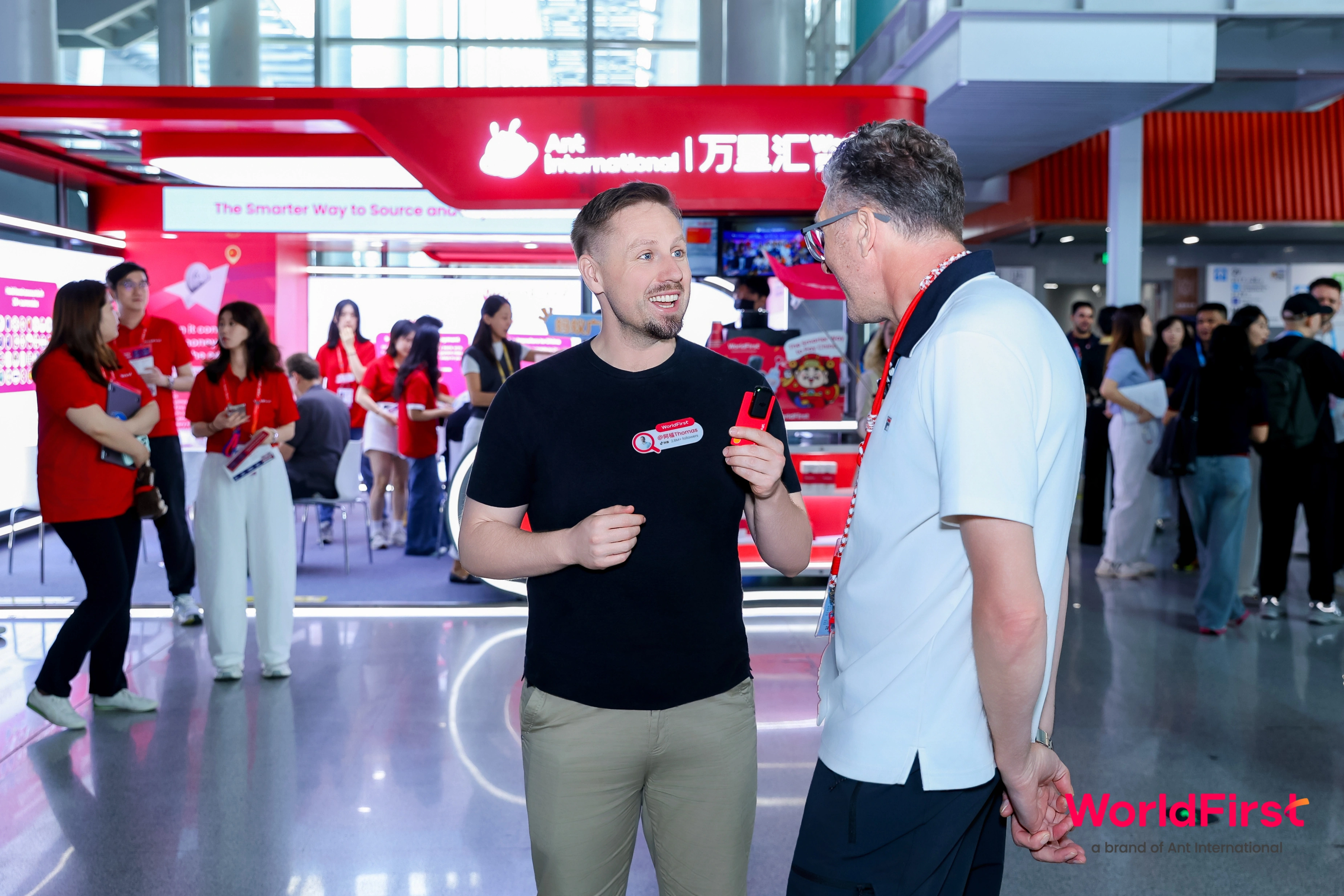
I'm Thomas Derksen, and I have lived in China for more than twelve years. Asiabits helps international teams visit Chinese robotics companies and compare what they see with the work they need to do. If you are assessing a humanoid application, talk with Asiabits about a robotics visit in China.
Frequently asked questions
Which is the most advanced humanoid robot in China?
There is no defensible single winner across every task. Compare robots on the job you need, including repeatability, human supervision, safety, and recovery from faults.
What makes a humanoid robot advanced?
Its performance on a defined task under realistic conditions. Walking, dexterity, perception, autonomy, uptime, safety, and support requirements all affect the result.
Are humanoid robots already used in factories?
Some companies demonstrate or pilot humanoids for factory work. A January 2026 a16z analysis described many deployments as still being in pilot stages, so buyers should ask for the task, operating conditions, and human support behind each claim.
What should I ask during a humanoid robot demonstration?
Ask to see a complete run, then ask how many attempts succeeded, what required human intervention, how faults are recovered, and what safety procedures apply. Record the task conditions so you can compare suppliers fairly.
How can a company compare Chinese humanoid robot suppliers?
Give each supplier the same task brief and test conditions. Compare the robot's performance alongside integration, maintenance, safety, and after-sales support.
Get These Insights Every Monday
Join 18,000+ professionals reading Asiabits. Free, every Monday, straight from Shanghai.
Subscribe Free →