To vet a robotics supplier in China, start with one defined job and ask the supplier to show evidence against it. Check who builds the system, what configuration was tested, how it behaves when the process changes, and who supports it after installation. A polished demonstration is a useful first meeting. A pilot decision needs a repeatable task, agreed acceptance criteria and a clear owner for every open technical question.
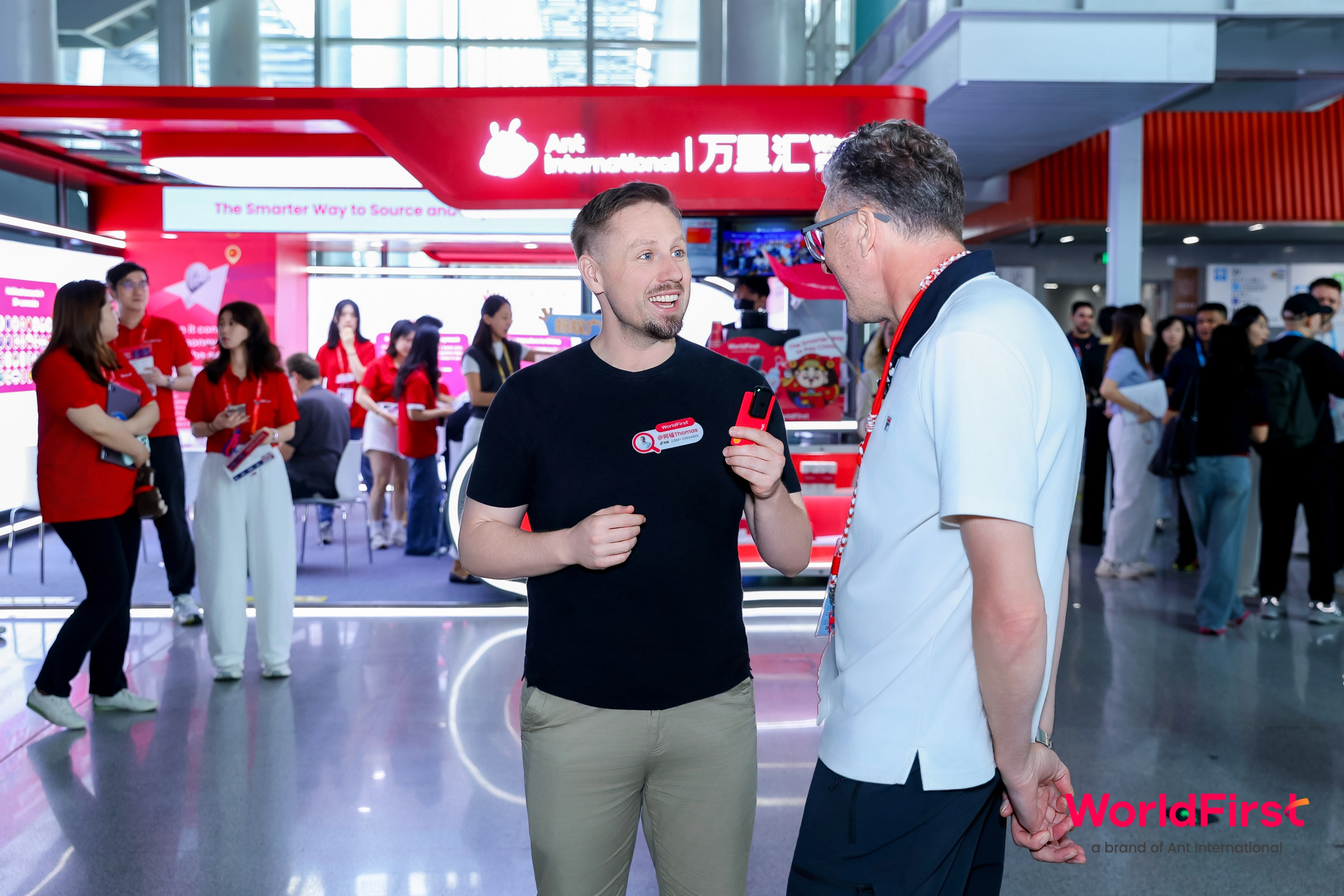
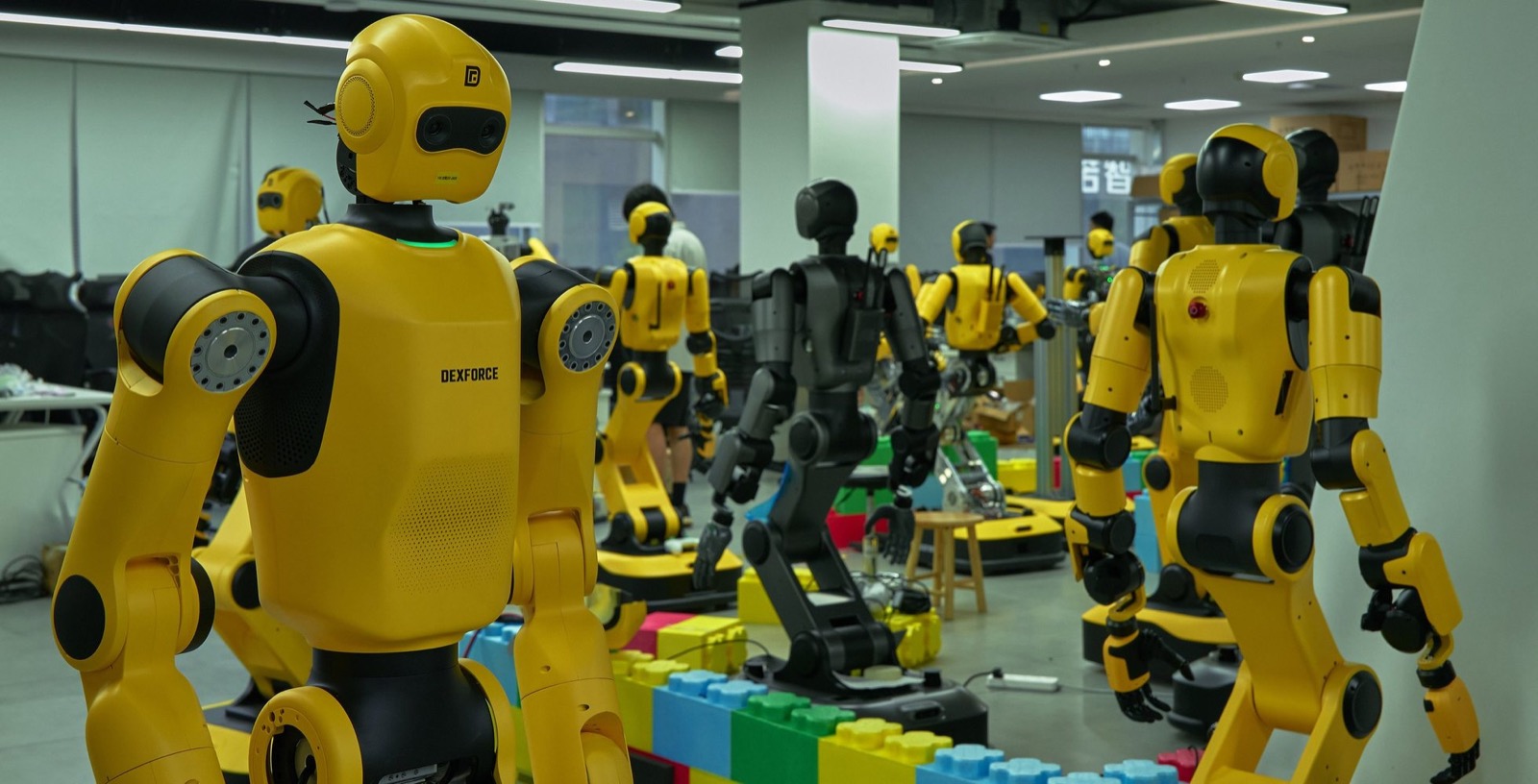
On one of my visits to a robotics supplier in China, I walked into a room filled with yellow humanoid robots. The hardware makes an immediate impression. My first useful question is quieter: what does this exact machine do when the demo script ends? I'm Thomas Derksen. I have lived in China for more than twelve years, and through Asiabits I take international teams to meet companies here. The visit is where a shortlist becomes concrete, but it does not certify a supplier.
Our robotics database contains 7,321 company records. A search of names and descriptions finds 317 mentions of manufacturer, 117 of supplier, 20 of audit and 22 of verification. These are keyword matches, not certifications or a vetted supplier count. They show why a database is a starting map. The buyer still has to establish which company can deliver the required system and prove it under the buyer's conditions.
What should you define before speaking with a supplier?
Write down the task in language that an operations engineer and a supplier can both test. Describe the item or material, its dimensions and variation, where it starts, where it must end, and what a successful cycle means. Add the operating hours, the surrounding equipment and what happens when the robot misses, drops or misidentifies something.
Keep the first brief short enough that several suppliers can respond to the same question. A buyer may begin with a broad ambition such as automating case handling or machine tending. That is a direction, not a test. Which product or component will the system handle? What changes between units? What must the robot avoid? Who will be nearby? What result would make the team continue to a pilot?
Separate the required result from the preferred technology. If the job is repetitive and the part stays in a fixed position, ask whether an industrial arm or another automation approach would do it more simply. If a humanoid is being considered, specify the reason: it may need to work in a space built for people, handle varied objects or use existing workstations. The supplier should be able to connect the form factor to the task.
That short brief helps suppliers answer the same question. Without it, one company may show a research platform, another a standard product and a third a custom integration. Their demonstrations can all look convincing while answering different questions. A clear task also gives your own engineering team a way to challenge a claim without turning the meeting into a general debate about robotics.
How do you check what the supplier actually builds?
Ask the company to draw the system boundary. Which parts does it design and manufacture? Which parts come from other suppliers? Who writes the software, integrates sensors, installs safety equipment and connects the robot to a production line? A company can be a capable integrator without making every component. The important point is to know who owns each part of the result.
Then compare the legal company in the proposal with the company you are visiting and the party that will sign, invoice and provide support. Ask for the product model, configuration and responsible entity in writing. If a trading or integration company is involved, ask it to identify the manufacturer and explain its role. These questions help you understand the delivery chain before the purchase order or pilot plan makes it harder to change.
During a visit, ask to see the area where the work is done and speak with the people who build, test or service the product. A reception room and a product demo tell you how a company presents itself. They do not tell you who will answer an engineering question after your team returns home. Ask the supplier to show a typical production or test record, with confidential information removed if necessary, and explain how that record is created.
Notice when the answer changes from a documented product capability to a promise that a team expects to build. Both can be useful. The pilot plan should make the difference visible, with the current capability, the modification still needed and the party responsible for it. A supplier who can explain its limits gives the buyer something to plan around. A vague assurance leaves the engineering team to discover the boundary later.
In our database of 7,000+ robotics companies, the keyword results help a buyer generate candidate names and compare how companies describe themselves. They do not tell us whether a particular supplier has passed a factory audit, delivered a system like yours or can support your production site. Search helps form the shortlist; verification starts with the supplier's documents and the evidence your team can examine.
What evidence should you request before a pilot?
Ask for a demonstration that uses the same model and software version proposed for the pilot. The supplier should show the task from start to finish, including a normal variation in the material or environment. If the system uses a remote operator, say so in the test record. If an engineer intervenes, note what they changed. The point is to understand the tested configuration, not to penalise a company for still developing its product.
Request the result in a format that lets your team see how it was measured. A video can show the sequence, but it may omit failed attempts or operator actions. Ask how many test runs are represented, what counted as success and how a failure was recorded. If the supplier cannot share the underlying record, agree on a live test that both teams can observe and document.
Use a small sample of the work your own site will present. Include ordinary variation, such as differences in the position or appearance of the object, if those variations occur in production. Record the conditions and the result. The goal is not to create a dramatic stress test. It is to find out whether the demonstration represents the work the buyer intends to automate.
Ask what still has to change before the pilot. That might include a gripper, a vision setup, a software routine, a guard or an interface to another machine. List each change, the person responsible, the evidence needed to accept it and the date at which the two teams will review it. A pilot becomes easier to manage when the remaining work is written down before a schedule is agreed.
For the test itself, decide how both sides will record an attempt, a successful cycle, an intervention, a stop and a reset. Agree on the unit of measure and the period of observation. If your team cares about unattended operation, a staged demo with a nearby engineer does not answer that question. If early supervised operation is acceptable, write that down too. Buyers and suppliers can then discuss results using the same terms.
How can you compare several Chinese robotics suppliers fairly?
Give every candidate the same task description and ask for the same evidence. A useful comparison sheet can record the tested model, the task completed, the human role, the change required for your site and the support owner. Keep confirmed facts separate from promises and assumptions. If one company has a stronger product but needs more integration, your team can compare that trade-off instead of ranking vendors by presentation quality.
Check whether the person answering a technical question can take responsibility for the next step. If an answer depends on a manufacturer, software partner or local integrator, ask to include that party in the follow-up. A supplier may coordinate the entire package, but the buyer needs a route to the people who can diagnose a fault or approve a design change.
Ask what support looks like in China and at the pilot site. Who handles installation, training and a fault that prevents the task from running? Which spare parts will be kept nearby? How will a software update be tested? If data leaves the facility, who receives it and who can access it? These questions turn broad service language into named responsibilities for the pilot plan.
A supplier comparison also needs a record of the assumptions behind each proposal. One company may have tested a different product, another may assume a human operator is available and a third may expect the buyer to provide integration engineering. Write those assumptions alongside the result. A low-cost or fast proposal can reflect a narrower scope, so compare what each one includes before deciding what it would take to deploy.
In its public guide to choosing a humanoid company in China, Asiabits describes a similar distinction: a database or shortlist can help find candidates, while a buyer still has to connect each one to a specific task and test what it can prove. Our earlier article on what a China sourcing agent does covers the role of local search and follow-up. This guide focuses on the checks that belong to the buyer and supplier before a robotics pilot.
What should the pilot agreement make clear?
Before the pilot starts, confirm the system configuration, site conditions, task, success measure and observation period. State which party provides fixtures, data, operators, safety equipment and access to the production area. Confirm who can approve a change to the test. If the machine or software changes after the baseline test, preserve the earlier result and identify the new configuration.
Decide how the teams will handle a failure. Who records it? Who investigates it? What evidence does the supplier need from the buyer? What is the route for a repair or replacement? The precise answer will depend on the equipment and contract, but leaving these questions to the day the system stops creates avoidable friction between the operations team and the supplier.
Keep the first milestone small. One task, one known configuration and an agreed way to record the result give the teams useful information for a larger investment decision. A successful demonstration does not prove long-term reliability, and one pilot cannot answer every safety, maintenance or integration question. It can show whether the next test is worth running and what needs to change before then.
A database search, a supplier visit and a sample test serve different purposes. The search finds candidates. The visit helps your team ask sharper questions and understand the people and setup behind the product. The test produces evidence against your defined task. Keep those steps separate in your decision record, and the team can explain why one candidate moved forward and what remains unproven.
Asiabits helps international teams identify robotics companies in China and arrange focused meetings around their questions. If you are building a shortlist, start with the robotics directory or use a Bespoke Tour to meet relevant companies in person. Bring one task your operations team wants to test. That gives the first conversation a practical starting point.
Frequently asked questions
How do I check whether a Chinese robotics supplier is a manufacturer?
Ask the company to identify the legal entity, product model and parties responsible for manufacturing, integration and support. During a visit, ask to see the relevant production or test process and discuss what the company does itself.
What should I ask a robotics supplier before a pilot?
Describe one task and ask the supplier to demonstrate the exact proposed configuration against it. Agree on the test conditions, success measure, human interventions to record and the remaining changes before the pilot.
Does a factory visit prove that a robotics supplier is reliable?
A visit can help a buyer understand the team, product and work setting. It does not prove performance over time or under the buyer's conditions. Pair the visit with a documented test and clear pilot responsibilities.
Can a robotics database certify a supplier?
A database can help identify and compare candidate companies. A keyword match is not an audit, a certification or proof that a supplier can deliver a particular task. Buyers need to examine relevant records and test the proposed system.
Get These Insights Every Monday
Join 18,000+ professionals reading Asiabits. Free, every Monday, straight from Shanghai.
Subscribe Free →