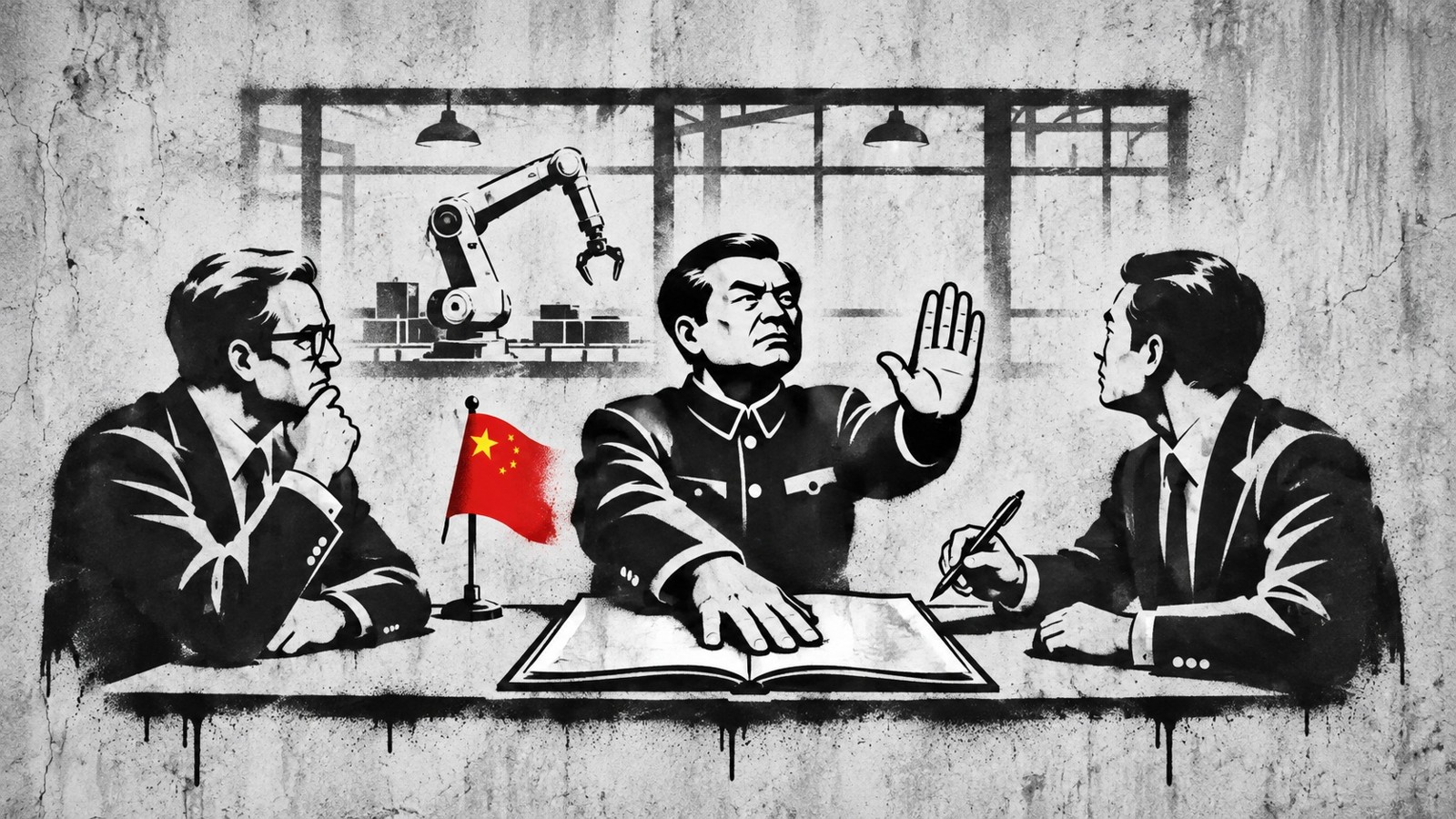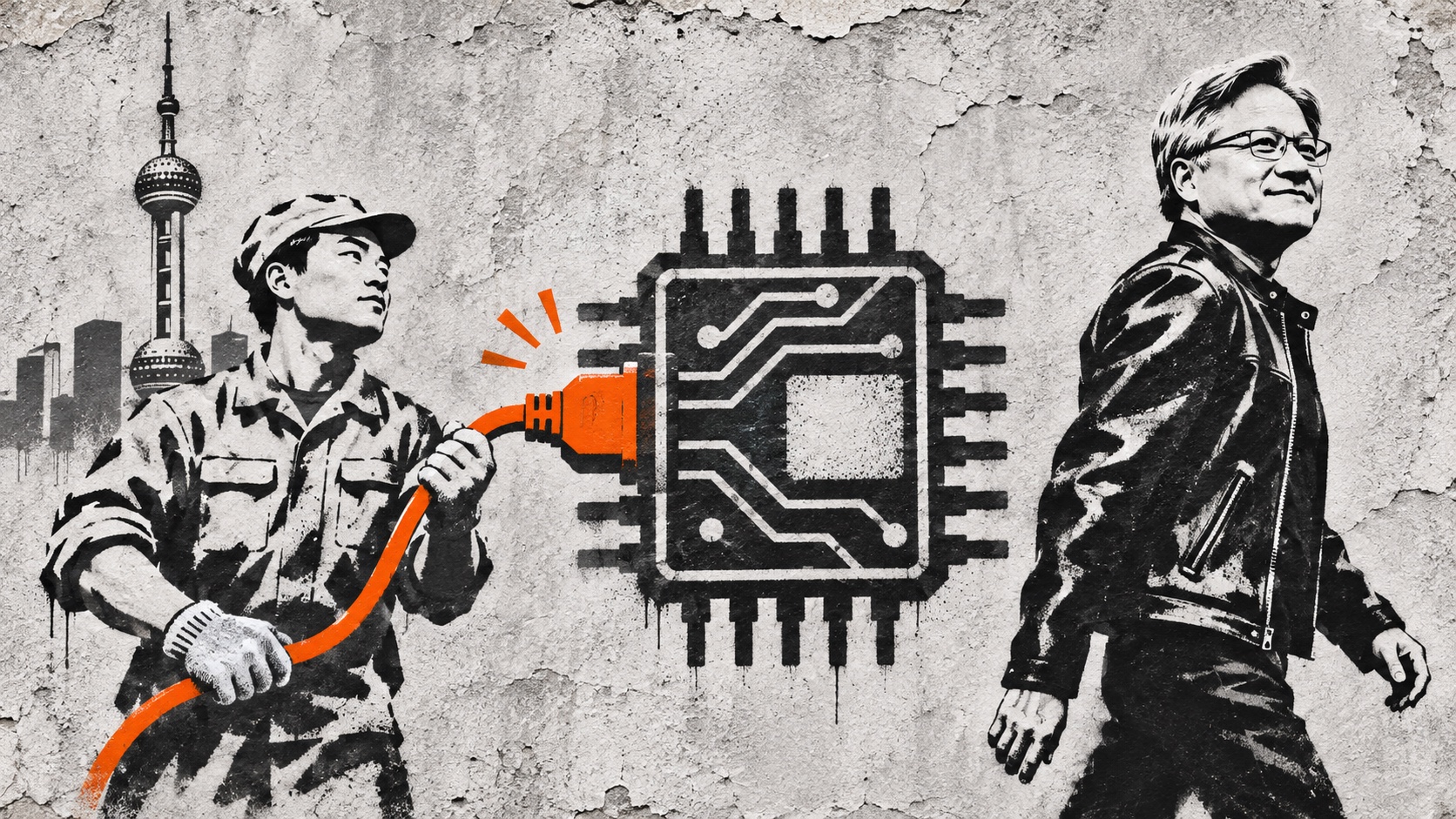
Jensen Huang has found prominent defenders in China. Following his departure from NVIDIA, influential commentators are portraying his case as a political attack.
Chinese suppliers, meanwhile, want to get one message across: business continues.
On November 12, the AI chipmaker announced its co-founder’s resignation. Finance chief Colette Kress is taking over as interim CEO.
The announcement followed reports of extramarital relationships and alleged Chinese espionage. NVIDIA had already announced an independent investigation.
Chinese commentators defend Huang
Hu Xijin, the former editor of the state-owned Global Times, calls the episode a “coup in the name of national security”.
In his telling, the American establishment has pushed a Chinese American out of the leadership of one of its most important companies.
He also sees a warning for other successful Chinese Americans.
The Chinese government rejects the espionage allegations. Foreign ministry spokesperson Guo Jiakun called them baseless smears.
On Friday, Mao Ning was asked about alleged connections to a data centre in Shanghai. The foreign ministry spokesperson said she was unfamiliar with the circumstances.
She explicitly opposed further American chip restrictions, saying such measures disrupted global supply chains.
Suppliers report no changes so far
Chinese companies doing business with NVIDIA face a more immediate question: will the orders continue?
The Securities Times asked suppliers. They said they had not noticed any changes in their cooperation so far.
Computing providers also told the newspaper that prices for NVIDIA accelerator cards had not moved significantly.
Chinese NVIDIA suppliers nevertheless came under pressure on the stock market. The companies’ statements describe their current business.
How the new leadership will decide on future products and partnerships remains open.
China’s own chips still face technical hurdles
A commentary by Chang’an Jie Zhishi, a news outlet belonging to the state-owned Beijing Daily, is particularly revealing.
It portrays Huang as a businessman who sought a balance between American security interests and business with China.
With his departure, it argues, that position loses an important voice.
The commentary advocates Chinese alternatives. It also acknowledges that tighter export restrictions would put short-term pressure on China’s AI development.
Further US restrictions could also increase the pressure to develop domestic chips and supply chains faster. China technology analyst Rui Ma describes this possible consequence of the scandal in comments to AP.
Domestic chips still need improvements in areas including software compatibility and the reliability of large computing systems, it says.
That is the economic tension behind these reactions: Chinese suppliers could benefit from uncertainty at NVIDIA.
Chinese customers, however, need computing power that works reliably today.
Even the state-affiliated commentary describes replacing foreign chips as a “long and difficult process”.
Get These Insights Every Monday
Join 18,000+ professionals reading Asiabits. Free, every Monday, straight from Shanghai.
Subscribe Free →