German suppliers can contribute to Chinese humanoid robots through motion components, sensing, control electronics and the processes used to manufacture them. The opportunity depends on a platform's technical requirements, sourcing decisions and development stage. A supplier should start with a measurable component problem, then establish who will test, integrate and buy the solution.
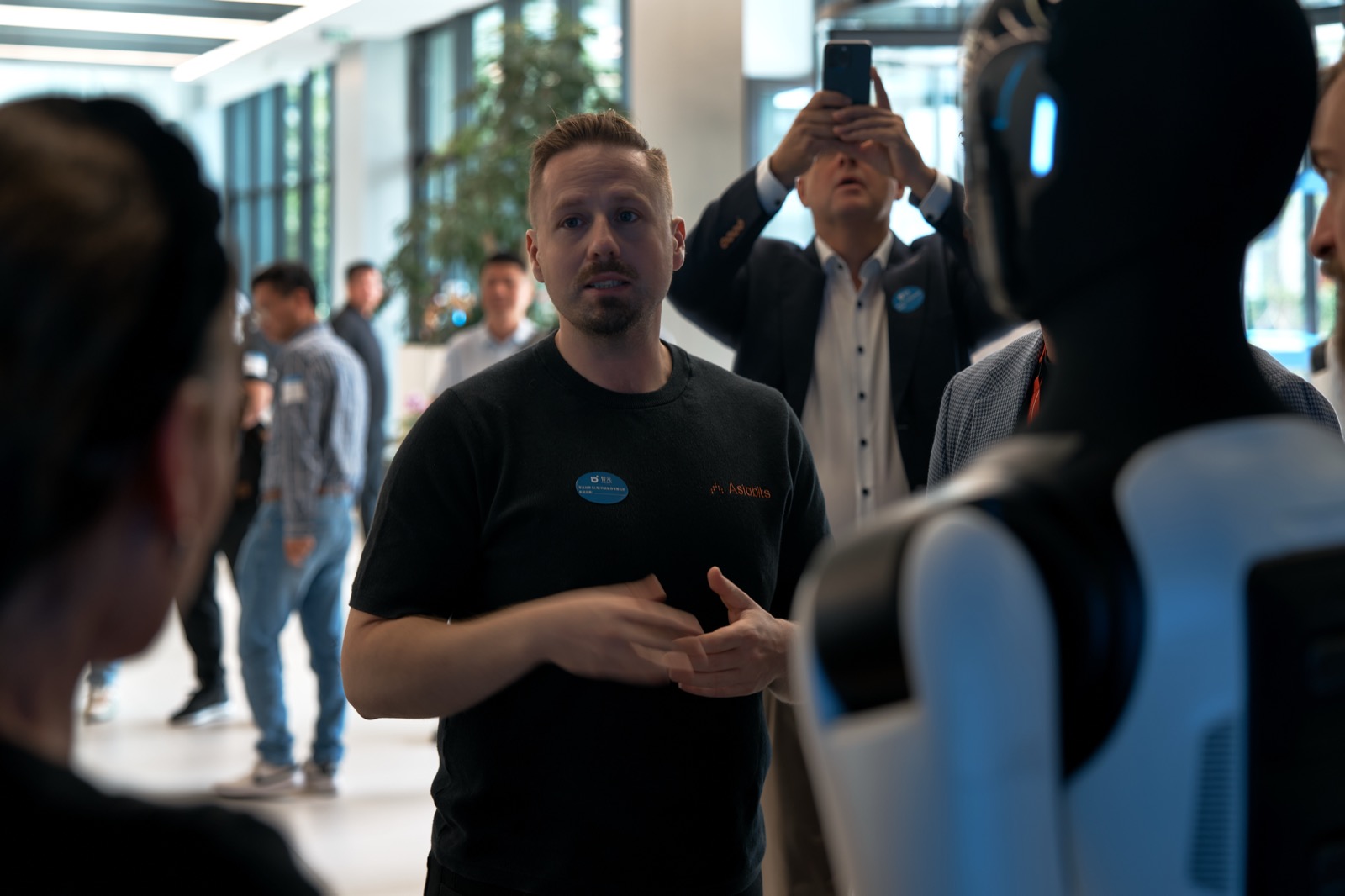
My name is Thomas Derksen, founder of Asiabits. After two weeks travelling through Germany earlier this year, including a visit to NEURA Robotics, I came away more optimistic about cooperation with China. In my July reflection, I focused on automotive suppliers and their engineering experience. The useful question for that supplier base is which specific capabilities a robot developer needs.
That question deserves more precision than a debate about which country is ahead. A company making bearings faces a different opportunity from a business selling complete actuators. A manufacturer of inspection equipment may have a route into robot production without supplying anything that travels inside the finished machine.
Which parts of a humanoid can an industrial supplier contribute?
A supplier can contribute an individual component, an integrated subsystem or equipment used to build and test the robot. Establishing that level of supply is the first practical decision.
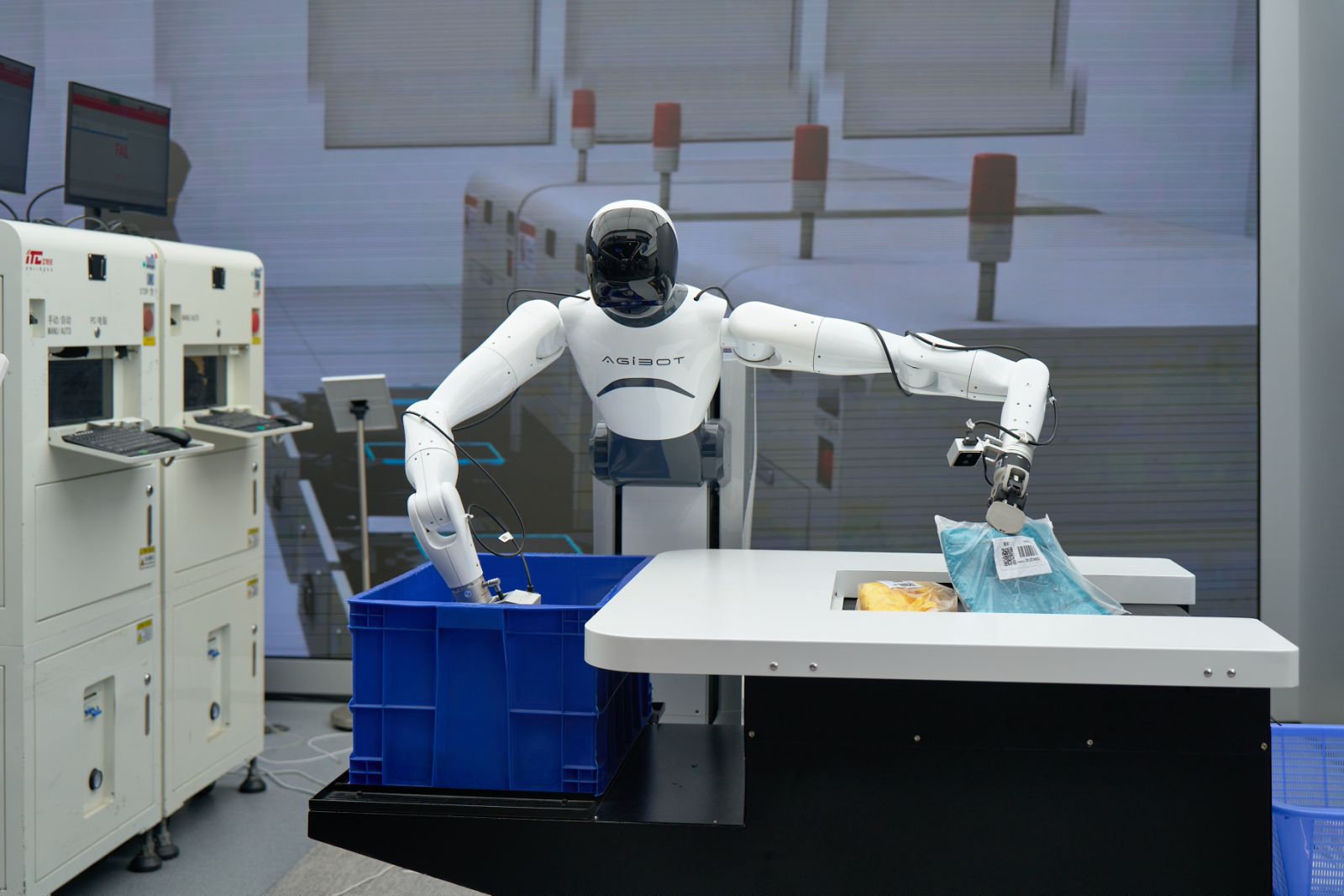
For an initial product review, separate the moving mechanism from the electronics that command it and the measurements used to control it. A motor creates motion. A transmission changes how that motion reaches the joint. Bearings support the moving parts. Sensors provide measurements, while control electronics coordinate the response. These functions can sit inside one purchased module or remain divided among several suppliers.
Schaeffler's public humanoid portfolio illustrates the range: bearings, gearboxes, linear transmissions, sensors, actuators and control electronics. It also describes industrialization and maintenance services. A company's potential role therefore extends beyond exporting a catalogue part.
As a first exercise, take an existing product and write down the robot function it could serve. Then list the changes that would need investigation: installation size, weight, heat, loading and the electrical or mechanical interface. Treat that list as a development brief. Similarity to an automotive application is a reason to investigate, with the final fit still to be demonstrated.
Where does German manufacturing experience become useful?
Manufacturing experience becomes useful when a supplier can connect it to a robot developer's documented performance or production problem. National reputation alone leaves the engineering work undefined.
Consider a precision component that works well in a prototype. Before committing to dedicated production, ask how the design will be inspected and which dimensions determine acceptance. A supplier with relevant process experience can propose a measurement method, explain what its existing equipment can achieve and identify where tooling would have to change. Those are specific contributions a development team can evaluate.
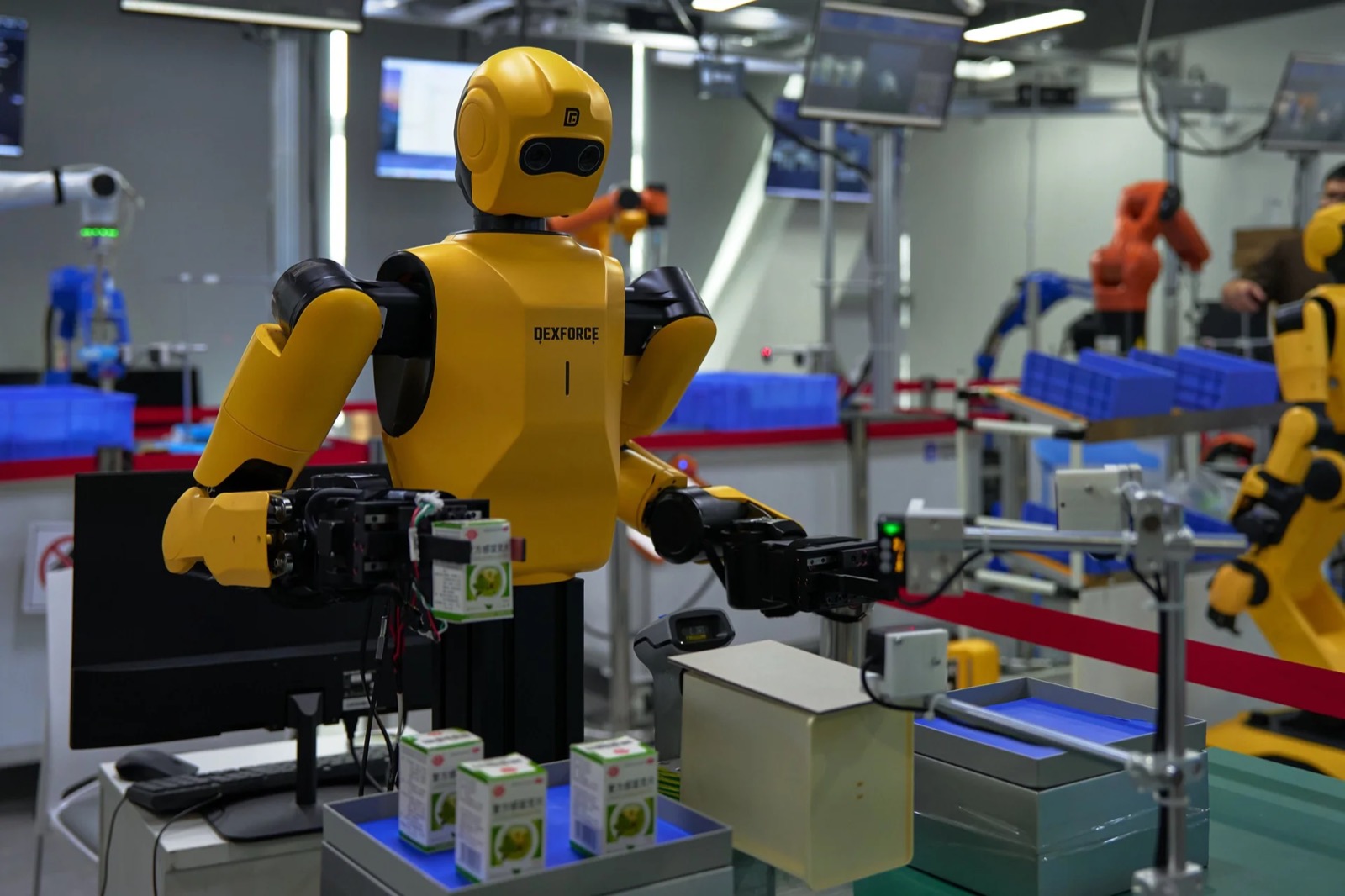
Assembly experience can be equally relevant. An engineering discussion might examine how to place a sensor consistently, route cables through a moving joint or replace a worn module. These are examples of questions to investigate, rather than claims that every Chinese platform has the same weakness. The developer should identify the actual problem and provide the evidence needed to work on it.
In our database of 7,000+ robotics companies, the snapshot checked on 29 October 2026 contains 7,320 company records globally. That is a research collection covering different roles and maturity levels. It provides a way to search for relevant businesses; it cannot establish how many qualified customers exist for a particular German component.
Our January 2026 robotics analysis separated component businesses from complete robot manufacturers. That distinction remains useful for a supplier's first search. A complete robot manufacturer may delegate the purchasing decision to its actuator partner. A conversation with that partner can therefore answer questions that a meeting with the robot brand leaves open.
What do current partnerships actually demonstrate?
Current partnerships demonstrate that supplying components and helping develop their application can be part of the same relationship. They give concrete examples of an entry route, with commercial results that still require separate evidence.
On 20 October 2026, Schaeffler announced its Taicang lighthouse factory, combining component manufacturing, robot training, data acquisition and digital twins. Its release describes humanoids assembling joint modules, including actuators. This is a company-reported example of a German supplier developing both products and production applications in China.
A separate Hexagon announcement from August 2026 describes AEON entering Schaeffler's Humanoid Gym in Germany for training and validation, alongside Schaeffler's role supplying actuator technology. It documents a development and validation process. The release does not provide independently measured lifetime performance or a return calculation for another buyer's factory.
For a smaller supplier, the practical lesson is to define the contribution at a manageable scale. A sample bearing and a complete joint module require different development resources. Either could be a sensible starting point if the buyer has a real requirement, an evaluation owner and an agreed route to a commercial decision.
Why can an automotive component still need redesign?
An automotive component can require redesign because its new installation may impose different dimensions, loads, control interfaces or operating conditions. Existing production experience provides a starting point for qualification.
McKinsey's April 2026 supply-chain analysis, which I discussed in June, distinguishes established capacity in adjacent industries from the limited standardization of humanoid subsystems. Its discussion of integrated actuators explains why mature individual parts can still require substantial development when combined into a robot joint. This is a framework for examining a project, rather than a forecast of orders for any supplier.
Start the technical conversation with the intended task. Ask the developer to describe the motion and loading sequence, the available installation space and the operating conditions. For an actuator, request separate definitions for continuous operation and short-duration output. A headline performance number becomes useful only when the test conditions and allowed duration are understood.
Then establish the test boundary. Will the supplier deliver a component for the developer's bench, or a module tested inside a particular robot? Who supplies the controller and firmware? Who records the results? A written test plan should make clear which observations would support another development step and which would require a redesign.
Our guide to humanoid robot costs provides background on the hardware. For a supplier decision, convert that broad picture into a project-specific list of parts, interfaces and validation responsibilities.
How should a supplier qualify a Chinese development partner?
Qualify the partner by checking who controls the relevant design, who evaluates outside components and how development spending is approved. A promising demonstration is an opening for those questions.
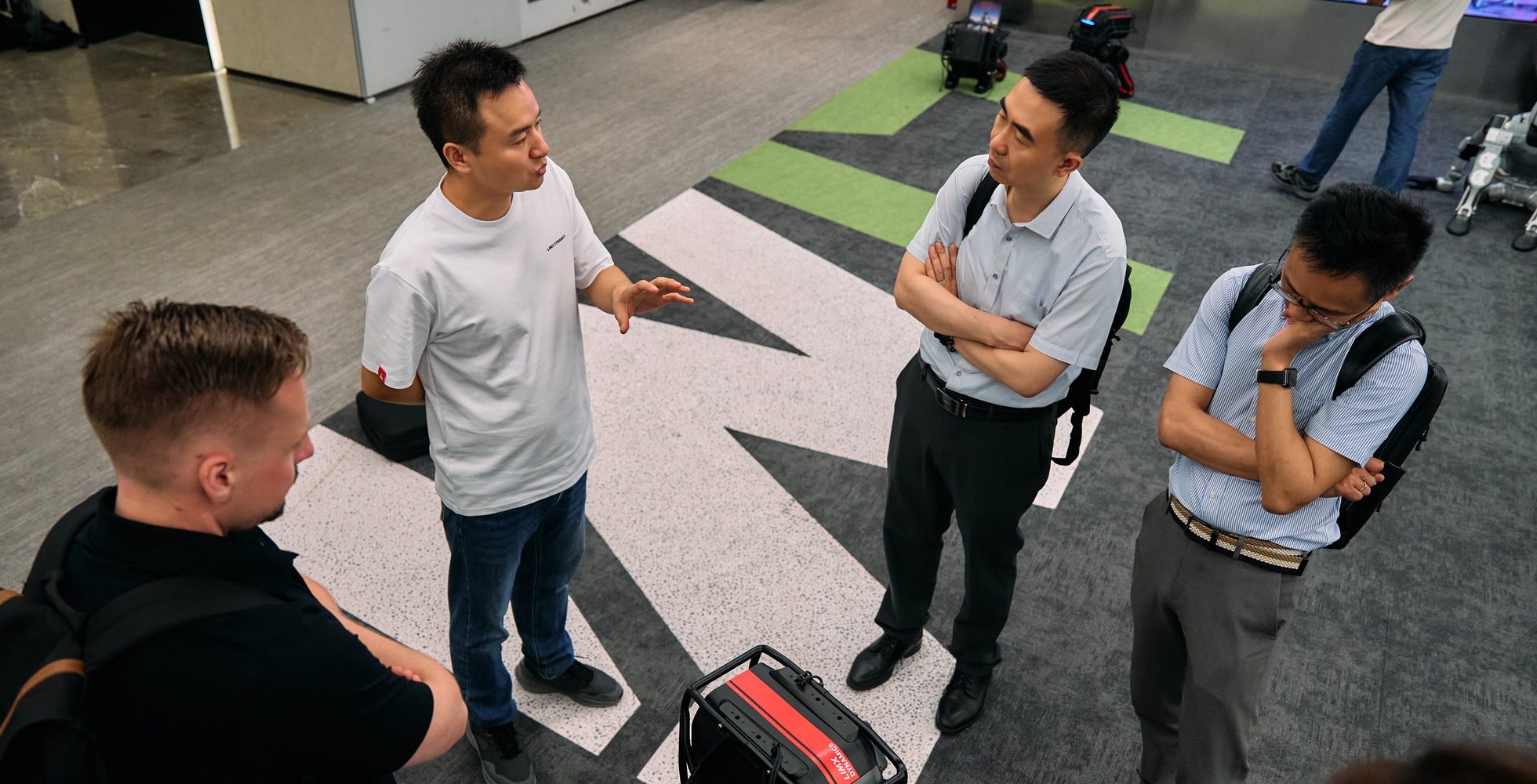
Before a visit, send a concise capability note showing the product, the manufacturing process and the evidence already available. Include enough technical detail for the recipient to route it to the appropriate engineer. Ask whether the platform buys the relevant subsystem externally and whether a design change is currently under consideration.
During the engineering discussion, work toward a shared description of the problem. Request the specification needed for a sample, the intended evaluation method and the name of the team responsible for the decision. A useful outcome may be a narrowly defined feasibility study. It may also be an early finding that the platform already has a satisfactory supplier.
Before quoting, separate prototype demand, forecast demand and an actual order. Estimate development work against the prototype programme that is being discussed. Consider dedicated tooling only against an adequately supported production plan. Discuss ownership and permitted use of development results before exchanging sensitive design material, with appropriate advisers where needed.
Our guide to China's robot clusters for German manufacturers helps with the geographical shortlist. Our supplier-vetting guide covers the evidence to request before a pilot. For a component seller, add a check on the purchasing route: the robot manufacturer, subsystem company and local engineering partner can have different responsibilities.
What is a sensible first project?
A sensible first project tests one defined engineering question with a named owner, a budget and an agreed decision at the end. Its scope should fit the evidence currently available.
For example, a component supplier could propose comparing its sample with the customer's existing solution under an agreed loading sequence. The proposal would define the samples, test fixture, measurements and report. It would also state what the customer must provide. This is an illustrative project structure; the actual criteria must come from the application.
Prepare the commercial next step at the same time. If the result is acceptable, will the customer authorize another prototype build, request an integration change or open a production qualification process? That answer helps the supplier decide how much engineering capacity to allocate. A successful test can justify further work while production timing and volume remain uncertain.
The main unknown is how each platform's architecture and demand will develop. Public announcements and database entries cannot settle that question. A supplier can still make progress by checking requirements directly, limiting the first commitment and recording what would justify the next investment.
Asiabits helps European teams research Chinese robotics companies, prepare technical questions and plan relevant company visits. For a component supplier, the starting brief should identify the product family and the engineering decision the trip needs to support. Explore our robot supply-chain map or discuss a focused programme through bespoke visits.
Frequently asked questions
Can German automotive suppliers sell components to Chinese humanoid companies?
They can investigate opportunities where their products meet a platform's requirements and the developer is considering external supply. Schaeffler's public activities provide one example of a German supplier working on humanoid components in China. Each new supplier still needs its own technical qualification and commercial agreement.
Which humanoid component categories should a supplier examine?
Relevant categories include motion components, sensing, control electronics and manufacturing or inspection equipment. Start with the company's existing capability and a specific customer requirement. The appropriate level of supply may be an individual part or an integrated subsystem.
Does an existing automotive part fit a humanoid robot?
Its suitability must be tested against the robot's installation and operating requirements. Space, loading, thermal behaviour and control interfaces can require changes. Existing automotive experience is useful evidence for a development discussion, with qualification still required.
Does a robot partnership announcement prove production demand?
An announcement establishes only the activities and commitments it actually describes. Training, development, a rollout target and delivered production orders are different forms of evidence. A supplier should verify the relevant order and qualification status directly.
What should a first humanoid component project deliver?
It should answer a defined technical question using agreed samples, test conditions and acceptance criteria. Assign responsibility for integration and evaluation, and agree the paid scope. Define which result would justify the next development or purchasing decision.
Get These Insights Every Monday
Join 18,000+ professionals reading Asiabits. Free, every Monday, straight from Shanghai.
Subscribe Free →