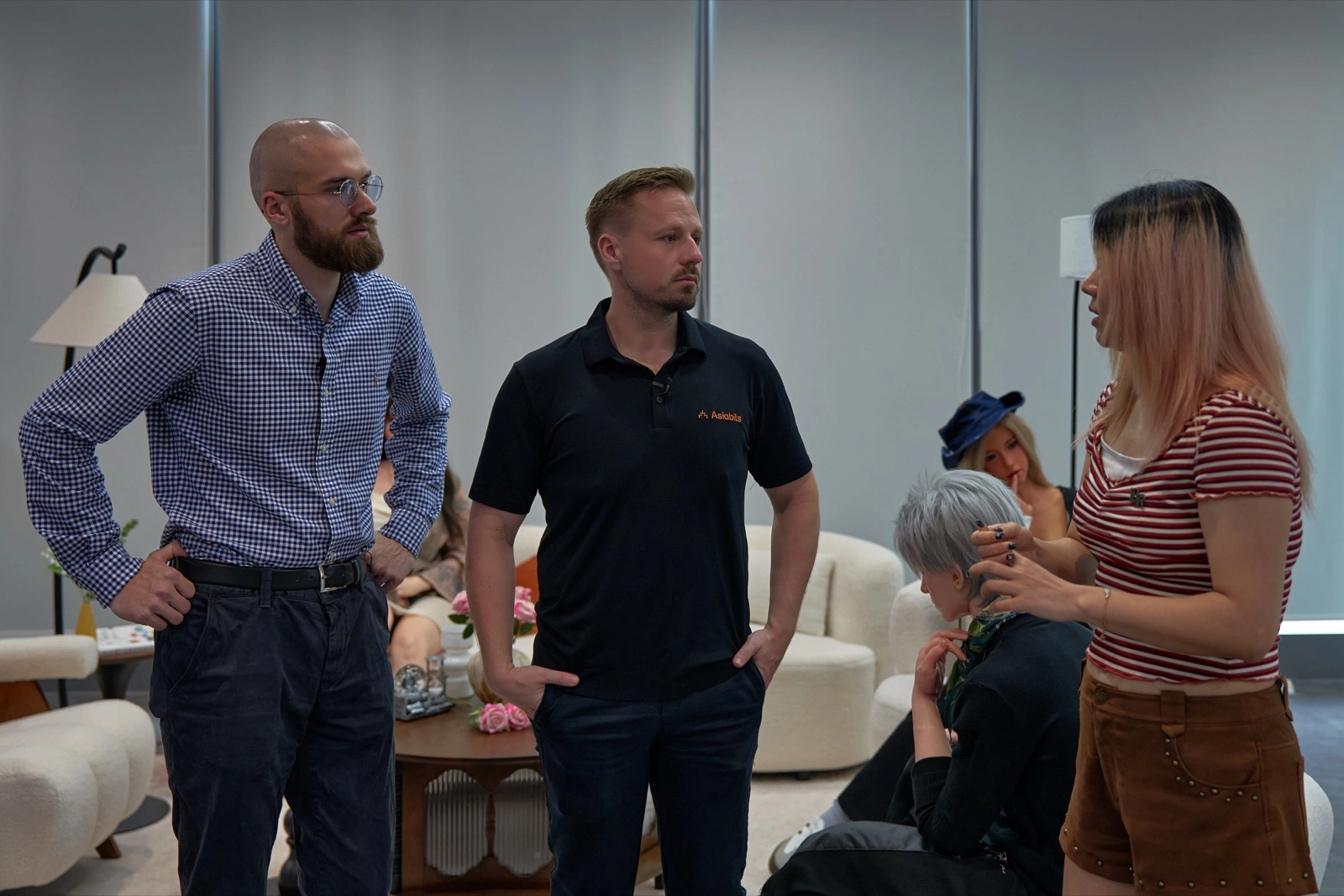
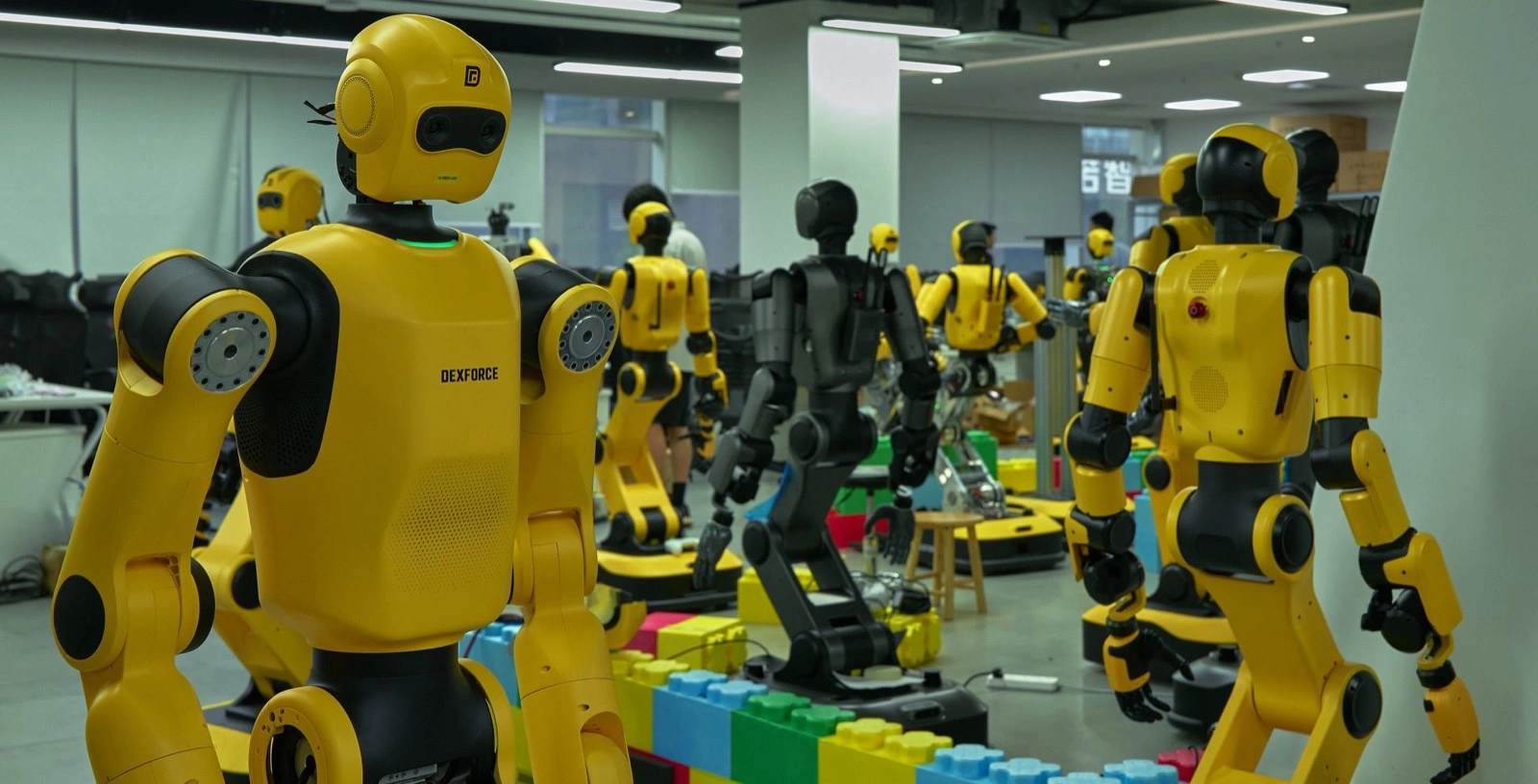
To plan robotics factory visits in Suzhou, define the application you want to investigate, shortlist companies by technical fit and confirm the actual meeting site. Ask whether the visit includes manufacturing, an application lab or a showroom, and which engineers will attend. Keep time for comparing findings and agreeing the next technical step.
During an industrial customer discussion in August 2026, I heard a useful preference: finding a potential robotics partner around Shanghai or Suzhou could make future cooperation easier. The conversation concerned how to find a suitable partner and understand the development work involved. It was a planning discussion, with technical questions still open.
My name is Thomas Derksen, founder of Asiabits in Shanghai. That exchange is why I ask visitors to think beyond the first meeting when choosing a city. A nearby partner may be easier to revisit, but the team still needs to establish whether the supplier can help with the intended task. An address is the beginning of the research.
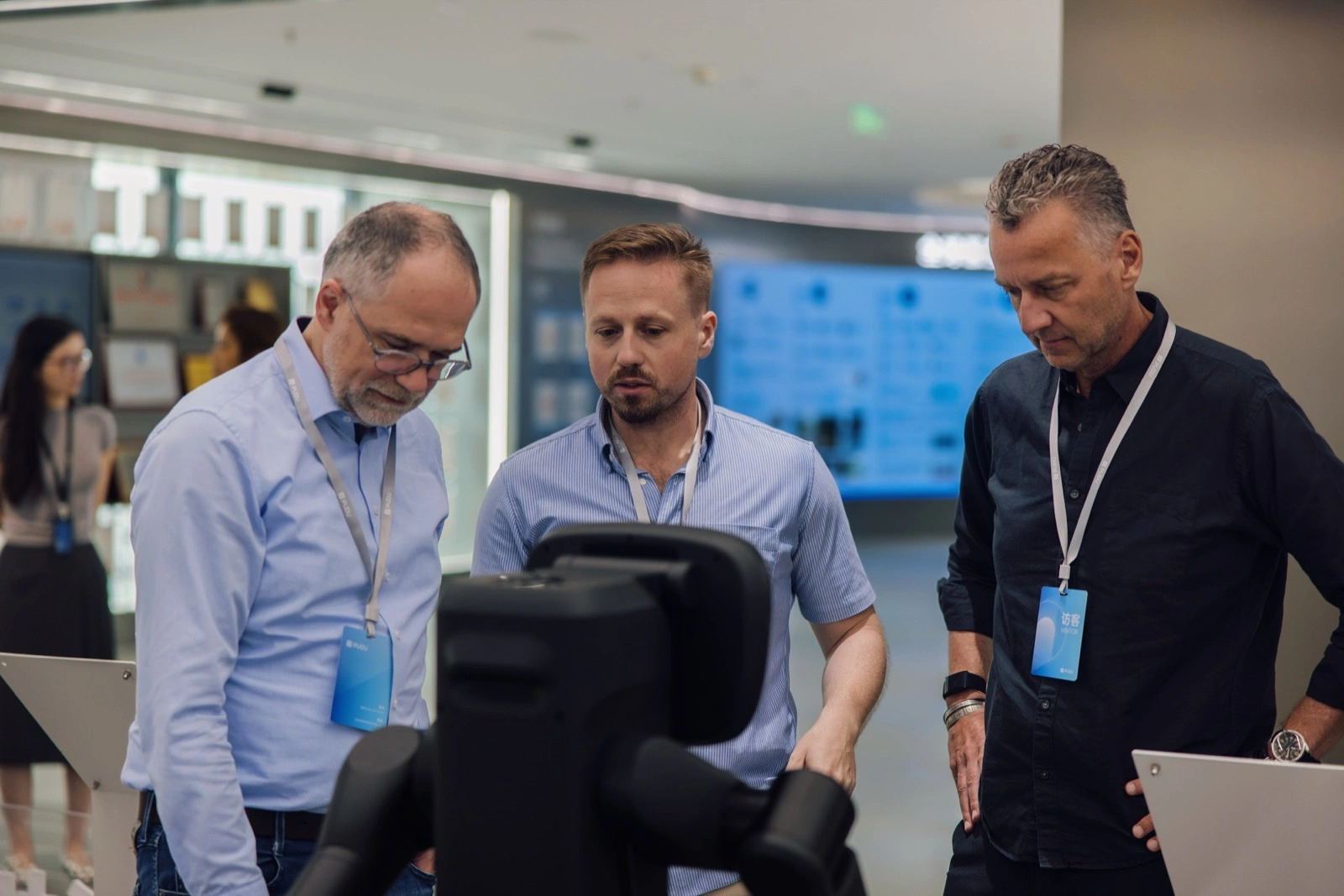
The photograph comes from a separate visit in Shenzhen. The same preparation question applies in Suzhou: what can the visitors learn at this specific site? A machine on display, a working application and a production process each answer different questions. Confirming the purpose beforehand gives the host a chance to prepare the relevant people and equipment.
Why consider Suzhou for robotics company visits?
Suzhou offers a sizeable pool of robotics and automation companies to investigate, including component suppliers and industrial robot businesses. In our database of 7,000+ robotics companies, the snapshot checked on 23 October 2026 contains 7,320 company records globally. There are 121 records assigned to Suzhou, compared with 294 assigned to Shanghai and 110 to Hangzhou.
Within those Suzhou records, 33 are classified as components, 19 as automation and smart manufacturing, and 16 as cobots or industrial arms. These are categories in our research database. They describe how we have organised the records, with uneven coverage and a single primary category for each company. They cannot establish which supplier is best for a particular factory.
Use those figures to shape the search. A team investigating machine tending could look at both an arm supplier and a gripper specialist. A team making robot components may instead want to meet developers that could use its products. The same city can support different research agendas, so the itinerary should follow the technical question.
Our January 2026 regional research included Suzhou among the Yangtze River Delta robotics hubs. That older report used a different database snapshot, so its totals should be kept separate from today's counts. For current company discovery, begin with the Asiabits robotics directory and check each candidate's own information before requesting a visit.
How do you check whether an address is a factory?
Ask the host to identify the function of the exact site proposed for your meeting. A headquarters address, an international sales office and a manufacturing site may belong to the same company. They can offer different equipment, different staff and different access permissions.
Elite Robots provides a useful public example. Its official contact page, checked for this article, lists a headquarters and manufacturing site in Suzhou and an international operations centre in Shanghai. A request to meet the company therefore needs a second question: which location can answer the visiting team's questions? Confirm the address directly when arranging the appointment.
Component supplier Jodell illustrates why city labels need further checking. Its official contact page lists a Suzhou headquarters in Wujiang and a separate Shanghai office. Those listings establish public contact locations. They do not promise a production tour, access to a laboratory or the presence of a particular engineer. Request those details explicitly.
Keep the confirmation in the meeting brief: full address in Chinese, entrance instructions, host contact, permitted areas and the activity the host has agreed to show. Ask whether photography or sample handling is allowed. A calendar invitation saying only the company name leaves the driver and the visiting team with avoidable uncertainty.
Which companies belong on a useful shortlist?
A useful shortlist contains companies that can discuss the same application from relevant technical positions. Start with the process you want to understand and describe the unresolved question. The best-known brand may belong on the list, but public visibility alone gives little information about willingness to work on your project.
In the August discussion, we talked about the development support a customer would need alongside a robot. That distinction matters when planning visits. A robot manufacturer may supply the hardware, while another company handles the application work. Ask who would train, program or integrate the system and whether that person can join the technical conversation.
For an illustrative machine-tending brief, identify the part, how it arrives, the required machine interface and the conditions after a failed pick. Then ask candidates which parts of that process they already support. This is a suggested preparation method, rather than a description of a completed customer deployment. The answers help decide which meetings deserve scarce travel time.
Give every candidate the same permitted information so the visiting team can compare answers fairly. Note whether a response concerns an existing product, a demonstration or proposed development. Our guide to finding robotics suppliers in China covers the broader search; the Suzhou itinerary should narrow that search to discussions that advance your decision.
What should you send before the visit?
Send a short application brief and a clear request for what you want to examine. The host needs enough information to decide which colleagues and equipment are relevant. Share only material your organisation permits you to disclose, and arrange confidentiality terms before exchanging sensitive drawings or process data.
Explain the workpiece, the current handling method and the problem you want to solve. State any known constraints in ordinary engineering terms. If dimensions or process conditions remain uncertain, label them as open questions. Inventing precision in the brief can send the discussion toward a solution that does not match the factory.
Ask the host to confirm whether the proposed session can include application engineering, integration responsibilities or a demonstration related to your task. A manufacturing tour can help visitors understand assembly and inspection. An application lab may be better suited to testing a handling idea. Select the session according to the evidence your team needs.
Also agree how the discussion will be interpreted and recorded. Technical vocabulary needs to survive translation accurately, especially when the conversation moves between the visiting engineers and local specialists. Prepare the terms that matter to the application and assign someone to capture unresolved questions. An attractive slide deck cannot substitute for a shared understanding of the requirement.
How should you structure the itinerary and follow-up?
Build the itinerary around confirmed sites and the work required at each meeting, then allow for travel and review time. A list of companies in Suzhou does not establish a workable route. Use the actual meeting addresses to check the journey, and avoid promising a meeting count before the hosts confirm availability.
Place related technical discussions close enough together that the team can compare them while the details are fresh. After each visit, record what you observed, what the host stated and what remains to be tested. Keep those categories visible in the notes. A witnessed demonstration establishes what happened under those demonstration conditions.
Before leaving the site, identify the next information exchange. That might be an approved sample drawing, a written explanation of an interface or a proposed test method. Record who will provide it and who inside the visiting company can assess it. Agreeing this at the meeting reduces the chance that a promising technical discussion ends as an unowned email chain.
For teams based outside China, ask how later technical work would be handled. Who can attend a factory assessment, who supplies local integration support and how would a fault be investigated? Proximity is useful only alongside clear responsibilities. Our article on visiting factories in China provides the wider preparation context.
What can a Suzhou visit establish, and what remains uncertain?
A visit can establish what your team has seen and clarify whether further technical work is worth pursuing. It can help you reject a poor fit, identify a possible partner or define a test. Each is a legitimate result when it is supported by the evidence gathered.
The limits deserve equal attention. Our database counts do not measure factory output or supplier quality. A public contact page does not establish access rights. A robot completing a prepared task does not prove continuous production performance. Record each remaining uncertainty with the evidence needed to resolve it, rather than filling the gap with optimism.
The August conversation was useful because the team was discussing how cooperation could work after the introductory visit. That is a practical lens for choosing Suzhou: investigate a relevant group of companies, check where the engineering work happens and ask how a later project would be supported. Keep commercial commitments separate until the technical scope can be assessed.
Asiabits organises private robotics visits in China around the question a team needs to answer. For a Suzhou visit, bring a short description of the application, the knowledge already available and the decision the trip should inform. We use that starting point to research suitable companies and prepare relevant discussions with the hosts.
Frequently asked questions
Can you visit robotics factories in Suzhou?
Visits depend on the individual host's agreement and the purpose of the meeting. Confirm the exact site, permitted areas and technical participants before treating a company meeting as a factory tour.
How many robotics companies are in Suzhou?
The Asiabits research database contained 121 records assigned to Suzhou when checked on 23 October 2026. That figure describes our research coverage, with uneven inclusion across company types. It is not a census of active factories.
Should a robotics visit take place in Shanghai or Suzhou?
Choose the location where the relevant equipment and technical team are available. A company can have separate sales, engineering and manufacturing locations. Verify their functions directly with the host.
What should engineers prepare for a Suzhou factory visit?
Prepare an application brief describing the task, workpiece, interfaces and unresolved questions. Use approved information, and arrange confidentiality terms before sharing sensitive technical material.
Does a successful demonstration mean a robot is ready for production?
A demonstration establishes performance under the conditions shown. Production suitability needs testing against the intended factory conditions, with agreed acceptance criteria and responsibility for integration.
Get These Insights Every Monday
Join 18,000+ professionals reading Asiabits. Free, every Monday, straight from Shanghai.
Subscribe Free →