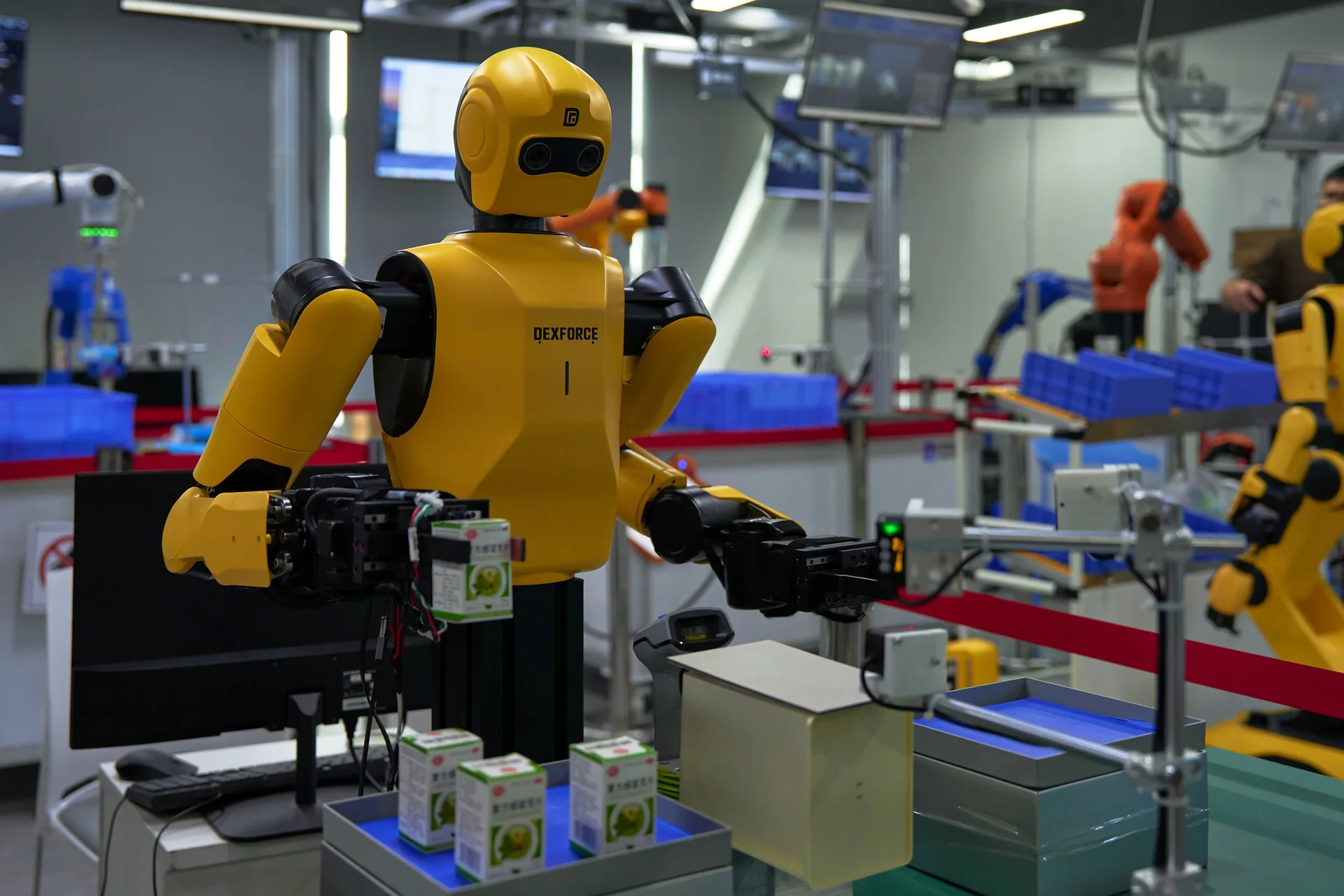
A robotics factory visit in China should include the person responsible for the process being investigated and someone able to judge the proposed technical solution. Add a decision-maker when the trip could lead to a project. Operators, maintenance specialists and procurement colleagues can contribute before, during or after the visit, depending on the questions.
In May, I watched a robotics video and wrote about the physical work behind it: cleaning, welding and removing rust in difficult places. The useful question was how machines could take on those tasks. That question also determines who should travel. A plant manager, a maintenance engineer and a corporate strategist will each notice something different in the same demonstration.
My name is Thomas Derksen, founder of Asiabits in Shanghai. When planning a company visit, I would start with the decision the visitors want to make afterwards. Choosing participants becomes easier once the team can finish this sentence: we need to understand whether this approach could work for our specific process.
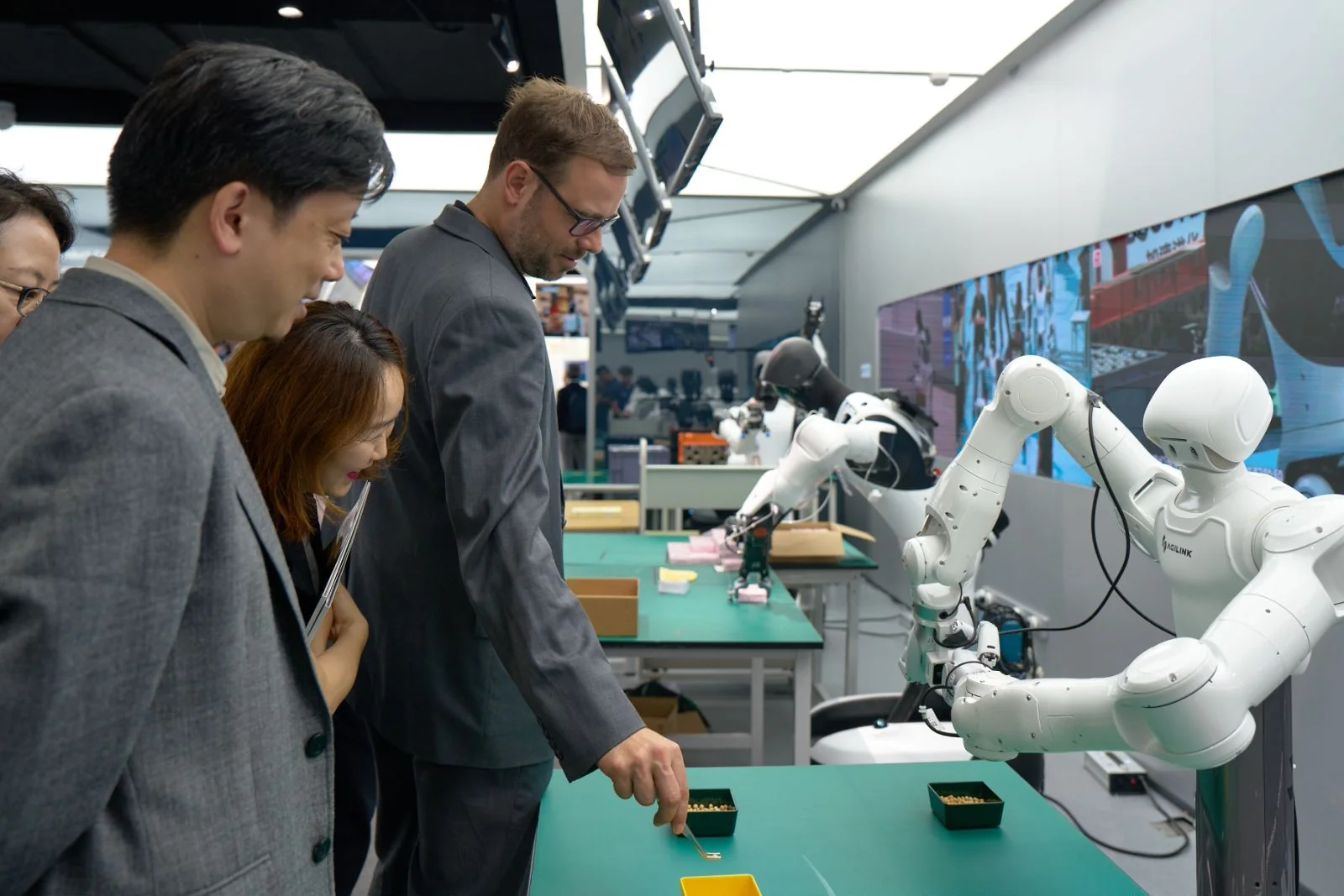
Who needs to understand the process being discussed?
The process owner should help define the visit and ideally attend when the purpose is an application assessment. This person knows what acceptable output looks like, which variations occur during normal work and where interruptions create problems. Their contribution starts before the delegation boards a plane.
Consider a hypothetical visit about moving trays between production stations. The person responsible for that operation can explain how trays arrive, which products use them and what happens when one is damaged. Those details give the supplier something to respond to. A general request to see automation leaves the host choosing a demonstration without knowing which conditions matter.
Give the process owner a short preparation task: describe the operation in plain language, provide approved pictures or drawings and identify the question the visit should answer. Existing records are useful when available. If the current process has never been measured, say which measurements the team still needs. The discussion can then distinguish an engineering question from a missing piece of information.
A senior executive can fill this role in a small business where they know production directly. In a larger organisation, the person closest to the operation may sit several levels below the traveller approving the trip. Invite that colleague into preparation even if they stay at home. Their account of an awkward material change can be more useful than another general presentation.
Which engineering skills should travel with the team?
Choose engineering expertise according to the interface you need to understand. A handling problem may need mechanical and controls knowledge. A machine-vision application may need someone who understands the inspection requirement and the available image data. Match the skill to the job before selecting the supplier list.
In our database of 7,000+ robotics companies, we currently hold 7,320 company records worldwide. Of these, 543 are in the cobots and industrial arms category and 272 in mobile robots. Those categories suggest different questions for a visit: how an arm handles a part, how a vehicle receives a job, or how the two exchange material. They also help identify which expertise your team needs.
An engineer joining the trip should be able to discuss the boundaries between systems. For the tray example, ask who provides the fixture, where the robot receives the signal to begin and how the downstream station confirms receipt. If your internal controls specialist cannot travel, agree which questions can be answered with cleared diagrams and which need a later technical call.
Specialist robots can require a different delegation. Chinese industrial robotics developer RobotPlusPlus lists its HighMate C20 for cleaning cargo holds, hulls and tanks. A visit about that application would benefit from expertise in surface cleaning and site operations. A team assembled only around humanoid software would leave important operating questions uncovered.
Use our robotics directory to explore company categories, then ask each potential host which technical colleagues can join. A supplier's application engineer may answer a process question that its international sales representative needs to refer elsewhere. Matching expertise on both sides makes the meeting easier to prepare.
Should operators and maintenance colleagues attend?
Operators and maintenance colleagues should contribute whenever daily running, recovery or servicing could determine whether the application works. Their presence is especially useful when the visit includes hands-on discussion of a comparable station. For an early market overview, a structured contribution from home may be enough.
Ask an operator to describe the exceptions that occur during an ordinary shift. A container may arrive in the wrong orientation. A label may be damaged. The task may change when a different product enters the line. These observations help the visiting team ask for a relevant demonstration and avoid treating a prepared sample as the whole operating requirement.
Maintenance colleagues bring another set of questions. What needs cleaning or adjustment? How does the operator identify a fault? Which repair requires a specialist, and where would that person come from? Give maintenance its own part of the meeting rather than relying on spare time after the demonstration. A clear answer can affect the later choice of integration and support arrangements.
Where travel places are limited, collect these questions before departure and assign a visiting colleague to ask them. Arrange a remote discussion if the answers need live clarification. Check connectivity and the host's permission before promising a video link from a production area. Approved notes or a later call can be more practical where cameras or connections are restricted.
When should executives and procurement join?
An executive should join when the visit needs a strategic decision, cross-department agreement or permission to investigate a project further. Procurement becomes useful when the discussion turns to supplier responsibilities and a defined commercial scope. Each participant should know what they can decide during the trip.
For an exploratory visit, an executive may want to compare the implications of several approaches for the business. Give them the production question and enough technical context to interpret what they see. A short discussion between visits can connect the demonstration to staffing, factory planning or product strategy without turning every supplier meeting into a board presentation.
For a potential pilot, procurement can ask what the supplier would deliver and which work needs a separate integrator. Ask who would provide local installation support, which documents would accompany the equipment and how changes to the agreed task would be handled. Technical colleagues should first establish the application boundaries so that the commercial discussion covers the intended work.
State internal authority before travelling. One person may be able to approve a sample test, while a larger project needs review at home. Tell the host which next step the delegation can agree and which requires a proposal. This lets both sides prepare a useful conclusion without assuming that interest during a demonstration is an order.
Bring the people needed for the next decision into the closing discussion, even if they do not attend every technical exchange. A specialist can investigate the application with the host while other delegates cover broader business questions. Agree this arrangement before arrival so the supplier can make the right colleagues available.
How do you organise a small visiting team?
Assign responsibilities to named participants and combine roles where the same person has the necessary knowledge. There is no useful universal delegation size. The group needs enough expertise to answer its question and enough time for each participant to engage with the host.
Before each appointment, choose who leads the application discussion and who records the evidence. Give the interpreter the technical brief and relevant terms in advance. Interpretation should preserve units, conditions and responsibility: the difference between the supplier providing an interface and the customer developing it can change the project scope.
Keep a shared question list with a clear owner beside each item. Before the host begins, explain the purpose of the visit and the intended decision. During the discussion, allow the colleague with the relevant expertise to finish the question and hear the full answer. At the close, check any conflicting interpretations with the host while the people who can resolve them are still available.
Ask one colleague to consolidate the notes after each visit. Record what was observed, the host's answers and the remaining question assigned to each owner. Someone who stayed at home should be able to read that account and understand what the delegation learned. Our robotics factory walkthrough guide covers the observations to capture at a station.
Invite remote specialists to the follow-up that needs their expertise, with the relevant notes shared beforehand. A controls engineer should receive the proposed interfaces; the process owner needs the task and operating conditions. For access and scheduling, see our guide to arranging factory visits in China.
Asiabits prepares private company-visit programmes in China around the team's business and technical questions. We help select relevant hosts, clarify the proposed meeting and prepare visitors to compare what they learn. Start with the process you want to understand and the colleague who will own the next step at home.
Frequently asked questions
Does a CEO need to attend a robotics factory visit?
A CEO is useful when the visit informs a strategic decision or requires agreement across departments. For a detailed application assessment, include the colleague who understands the process and someone able to assess the technical proposal.
Can engineers join a China factory visit remotely?
Arrange this with the host in advance and check connectivity and camera permissions. Where a live connection is impractical, share cleared technical notes and organise a follow-up call with the relevant engineer.
Should procurement join an early robotics research trip?
Procurement is useful when supplier scope and responsibilities are ready for discussion. During early exploration, procurement can help prepare questions and review the resulting proposals afterwards.
How many people should attend a robotics factory visit?
Choose the group around the questions the visit needs to answer. Combine responsibilities where one colleague has the relevant knowledge, and bring in other specialists before or after the trip.
Get These Insights Every Monday
Join 18,000+ professionals reading Asiabits. Free, every Monday, straight from Shanghai.
Subscribe Free →