China's manufacturing competitiveness comes partly from the concentration of suppliers, production skills and supporting services around an industry. For European manufacturers, the useful comparison includes how quickly a design can be tested, corrected and produced consistently. A low quotation becomes valuable when the supplier can deliver acceptable parts through the full production cycle.
On a flight to Germany in June 2026, I read a report about the humanoid robot supply chain. My LinkedIn post after landing focused on an opportunity for German engineering companies: understanding where their existing capabilities could fit into the emerging supplier base. The question begins well before a purchasing team requests a final price.
Thomas Derksen here, founder of Asiabits in Shanghai. Looking at Chinese manufacturing through robotics makes the supplier question especially tangible. A machine depends on parts, production processes and people who can work through changes together. For a European business, understanding those connections can reveal both a potential purchasing partner and a new customer.

Why does supplier concentration matter in Chinese manufacturing?
Supplier concentration can reduce the effort needed to find specialist capabilities and coordinate development. A manufacturer may need a machined part, a surface treatment and a test fixture before it can judge a revised design. Each additional handover creates a practical question about who understands the change and who can carry it out.
A March 2011 World Bank working paper on China's industrial clusters examines the role of networks, specialization and shared resources in industrial development. Its historical analysis helps explain why an established manufacturing cluster has value beyond the labour available inside an individual factory.
For a buyer, that suggests a useful line of investigation. Ask a candidate manufacturer which operations happen on its own site, which are subcontracted and how it controls those subcontractors. Then follow a real component through the sequence. A supplier's ability to coordinate the entire process deserves attention alongside the machines visible in its workshop.
Proximity creates an opportunity for faster coordination; the actual project still depends on working arrangements. Find out whether an engineer can speak directly with the person making the tool, how revised drawings reach production and who approves a process change. These are observable features of a supplier relationship that a catalogue leaves unexplained.
For example, consider a hypothetical housing that fails a fit check. The useful question is how the supplier would investigate the problem, distinguish a drawing issue from a process issue and produce a corrected sample. Ask the team to describe that sequence using an earlier, shareable example. You learn how its engineering and production functions work together.
What does the robotics supply chain reveal?
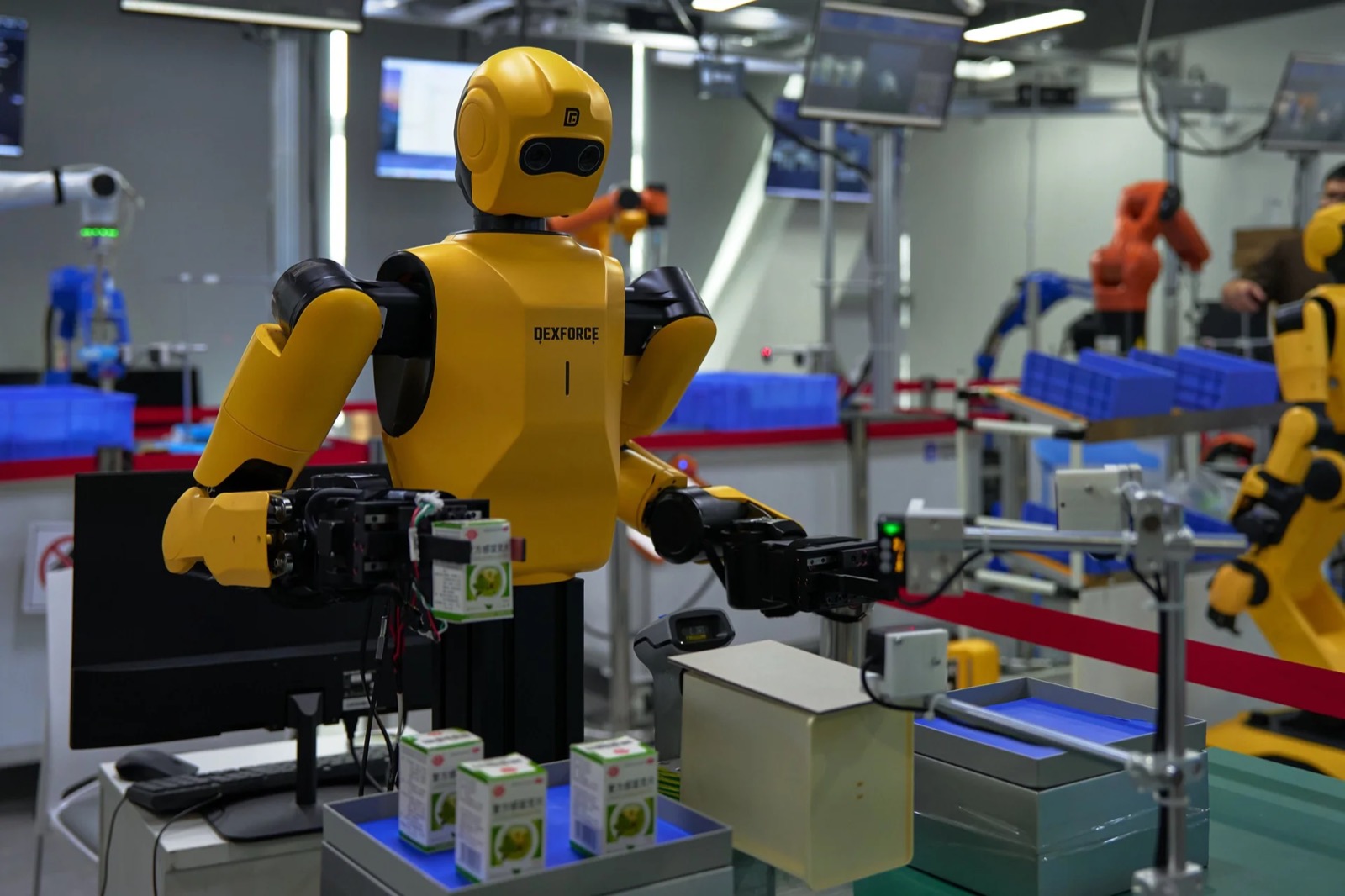
Robotics reveals how many specialist companies sit behind a finished product. In our database of 7,000+ robotics companies, the 12 November 2026 snapshot contains 7,320 company records across multiple countries. A text search finds 607 records mentioning components in the company description. That is a view of the research collection's breadth.
For industrial research, start by separating the functions inside the product. A robot involves mechanical transmission, motion control, sensing and other capabilities. A company producing a finished machine may buy some of those functions externally and develop others itself. The relevant business opportunity depends on where that boundary sits.
In my May 2026 LinkedIn post about the next phase of Chinese robotics, I pointed readers toward reducers, motors, force sensors and chips. Following the suppliers behind these functions gives a different view of the industry from following only the best-known robot brands. It also gives a component maker a more precise starting point for conversations.
Our guide to German suppliers and Chinese humanoid components explores that supplier perspective. For a manufacturing team, the same approach works when examining an existing product: identify the critical function, establish its requirements and investigate which companies can meet them.
Keep the research question narrow enough to answer. A motor supplier needs to understand the intended load and operating conditions. A company investigating a housing needs drawings and tolerances. Broad interest in Chinese innovation becomes commercially useful when someone can explain what the part must do and how a successful result would be judged.
How should buyers compare speed with unit price?
Compare the time required to obtain an accepted result alongside the price of each part. A quotation may describe production lead time after drawing approval, leaving sample development and engineering changes outside that figure. Establish where the quoted clock starts and what must happen before it starts.
Map the proposed project from the first technical review to accepted delivery. Include sample preparation, feedback, tooling where relevant and production approval. Give every stage an owner. This makes two supplier proposals easier to compare because the same activities appear in both, even if the suppliers package their quotations differently.
Use a simple hypothetical comparison. One supplier offers a lower unit price but requires the buyer to coordinate a separate finishing company. Another includes that process and takes responsibility for the finished part. The purchasing decision now involves the work your own team must perform, the handovers it must manage and the evidence available at acceptance.
Ask how changes affect the schedule. Who reviews a revised drawing? Does the change require a new tool or a different material? Which tests must be repeated? A useful answer identifies the dependency and the responsible person. It gives your engineers something they can evaluate before the project begins.
Measure progress with accepted outputs. A sample leaving the factory and a sample passing your test are different milestones. Define the required drawing revision and test method before shipment so a rejected part leads to a specific technical discussion. That discipline makes an ambitious delivery plan easier to assess.
What should a factory visit test beyond the production line?
A factory visit should test how the supplier turns requirements into repeatable production. Seeing the line helps establish what equipment and processes are present. Following a sample, inspection record or engineering change helps establish how the organisation uses them.
Begin with a part relevant to your application. Ask to see its route through production and the checks performed along the way. Discuss how the team identifies nonconforming output and prevents it from reaching the next operation. Where customer confidentiality limits access, agree on an alternative example that demonstrates the same process.
Include the people who handle exceptions. The sales contact may explain the commercial proposal, but a process engineer can discuss a difficult tolerance and a quality colleague can explain an inspection method. Ask who would receive your team's technical feedback after the visit and how the response would be coordinated.
Review the external dependencies as well. A factory may rely on another company for heat treatment, coating or a particular electronic assembly. Find out how that work is specified and checked. Your supplier's control over a subcontracted process affects the finished result just as directly as its control over work performed on site.
The Asiabits guide to planning robotics factory visits in Suzhou explains how to connect a visit with a technical question. For manufacturing research, arrive with a drawing, sample or process description that the host has agreed to discuss. It gives both teams a shared object to examine.
How can European firms turn the research into a useful next step?
European firms can turn the research into a defined technical exchange with a candidate partner. Choose one component or process where the business wants to learn something specific. Establish whether the immediate objective is buying a part, improving an existing design or supplying technology to a Chinese manufacturer.
Prepare the information needed for that objective. A buyer might share an approved drawing and a description of the application. A component supplier might explain a measurable performance capability and ask about the manufacturer's corresponding requirement. Use the company's normal information-sharing approvals to decide what can be exchanged at this stage.
Also establish who will assess the result at your own site. A sample can satisfy the supplier's inspection process yet leave a question unanswered for the buyer's application. Involving the receiving engineer early helps both sides choose a meaningful test. Write down what that engineer needs to see, including any material documentation, measurement data or assembly check, and share the agreed requirement before samples are prepared.
After the first discussion, record what each side has actually agreed to examine. A sample assessment, a review of an interface or a conversation between process engineers can each be a useful next step. Choose the step that resolves the remaining technical question before expanding the commercial discussion.
Bring the findings back into the existing business decision. Compare the candidate with your current route using the same requirements and acceptance test. Include the work your team would need to do during development and ongoing production. This gives engineering and purchasing a common basis for deciding whether to proceed.
Asiabits prepares focused business visits in China around the companies and questions relevant to a visiting team. For a manufacturing enquiry, share the process or component you are investigating and the decision the visit should support. Relevant supplier discussions and demonstrations can then form the programme.
Frequently asked questions
Why is manufacturing in China competitive?
Supplier clusters bring specialist processes and production skills into connected networks. Buyers should examine how a particular supplier coordinates those capabilities and delivers parts that meet the agreed requirements.
Is Chinese manufacturing only about low labour costs?
Labour is one part of a manufacturing comparison. Engineering work, tooling, inspection and the coordination of external processes also affect the route to an accepted product.
How can European manufacturers assess Chinese suppliers?
Use the same technical requirements and acceptance test for each candidate. Examine sample development, engineering changes and subcontracted processes alongside unit price and production lead time.
What should a first factory visit achieve?
A first visit should help the team assess a relevant process and identify a concrete technical next step. Bring an agreed drawing, sample or application brief so the discussion can address the actual manufacturing question.
Get These Insights Every Monday
Join 18,000+ professionals reading Asiabits. Free, every Monday, straight from Shanghai.
Subscribe Free →