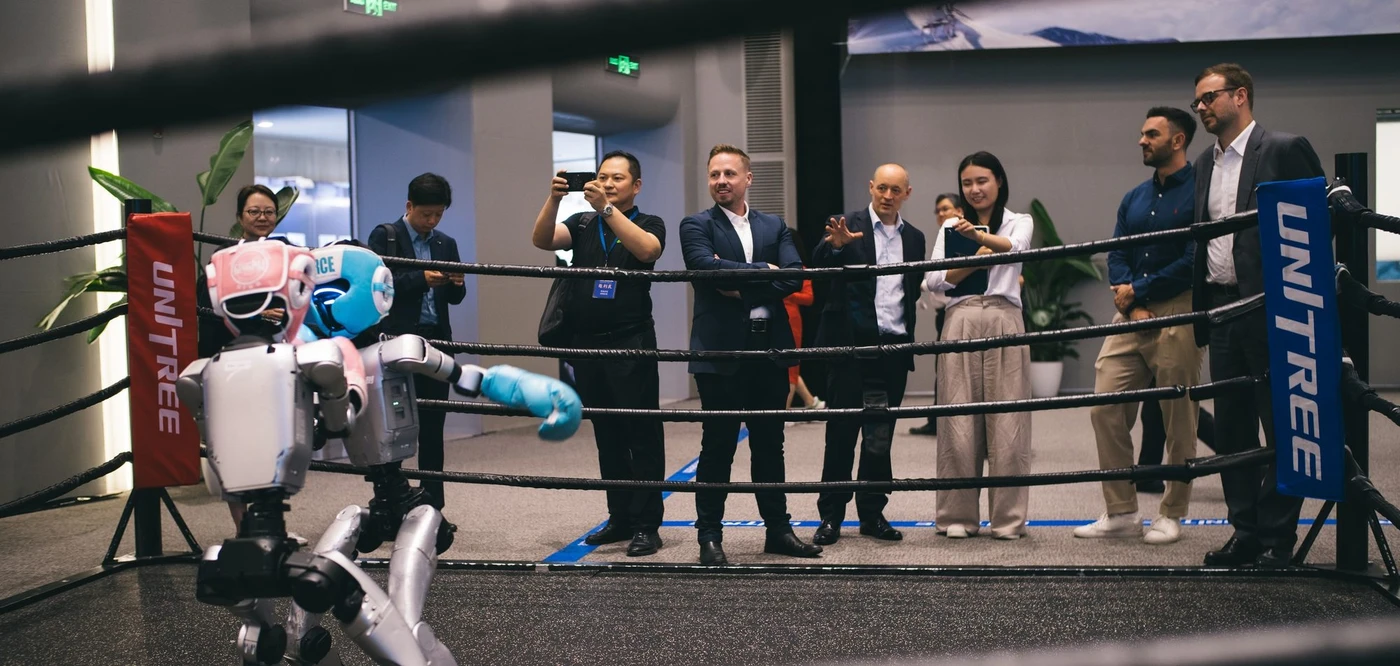
A humanoid picks up a cover at a sorting station in Xiaomi's electric car factory. The cover will sit beside the centre console between the front seats. The robot puts it down and reaches for the next one. If a cover is sitting at a different angle, the next grip still has to work.
Xiaomi reported an eight-hour test at that station. A shift is a useful length of time for sorting parts because the handovers keep coming. I wanted to know what the machine did when a part ended up somewhere other than where it expected to find it.
Eight hours at a sorting station
The robot works between moving containers and racks. Each place it picks from or puts a part down is part of the line, so its movements have to fit the flow of parts. A poor grip can leave a cover out of position. The next movement then begins with a problem left over from the previous one.
Xiaomi says the system can detect and correct problems during the task on its own. In March it reported a three-hour autonomous run with self-piercing nuts. Sorting interior trim is a separate task, and the eight-hour result comes from one station.
The advantage I see for Xiaomi is that it operates the factory where it tests the robots it develops. If the timing of a handover keeps causing trouble, the people who run the line can show the robot engineers where it happens. They can work on the handover together. Over a shift, they have time to see whether the same issue comes back.
What happens after a bad grip
Shanghai robot maker AgiBot is working on the attempt that comes after a failure. The company showed its G2 robot in a convenience store setting and described how its GO-3 Preview model and a system for collecting experience on the job are meant to help a robot adjust its approach.
Say a gripper leaves an object tilted. Repeating the movement can make things worse. In one demonstration a robot took blocks out of a tower. Once a block comes free, the stack can move and change where the next block sits.
AgiBot uses physical practice and simulation. Contact with the real object tells the robot what happened, and simulation gives the developers a place to try variations without rebuilding the scene each time. I'm interested in how much of that experience the machine can carry into the next attempt. If it can reuse what it learned, the engineers have fewer individual movements to tune by hand.
A supermarket order changes the stack
At a logistics centre in Kawaguchi near Tokyo, small supermarkets get mixed loads stacked on wheeled racks. The boxes have different dimensions and weights. The order in which they arrive affects what can go where.
"The boxes do not become more cooperative because the presentation looked good."
The system simulates a stacking plan before the robot lifts a box. Three-dimensional vision checks the load as it takes shape. If a box shifts, the controller can adjust the movement. Storage equipment releases cases in the required order, and a shared warehouse system coordinates the machinery and the people assembling the store deliveries.
When the hand blocks the view
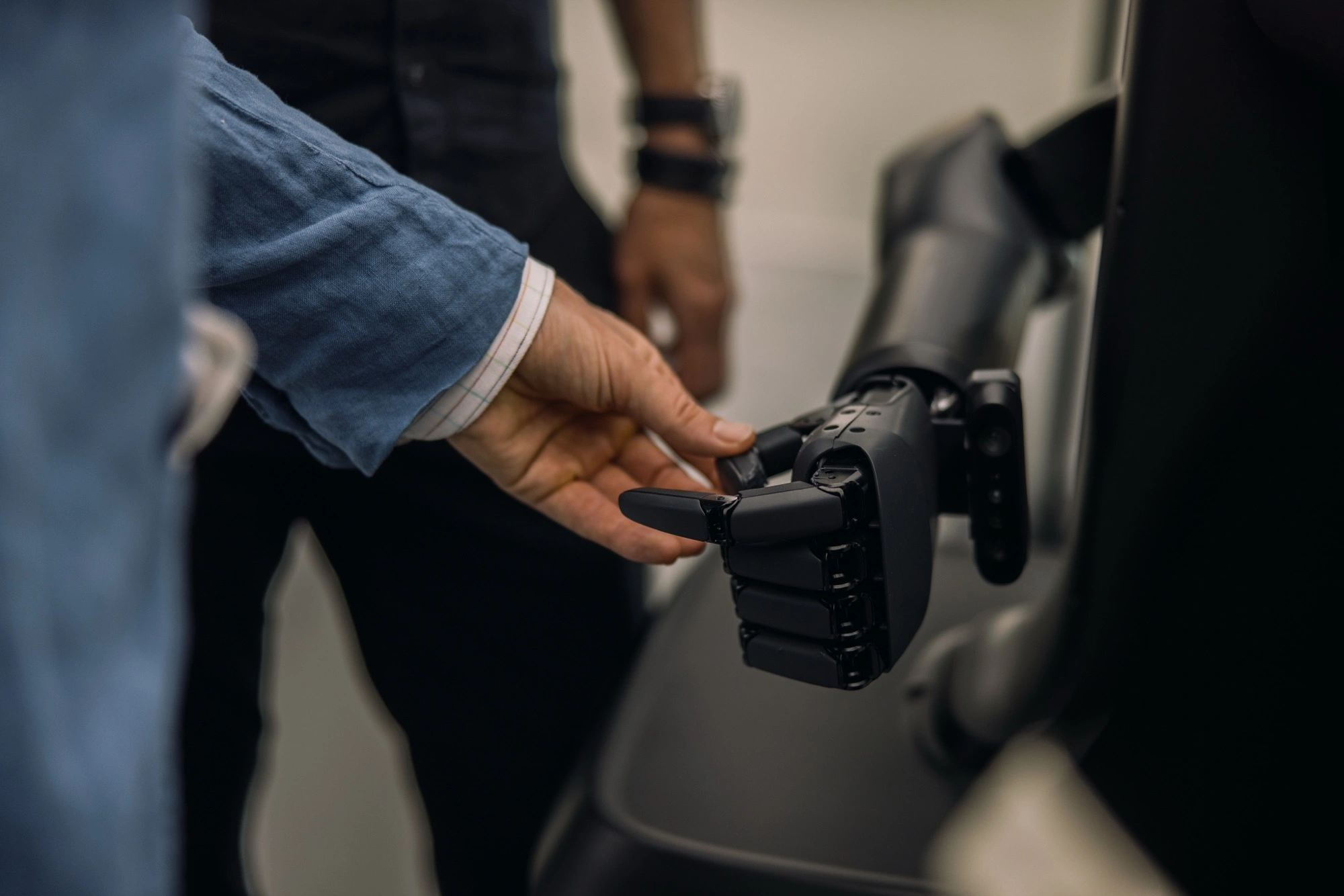
A Beijing robotics company has announced its first small-batch deliveries of C1 robots for precision electronics assembly. Think of plugging a cable in behind your desk. You can see the socket long enough to aim. Once your hand blocks the view, you can feel whether the plug has gone in or caught on the edge.
The C1 combines vision with touch for jobs like that. Too much force can damage a component. With too little, the connection may stay unfinished. The work can be hard to see in a wide shot, which is why at an electronics assembly station I'd ask to watch one connection up close, from the moment the part makes contact.
[00:00] Xiaomi is putting humanoids through an [music] 8hour factory test. The smartphone maker is developing the workers for its own car factories. The robots sort car parts as containers move around [music] them. But Xiaomi's bigger advantage may be the factory around those robots. In Shanghai, Agibbot wants robots to get better after a bad day at work. Its new GO3 preview system is designed to turn failed attempts into lessons for the next job. In Japan, AON and Mujin have opened a logistics center where Roberts pack mixed loads for supermarket. Every new order changes the puzzle of which box should go where. And Beijing's Synindexi has announced [music] its first small batch robot deliveries for precision electronics assembly. The challenge is getting robot fingers to feel when a tiny part is
[00:49] sitting correctly. Then stay for a batminton playing robot that jumps to reach the shuttle. It takes a friendly game rather seriously. My name is Thomas Daxon and this is Asia Bits robotics news. From here in Shanghai, we follow the companies building robots across China and the rest of Asia. I speak Chinese, read the original sources and visit the manufacturers to understand the work behind the demonstrations. You can join us on a private company visit program through the link below. >> Asia base. First, let us go inside Xiaomi's car factory. [music] Xiaomi tests a full shift of part sorting. You probably know Xiaomi through its phones or perhaps the appliances in its stores. The company also makes electric cars and its own car
[01:37] factory gives it a place to test another product, humanoid robots. On November 3rd, Xiaomi released an update about an 8hour run at the center console side cover sorting station. These are interior trim parts that go beside the console between the front seats. The robot's assignment is to move and arrange those parts for production. The video shows humanoids working between mobile parts containers and wrecks. A machine takes a part from one location and puts it into another. Then it has to do the same job again [music] with the next part. That repeated handling is the point of the test. Watch the scene around the robot. The containers have their own positions and movements. The racks provide places for the parts. The humanoid has to fit into that arrangement and coordinate with the
[02:24] [music] lion. Xiaomi says the system can also detect problems during the task and correct them autonomously. That ability matters because [music] a small mistake can interrupt everything that follows. A part can sit at a slightly different angle. A grip can leave it in the wrong position. [music] The next movement then starts from a situation the machine did not expect. Recovering from that situation is part of doing the job. There's an earlier Xiaomi factory trial that helps explain the progression. In March, the company reported a 3hour autonomous run involving self-piercing nuts. The tasks test different abilities, even though both happen inside the same manufacturing business. For me, Xiaomi is interesting because it can develop the robot and test it inside a factory it operates. The people designing the machine can get feedback
[03:12] from the people responsible for production. A problem with a rack, a part or the timing of a handover becomes an engineering problem they can work on together. An 8hour run gives that process more time to expose the awkward details. A polished movement can look good for a few seconds. A sorting station has to keep receiving parts and finishing cycles throughout the work period. The announcement is Xiaomi's report of the test at one station. Would you expect a car maker or an established robot company to solve these factory jobs first? Tell me in the comment. The next story tackles what happens when a robot encounters something its training did not prepare it for. Agibot wants robots to learn after deployment. Agibot is a Shanghai company building humanoids
[03:59] and other robots for commercial work. At [music] its innovation event on October 29th, it introduced a new model called GO3 preview. The model connects understanding a task with predicting what might happen and choosing a physical action that sounds abstract until you put an object in the robot's hand. If the object catches on something, the machine needs to respond to the situation in front of it. Continuing with the original movement may make the problem worse. The software has to connect its view to the scene with the result of its own action. Agibbot's approach extends learning across the robot's working life. It begins with training that draws on human video and experience recorded by Robert. The company then combines physical practice with simulated environments.
[04:47] After deployment, a framework called Deni Master collects experience from the work itself. The company showed this with its G2 robot in a convenience store setting. According to Agibbot, the system can identify why a task failed, [music] adjust its strategy, and retain useful experience for later attempts. The intended result is a robot that needs less repeated manual tuning as it encounters new situation. Real hardware shows what actually happens when the gripper touches an object. A simulated environment lets the developers try variations without rebuilding the physical scene each time. The predictive model lets the system explore possible outcome before returning to the real machine. You can think of the last part as rehearsing a different decision.
[05:35] Suppose a grasp leaves [music] an object tilted. The system can examine another approach and then test with whether [music] the change helps on the robot. The demonstrations also include assembling Lego pieces and removing blocks from a tower. Those tasks make the coordination visible. After a block comes out, the remaining stack [music] may move. The main machine has to deal with the stack that is now there. What interests me is the connection between a failed attempt and a better next attempt. If each new problem requires an engineer to start a separate tuning exercise, improvement takes considerable human effort. A system that can reuse experience could shorten that cycle. Agibbot plans to make GO3 preview fully open source by the end of this year. That is a plans released and it would
[06:22] let outside developers examine the code and build on it. For now, the the new announcement shows how the company wants to link model development with experience from deployed machines. Subscribe if you want to follow how these systems develop [music] from one working test to the next. Learning helps an individual robot adapt. The next example from Japan shows the coordination required when machine when many different machines share a job. Ion and Mujene automate mixed load for supermarket delivery. Ion is a major Japanese retail group. Mujene develops the software and control systems that help [music] industrial robots handle changing tasks. On October 29th, they started full operation of an automated logistics center in Kabaguchi near
[07:09] Tokyo. The center serves small urban supermarkets. Those stores need different combinations of products, so the outgoing loads vary from order to order. The automation connects store specific sorting with stacking [music] mixed cases onto wheeled delivery rack. Think about the difference between stacking identical boxes and packing a mixed grocery order. Identical boxes give you the same shape each [music] time. A mixed load brings different dimensions and weights into the same stack. The order in which the boxes arrive affects where the robot can put them. At the Kawaguchi center, the system simulates a stacking plan before the robot carries it out. Three-dimensional vision then checks the load as it is being built. If a box shifts, the controller can change [music] the movement to match the new
[07:56] situation. That is a very practical use of the term physical AI. The software has to keep a plant connected to a stack of real boxes. The boxes do not become more cooperative because the presentation looked good. The center also uses automated storage and sequencing equipment to release cases in the required order. Mobile transport equipment works alongside robot arms and picking stations. A shared warehouse execution system coordinates those machines with instructions for human workers. The store orders and shipping deadlines help determine what happens [music] next. The same system makes progress and equipment activity visible to the operators. So the useful unit here is the outgoing store delivery with several machines and people contributing
[08:43] to it. There's some history behind this opening. AON and Mujin announced their logistics partnerships in 2023. The new [music] site puts the partnership into a working facility and extends automation through sorting and mixed load stacking. That sequence took a sustained engineering project to connect. This story involves arms, mobile transport, storage equipment, and the software managing their handovers. The shape of each machine follows its part of the job. Japan's new center gives us an operating example of that approach. [music] The next story returns to China and to the much smaller movements involved in assembling electronics. Synex delivers robots for precision assembly. Syntax orang in Chinese is a Beijing company focused on dexterous industrial work. [music]
[09:31] That means handling objects carefully enough to perform tasks such as precision assembly. On October 13th, Chinese Business Reporting carried the company's [music] announcement of its first small batch deliveries of the C1 Robert. The machines are intended for customers making consumer electronics and electronic components. The interesting [music] engineering detail is the use of touch alongside vision. A camera can show where a component is. Contact provides a different kind of information about what happens when the robot tries to move it. Syntax's own technology includes tactile sensing, dexterious hands, [music] and coordinated arms. Think about connecting a small plug behind your desk. You look at the socket to get the direction right. As the plug makes contact, your
[10:19] fingers help you judge whether it is aligned. That feedback becomes particularly useful when the place you need to see is hidden by your own [music] hand. Precision assembly gives robots versions of that problem. They have to move the part into position and respond as it touches another surface. Too much force can damage a component. Too little can leave the connection unfinished. Thex is building its business around that combination of sensing and manipulation. Its public product description brings arms, hands, tactile [music] input, and the control model into one system. The new delivery announcement puts a named robot alongside that technical direction. The first delivered machines now take that approach into customers precision [music] assembly work. The choice of electronics assembly is interesting
[11:07] because the difficult movement can be very small. A successful connection may be almost invisible in a wide camera [music] shot. You need a close view of the part and the hand to understand what the machine has done. Across China, the robot industry is therefore developing in several directions at once. Some teams focus on moving a whole body through the building. and others put their effort into what happens [music] at the point where a fingertip meets a component. Synex belongs to that [music] second story and its first delivery announcement is a development to follow. You can find the source links below if you want a closer look at the machines and the demonstrations. These are the details to look at when you visit a robotics company. You can see the task the equip [music] around it and the people working through the problems. If your company wants to explore robotics
[11:55] in China, contact us through the link in the description. Asia Bits organizes private programs around your questions and the companies [music] relevant to your business. Now for the batminton I promised you, a robot takes a bminton break. This is a research demonstration from a team including Chinua University and the Chinese University of Hong Kong. The work was published in September and the footage is worth a look. The robot can switch between forehand and backhand returns. It also jumps to reach the shuttle and then lands ready to continue. You can see how much of the body has to move to put the wrecket in the right place. The [music] experiment uses an external motion capture system to track the shuttle and the robot that gives it information about where the action is happening. The machine still has to turn
[12:43] that information into a swing and stay balanced. Watch the landing after that jump. Getting the record to the shuttle is only part of staying in the rally.