Hotels choosing Chinese service robots should start with a specific delivery or cleaning task, then check how the robot connects to the building and its staff. Elevator access, task dispatch, exception handling and local support determine whether a machine can complete useful work. A showroom demonstration answers only part of that question.
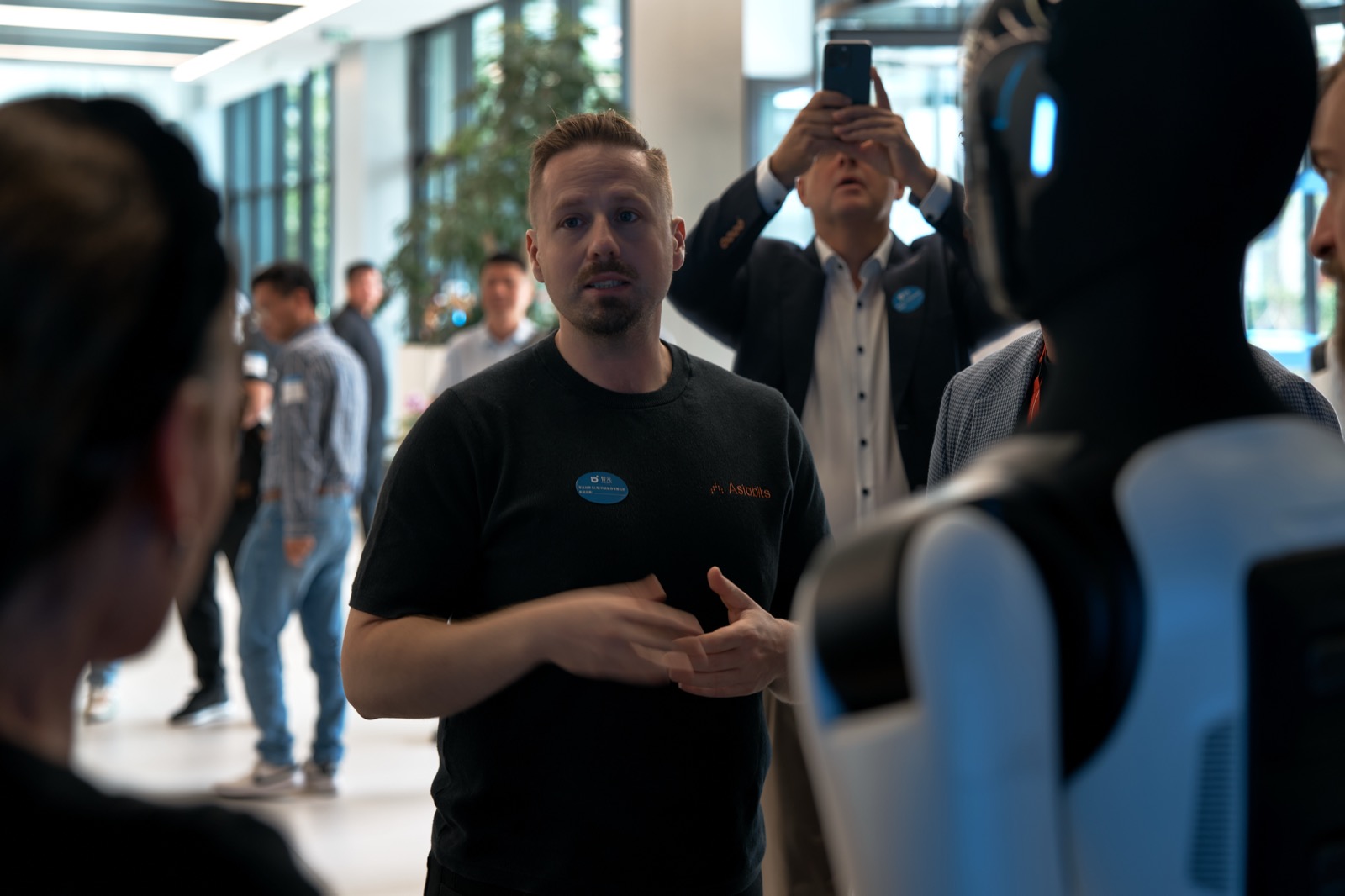
In an October 2026 conversation with a hospitality operator, I heard an operational problem that deserves more attention. The operator was already using service robots. The next step involved connecting robots, building infrastructure and operating software so that tasks could move through the property with less manual coordination.
That discussion changed the question from which robot to buy to how the whole job would run. My name is Thomas Derksen, founder of Asiabits in Shanghai. When I help international teams explore Chinese robotics companies, this is the kind of distinction I want them to take home: a machine can move successfully while the service around it still requires substantial human work.
Which hotel task should you automate first?
Start with a task whose beginning, completion and exceptions your operations team can describe. Delivering an amenity to a guest floor is a different project from cleaning a corridor or handling objects inside a bedroom. Each has its own equipment, work sequence and definition of acceptable service.
For an amenity delivery, write down who receives the request, who selects the item, where it is loaded, how the destination reaches the robot, how the guest is notified and what closes the request. Then walk the route with the employees who perform it. Their account should include waiting, interruptions and the return journey. Those steps belong in the evaluation even when they happen outside the robot's navigation software.
Consider a hypothetical delivery of towels. A robot may handle the journey while an employee still prepares the towels and loads the compartment. A guest may collect them at the door. Decide which steps the proposed system covers before estimating the work it removes. Transport, loading and handover need separate answers.
Cleaning deserves a separate brief. Specify the surfaces, access restrictions, replenishment work and inspection standard. A successful delivery trial provides little evidence about cleaning performance. Giving both projects the same broad label, hotel automation, can hide the different work required to make each useful.
Can the robot work with your elevators and doors?
Compatibility must be established for the actual building equipment and access rules at your property. A robot that can travel along a corridor still needs a way to request an elevator, reach the permitted floor and pass any controlled doors along its route.
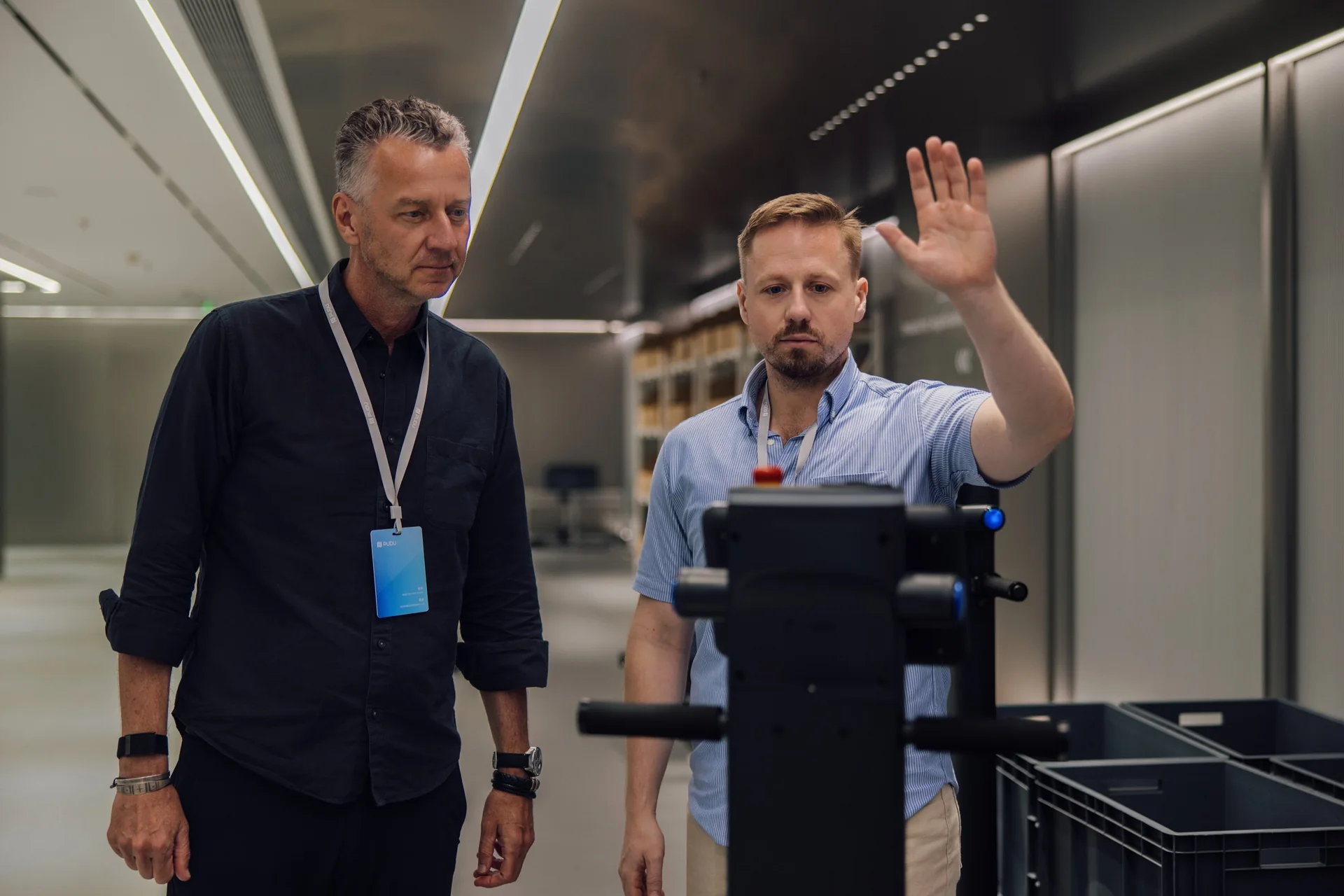
There are public examples of this integration. In September 2023, Pudu described an elevator integration project with Nippon Otis in Japan. Its account explains an API approach connecting robots and elevators through a cloud or local connection. The example establishes that integration is possible in a defined setup; your building needs its own compatibility assessment.
KEENON's hotel solution page also lists elevator connectivity among its capabilities. These manufacturers describe building connections as part of the service. Treat those descriptions as a starting point for a technical conversation with the supplier, your facilities team and the elevator maintenance provider.
Prepare an inventory of the elevator controllers, access systems and network coverage on the proposed route. Identify who can approve connections and who maintains them afterward. Ask the supplier to explain what happens if an elevator is unavailable, a door stays closed or communication is lost. The hotel should understand where the machine waits and how a person receives the unresolved task.
For an initial site survey, choose an actual service route and follow it end to end. Include the loading area and charging location. A neat floor plan can omit a threshold, a narrow turn or a door normally held open by an employee. Record those details so the supplier evaluates the same environment the staff will use.
Who tells the robot what to do?
The project needs an agreed method for creating, assigning and closing tasks. Depending on the application, that may begin with an employee using a robot interface, or involve connections to other operational software. Establish the intended workflow before assuming an unattended service.
The operator in our October discussion described a shared software layer connecting robot fleets with building infrastructure and operating systems. That was the operator's account of its approach. It was useful because it treated the assignment of work as a separate problem from the movement of each machine.
A hotel comparing proposals can use the same distinction. Draw a simple sequence: a request arrives, a delivery is assigned, the robot travels, the guest receives the item and the request is closed. At every handoff, name the system or person responsible. If the robot reports arrival but the guest never collects the item, decide what status the service desk should see.
Also ask how an employee changes a destination, cancels a duplicate request or takes over an interrupted delivery. A demonstration should show these ordinary controls. Otherwise, the team may learn the normal sequence while remaining unprepared for the situations that create extra work during a busy shift.
Keep the first pilot narrow enough to understand. A single task with clear records can reveal whether the dispatch process works. Expanding immediately across several departments makes it harder to identify whether delays come from loading, building access, software or the robot itself.
How should you compare Chinese suppliers?
Compare suppliers against one shared task brief and require each to describe the work needed at your site. This gives the hotel a basis for assessing different machines without relying on a general claim that a company serves hospitality.
In our database of 7,000+ robotics companies, the field extends across specialized machines, components and software. The current total is 7,320 company records. That breadth helps us look beyond a familiar brand, but it does not certify a company's suitability for a hotel or prove that its product has local support. A directory record begins the investigation.
Ask each candidate for its proposed site survey, compatible building connections, deployment responsibilities and service arrangements in your country. Find out who will train the staff and who will investigate faults after installation. A manufacturer and an overseas distributor may cover different parts of that work, so the proposal should name the responsible organization.
Our guide to finding robotics suppliers in China covers the broader search. Once candidates are identified, a system integrator assessment can help clarify who connects the equipment and takes responsibility for the application. The hotel needs a complete proposed service, with ownership of the unresolved interfaces.
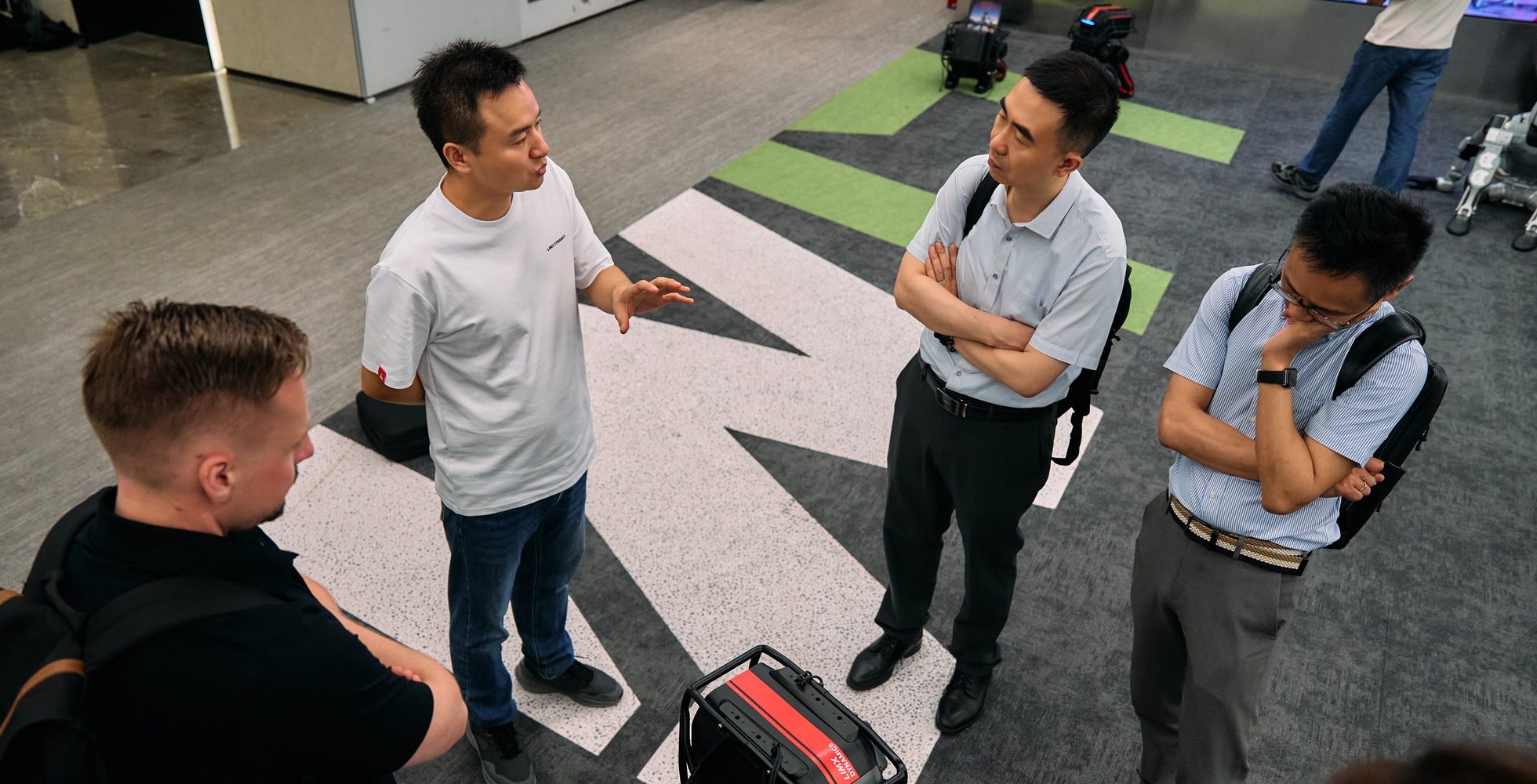
When visiting a supplier, send the task brief beforehand and ask for a discussion with the people who understand deployment. Product demonstrations are useful, but leave time to examine logs, support arrangements and the building survey. The most useful meeting may be the one that identifies a compatibility problem before equipment is shipped.
What should a hotel pilot measure?
A pilot should measure completed service tasks and the human effort around them. Record how many requests are attempted, how many finish as intended, how long guests wait and how often employees intervene. Agree the definitions before the trial starts so that everyone reads the results the same way.
For example, distinguish a robot reaching the correct floor from a guest receiving the correct item. Track loading time, elevator waiting and recovery work separately where possible. A delivery that requires an employee to finish the route should remain visible in the records. This helps the hotel see where the system saves work and where it creates another responsibility.
Compare the trial with the existing process under similar operating conditions. A quiet afternoon gives limited evidence about a crowded evening. Include the relevant staff shifts, access restrictions and normal guest traffic in the trial plan. Operations employees should review the results alongside the supplier because they will run the service after the demonstration team leaves.
Set acceptance criteria that match the property's needs. A luxury hotel's handover expectations may differ from those of a limited-service property. Avoid copying a vendor's return calculation without checking your own demand and staffing process. The trial should produce a decision about this application and a list of changes required for a wider rollout.
Should hotels wait for humanoid robots?
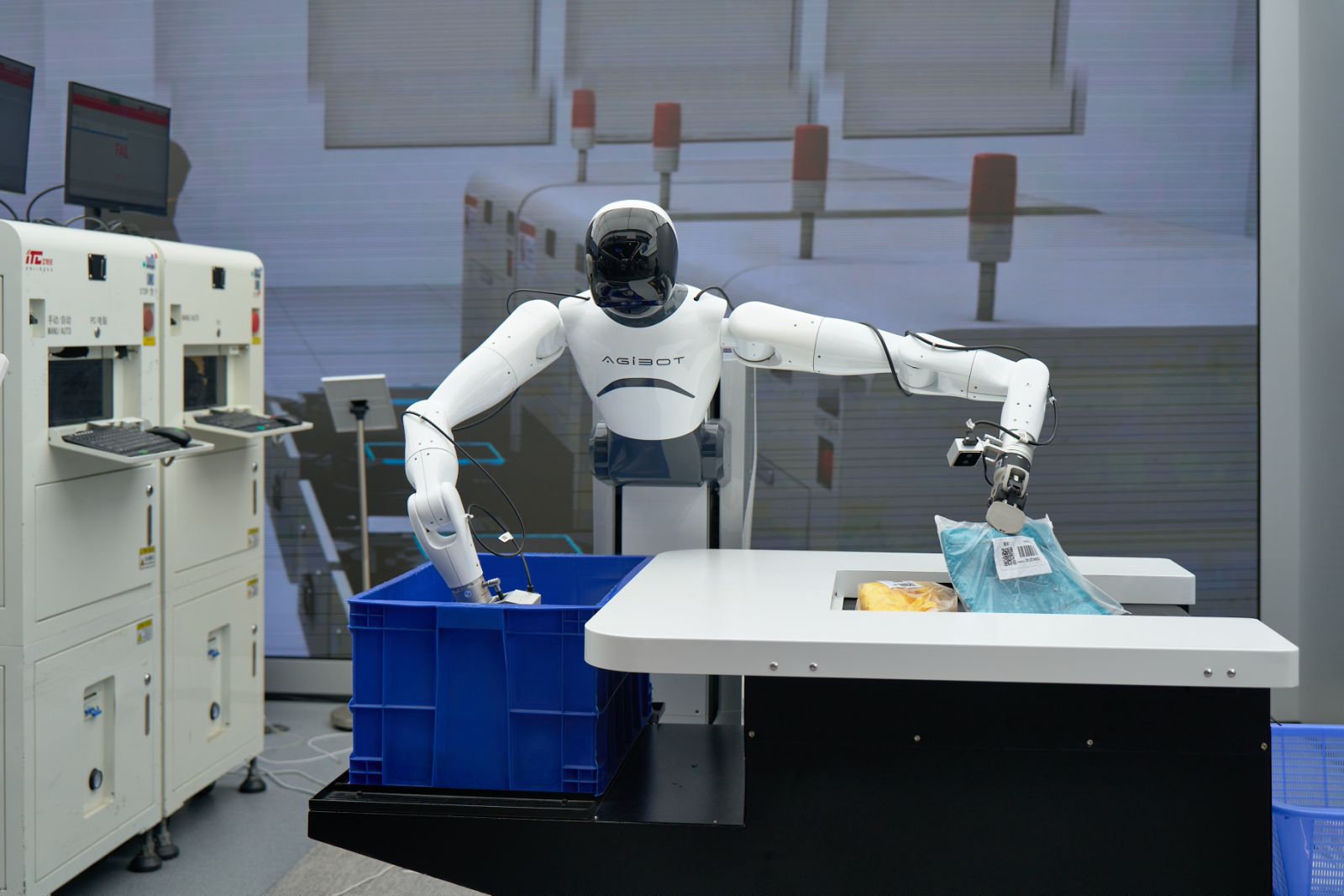
Hotels can evaluate existing transport and cleaning tasks while investigating manipulation tasks separately. Carrying an item along a route and physically handling varied objects require different evidence. A humanoid demonstration should be assessed against the exact action the hotel wants performed.
In the October conversation, the operator distinguished its existing robot work from more demanding tasks involving physical interaction with objects. It also described uncertainty about how long training and adaptation would take. That is a useful boundary for planning: development work needs its own milestones and cannot supply an assumed deployment date.
The January 2026 Asiabits robotics analysis also treated service robots and humanoids as separate segments. That older report is helpful for framing the categories; its company counts are not a current market census. For a hotel, the practical choice remains the task, the available evidence and the support needed to operate the proposed system.
Asiabits helps international hospitality and operations teams identify relevant Chinese robotics companies and prepare focused visits. Bring a task description, a building constraint and the question your team needs answered. Our bespoke robotics visits can then focus the supplier conversations on a service your property can evaluate.
Frequently asked questions
Can Chinese hotel robots use elevators?
Some suppliers offer elevator integration, including Pudu and KEENON. Compatibility depends on the actual elevator controls, building access rules and proposed connection. Include the elevator maintenance provider in the site assessment.
What is a good first task for a hotel robot?
Choose a task with a clear start, finish and measurable service standard, such as delivering an amenity along a defined route. Include loading, guest handover and the return journey in the evaluation. Assess cleaning as a separate application.
Do hotel robots need a shared software platform?
The hotel needs a clear way to assign, monitor and close tasks. A shared platform may be useful when connecting several robot fleets or building systems. The appropriate setup depends on the intended workflow and available interfaces.
How should a hotel measure a robot pilot?
Measure completed service requests, guest waiting and employee interventions. Include preparation and recovery work alongside robot travel. Compare performance with the existing process under similar operating conditions.
Can a delivery robot replace room housekeeping?
Transporting supplies and performing physical housekeeping tasks are different applications. A delivery trial does not establish that a machine can handle bedding or clean varied objects. Evaluate each proposed action separately.
Get These Insights Every Monday
Join 18,000+ professionals reading Asiabits. Free, every Monday, straight from Shanghai.
Subscribe Free →