To choose a robotics system integrator in China, start with the task your operation needs to perform, then compare teams with relevant application experience. Establish who will engineer the complete system, connect it to existing equipment and support it at the destination. Use a representative test to check the proposed solution before expanding the project.
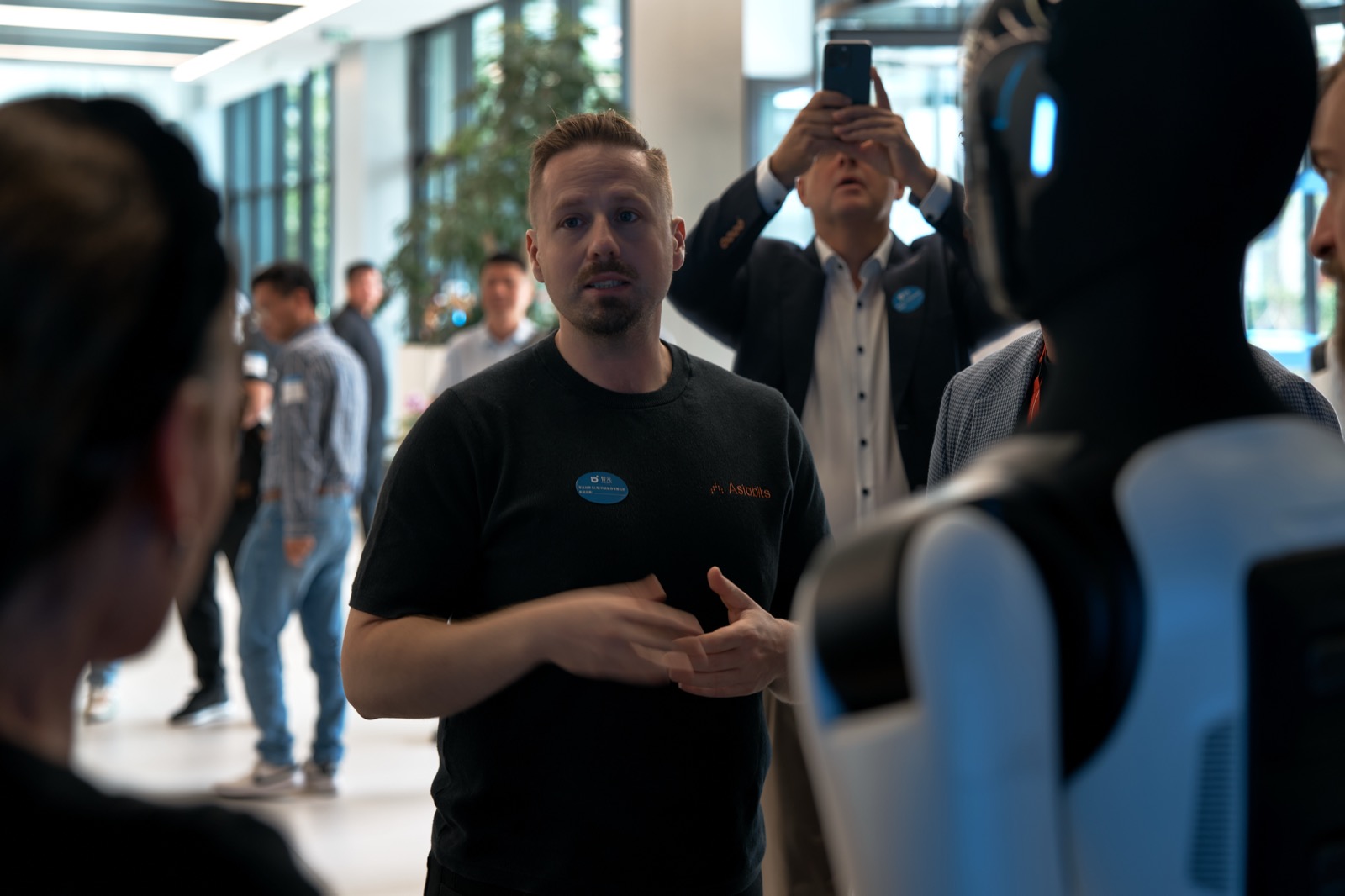
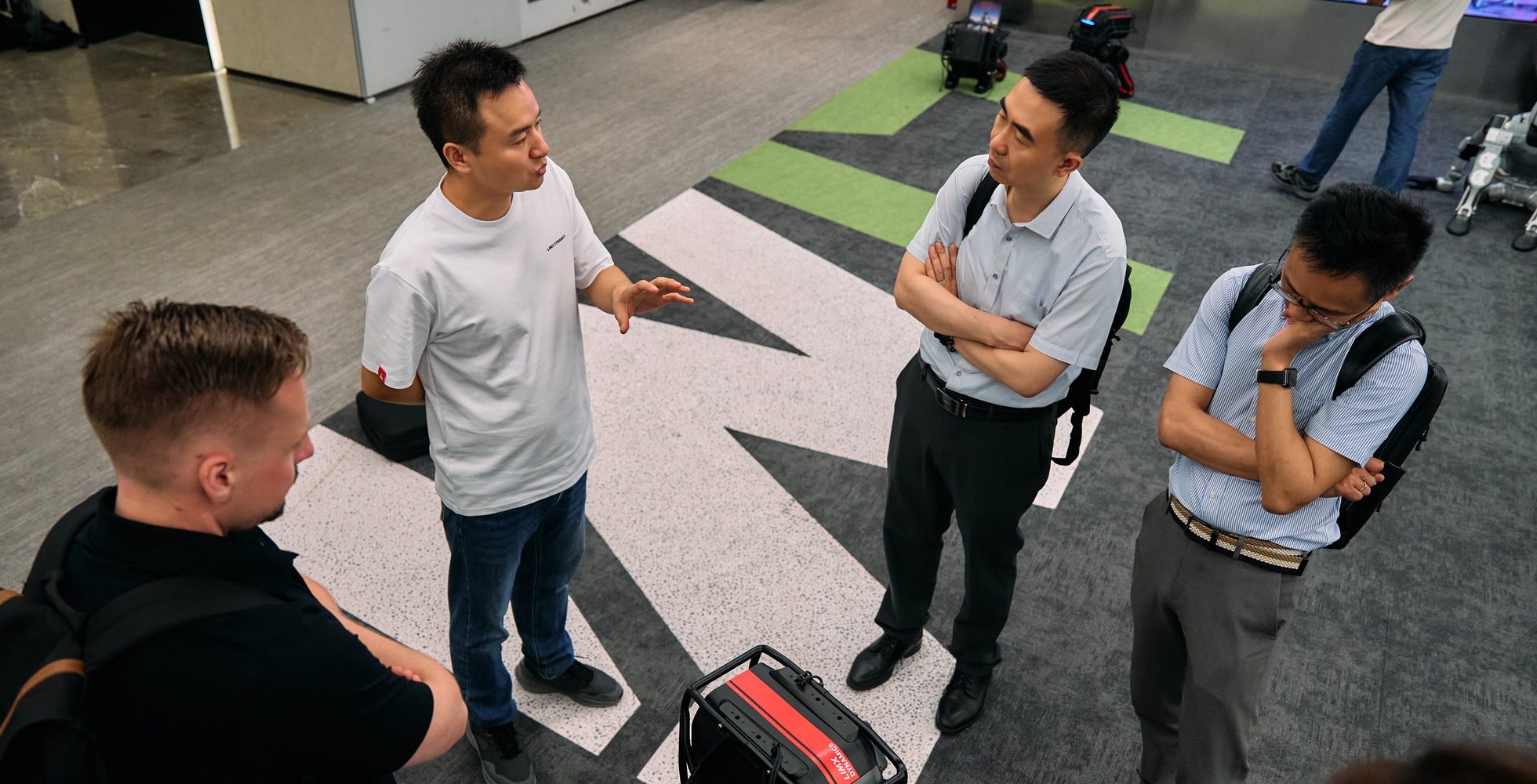
During a robotics business discussion in September 2026, I described how a potential application moves from a company visit into documentation, lab work and testing in the intended environment. The conversation kept returning to the work around the robot: how equipment interacts, how people participate and who can turn a promising task into an operating system.
My name is Thomas Derksen, founder of Asiabits in Shanghai. Those discussions shape how we approach supplier research. A manufacturer can answer questions about its machine. A buyer also needs someone who understands the process that machine will enter. Sometimes the manufacturer supplies that team; sometimes a separate integrator does.
What does a robotics system integrator do?
A robotics system integrator combines the equipment and engineering needed for a robot to perform a defined application. Depending on the project, that can include tooling, sensors, controls, software and connections to surrounding machinery. The useful unit of comparison is the proposed application and its delivery scope. A list of robot brands tells you much less about whether the team can solve your particular problem.
Consider a hypothetical machine-tending project. Moving a part is one operation. Presenting it consistently, checking its orientation, coordinating the machine door and deciding what happens after a failed pick are separate engineering questions. Someone has to bring those actions together. The buyer needs to know which parts the integrator will deliver and which depend on the factory or another supplier.
Manufacturer documentation makes that distinction tangible. Universal Robots' end-effector integration guidance covers mounting, tool mass, centre of gravity, electrical connections and the tool's interaction with its surroundings. Even the attachment at the end of an arm introduces engineering choices that affect the application. A robot specification cannot settle those choices for every customer.
Ask each candidate to explain where its responsibility starts and ends. Does it design the gripper? Who writes the machine interface? Who provides the drawings and software backups? Clear answers give your own engineers something they can assess.
How do you find relevant integrators in China?
Find candidates by application experience and technical scope, then confirm their current team and delivery capability directly. Our directory is useful for initial discovery, but a database label cannot replace that conversation. Companies describe themselves differently, and a manufacturer may also perform integration for a particular product family.
In our database of 7,000+ robotics companies, we counted 7,320 global company records on 24 October 2026. A text search for “integrator” across company names and descriptions returned 124 records. These are research records across countries, with uneven descriptions and coverage. The result is a search pool, rather than a count of Chinese integrators or a ranking of qualified suppliers.
That small search illustrates why a narrow keyword filter can miss relevant teams. Repeat the search using the process: palletising, inspection, assembly or material handling, for example. Then examine what the company builds, which industries it serves and whether its reference work resembles the proposed job. A general automation company may be relevant even when its description never uses the word integrator.
For the first shortlist, record the application evidence beside each company. Include the source and what remains unresolved. Our guide to finding robotics suppliers in China covers the broader discovery stage. The integrator comparison begins when you can explain why each candidate belongs on the list.
Ask for the application engineer early. A sales introduction can establish interest, while a technical discussion should establish whether the team understands the task. Keep an unresolved answer visible until someone supplies the missing information.
What should you send before requesting a proposal?
Send an application brief that describes the current process, the intended result and the constraints the proposed system must work within. The brief lets candidates respond to the same problem. Without it, quotations can cover different assumptions while appearing to compete for the same job.
Describe the item being handled and how it arrives. Include the relevant dimensions, variation and presentation, using approved drawings or samples where possible. Explain the surrounding equipment and the information that must pass between machines. If a detail is unknown, mark it as an open question so the integrator can propose how to investigate it.
Give the operational objective in terms your team can measure. That could be acceptable output, product quality, intervention frequency or another process requirement. Use values from your own operation. A generic target copied from a supplier presentation creates a weak basis for an engineering decision.
Also identify the people who will review the concept: process engineering, maintenance, operations and the relevant safety specialists. Their questions can affect the scope before equipment is selected. If maintenance access or a product changeover is difficult, resolving it on a drawing is easier than discovering it after installation.
Share confidential material through an agreed route. An initial description can establish whether a candidate has relevant experience without exposing the entire production process. When more detail becomes necessary, agree the confidentiality arrangements and provide enough information for a serious technical response.
How can you compare proposals fairly?
Compare proposals against the same application brief and a written division of responsibilities. Separate equipment supply from engineering work and identify any assumptions that change the outcome. A lower total can reflect a smaller scope, a different test or work that the buyer is expected to perform.
A comparison table can give each candidate a column and each required deliverable a row. Include the robot and tooling, control interfaces, installation, documentation and training where relevant. Put exclusions in the table as well. This makes a missing interface or an unassigned commissioning task visible before the project depends on it.
Then examine references at the level of the task. Ask what the system handled, under what conditions it operated and what the team itself delivered. Where confidentiality prevents a customer visit, discuss other evidence the reference owner permits. A controlled demonstration or an engineering review can answer specific questions, provided everyone understands the conditions shown.
Universal Robots' UR+ description includes tooling, sensors, software, vision systems and application kits. That range helps explain why component selection and application delivery require separate attention. A compatible component can simplify a design; the overall process still needs to be assessed as a system.
Our supplier checks before a robotics pilot cover the supplier evidence in more detail. For an integrator, add one question throughout the comparison: which named team will perform the work described here?
Who should support the system outside China?
Choose a delivery arrangement that provides engineering and service support where the system will operate. A project built in China for a plant elsewhere needs explicit arrangements for installation, troubleshooting and ongoing changes. Establish those arrangements while comparing candidates.
One possible arrangement combines a Chinese equipment supplier with an integrator near the destination plant. Another uses the supplier's own international team. An experienced buyer may perform part of the integration internally. Evaluate the actual participants and their responsibilities in each arrangement, including who can make decisions when a fault crosses company boundaries.
Ask how a support request travels from the operator to someone able to diagnose the problem. Establish the available remote access, the conditions for a site visit and responsibility for spare parts. These details should fit the factory's operating requirements and internal access policies. A shared messaging group can help communication, but it cannot repair an unclear division of work.
Documentation deserves the same attention. Agree what the operating team will receive, in which language and in what usable format. Include the material needed for maintenance and recovery, with software access and change procedures appropriate to the equipment. The person keeping the line running should be able to find the relevant information after the project team has left.
When is a candidate ready for a pilot?
A candidate is ready for a pilot when the buyer and delivery team agree what they are testing, how they will measure it and what each outcome means. A pilot should resolve a defined uncertainty. That could concern handling a variable part, connecting to existing controls or maintaining performance under representative conditions.
Write the test conditions before running it. Include the samples, operating sequence and permitted human interventions. Record failures as well as successful cycles, and distinguish adjustments during development from the final test. This creates a useful technical record for deciding what to change or test next.
A lab result applies to the conditions tested. Moving to the destination plant can introduce different lighting, materials, surrounding equipment or operator behaviour. The integration plan should identify which assumptions need further validation there. Some applications will be ready for a bounded installation trial; others will need more development or a different approach.
Asiabits helps international teams research robotics suppliers in China, compare potential partners and prepare focused technical visits. Our bespoke robotics visits start with the application the team wants to investigate. Bring a short description of that task and the questions your engineers need answered; those are the basis for choosing whom to meet.
Frequently asked questions
What is the difference between a robot manufacturer and an integrator?
A manufacturer supplies the robot or product platform. An integrator brings the equipment and engineering together for a defined application. Some manufacturers also provide integration, so check the actual scope offered.
How many robotics integrators are there in China?
Our database search does not establish a national total. On 24 October 2026, 124 of 7,320 global records contained integrator in their name or description. Relevant teams can appear under other descriptions and need direct qualification.
Can a Chinese robotics integrator support a factory overseas?
Check the specific team's installation and service arrangements for the destination. The delivery may involve an international team, a local integration partner or the buyer's engineers. Assign responsibilities before committing to the project.
What should a robotics integration brief contain?
Describe the current task, the items being handled, surrounding equipment and the measurable result required. Include constraints and open questions. Give each candidate the same brief to support a fair comparison.
Does a successful robot demonstration prove production readiness?
A demonstration shows performance under the conditions demonstrated. A pilot should test the uncertainties relevant to the intended operation, with agreed measurements and records of interventions. Further validation may be needed at the destination plant.
Get These Insights Every Monday
Join 18,000+ professionals reading Asiabits. Free, every Monday, straight from Shanghai.
Subscribe Free →