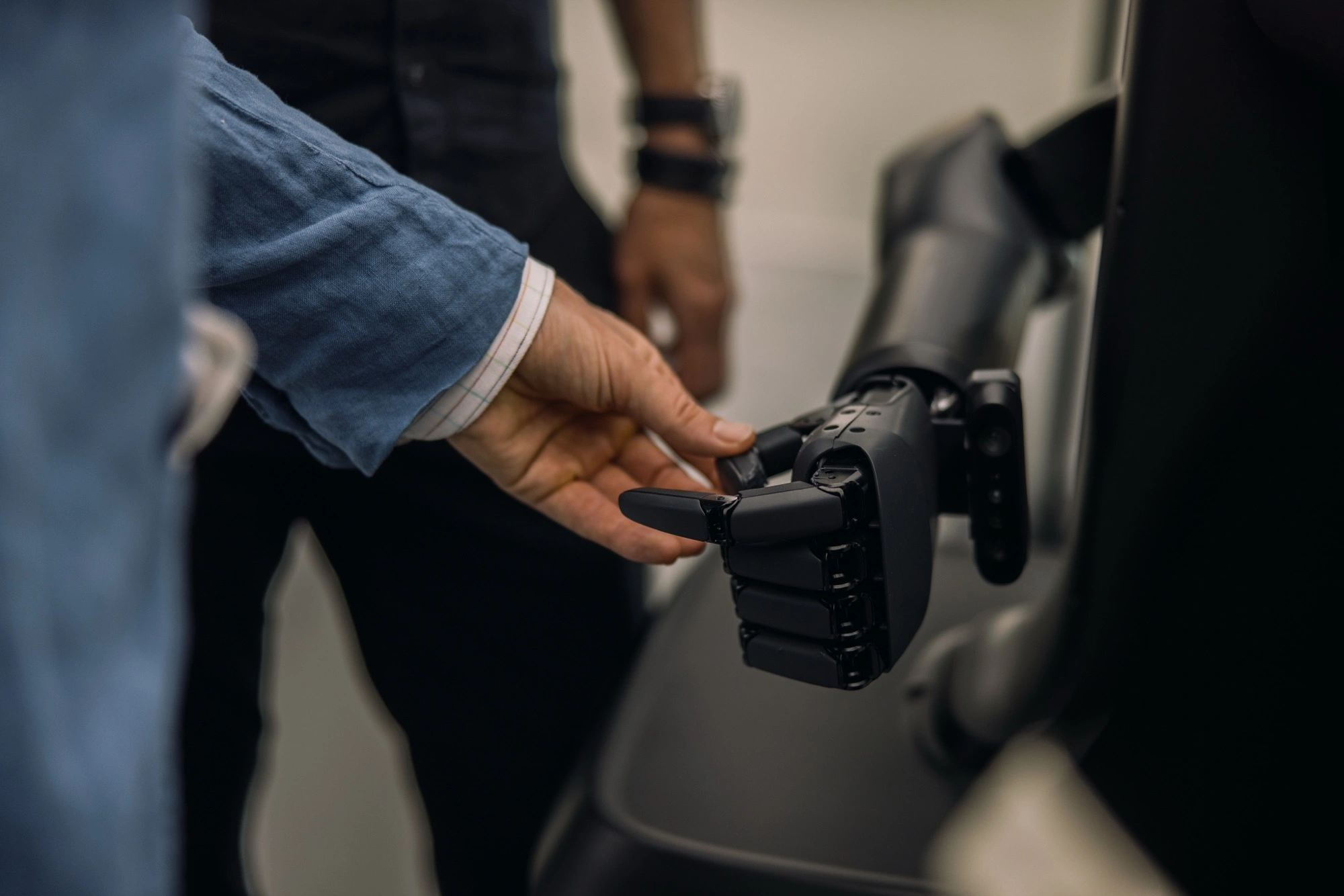
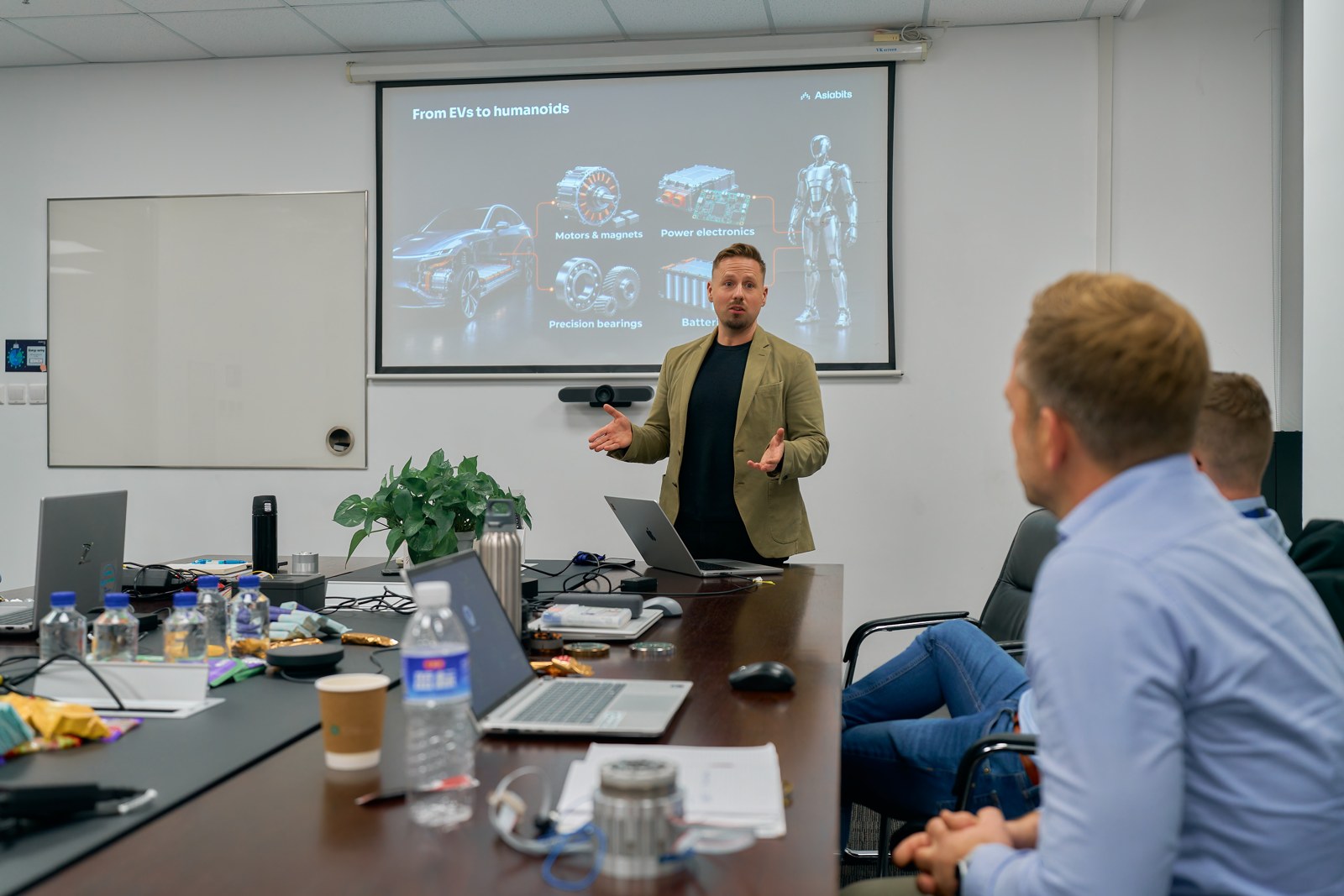
Wall-climbing robots clean ships and steel tanks by holding a powered cleaning tool against the surface while a mobile platform moves across it. Magnetic crawlers suit compatible steel structures. Choosing a system means matching the attachment method and cleaning process to the surface, then testing the equipment and supporting services together.
Back in May, I watched a robotics video and wrote about the work it pointed towards: removing rust from bridges and doing difficult jobs around ship hulls. The comments were arguing about whether the footage was real. My interest was the job itself. Which parts of that work could a machine take over?
I'm Thomas Derksen, founder of Asiabits in Shanghai. Returning to that question, I find the most useful starting point is a specific maintenance task. An owner can describe a tank wall, an existing coating and the condition needed for repainting. That gives an engineering discussion something measurable to work with.
Here is how I would structure that discussion with a Chinese robotics supplier, using magnetic surface-cleaning equipment as the example. The aim is to leave with a test that can answer an operating question.
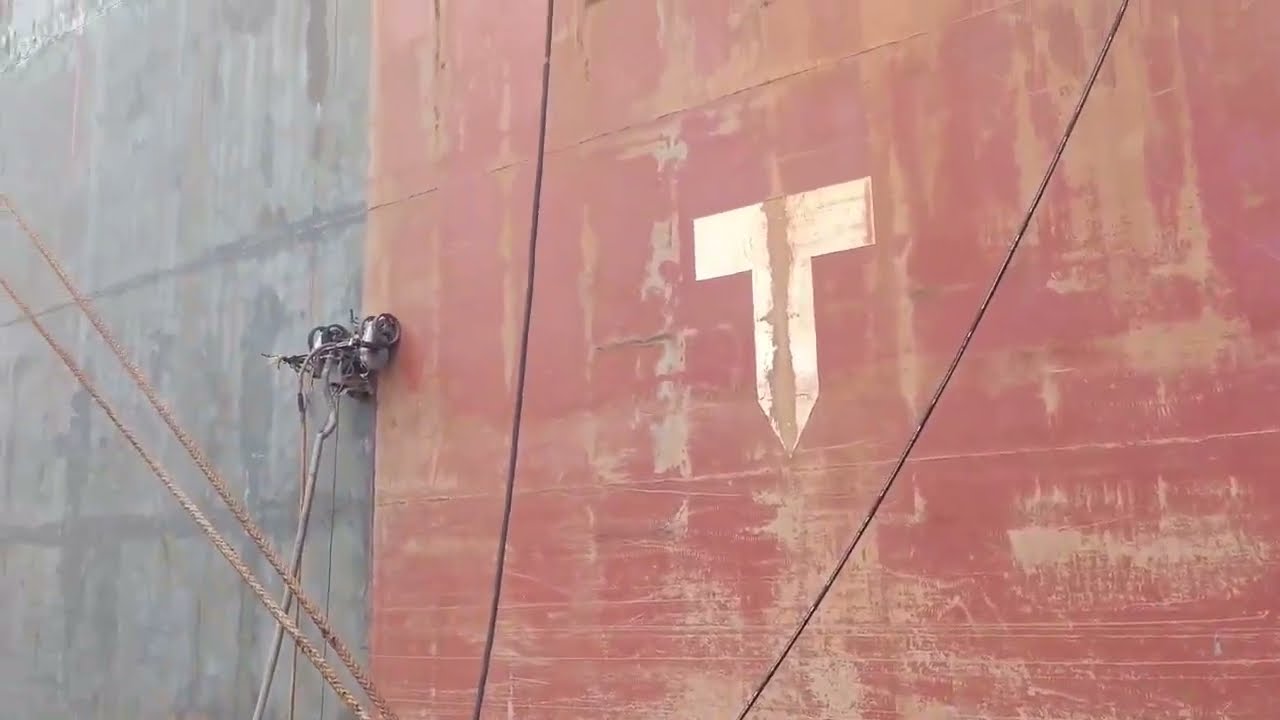
How does a robot stay on a steel wall?
A magnetic crawler uses attraction to suitable steel to keep its mobile platform against the working surface. RobotPlusPlus, a Chinese developer of robots for work at height, describes permanent-magnet attachment for its HighMate hydroblasting range. Hydroblasting uses pressurised water to remove material such as rust or old coating.
Attachment is the first question to settle with the supplier. Send the structure's material and geometry, together with permitted photographs or drawings. Ask how the proposed platform handles the actual coating, surface condition and changes in shape. A flat demonstration panel answers a different question from a curved tank with obstructions.
Ask the supplier to mark the route the machine would take. Where does it start, how does it turn, and where must an operator reposition it? Have the team identify inaccessible areas on a drawing. That makes the expected division between robotic and manual work visible before a trial is arranged.
Hoses belong in this conversation. Their routing and management need to be included in the proposed operating method. A trial should reproduce the intended working arrangement closely enough to show whether the machine and its connections can travel together. Agree who manages those connections and how the equipment is retrieved after a stop.
The host should explain the complete work-at-height arrangement and the responsibilities of the site team. Have the site's competent personnel review it before testing. This is an application-specific engineering decision; a product photograph cannot settle it.
What equipment belongs in the cleaning system?
The cleaning system includes the crawler and the equipment supplying the process and handling its output. RobotPlusPlus presents an integrated arrangement comprising the robot, an ultra-high-pressure water pump, a vacuum recovery pump and wastewater filtration. Its description follows the water and debris through recovery and separation.
That makes the ground-level equipment an essential part of supplier comparison. Ask for a layout showing the working surface, equipment positions and connection routes. Confirm what the site provides and what arrives with the supplier. The available space and services should be checked before anyone selects a machine from a catalogue.
For a proposed trial, assign responsibility for water supply, power and collection of the process waste. Ask the supplier to explain how the recovered material will be handled at your site. The operations team needs this information to prepare the location and understand the work remaining around the robot.
Use the equipment list to compare offers on the same basis. One proposal might cover the crawler alone, while another includes supporting machinery and commissioning. Record the scope of each package in ordinary language. An attractive machine price becomes difficult to interpret when necessary equipment sits outside the comparison.
Include maintenance access in the layout review. Someone will need to inspect the cleaning tool, replace consumables and service the supporting machinery. Ask the supplier to walk through those activities during the visit. The person responsible for daily operation should be able to explain what they would do between jobs.
Which cleaning result should a trial measure?
A trial should measure the surface condition your maintenance process requires, alongside the time and work needed to produce it. Define the starting condition and intended result before choosing a demonstration area. Your coating or maintenance specialist should help specify how the finished surface will be accepted.
For example, consider a hypothetical operator preparing part of a steel tank for recoating. The team could select a representative area, document its starting condition and agree the inspection method with the supplier. It could then record setup, cleaning, interruptions and the work required to finish the area.
Separate the time spent cleaning from the total elapsed job time. Both help the operator understand performance. Setup and repositioning can change how much useful work fits into a maintenance window. Record those activities as they happen, together with the reason for each interruption, so the team can see what to improve.
Also record which areas require another method. A crawler may have a useful operating area while corners or fittings need separate treatment. The test report should show that division on the same drawing used to plan the job. Purchasing can then compare the whole proposed process with the current one.
Agree who signs off the trial result and what the next decision will be. A technical team may recommend another test with a changed tool. An operator may need a revised equipment layout. A useful report connects the observed result to that next action without turning a promising demonstration into an immediate purchase decision.
How much of the work is automated?
The level of automation depends on the selected machine and operating mode. The HighMate product description includes remote operation and several control modes. Ask the supplier to demonstrate the mode proposed for your task and to explain every operator action needed during the sequence.
Start with an ordinary job cycle. Who positions the crawler, starts the cleaning process and monitors progress? Who moves supporting equipment and checks the finished surface? Follow the cycle through completion. This gives the operating team a clear view of the people and skills involved.
Then ask to see the agreed response to a routine interruption under controlled conditions. The relevant questions concern the information the operator receives and the steps needed to resume. Keep the demonstration within the host's approved procedure. Record who can resolve an issue locally and when supplier support is required.
Training should follow those tasks. Ask what an operator must learn before using the equipment and what maintenance staff must learn separately. Request the operating documentation in a language the receiving team can use. Include a practical demonstration of the daily inspection and normal shutdown in the handover plan.
For a broader view of matching equipment to an industrial task, our guide to choosing a robot gripper follows the same application-first logic. The visible robot is one part of an operating process, and its usefulness depends on the job around it.
How should buyers find and compare Chinese suppliers?
Buyers should search by the maintenance process and working surface, then ask shortlisted suppliers to respond to the same application brief. In our database of 7,000+ robotics companies, a November snapshot contains 7,320 records worldwide. A search for “climbing” in company names or descriptions returns 26 records. That is a research starting point for identifying relevant specialists.
Use the shortlist to investigate the task you need performed. A company describing inspection equipment may address a different problem from one supplying coating removal. Ask each candidate which product and supporting equipment it proposes, which parts of the brief it can address and what information it needs before committing to a test.
A compact brief can include the surface material, geometry, current condition, required finish and available services. Add the site's operating constraints and the proposed test location. Share only information your organisation has authorised for that purpose. The supplier can then prepare a response that your engineering and operations colleagues can evaluate together.
Choose the visit format around the remaining uncertainty. A workshop demonstration may help explain equipment operation. A representative trial may be needed to evaluate the cleaning process. Confirm the equipment and technical participants before travelling. Our guide to who should join a robotics visit helps assemble the team that can assess the answers.
After the meeting, keep one agreed record of the proposed test, open technical questions and responsible people. Settle the next exchange while the discussion is fresh. This allows the supplier to prepare useful work and gives your own team a clear basis for deciding whether to proceed.
Asiabits prepares bespoke company visits in China around the technology and operating questions a team wants to examine. We research suitable hosts, coordinate proposed meetings and help visitors communicate with technical teams. For industrial maintenance robotics, start with the surface and the job you need done; those determine which conversations will help.
Frequently asked questions
How do wall-climbing robots clean ship hulls?
A crawler moves a cleaning tool across the hull while connected equipment supplies the process. Magnetic platforms suit compatible steel surfaces. Hydroblasting systems use pressurised water, with recovery equipment included where specified.
Can a magnetic cleaning robot work on any tank?
Compatibility depends on the tank's material, geometry and surface condition. Send those details to the supplier and agree a representative trial. Include obstructions and areas requiring separate treatment in the proposed route.
Are wall-climbing cleaning robots fully autonomous?
Control modes vary by product and task. Ask the supplier to show the proposed mode through a complete operating cycle, including setup and interruptions. Record the actions that remain with the operator.
What should a hydroblasting robot trial measure?
Measure the agreed surface result and the work needed to achieve it. Record setup, active cleaning, repositioning and finishing separately. Use a representative area and agree the inspection method before the trial.
Get These Insights Every Monday
Join 18,000+ professionals reading Asiabits. Free, every Monday, straight from Shanghai.
Subscribe Free →