Turn a China robotics visit into a pilot by choosing one production task, documenting its normal variation and agreeing a test with the supplier and your own factory team. The useful output is a shared trial plan with measurable acceptance criteria, named responsibilities and a decision about the next stage.
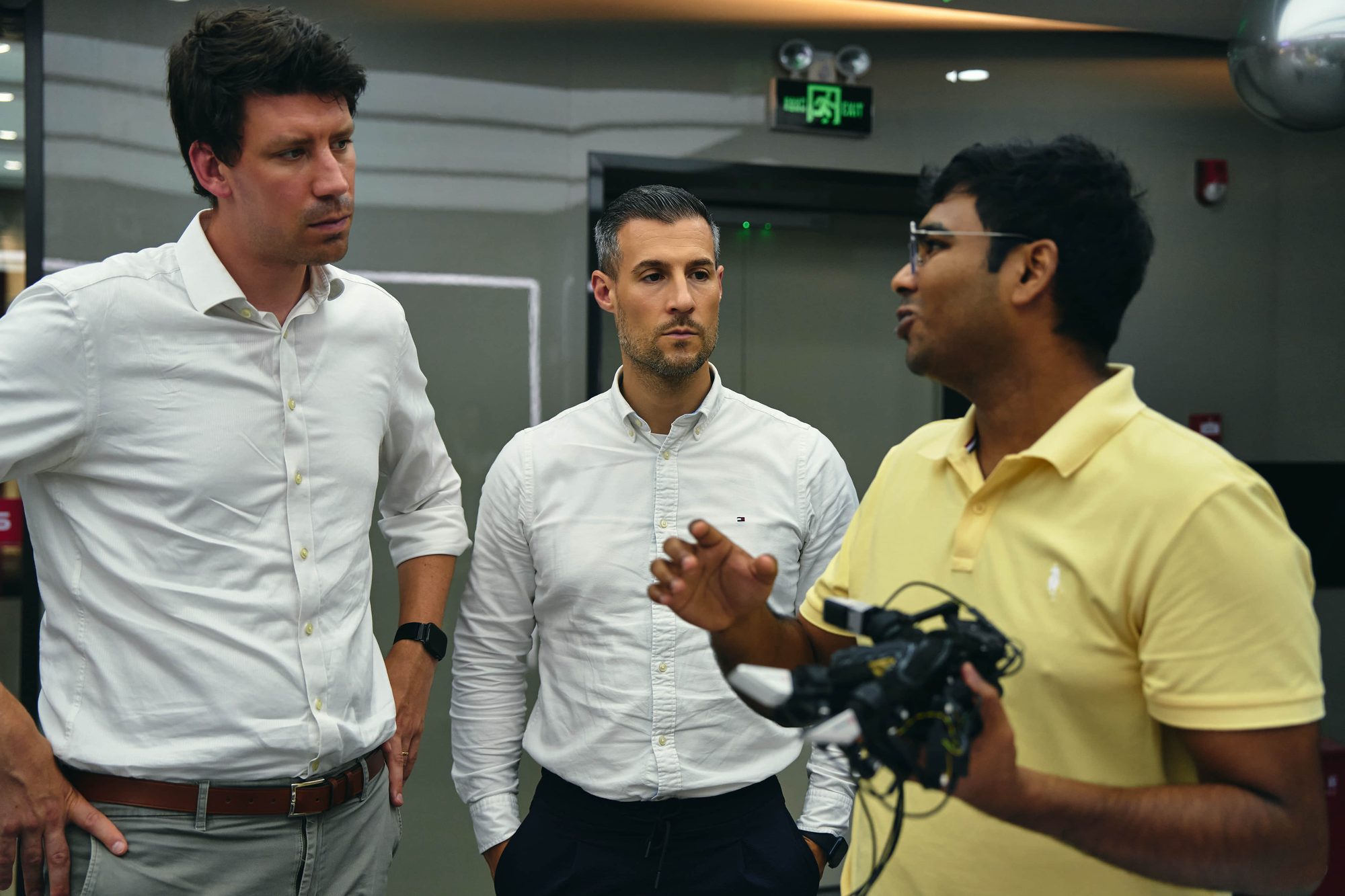
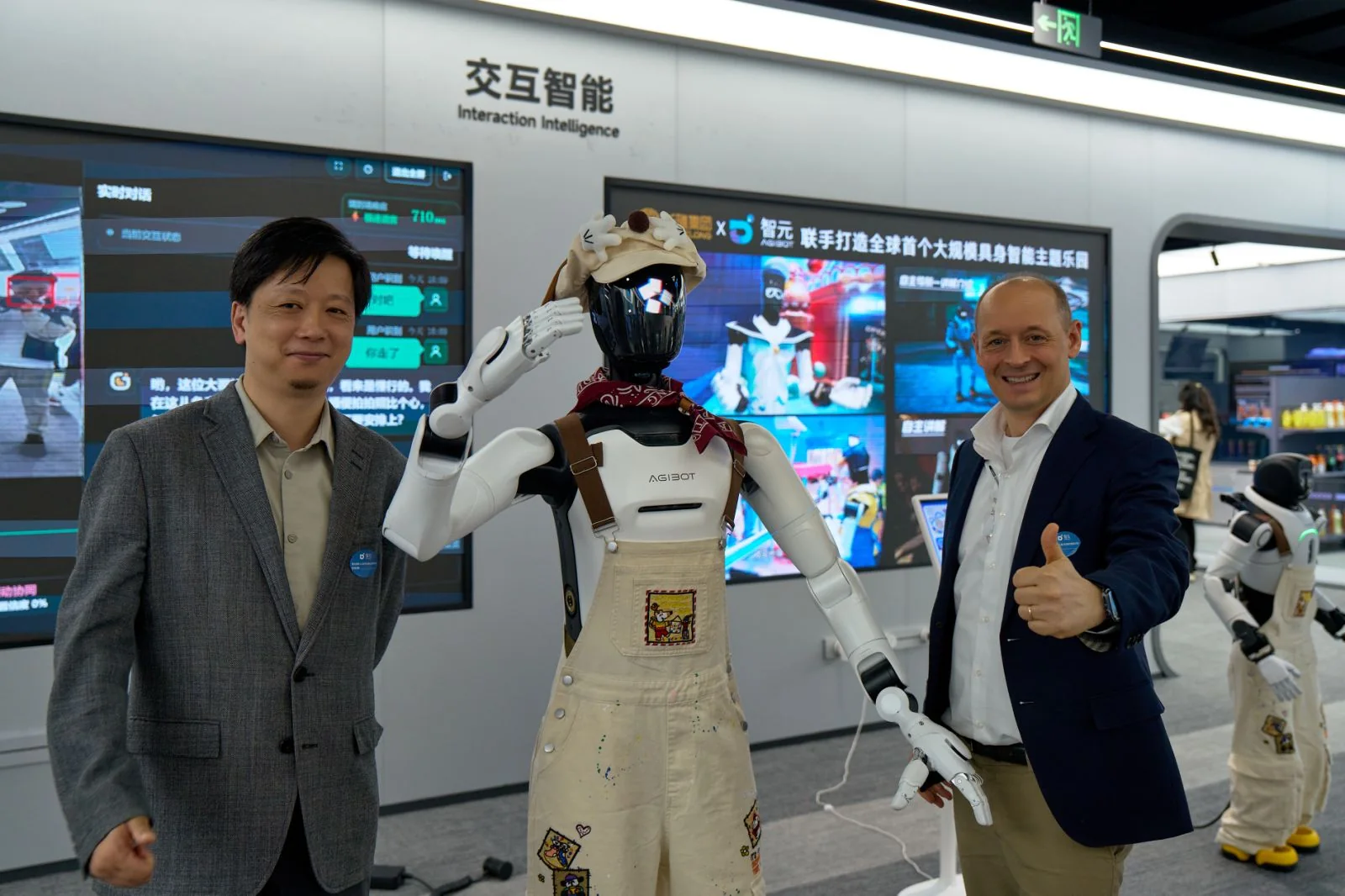
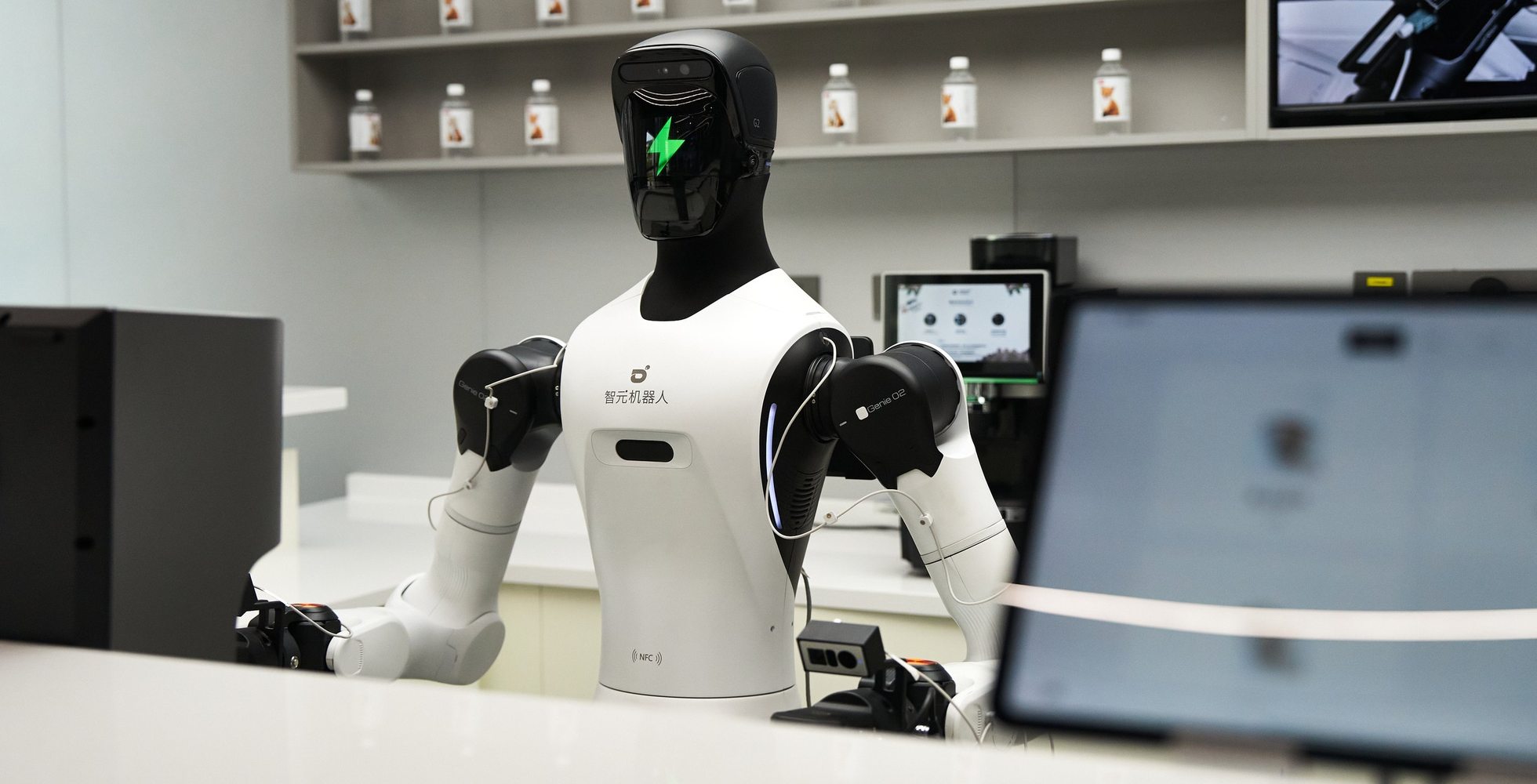
Back in May, I took a group through six robotics companies in China. As I wrote afterwards, some were at an early stage and others were much further along. Seeing that spread in person makes the follow-up question sharper: which capability deserves engineering time back at your own plant?
My name is Thomas Derksen, founder of Asiabits in Shanghai. A visit can reveal a promising approach within an hour. Turning it into a useful experiment takes a more precise description of the work. This guide explains how to make that handover without losing the technical questions raised during the visit.
What should the first robotics pilot test?
The first pilot should test a bounded task whose result your operations team can judge. Start with a description of the workpiece, its starting position and the required final state. Someone unfamiliar with the visit should be able to understand what the robot is being asked to accomplish.
Consider a hypothetical parts-transfer application. The task might be to pick a component from a tray and place it into a fixture. That description still leaves important questions open. Can the part arrive rotated? Does it have an oily surface? Must the fixture signal that it is ready? Write those conditions into the trial brief before asking for a proposal.
Choose the uncertainty that matters most to the project. It could be picking reliability, the time required to change products or the ability to recover after a failed placement. A trial designed around that uncertainty gives the engineering team a useful answer even when the application needs more work.
Keep the complete production process in view while narrowing the experiment. A robot may perform a transfer successfully while requiring someone to refill a tray after every attempt. Record that supporting work so the test captures the labour the process would still need. Our guide to recording a robotics factory visit explains how to preserve the evidence behind a demonstration.
How do you choose a partner after the visit?
Choose the partner whose application team can explain how it would test your task and what it needs from your factory. Ask the supplier to respond to the same short brief used with the other candidates. Comparable answers make differences in engineering effort easier to see.
Asiabits maintains a database of 7,320 robotics companies worldwide. In our database of 7,000+ robotics companies, 1,812 records contain the word automation in their name or description. This is the breadth of our research collection. For a particular application, the shortlist needs a much narrower filter: relevant hardware, task experience and an available engineering team.
A manufacturer may supply the robot while an integrator designs the cell and connects it to the production line. Clarify which organisation would own the test result. If the proposal depends on an outside vision specialist or tooling supplier, include that dependency in the technical discussion rather than discovering it after samples have shipped.
Ask each candidate to describe a comparable operation and the differences from your own task. Useful differences include workpiece geometry, available clearance and the way parts are presented. This discussion also helps distinguish an existing product application from development work. For the earlier comparison stage, see our guide to comparing Chinese humanoid robot manufacturers.
What information does the supplier need for a useful test?
The supplier needs representative inputs and an agreed definition of an acceptable result. Provide dimensions, material properties and relevant drawings through your company's normal approved sharing process. Include the variations the production team encounters, along with examples of acceptable and rejected output.
Video is useful when it shows the complete operating cycle. Capture the approach to the station, the handling step and the departure of the finished part where filming is authorised. Explain anything the camera cannot show, such as the force needed to insert a component or the reason an operator pauses before releasing it.
Prepare samples that reflect the actual application. A clean, rigid sample can be useful for an early feasibility check, but the next stage should include the conditions that affect production. Mark each sample so test results can be linked to its properties. Keep a record of what was sent and which version of the drawing the supplier used.
The US National Institute of Standards and Technology, NIST, develops task-based robotic assembly tests that consider factors such as part geometry, fixtures and obstruction. It also explains why repeated trials are needed for meaningful comparisons. For a buyer, the practical lesson is to describe the test conditions as carefully as the successful motion.
Agree how test recordings and results will be returned. A useful package connects each run to the sample, setup and software configuration used. That gives your engineers enough information to decide whether an apparent improvement came from the robot, a changed fixture or a simpler starting condition.
How should you measure whether the pilot worked?
Measure the outcome against acceptance criteria agreed before testing starts. Define a successful completed cycle, the conditions under which it counts and the way interruptions will be recorded. Use the same definitions for the current process and the trial where a comparison is meaningful.
For a handling task, record completed transfers and unsuccessful attempts, together with cycle times. Keep manual resets visible in the log. If a person adjusts the object between attempts, that intervention affects the result. The production team should be able to reconstruct how much attention the system required during the test.
Product quality needs its own acceptance rule. A part placed quickly but scratched may fail the application. Include the factory's existing quality requirements instead of inventing a separate definition that only applies in the supplier's laboratory. Ask the person responsible for quality to review the test plan before the run.
Set the trial duration and sample coverage to answer the uncertainty you selected. A short feasibility run can establish whether a grasp or insertion is possible. A later trial can examine variation over more repetitions. Describe the decision each stage supports so a successful early experiment leads to the right next test.
Use a result log with fields for the starting condition, outcome, elapsed time and human intervention. Add a reason when the run stops. This makes failures useful: a repeated mispick under one lighting condition gives the team a specific problem to investigate. A single overall success percentage would hide that pattern.
Who owns integration and the factory trial?
The customer needs an operational owner, and the supplier needs a technical owner who can change the system. Agree who provides tooling, prepares the site and reviews results. Where an integrator is involved, assign the interfaces between organisations explicitly.
Check what happens immediately before and after the robot's action. A conveyor may need to pause, a fixture may need to release and a mobile platform may need to signal its arrival. Someone must define those exchanges and test what happens when a signal is delayed. Include recovery from interrupted work in the trial discussion.
NIST's collaborative robot systems research studies task completion across human-robot and robot-robot teams. The same system perspective helps when planning a factory trial: assess the robot together with the people and equipment that share its work.
Bring the site's safety and maintenance specialists into the planning at the appropriate stage. They need the proposed operating arrangement and recovery procedure to evaluate their responsibilities. Clarify who can support the installation at its destination, which spare parts are needed and how a change will be documented. These are practical inputs to the trial plan.
What should you agree before committing to the next stage?
Agree the decision that follows the trial and the evidence needed to make it. The options may include a revised laboratory test, a controlled factory trial or ending work on that application. Make the next stage conditional on the specific technical result your team needs.
Separate engineering work from equipment supply in the proposal. Identify the test deliverables, customer inputs and responsibility for changes. The people approving the project should understand what they will receive from the current stage and what would require another decision. This keeps a small experiment manageable.
Hold a joint results discussion with the people who will operate and support the system. Review failed runs alongside successful ones and agree which issues require a different setup. Record the selected next step with its owner. The next message to the supplier can then refer to a shared decision rather than a general request to keep in touch.
Asiabits organises private robotics visits in China around the business question a team wants to answer. We research relevant companies and help visiting teams communicate their requirements. Start with the task you want to improve and the decision you need from the visit, so the discussions can lead to a useful technical follow-up.
Frequently asked questions
What should follow a China robotics visit?
Choose a task worth testing and send shortlisted suppliers the same application brief. Agree the test conditions, required inputs and acceptance criteria with your factory team.
What is the difference between a robotics proof of concept and a factory trial?
A proof of concept can test technical feasibility under controlled conditions. A factory trial tests the application with the surrounding equipment, operating conditions and people at the intended site.
How do you measure a robotics pilot?
Define successful output before testing and record attempts, cycle times, quality and human intervention. Link the results to the samples and setup used so the team can investigate differences.
Who should own a robotics pilot?
Assign an operational owner at the customer and a technical owner at the supplier. Include the integrator where it controls tooling, interfaces or site commissioning.
Get These Insights Every Monday
Join 18,000+ professionals reading Asiabits. Free, every Monday, straight from Shanghai.
Subscribe Free →