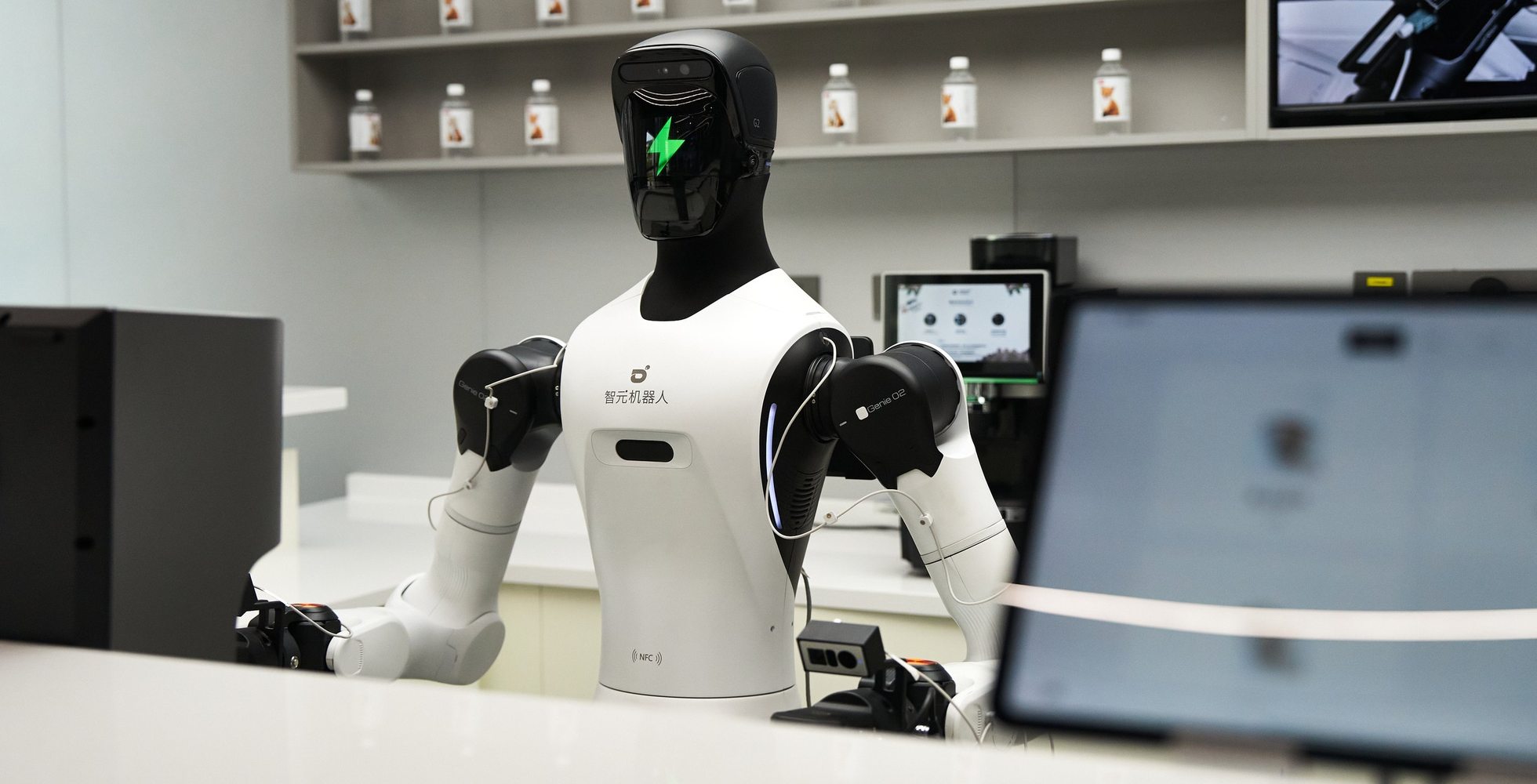
Robot sensors turn physical conditions into data that a controller can use. Cameras help locate objects; force sensors measure loads; tactile sensors detect contact at a surface. Choosing the right combination starts with the task: what must the robot know before moving, while gripping and when something goes wrong?
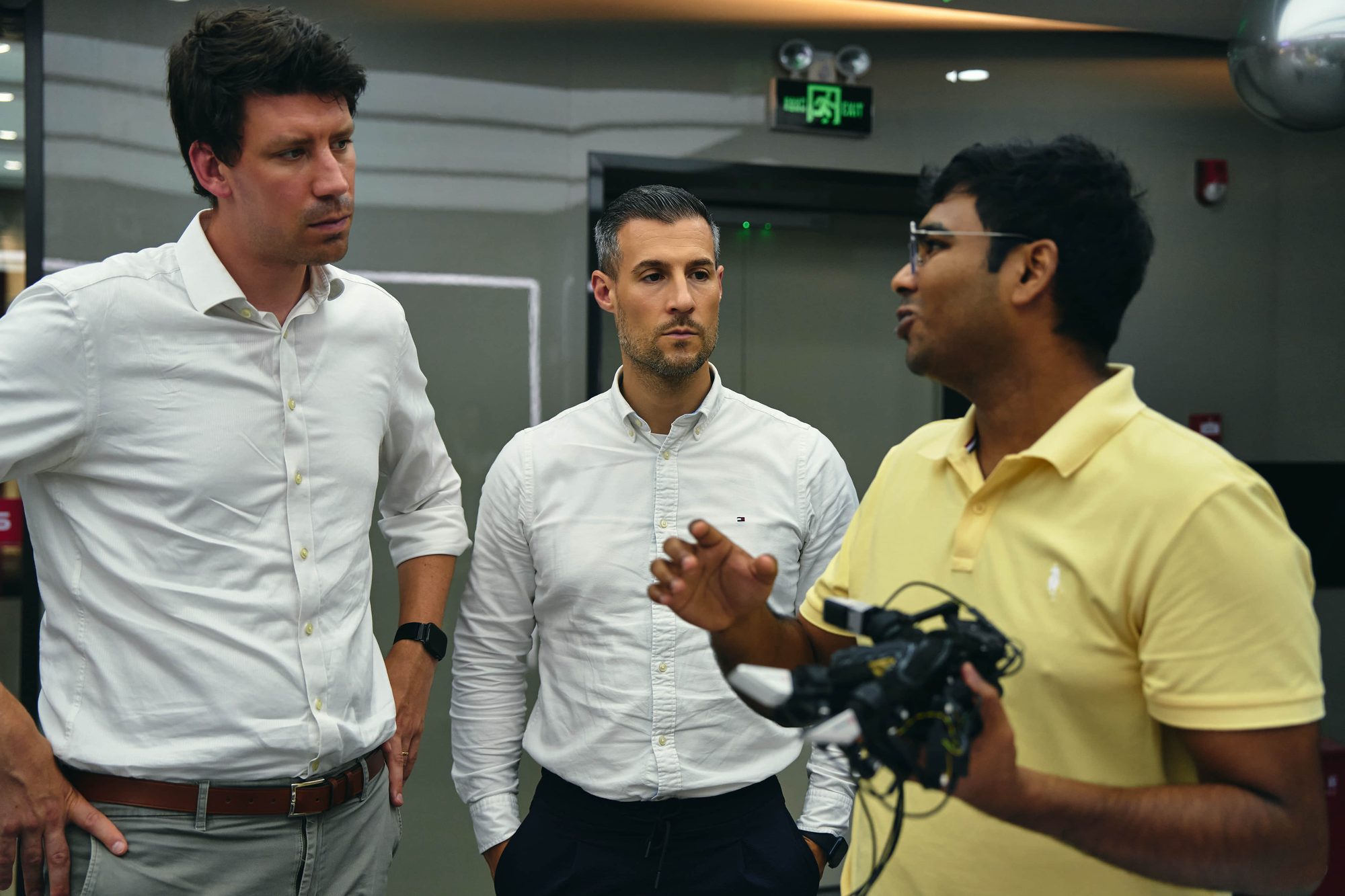
During a Shenzhen robotics visit I described in July, an engineer put a robot hand in my palm. Holding the component made the engineering question feel immediate: what information would this hand need to handle an unfamiliar object? A hand's shape tells you little about the feedback available to its controller.
That is the starting point for this guide. I'm Thomas Derksen, founder of Asiabits in Shanghai. When comparing robotics systems, I would separate the information each sensor supplies from the action the complete machine can perform. That distinction makes a supplier discussion much more useful, especially when several technologies are presented under the broad label of physical AI.
What does a robot need to sense?
A robot needs measurements that resolve uncertainty in its particular task. An application brief should identify which conditions can change, which changes affect the result and how the controller will respond. The necessary sensing follows from those requirements.
Consider a hypothetical station that picks a small component from a tray and places it in a fixture. A camera might locate the component before the arm approaches. Contact feedback could help the system respond when the tool touches it. A separate check might establish whether the part reached the intended position. Those are different questions, even when one supplier packages the answers into a single product.
Start by writing the unknowns in ordinary language. Where is the part? Which way is it facing? Has contact occurred? Is the part held securely? Has the operation finished? Give each question a proposed measurement and a response. If nobody can explain what changes in the robot's behaviour when a measurement changes, ask why that measurement is included.
In our database of 7,000+ robotics companies, the current worldwide dataset contains 7,320 company records. A search for “vision” in names or descriptions returns 698 records, while “sensors” returns 375. These are keyword matches across the database. For a buyer, the useful next step is to narrow that broad pool by application and required measurement.
How do cameras help a robot find objects?
Cameras provide images that software can analyse to identify an object or estimate where it is. The measurement depends on the complete imaging arrangement, including the lens, lighting and image processing. A camera specification alone leaves much of that arrangement unspecified.
Japanese automation supplier KEYENCE describes machine vision through lighting, optics, image sensors and processing algorithms. Those elements explain why the same part can be easy to inspect in one setup and difficult in another. For a supplier comparison, ask to see the actual image used by the software as well as the robot's movement.
Industrial vision company Cognex's image-processing documentation explains that poor focus, distortion and lighting can lose information before analysis begins. This gives a practical order for troubleshooting: inspect image quality and equipment setup before assuming that a different AI model will resolve the problem.
For your test, bring representative parts and identify the visual differences that matter to production. Include the surface finish and permitted placement variation in the brief. Ask the supplier to show how the chosen arrangement handles those conditions and to keep the images associated with each result. You can then distinguish an identification error from a later gripping or motion error.
Define the output you need, too. An inspection result saying that a part is present answers a different question from coordinates used to guide a robot. Ask who converts those coordinates into the robot's frame of reference, how that relationship is checked and what procedure follows a camera or fixture adjustment.
What is the difference between force and tactile sensing?
Force sensing measures mechanical loads, while tactile sensing captures information at a contact surface. Their usefulness depends on where the sensor sits and what it measures. A wrist measurement and a fingertip measurement describe different aspects of the same interaction.
US robotics component supplier ATI Industrial Automation describes its multi-axis force/torque systems as measuring six components of force and torque. Its documentation also identifies the transducer, interface electronics and cabling. Buyers should therefore review the delivered system and its connection to the controller alongside the sensing element.
For tactile sensing, one approach uses a deformable surface and a camera inside the sensor. The original MIT GelSight research describes recording changes in the sensor skin's deformation to recover surface shape and texture. This is a useful reminder that “vision” and “touch” can describe different roles for a camera: looking across a work area or observing deformation inside a contact sensor.
Ask which physical quantity the product reports and in what units. Then establish the measurement range, relevant accuracy specification and update behaviour for the proposed configuration. Request a sample data record from the application test. A graph becomes easier to interpret when the supplier identifies what happened at each stage of the movement.
The gripping tool also needs to suit the workpiece. Our guide to choosing a robot gripper covers that mechanical selection. Treat the tool and its feedback as parts of the same application test, so the evaluation includes the movement you intend to use.
How does sensor data become a useful robot action?
Sensor data becomes useful when the control system interprets it and responds appropriately. The integration discussion should trace a measurement through the software to the resulting motion, stop or request for operator assistance.
Use the hypothetical tray-picking station to make that discussion specific. If the camera cannot locate a part, what happens next? If the contact reading changes during a movement, which controller receives it? If the robot cannot complete placement, how does it leave the work area and tell the operator what happened? Ask the supplier to demonstrate the agreed responses under controlled test conditions.
Document the interface between the sensor, robot and surrounding equipment. Name the software or controller responsible for each decision. Include the configuration files and calibration procedure that the delivered system needs. This allows the team maintaining the equipment to understand what must be restored after a replacement or adjustment.
Keep application sensing and the machine's safety design distinct in the engineering review. Ask the responsible integrator to identify the safety functions and their implementation for the complete station. A measurement shown in an ordinary application dashboard does not by itself establish a safety function.
For procurement, assign an owner to each integration dependency. Our guide to choosing a robotics system integrator in China explains the wider responsibility question. The sensor supplier, robot manufacturer and integrator may contribute different parts of the solution; your acceptance procedure needs to cover their combined result.
How should you test sensors before choosing a supplier?
Test the complete sensing and control arrangement on representative tasks, with written conditions and recorded outcomes. Agree the success criteria before the demonstration so every supplier is answering the same application question.
Prepare a short test brief containing the workpiece, allowed variation and intended movement. Identify the result that counts as successful and the situations that require an operator. Include how results will be recorded and who will review them. Choose test quantities and acceptance thresholds with the engineers responsible for the process, using its actual requirements.
Record both the raw measurement available from the system and the final task result where practical. For a failed attempt, note whether the part was located incorrectly, contact was interpreted incorrectly or a later action failed. This helps direct the next engineering change. A single overall success figure can otherwise hide several unrelated problems.
Repeat the relevant checks after an agreed change, such as repositioning a fixture or replacing a contact surface. Ask the supplier to explain which settings must be restored and which calibration steps are required. That exercise also gives the maintenance team a realistic view of the work involved in keeping the station running.
Include routine maintenance in the test discussion. Ask which surfaces need cleaning, which parts wear during contact and how the system reports a disconnected or unavailable sensor. Have the proposed operator follow the documented recovery procedure. Record whether restarting requires a technician, a saved configuration or a fresh calibration. These steps help your operations team judge whether it can support the equipment with the people available at the intended site.
Close the evaluation with a shared record of the tested configuration, results and unresolved engineering decisions. Link each sample image or data file to the attempt it documents. Our factory-visit recording guide provides a structure for keeping that evidence usable after the visit.
Asiabits helps international teams compare Chinese robotics suppliers through application-focused research and bespoke company visits. Bring the task you want to automate and the questions your engineers need answered. That gives the supplier discussions a clear purpose and your team a useful basis for deciding which system deserves an application test.
Frequently asked questions
What are robot sensors used for?
Robot sensors measure conditions that a controller uses to perform a task. The application determines which measurements are needed and how the machine responds.
Can a robot camera replace a tactile sensor?
A camera viewing the work area and a sensor at the contact surface provide different information. Select them according to the uncertainty each must resolve in the intended task.
What does a six-axis force/torque sensor measure?
It measures force along three axes and torque about three axes. Review the measurement range and interfaces for the particular configuration being supplied.
How should I compare robot sensor suppliers in China?
Give suppliers a common application brief and agreed test conditions. Compare the complete sensing and control arrangement, its recorded results and the work required to integrate and maintain it.
Get These Insights Every Monday
Join 18,000+ professionals reading Asiabits. Free, every Monday, straight from Shanghai.
Subscribe Free →