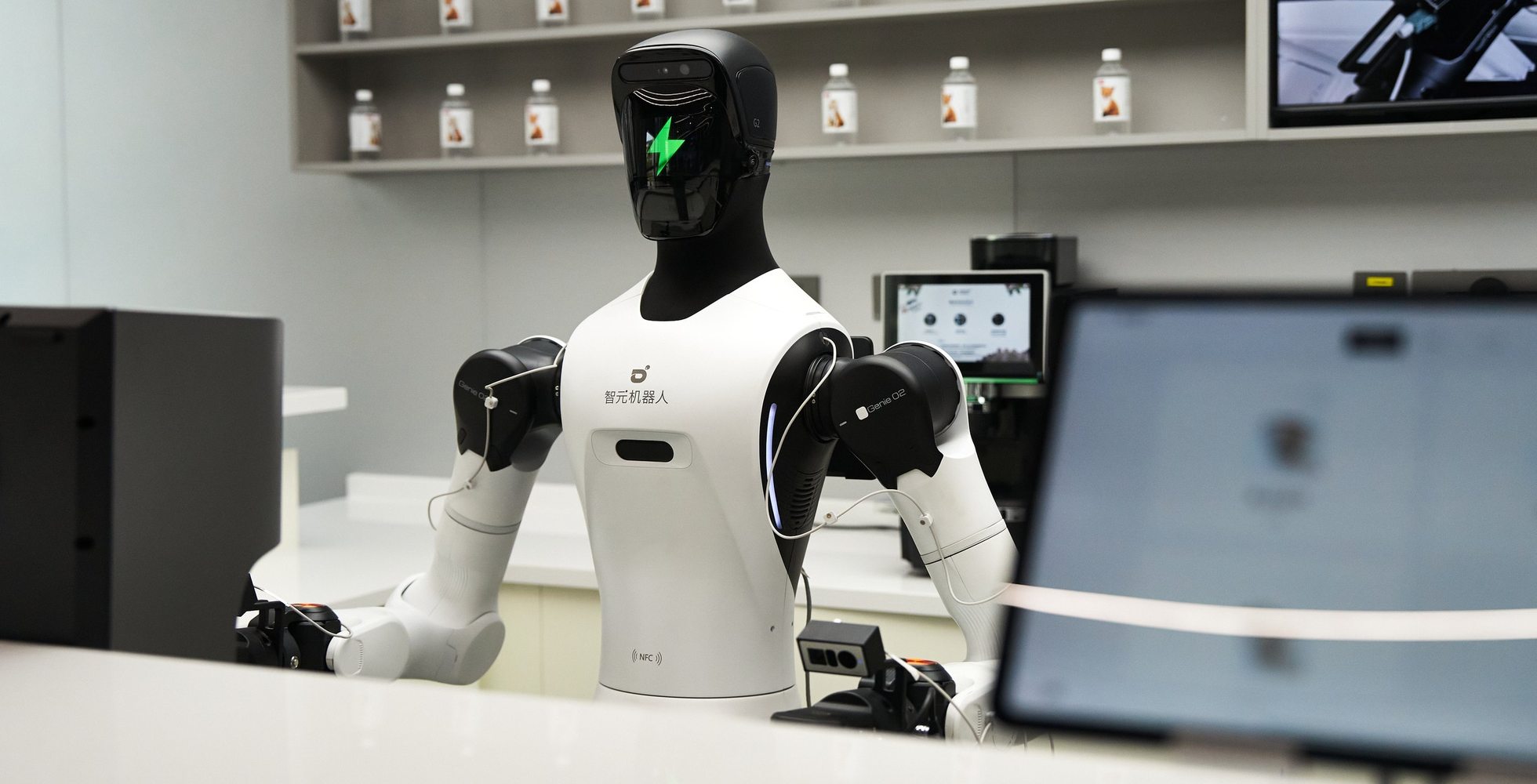
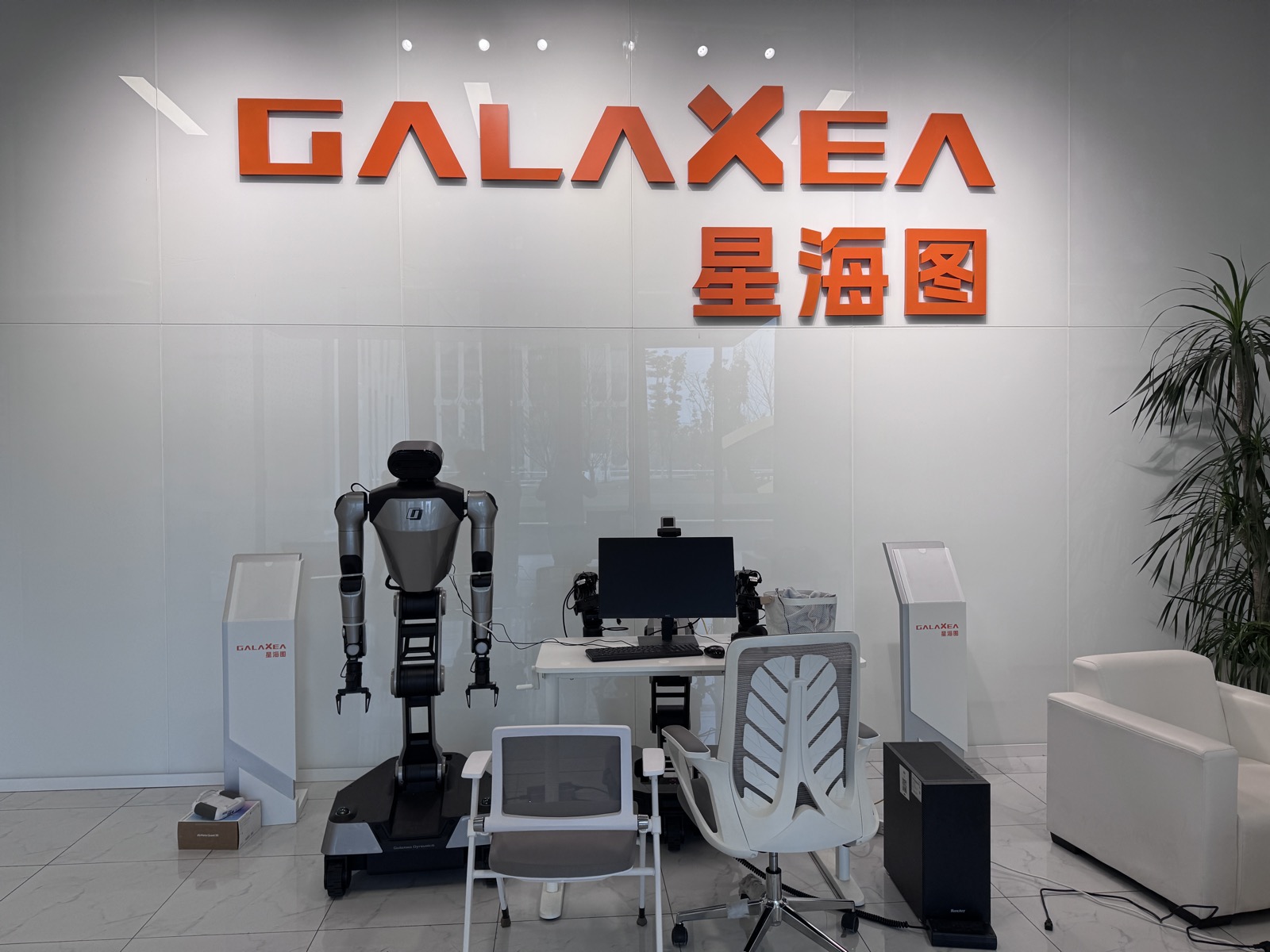
During a China robotics factory visit, record the task demonstrated, the machine configuration, the operating conditions and any human assistance. Keep observed results separate from figures supplied by the host. Link photographs and technical documents to those notes, then assign an owner to the next question your team needs answered.
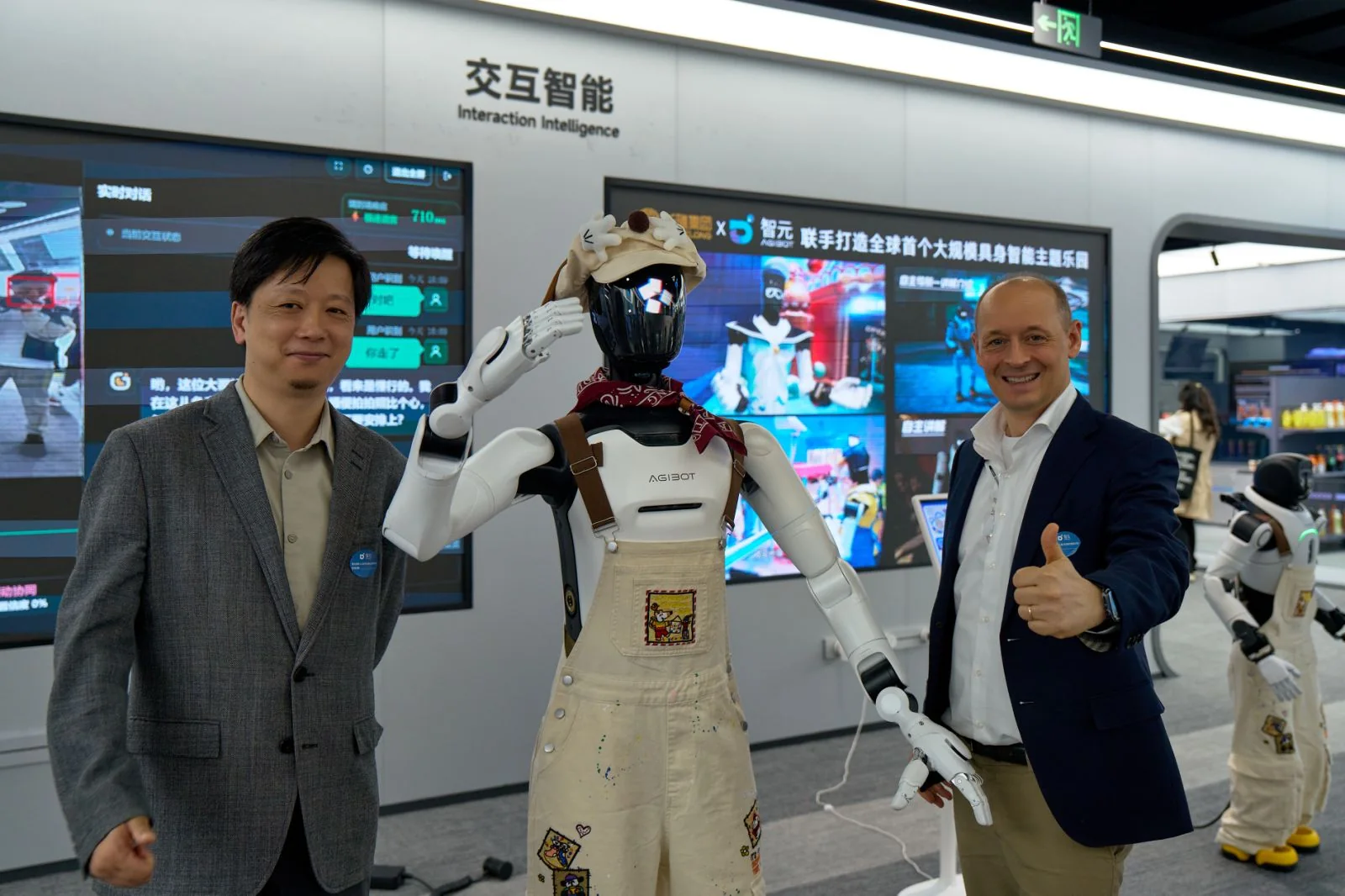
In May 2026, I took a group of German investors through six robotics companies in China. As I wrote on LinkedIn that week, the companies were at different stages of development. A programme like that gives visitors plenty to compare. The useful record needs to preserve what each company showed and where it fits.
Another moment came during a Shenzhen visit described in my July post. An engineer placed a robot hand in my palm and explained its cost. Holding the component brought the engineering inside the finished machine into focus. For me, Thomas Derksen, those encounters are a reason to write down the technical question behind an impressive piece of hardware.
What belongs at the top of every visit record?
Start with the decision the visit should inform, the actual site visited and the roles of the people answering your questions. A record headed only with a company name becomes hard to interpret once the team has visited several sites. Specify whether you saw a showroom, an application laboratory, robot assembly or an operating customer process.
Write the objective in terms your colleagues can use after the trip. A hypothetical example is: assess whether this supplier's gripper can handle our mixed packaging without changing the packaging design. That gives the reader a reason for the photographs, sample measurements and open questions that follow. It also helps the host correct a misunderstanding before it spreads through an internal presentation.
Keep the model and configuration alongside the task. Record the hand or gripper, relevant sensors and software version when the host can provide them. Ask which parts of the setup belong to the standard product and which were added for the demonstration. This becomes useful when purchasing later compares a quotation with the machine the team remembers.
Asiabits uses its research database to find companies worth investigating. In our database of 7,000+ robotics companies, the snapshot checked on 27 November 2026 contains 7,320 worldwide records, including 532 assigned to Shenzhen and 294 to Shanghai. That breadth makes a consistent visit record useful: company discovery produces options, and comparable observations help a team narrow them.
How should you document a robot demonstration?
Describe what the robot did, how the task was set up and what people did before, during and after the attempt. For a picking demonstration, include the objects, their initial arrangement and where they had to end up. Note whether an operator positioned each object or whether the machine dealt with variation in its starting position.
Record the full sequence you watched. If you saw several attempts, write down the number of attempts and their outcomes. Keep a host's longer-term success-rate figure in a separate field with its stated test conditions. A short visit can produce a useful observation without being turned into a reliability study.
Ask how the system receives instructions. A stored motion, remote operator and autonomous task planner involve different work for the person deploying the robot. Describe the control method in ordinary words. If a technician intervenes, record the intervention and what happened next. Recovery is part of the process the eventual user will have to operate.
Use elapsed time carefully. A timing note should say where measurement began and ended, whether it included preparation, and who measured it. For example, a proposed test might measure from the arrival of a tray until the last accepted part is placed. Comparing that with another supplier's arm-motion time would answer a different question.
Our guide to humanoid factory readiness explains the application questions behind a working demonstration. During the visit, your notes should capture the conditions that let somebody else interpret the result.
Which production and quality details are worth keeping?
Keep details that connect the machine you saw to the product your organisation might receive. Where manufacturing is included in the visit, ask how a unit is identified, which checks it passes and how the supplier links those checks to the delivered unit. A sample inspection record can make the answer easier to understand than a general quality presentation.
For a component, record the relevant drawing revision, material or interface requirement and the test being discussed. For a complete robot, identify the acceptance procedure proposed for your application. Put each document's revision and source next to its filename so engineers can tell whether two discussions concern the same specification.
The US National Institute of Standards and Technology's 2020 manufacturing-data guidance addresses traceability and trustworthy data for specified machining and additive-manufacturing processes. The practical visit question is straightforward: can the host connect a test result to the part, process and revision it describes?
Ask the host to explain one real example through the process it is willing to share. Follow the unit or component from its identifier to the relevant inspection result. Record the explanation and the document reference. This gives your quality team something specific to review and helps it formulate the next request.
For a component-focused programme, our guide to qualifying a Chinese robotics component supplier covers the wider evaluation. The visit record should preserve the evidence gathered for that evaluation, including any sample or test procedure the host agrees to provide.
What should you note about integration and operation?
Record the equipment, people and connections needed around the robot to perform the demonstrated task. A robot moving a part may depend on a fixture, a prepared tray, a vision system and an operator loading the station. Each dependency can affect the work required at your own site.
Ask where the supplier's responsibility ends and who would integrate the remaining equipment. Identify the interfaces to existing machines and the information your engineers would need to assess them. A drawing of the proposed station can be more useful here than another page of robot specifications.
Include safety responsibilities in that discussion. Danish robot manufacturer Universal Robots states in its application risk-assessment guidance that the integrator is responsible for the application assessment and that safety depends on the end effector, obstacles and surrounding machines. For a proposed project, record who will assess the complete application and what information that person needs.
Ask how an ordinary user starts the task, handles an interruption and returns the system to operation. Record the training proposed and the maintenance access required. If a specialist has to come on site, note which problem requires that visit and which support can be provided remotely. These answers help operations assess the staffing behind the proposed machine.
Keep commercial documents linked to the technical configuration. Your internal comparison should make it possible to see whether installation, fixtures, training and support are included in the particular proposal under review. That prevents a bare robot and a completed station from appearing as equivalent options in the same spreadsheet.
How do you handle photos, translation and technical files?
Agree what may be recorded, then connect each permitted photograph or file to the observation it supports. Give an image a useful description, such as the gripper used for the tray test, and retain the model reference. A folder of unlabelled pictures leaves colleagues reconstructing the visit from memory.
Preserve technical terms in the original language alongside the translation when an ambiguity matters. Ask the engineer to confirm the meaning with a drawing, part number or demonstration. This is particularly useful when an everyday word refers to a specific machine function. The interpreter and technical visitor should resolve the term together while the host is available.
Keep sharing permissions with the material. A document intended for your engineering team may have a narrower audience than a public brochure. Store it where the intended reviewers can find it and send the host only the information needed for the next exchange. This keeps the project usable without distributing unrelated material.
How do visit notes become a decision after the trip?
End the record with the next technical question, the person responsible and the evidence needed to answer it. A proposed gripper trial, for example, may require your team to send representative parts before the supplier can suggest a test. Write that dependency beside the action so the next meeting has a clear purpose.
Compare suppliers against the same application question. Mark a result as observed, supplied by the host or still to be tested, and retain the supporting reference. A colleague should be able to follow the reasoning from the visit record to the recommendation without having attended every demonstration.
Asiabits prepares and coordinates robotics factory visits and technical delegations in China, with company selection, meeting preparation, Mandarin-English discussion and follow-up around the client's objective. Bring the production question you want to investigate. The programme can then be built around the people and demonstrations that help answer it.
Frequently asked questions
What notes should I take during a China robotics factory visit?
Record the application, site, robot configuration, demonstration conditions and human assistance. Link the results to their supporting files and finish with a named owner for each follow-up question.
How should I record a robot's success rate during a visit?
Write down how many attempts you observed and what happened in each. Keep a supplier's longer-term success-rate figure separate, with the test conditions and source the supplier provides.
Can I take photographs inside a Chinese robotics factory?
Agree photography and sharing permissions with the host before recording. Label each permitted image with the equipment or observation it supports and keep the permissions with the material.
Which documents should I request after a robotics factory visit?
Request the documents needed for your next decision, such as a configuration sheet, drawing revision, sample inspection record or proposed application test. Give each request an owner and identify the question the document should resolve.
Get These Insights Every Monday
Join 18,000+ professionals reading Asiabits. Free, every Monday, straight from Shanghai.
Subscribe Free →