German companies develop products in China to work closer to local customers, suppliers and the engineers who turn requirements into tested products. Volkswagen's development centre in Hefei and BASF's research campus in Shanghai show different versions of this approach. The business question is which development decisions benefit from being made near the intended application.
During two weeks travelling through Germany earlier this year, I visited robotics developer NEURA Robotics and met people working in industry. In my July reflection, I came away more optimistic about cooperation between Germany and China, particularly where automotive engineering and the supplier network could contribute. That experience made the question of each side's contribution more interesting to me.
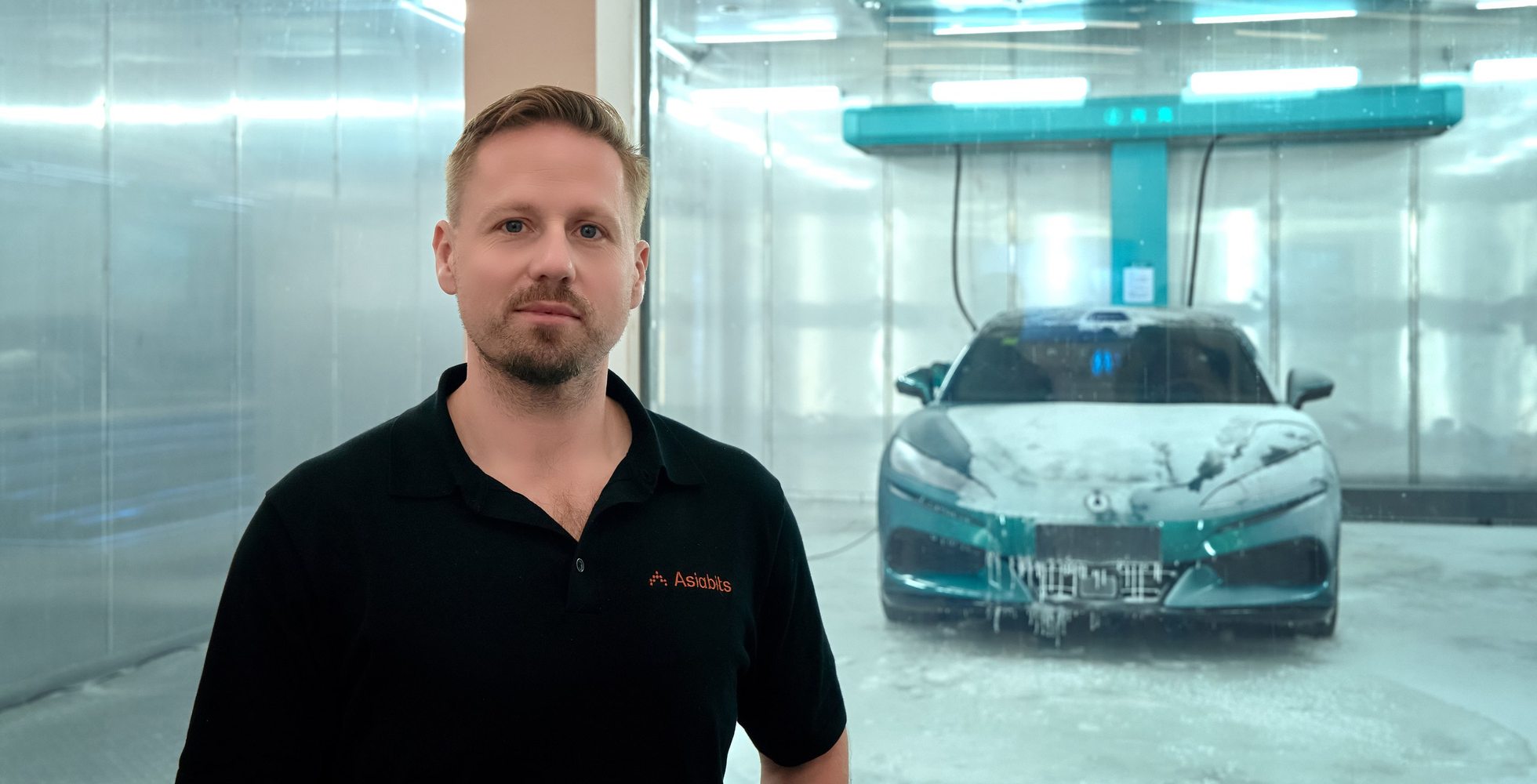
My name is Thomas Derksen, founder of Asiabits in Shanghai. For a European management team, local product development raises a different set of questions from purchasing finished goods. Who understands the customer requirement? Who can change the design? Where does the team test the result? The answers explain more than the address of a new research building.
What does developing in China change for a German company?
It can bring the people defining the product closer to the market where it will be used. A local engineering team can investigate requirements with customers and discuss changes with nearby suppliers. The practical benefit depends on whether those engineers also have the authority and facilities to act on what they learn.
Consider an illustrative industrial equipment project. A customer needs a machine to handle a different package format. Someone must describe the material, examine the available installation area and decide which change is acceptable. Placing an engineer near that customer can make the problem easier to investigate. The company still needs a clear route for approving the revised design.
Separate customer contact from development responsibility when evaluating a local operation. A sales office can collect feedback. An application laboratory can test a material or component. A product development centre can take responsibility for a wider engineering programme. Each arrangement solves a different business problem and requires different people.
For a leadership team reviewing its own organisation, start by following an actual change request. Establish how it moves between the customer, application engineers and the people who approve a design. Record where work waits for a decision. This gives the team a specific reason to consider local development and a way to judge whether a proposed change would help.
What does Volkswagen's Hefei centre demonstrate?
Volkswagen's Hefei centre demonstrates how development and validation can be organised together in China. In its November 2025 announcement, the German carmaker described the completion of test workshops at Volkswagen Group China Technology Company, its local development organisation.
The facilities cover software and hardware integration, battery and powertrain testing, and vehicle-level validation. Volkswagen described a local sequence connecting design, building, testing and validation, linked to its global development network. It also explained that local development units and decisions for vehicle and technology projects were being brought together.
For another manufacturer, the useful question is which tests must sit close to the design team. Take a control system as an example. Its developers need to see how software interacts with the equipment it controls. If a fault appears during testing, they need access to the configuration and the people who can investigate it.
A company examining this model should map the work around a product change. Which engineer owns the requirement? Where can the proposed version be tested? Who decides whether the result is acceptable? A development centre becomes operationally useful when those responsibilities connect. A smaller company can use the same questions when evaluating a potential engineering partner.
How does BASF's Shanghai research fit the same logic?
BASF's Shanghai research connects product and process development with the needs of customer industries. The German chemicals company identifies Innovation Campus Shanghai as its largest research and development site in Asia Pacific. Its innovation overview describes work there on products and processes for sectors including electromobility and renewable energy.
The same overview explains that customer-focused development activities are integrated into BASF's operating divisions, with research relevant to several divisions handled through Group Research. This illustrates how application work and broader research can have different owners inside an international company.
For an equipment or component manufacturer, the distinction is useful. A customer may need help choosing a material for an existing part, or it may need a different product altogether. The first conversation should establish which problem exists. That determines whether the next step belongs with technical service, an application specialist or a product development team.
Suppose a manufacturer is evaluating a polymer for a housing. A useful technical exchange would specify the temperature, mechanical demands and manufacturing process. The parties could then agree which samples and tests would answer the question. This is a proposed way to structure an enquiry; the exact method belongs with the engineers responsible for the application.
The Volkswagen and BASF examples cover different industries, yet both make local development tangible through the work performed. One describes integrated vehicle validation. The other describes research and customer-related development within a global organisation. A visiting team can use these examples to ask more precise questions about the purpose of a local technical operation.
Where does the Chinese robotics supply chain fit?
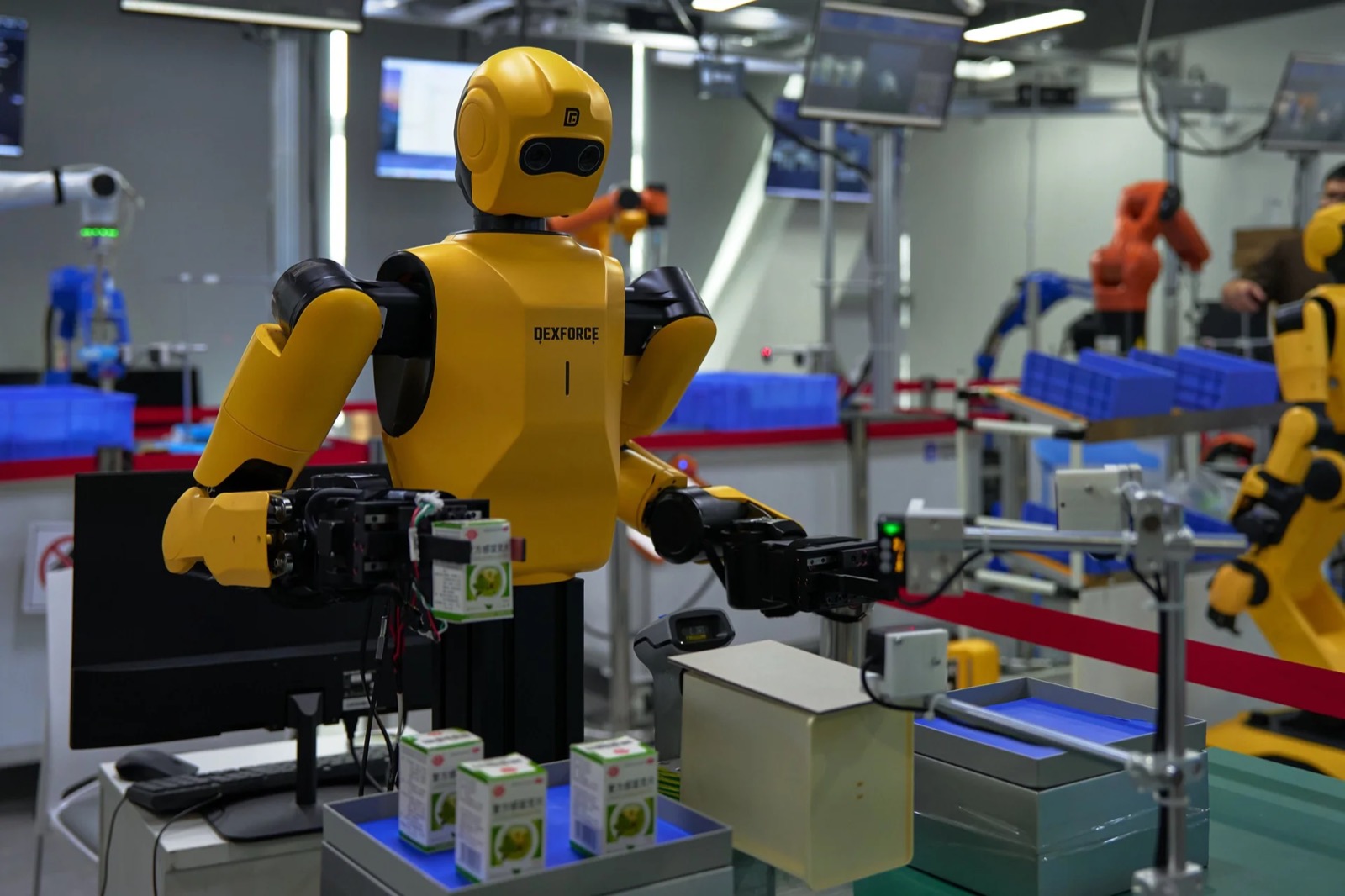
Robotics gives industrial teams a way to investigate development partners across several technical functions. A finished robot connects motion components, sensing and control software with a physical application. A company examining local product development can study who supplies each function and who takes responsibility when those functions are combined.
In our database of 7,000+ robotics companies, the research snapshot checked on November 26 contains 7,320 company records worldwide. Asiabits uses this collection to investigate companies by product and role. For a development enquiry, that means looking separately for a component maker, an application engineer or a business capable of integrating a complete system.
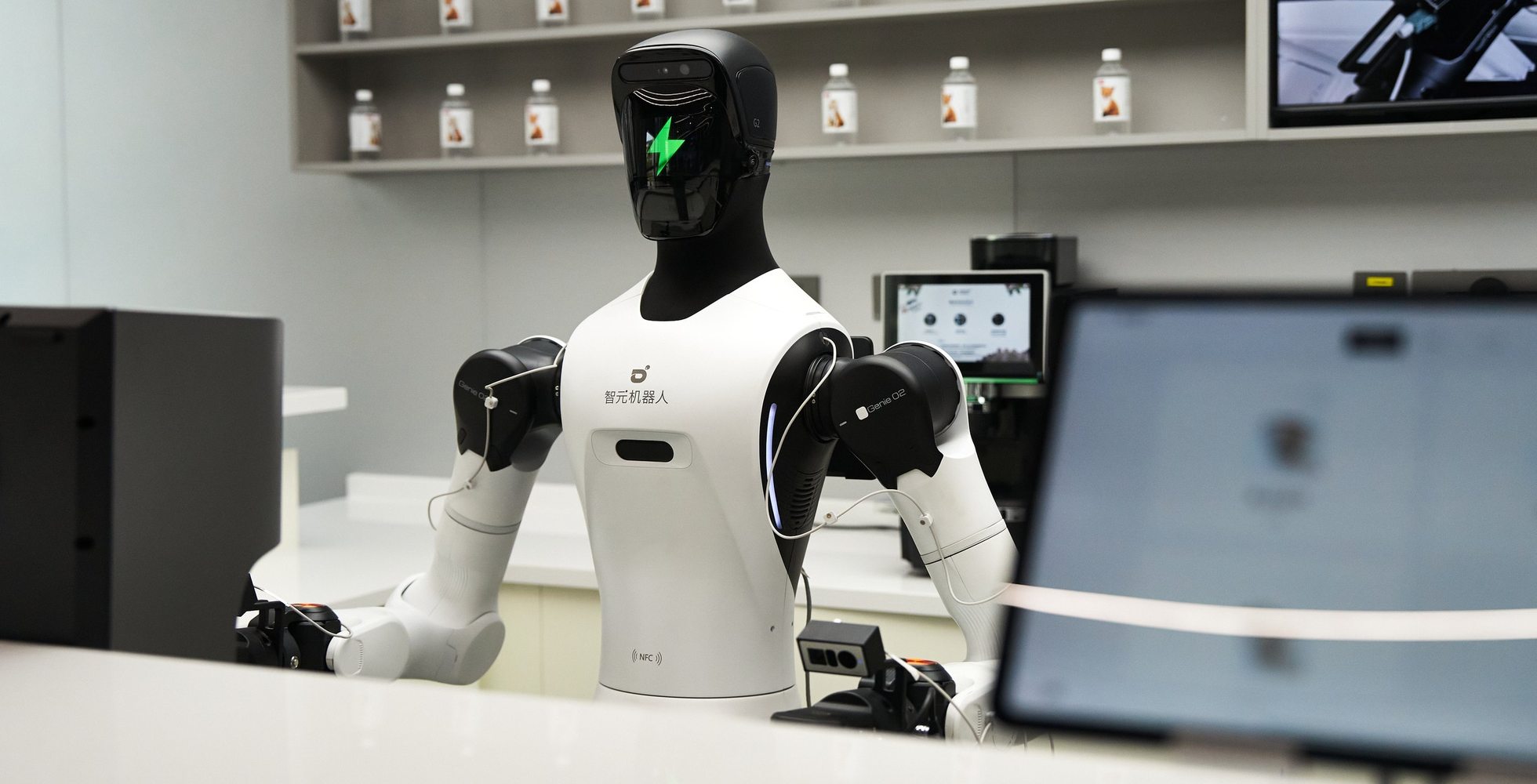
Our guide to German suppliers in the Chinese humanoid component market examines the component side. A supplier approaching a robot developer needs to explain what its product does under the intended conditions and how the developer can evaluate it. That is a technical development discussion before it becomes a purchasing decision.
For a factory operator, the starting point is the operation that needs improvement. Describe the objects, the input conditions and the required output. Then ask who can adapt the proposed machine and support a trial. Our article on German-Chinese robotics development explains how to turn that task into a shared test plan.
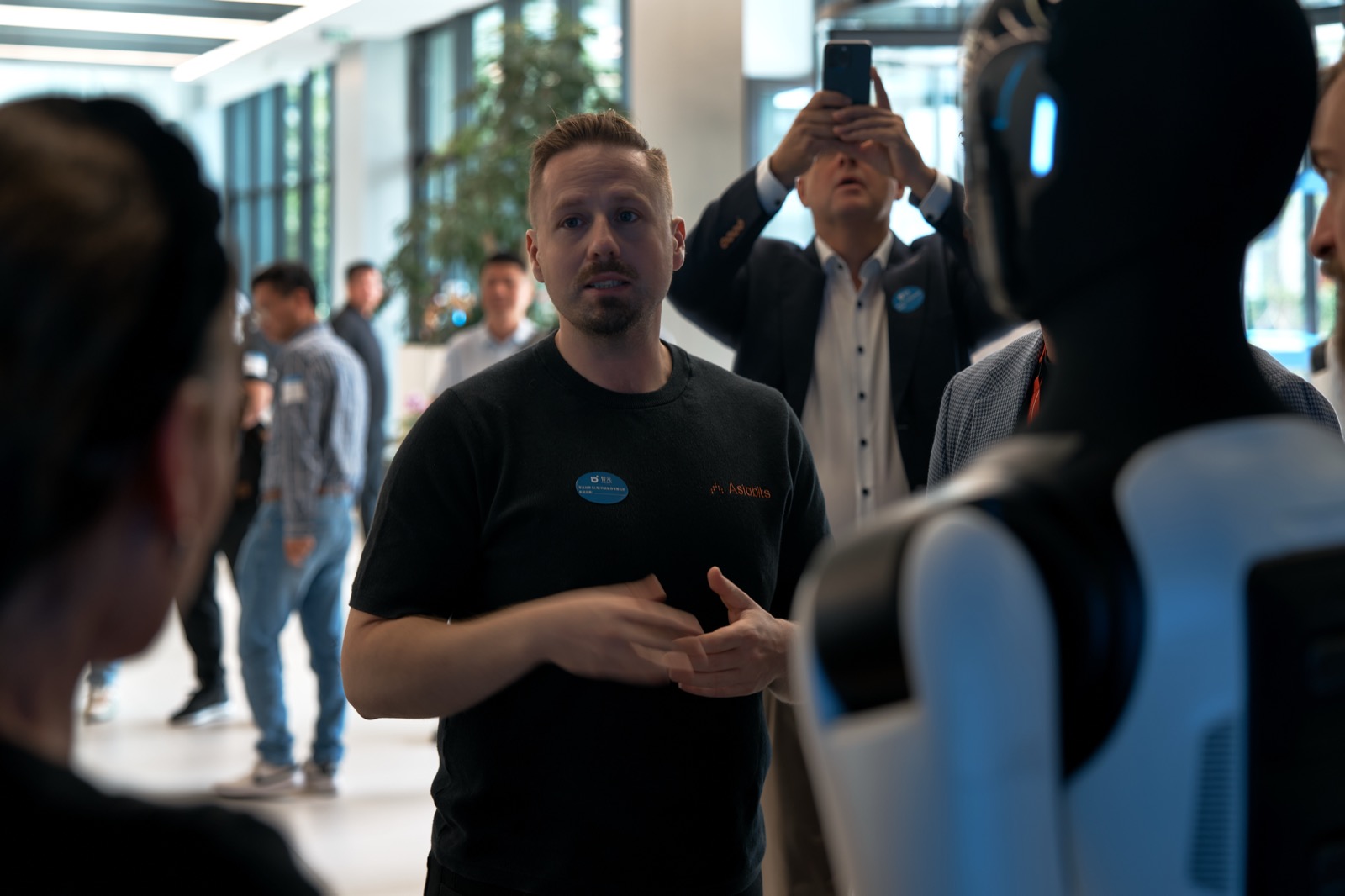
This way of mapping partners also helps a team prepare a research visit. Request a discussion with the engineers responsible for the relevant function. A demonstration is more useful when someone can explain what would need to change for your application and what information they would need to assess the change.
Does a smaller German company need its own research centre?
A smaller company can begin with a defined project and a partner who provides the missing capability. The immediate decision is how to investigate a customer requirement or technical problem. Its own permanent research centre is one possible organisational choice after the work and responsibilities are understood.
Start by identifying what the company can already contribute. It may have a proven component, knowledge of a manufacturing process or access to representative test materials. Write down what is missing. The gap might be application engineering, a local test facility or help integrating the component into a Chinese customer's machine.
Compare potential partners using the same short brief. Describe the intended application and ask how they would investigate it. Request the proposed test, the information they need and the person who would own the technical work. A reply that identifies a dependency gives your engineers something specific to evaluate.
Keep the first project small enough to support a clear decision. An interface review or a sample evaluation can establish whether further work is justified. Agree how results will be recorded and how information can be used. Assign an internal engineer to assess the outcome so that the project has an owner on both sides.
What should a German leadership team investigate on a visit?
A leadership team should investigate how a local requirement becomes an engineering decision and a tested result. Choose meetings around that sequence. A customer or application discussion explains the need; an engineering discussion explains the proposed response; a test facility shows how the response can be evaluated.
Prepare a shareable example from your own business before selecting hosts. A component drawing, a material sample or a description of a production step gives the discussion a focus. Ask each host which part of that question its team can address. This makes it easier to distinguish a useful technical meeting from a general company introduction.
After the visit, connect each finding to the original decision. Record the proposed next experiment, its owner and the result needed before proceeding. Where the team is comparing organisational models, identify which decisions could move closer to the customer and which must remain connected to the wider company.
Asiabits prepares focused business visits in China around the questions a European team needs to answer. Share the product or process under investigation and the decision the visit should support. The programme can then connect relevant manufacturers and engineering discussions with a useful next step for your team.
Frequently asked questions
Why do German companies develop products in China?
Local development puts engineers closer to customers, suppliers and the intended application. The useful organisational question is which decisions and tests benefit from that proximity.
What does Volkswagen develop in Hefei?
Volkswagen's local development organisation works on vehicles and technology for the Chinese market. Its November 2025 announcement described integrated software, hardware, powertrain and vehicle validation facilities.
What is BASF's Innovation Campus Shanghai?
It is BASF's largest research and development site in Asia Pacific. Its work includes products and processes for customer industries such as electromobility and renewable energy.
How can a smaller German company begin development in China?
Begin with a defined application question and identify a partner with the missing engineering or testing capability. Agree a first evaluation and assign someone inside your company to judge the result.
Get These Insights Every Monday
Join 18,000+ professionals reading Asiabits. Free, every Monday, straight from Shanghai.
Subscribe Free →