Chinese companies make industrial arms, warehouse and delivery robots, cleaning machines, educational platforms, medical systems and humanoids. The useful distinction is the work each machine performs and the environment it needs. For a business comparing suppliers, separating the application, physical design and development requirements makes the shortlist far more useful.
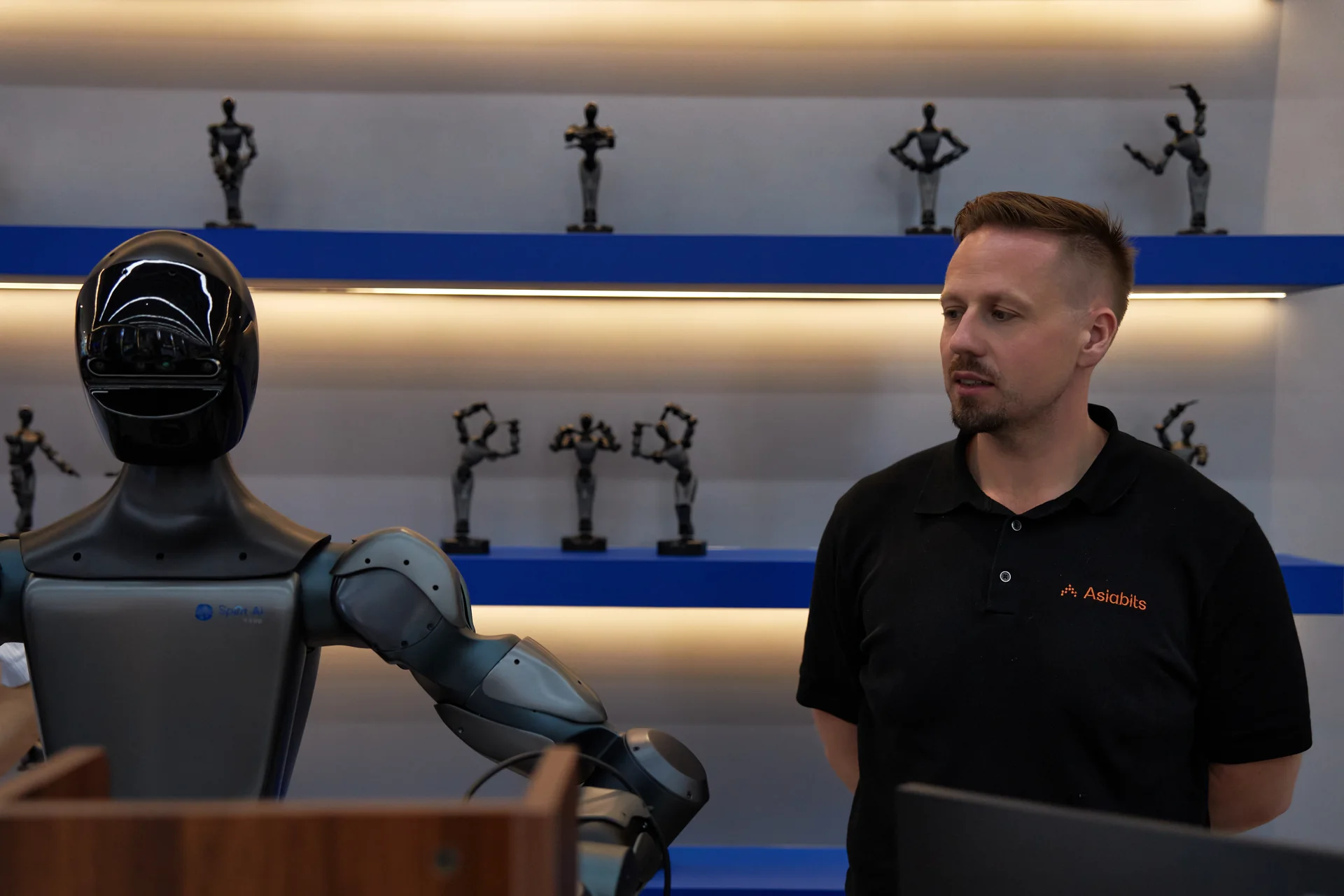
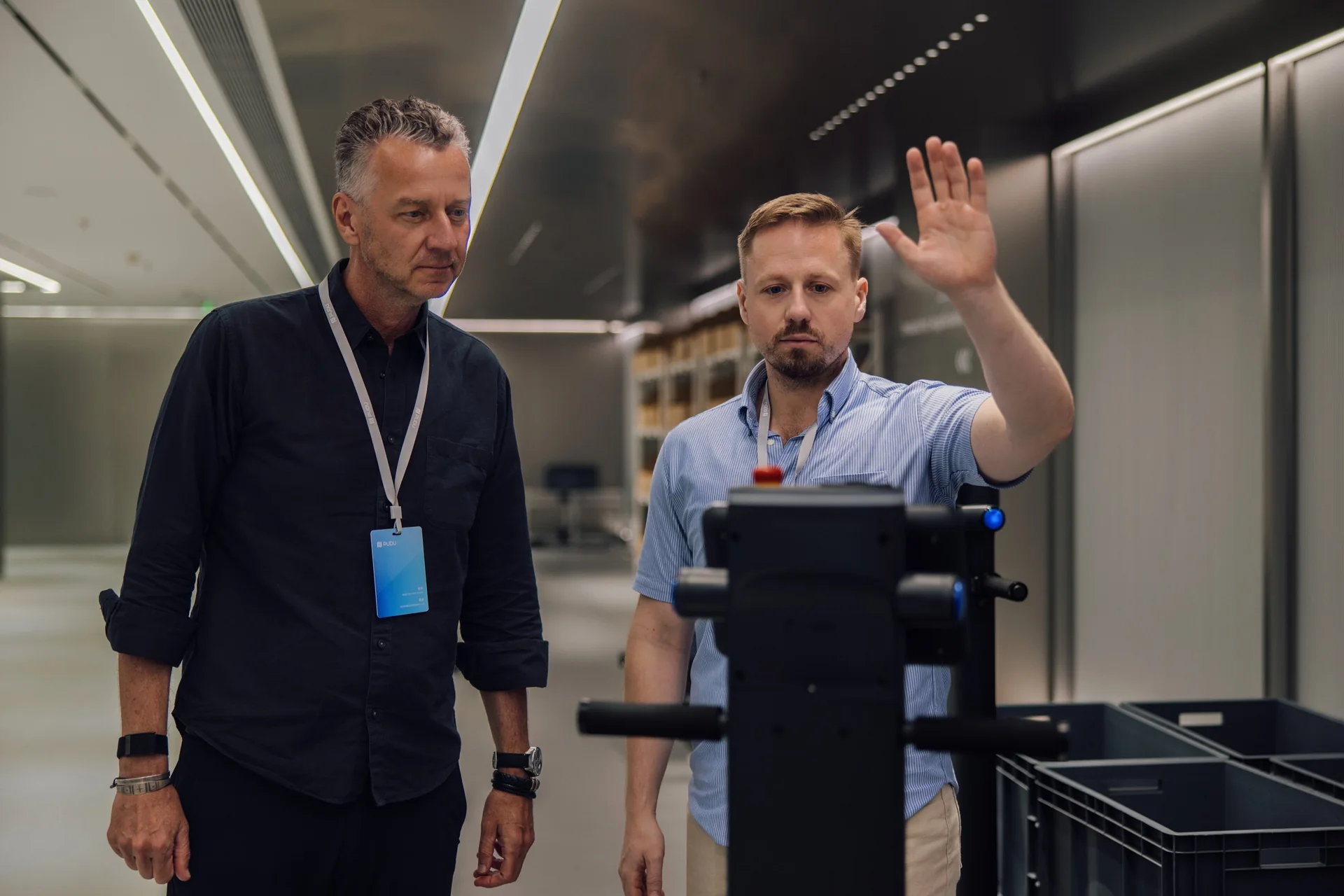
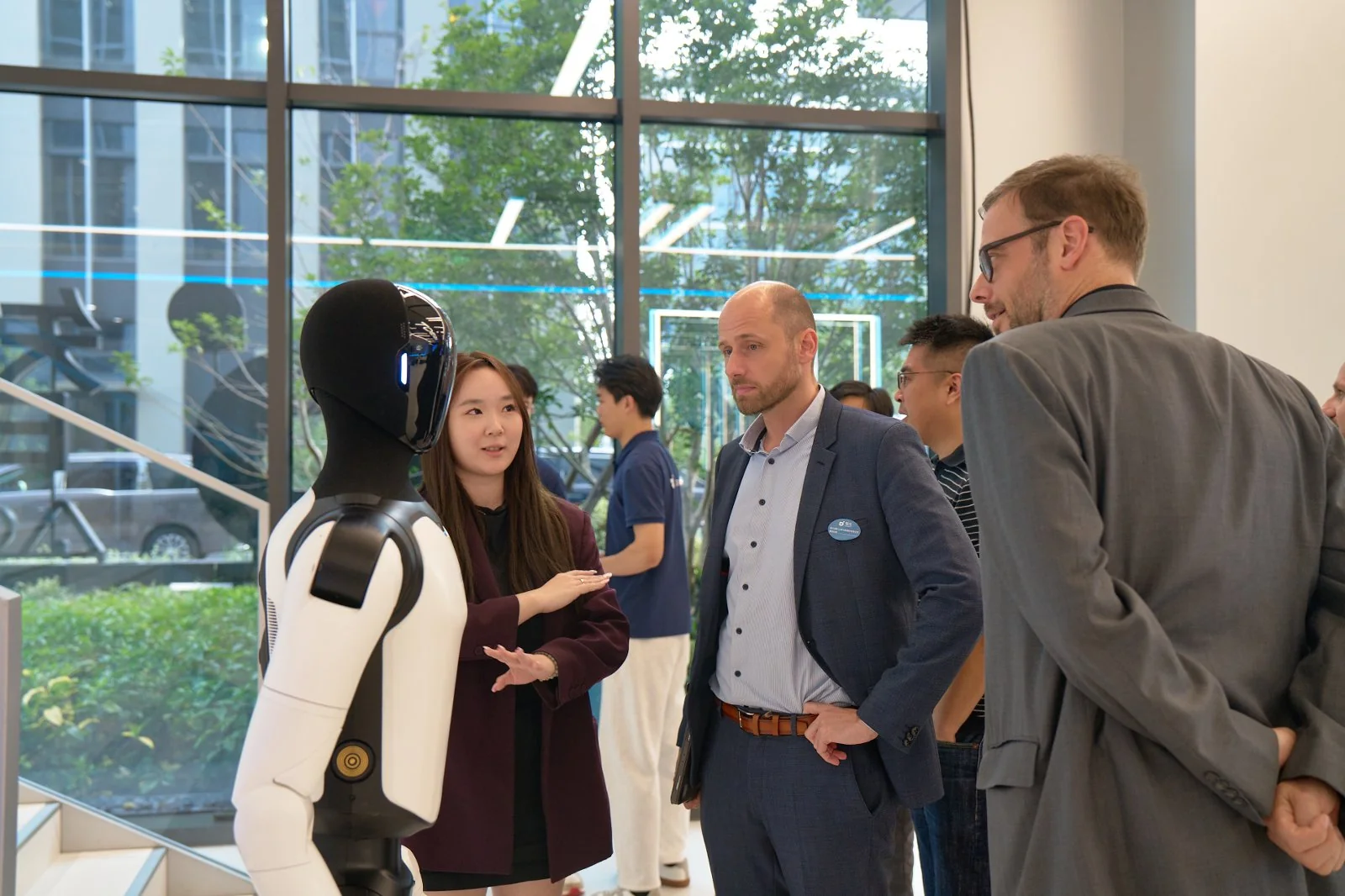
A robotics visit in Shenzhen this week brought that breadth into focus for me. The discussion moved between service machines, educational products and humanoid platforms. Each raised a different question about what the buyer would need to operate it. Looking through the visit notes, I keep returning to the same starting point: what job should the machine do?
My name is Thomas Derksen, founder of Asiabits in Shanghai. Visiting manufacturers gives me a way to examine those differences directly. A robot that attracts attention in a showroom may serve a different purpose from the machine an operations team needs. Understanding the product category helps both teams ask better questions.
Why do robot categories overlap?
Categories overlap because some describe a robot's job and others describe its body or intended user. Industrial, service and medical refer to applications. Humanoid describes a humanlike physical form. Educational describes a learning purpose. A machine can therefore fit more than one description without the labels being contradictory.
The International Federation of Robotics explains industrial robots through their reprogrammable manipulation capabilities and industrial use. Its service robot overview covers useful tasks for people or equipment in personal and professional settings. It also distinguishes medical robots as a separate category under the ISO vocabulary. These definitions are a better starting point than judging a product by its face or legs.
Consider a robot arm mounted on a wheeled base. The base moves it between work locations; the arm handles objects. A supplier may call the whole machine a mobile manipulator. To compare it with another product, separate the transport requirement from the handling requirement. Both have to work in the intended process.
At Asiabits, in our database of 7,000+ robotics companies, the current research snapshot contains 7,320 company records worldwide. That is the size of our research coverage, rather than a count of Chinese manufacturers or a measure of sales. It gives us a broad starting pool, which still needs filtering by product, geography and the buyer's actual task.
Which robots belong on a factory shortlist?
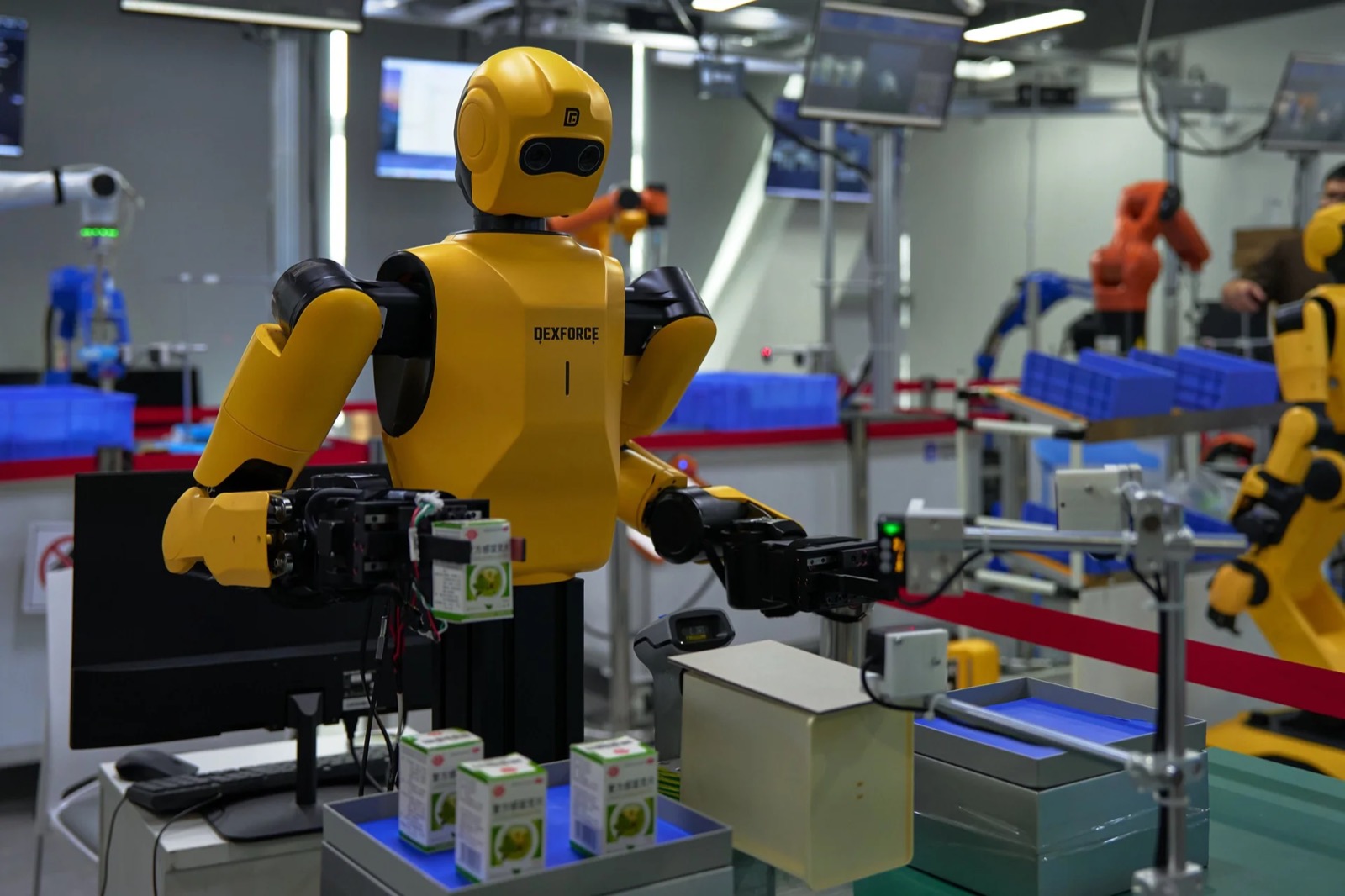
Factory shortlists should distinguish machines that manipulate a product from machines that transport it. An industrial arm might weld parts, load a machine or stack cartons. A mobile transport robot might move a container between workstations. Some projects need both, connected through an agreed handover.
The difference changes the questions you bring to a manufacturer. For an arm, describe the object and how it arrives at the workstation. Include the required movement, working area and acceptable finished result. A demonstration with neatly positioned parts answers a narrower question than one with the variation your production process creates.
For internal transport, map the route and the transfer points. Who loads the robot? Who unloads it? What happens when the destination is occupied? A vehicle reaching a marked position is only one part of moving material through a factory. The surrounding equipment and operating team determine whether the full transfer is complete.
Chinese manufacturers already separate these product families in their public catalogues. Hikrobot describes its work in machine vision and mobile robotics, while Pudu lists industrial delivery alongside commercial delivery and cleaning. Those portfolios provide starting points for research. They also show why the broad word robotics tells you little about an individual machine.
When a factory is comparing suppliers, the process owner should help define the visit. A useful agenda follows a material or product through the proposed operation. Our guide to choosing a robotics system integrator in China explains how to identify who would connect the machine to the wider process.
How do service robots differ from consumer robots?
Service robots perform useful work in personal or professional settings, while consumer products are designed around individual or household use. Cleaning and delivery are familiar commercial applications. A machine carrying items through a building and a robot cleaning a home can both belong to service robotics, despite very different operating requirements.
For a business, define the service before choosing the machine. Reception might mean answering questions at a fixed position, guiding visitors through a building or directing them to a human employee. These are different assignments. A conversational interface may suit one; movement and access to building systems may be needed for another.
A delivery task needs an equally precise description. The robot may carry an item while people handle both ends of the journey. If your requirement includes collecting goods from a shelf or opening a door, put those actions into the brief. Otherwise, two teams can use the word delivery while imagining different jobs.
For a consumer product intended for another country, test the version that people there would receive. Review the available language, account setup and network connection, then check which functions work under those conditions. This is a practical product check, especially when an overseas edition differs from a domestic edition.
The operator matters too. A household user and a facilities team have different expectations for setup, maintenance and support. For hospitality applications, our hotel service robot guide looks more closely at the building and daily workflow around the machine.
What separates an educational robot from a research platform?
An educational robot supports a learning activity; a research platform gives a technical team hardware and software to develop or investigate capabilities. The two can overlap. Their value depends on what the user can learn or build, and on the tools supplied with the machine.
A school evaluating a robotics kit should examine the teaching material and programming interface alongside the hardware. Can the intended learners complete a useful activity? Can the teacher prepare the lesson and reset the equipment? The answers tell a school more than a complicated demonstration performed by the manufacturer's engineer.
A research team has a different brief. It may need access to sensor data, motion commands or a simulation environment. Ask which interfaces are available for the exact model and edition, and what documentation accompanies them. A working sample project helps establish where development can begin.
UBTECH's public portfolio, for example, lists education products alongside commercial service robots and humanoid offerings. That breadth illustrates why the company name alone cannot define the purchase. The specific product and intended use determine the relevant comparison.
For a university, development access may be the reason to buy. An operating business may instead need a configured application and someone responsible for maintaining it. Agree on that distinction early, so the proposed demonstration answers the institution's or company's actual question.
Where do humanoids fit among these robot types?
Humanoids are a physical design that can be used for research, interaction or industrial tasks. Their humanlike form does not specify which application is ready, how a task is controlled or what work remains for the buyer. Those questions need answers for each model and configuration.
Separate the capabilities you want to examine. Walking, speaking and handling an object are different functions. A demonstration of one gives you something specific to assess. For a proposed business application, ask to see the sequence that connects the relevant functions under the conditions the operating team expects.
The same approach helps when comparing a humanoid with a wheeled machine or a fixed arm. Describe the job first, including where it happens and what the robot must reach. Then examine which physical design meets those requirements. Humanlike appearance may be relevant for interaction; object handling requires its own evidence.
Our explanation of embodied AI covers how sensing and decision-making connect to physical action. For a buyer, the practical question is how that connection works in the proposed task, including the role of a human operator and the conditions used in the demonstration.
A limitation remains: a product category or a showroom visit cannot establish performance across your operating environment. Record what the robot did, which conditions were controlled and what the team would need to test next. That gives an internal project owner evidence to work with.
How should a business turn these categories into a visit plan?
Build the visit around an operating decision, then select the robot categories and manufacturers relevant to it. A broad introductory visit can help a team understand the options. A supplier evaluation needs a narrower brief, with the people and demonstration required to answer a defined question.
Before approaching hosts, write down the task in ordinary language. Describe the item or person involved, the location and the desired result. Add the conditions that could change the result. For example, moving a closed container along a clear route is a different brief from taking loose objects from crowded shelves.
Use that description to choose who should attend. An operations colleague can explain the current workflow. A technical colleague can examine interfaces and integration. A commercial lead can clarify who would supply and support the complete application. Attendance should follow the unresolved questions.
After the visit, keep a short record of the product reviewed, the task observed and the remaining test. Assign a person to the next action. That is enough to turn a broad interest in Chinese robotics into a project that colleagues can assess and continue.
Asiabits helps international teams identify relevant Chinese robotics companies and organise visits around their operating questions, with preparation, coordination and interpreting. For a bespoke robotics visit, start with the job your business needs done. We can use that brief to select the manufacturers and discussions that will help you decide.
Frequently asked questions
What are the main types of robots made in China?
Chinese manufacturers produce industrial arms, mobile transport systems, service robots, educational products, medical systems and humanoids, among other categories. Some labels describe an application and others describe physical form, so the groups can overlap.
Is a humanoid robot the same as a service robot?
Humanoid describes a humanlike physical form, while service describes an application. A humanoid may be intended for service, industrial work or research. Evaluate the specific product and task rather than relying on the label.
What is the difference between an industrial arm and a mobile robot?
An industrial arm manipulates objects or tools, while a mobile platform moves between locations. A mobile manipulator combines movement with an arm. A factory project should specify the transport and handling requirements separately.
Can an educational robot also be a research platform?
The purposes can overlap when the hardware and development interfaces support both. A school should review teaching activities and teacher requirements; a research team should examine access to data, commands and documentation for the exact model.
How should a company choose a Chinese robotics manufacturer to visit?
Start with the task, operating environment and decision the visit should support. Shortlist manufacturers with a relevant product, then agree on the demonstration and technical participants. Record what was observed and assign the next test or follow-up.
Get These Insights Every Monday
Join 18,000+ professionals reading Asiabits. Free, every Monday, straight from Shanghai.
Subscribe Free →